
The AI Music Briefing #19: AI music gets its first awards show, and the artists do the voting
The week of September 5 to 11, 2026, when SIQA booked the first AI Music Awards for November 13 in Los Angeles with 25 categories the artists vote on, Suno replaced every older model with v6, and Universal signed ElevenLabs one day later.
Issue #19 · the week of September 5 to 11, 2026 · ~7 min read. The Friday read for music industry professionals working at the intersection of AI and the traditional music business. Curated by Christopher Wieduwilt.
What’s in store:
- Top Story: the first AI Music Awards, November 13 at The Mayan. 25 categories, and the artists vote.
- Suno v6 arrives as 3 models, and v5.5 disappears
- A fake AI Eminem track: 109,000 views, no AI label
- 3 in 4 AI artists release through the distributor with the vaguest AI policy
This week in AI music: Suno shipped a licensed model, and the majors signed on both sides of the fight
Suno launched v6 and switched off every older model. Believe signed Suno on September 8, Universal signed ElevenLabs on September 10, and Universal is still suing Suno in the middle of all of it.
Also, a watch can now Shazam a song before you notice it’s playing.
The week, in order:
Suno launched v6 as 3 models and retired everything from v4 to v5.5
Suno launched v6 on September 9 as 3 models: v6 and v6-wild on Pro, v6-mini free. You can change a single lyric without regenerating the take, and prompt with video. Every model from v4 to v5.5 is gone, and free users jump 2 generations.
Believe and TuneCore signed Suno 4 months after Believe blocked its tracks
Believe and TuneCore signed Suno on September 8, 4 months after Believe started blocking Suno tracks. Artists opt in, a source told Billboard the pay is a revenue share, and the deal covers only Suno’s new model. Nothing in your TuneCore account changes yet.
Universal signed ElevenLabs one day after Suno’s launch
Universal signed ElevenLabs to a multi-year deal on September 10, one day after Suno’s launch. The first product is a platform where fans remix tracks from participating artists and make personalized vocal takes. No launch date, no artist list.

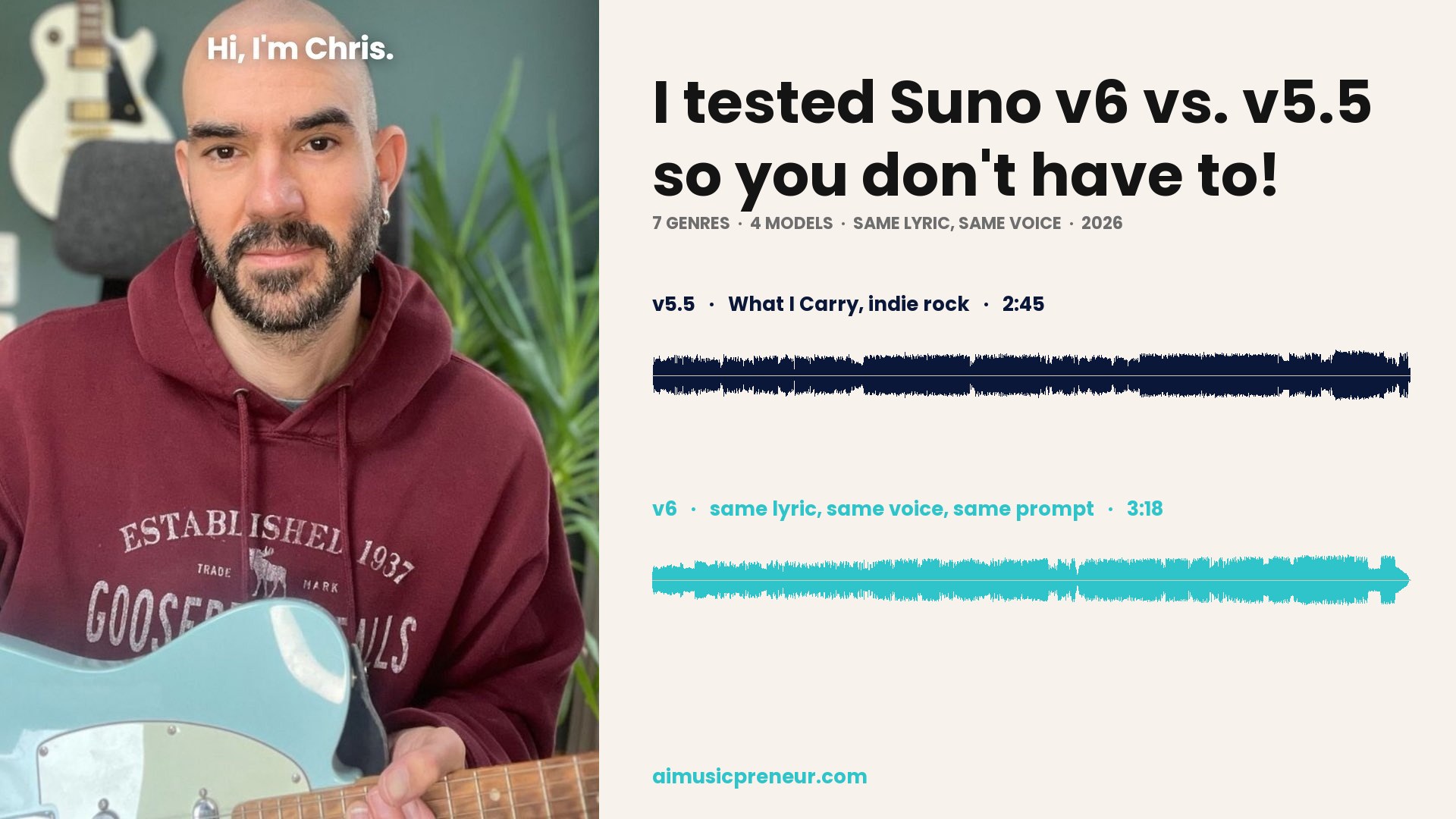
Suno v6 scored 74 out of 100 against v5.5’s 62 in my own test
I ran the same lyric, the same clone of my voice and 7 style prompts through v5.5 and all 3 v6 models. v6 scored 74 out of 100, v5.5 scored 62. The vocals improved most. The stems still need a producer.
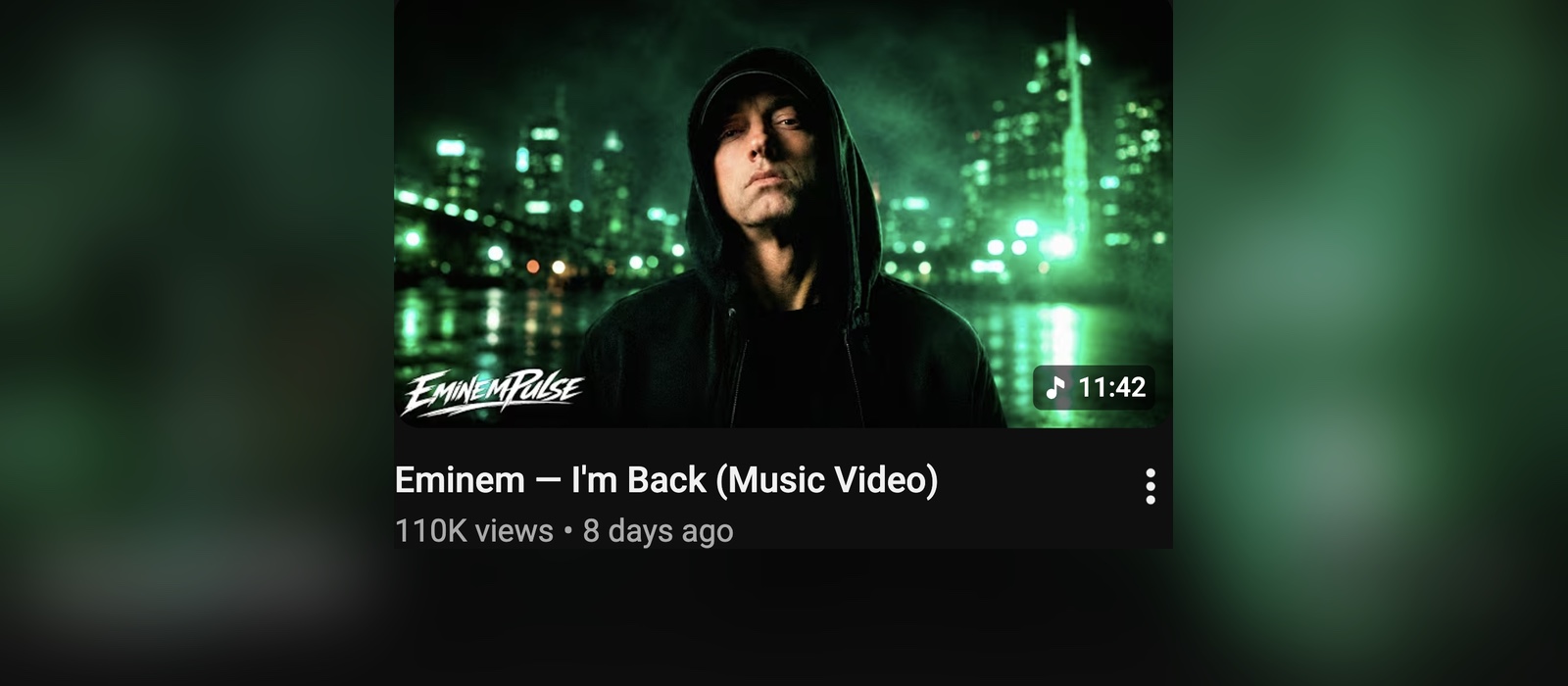
A fake AI Eminem track pulled 109,000 YouTube views with no AI label on it
An AI track called “I’m Back” credited to Eminem pulled 109,000 views and 3,500 likes in 8 days. The channel behind it, Eminem Pulse, has 2,110 subscribers and posted 3 more AI tracks inside 48 hours. YouTube’s AI label is nowhere on the upload, and the only disclaimer sits buried in the description.
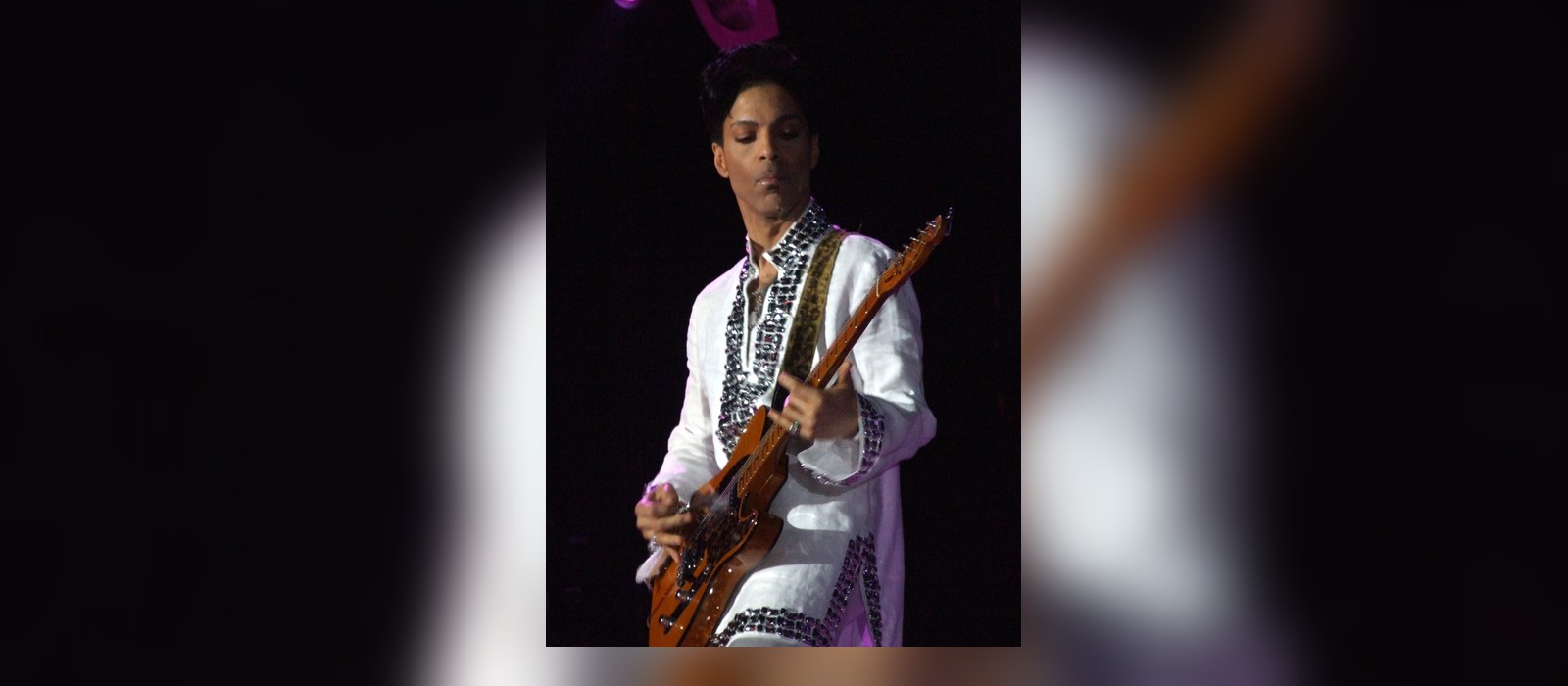
Prince’s estate named the 3 horn players who overdubbed “Calabama”
Prince’s estate named 3 horn players after fans accused the Timeless track “Calabama” of using AI. Greg Boyer, Adrian Crutchfield and Lynn Grissett overdubbed real brass onto Prince’s synth guide part. Five years ago nobody would have asked.
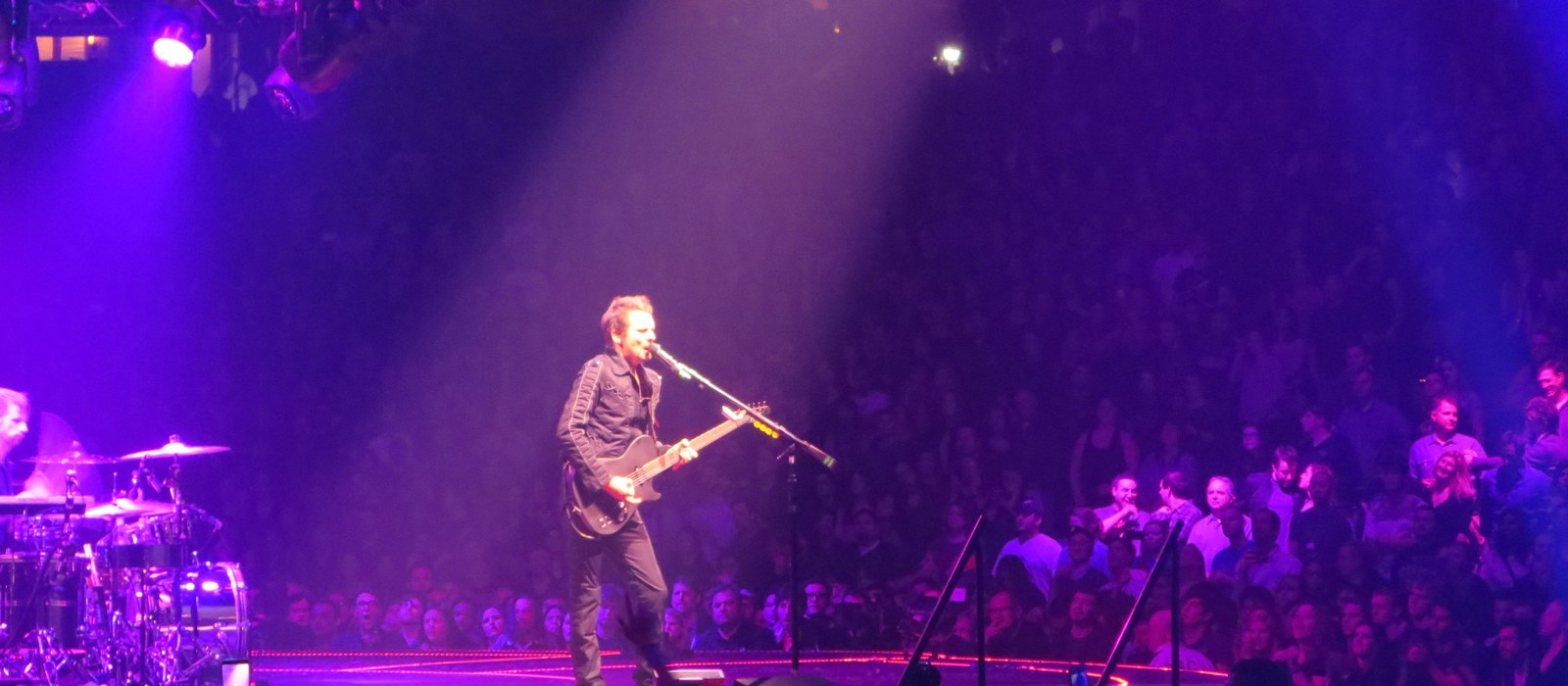
Meta’s Muse AI took @muse, and the band moved to @museband
Meta’s Muse AI took over @muse on Instagram and X. The band Muse, 30 years into the name and 2.7 million followers deep, now posts from @museband. They moved months before the announcement, and nobody has said whether money changed hands.
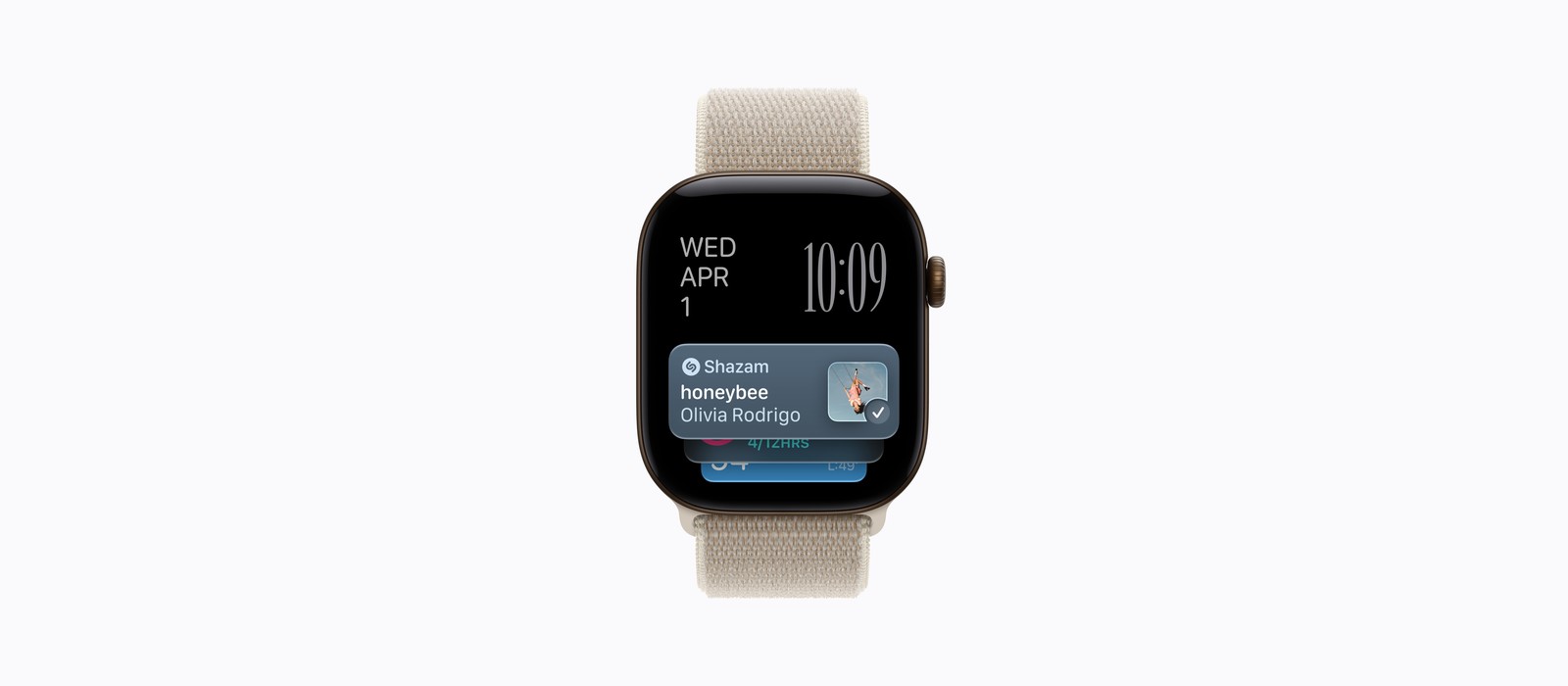
Apple put passive Shazam on the Apple Watch Series 12
Apple put passive Shazam on the Apple Watch Series 12. The watch hears a song, recognises it, and shows the title and artist without the wearer touching anything. Apple says the audio is processed in isolation and deleted immediately.
75.8% of AI artists in SIQA’s data set release through DistroKid
75.8% of AI artists with distributor data in SIQA’s data set release through DistroKid. LANDR, the distributor with the clearest AI rules, sits at 2.1%. So does CD Baby, which bans AI-generated composition outright. That last 2.1% is a takedown queue waiting to happen.
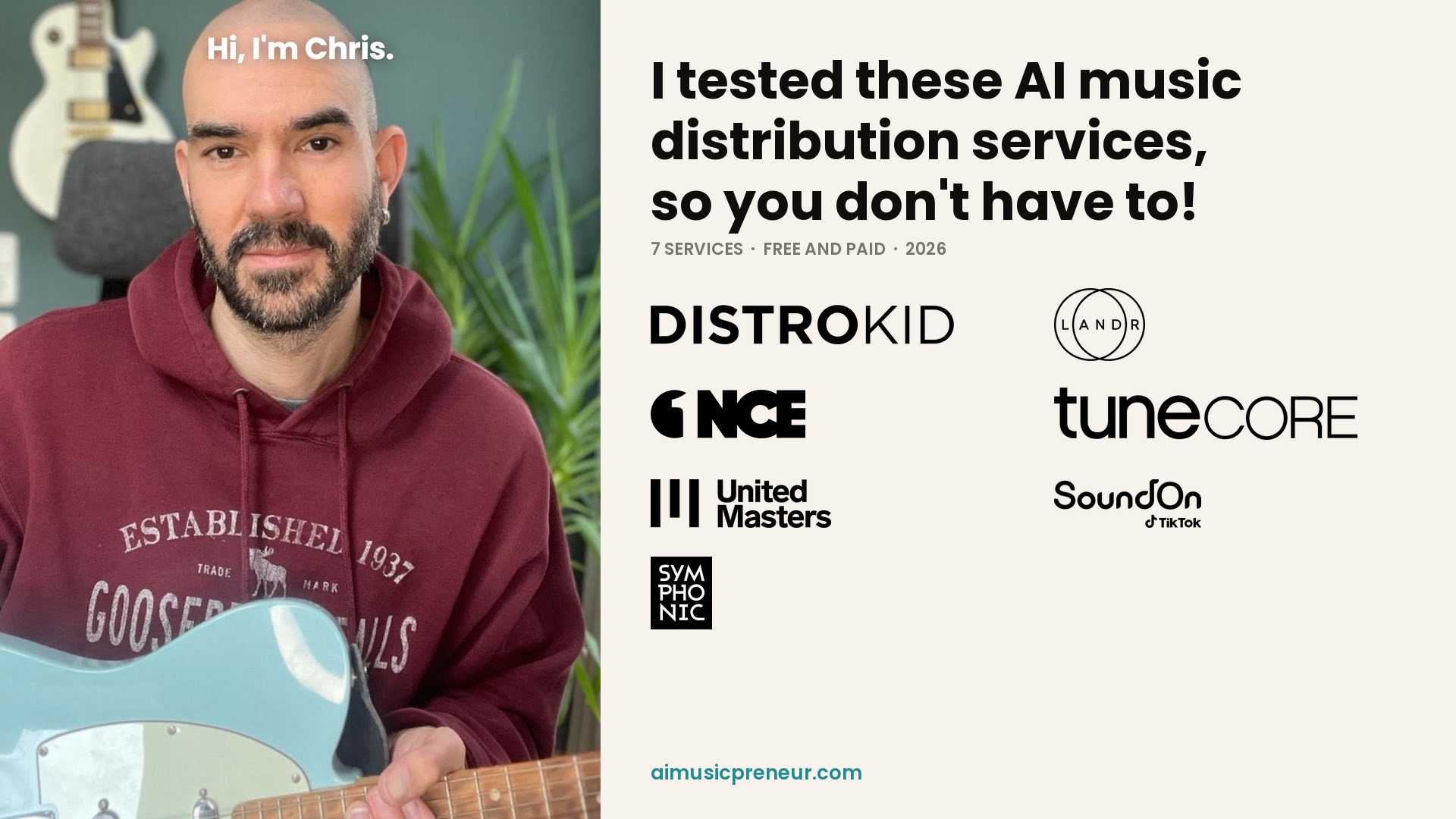
Clinton Sparks and Johnny Gillespie’s AI mixing patent has 17 claims, and only 2 stand on their own
Clinton Sparks and Johnny Gillespie own a US patent on AI mixing, and the coverage skipped what the claims say. I read all 17. Only 2 stand on their own, and a tool has to do every step of one claim to infringe it.
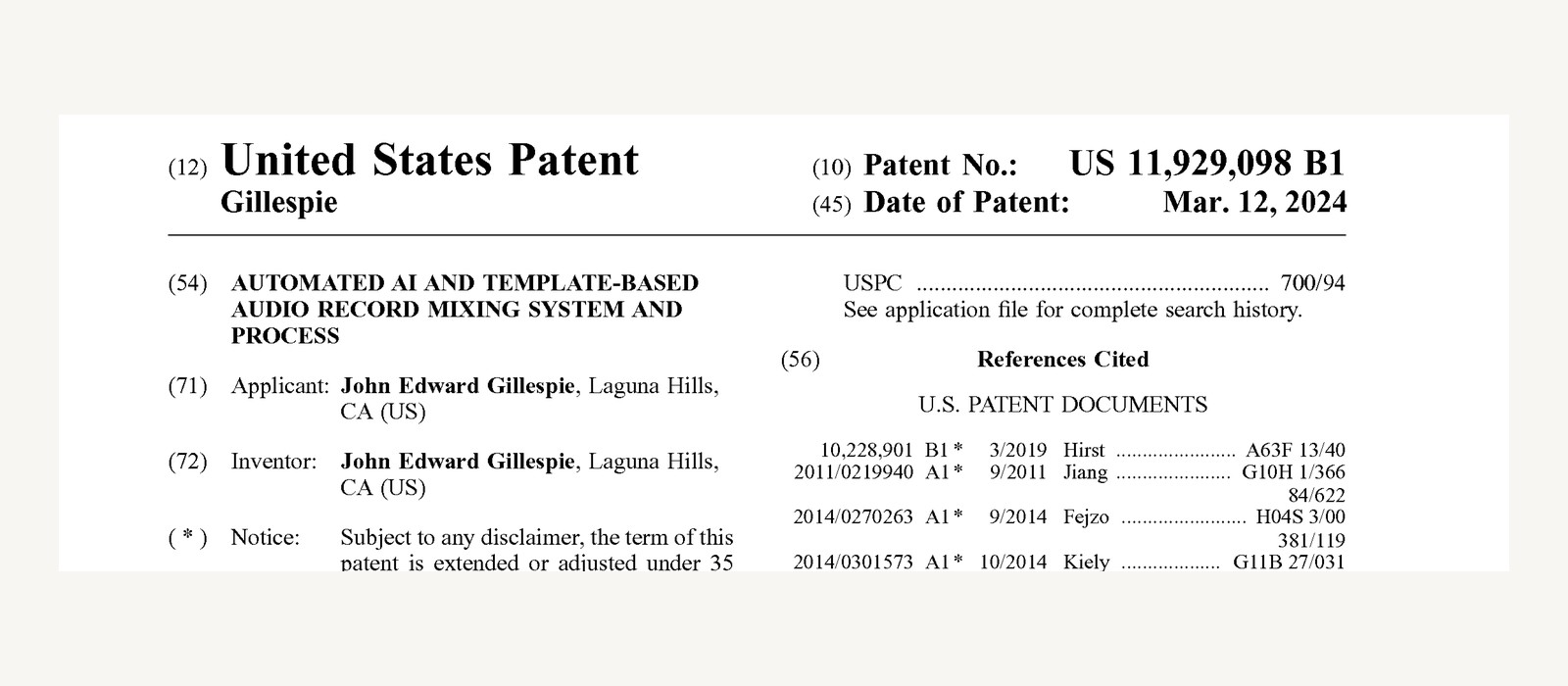
Image-Line’s product chief says prompt tools feed beginners into FL Studio
Image-Line’s product chief argued on the Music Ally podcast that prompt tools feed people into real production. Somebody makes their first song in a chat box, hits the wall of what prompting does, then downloads FL Studio. The ceiling is what creates a producer.
Top Story: AI music gets its first awards show, and the artists do the voting

The people making AI music just booked a stage, a ballot and a press line. If you work in this field, the day to book is November 12, not the 13th.
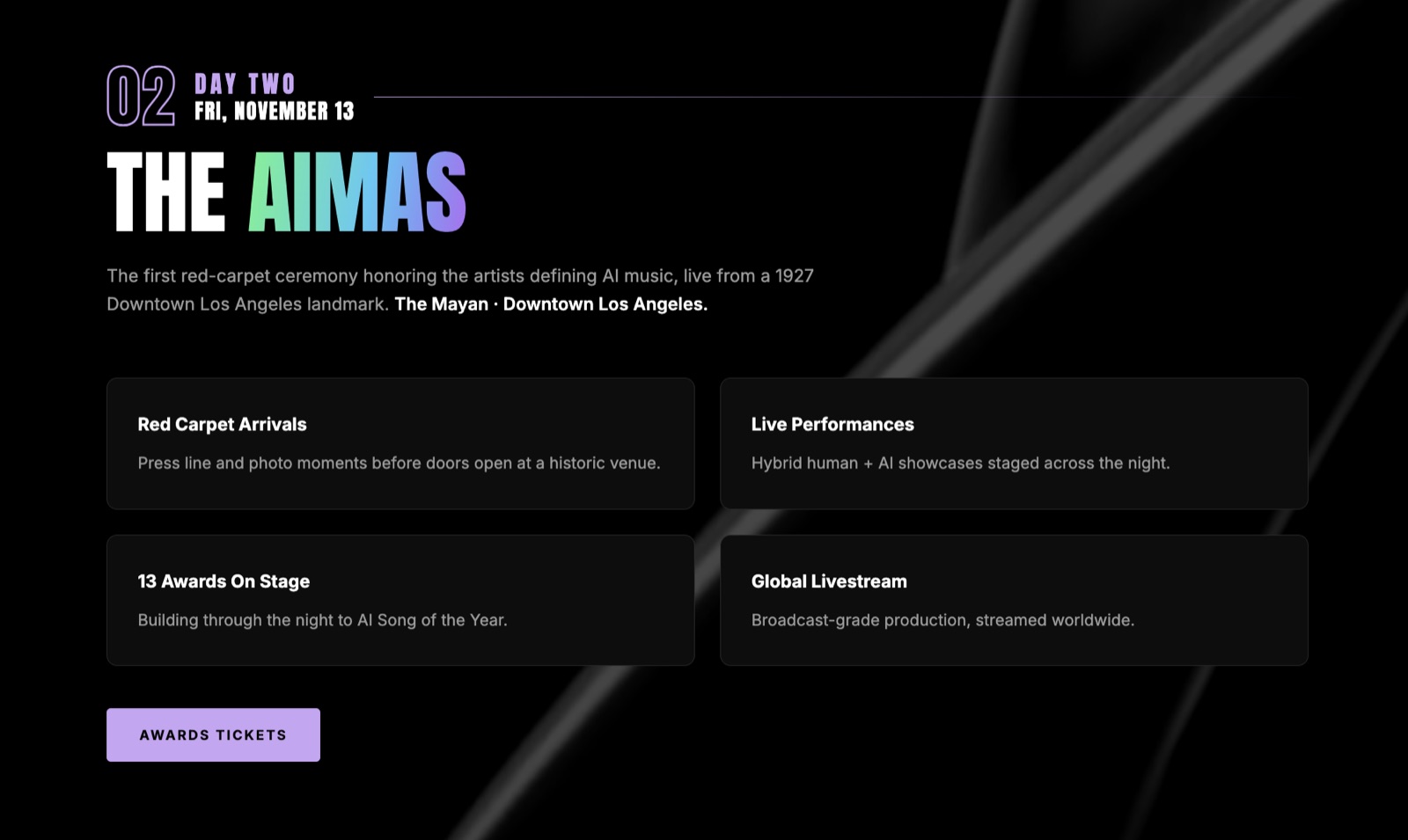
SIQA announced on September 10 that it will host the first AI Music Awards on Friday, November 13 at The Mayan, a 1927 theater in Downtown LA. A summit runs the day before.

Thursday November 12: the room where the work gets talked about
One day, one room, everything on a single track, and limited seats. The programme:
- Panels and keynotes all day, on the industry, the making of AI music and the tools behind it
- Demo lounges, where the platforms behind this year’s biggest AI tracks let you try them hands-on
- A surprise closing fireside chat
- The Premiere Ceremony, where the first trophies get handed out
- A mixer with the nominees and the speakers
One panelist is confirmed: Romel Murphy, CEO of dai+drm, the label behind Xania Monet.
I will also be speaking at the summit and will be at the awards ceremony.
Summit tickets aren’t on sale yet.

Friday November 13: the show at The Mayan
Press line and photo moments before the doors.
25 awards through the night, building to AI Song of the Year.
Between the trophies, SIQA-charted artists perform live with AI visuals, human artists, dancers and a live band. The creators behind Xania Monet, Olivia B Moore, Chaisen Hale and EJ Rogers are directing those performances. If you watch my weekly Top 5 videos, you know all 4 names.
It also carries the first SIQA Visionary Award, and streams worldwide.
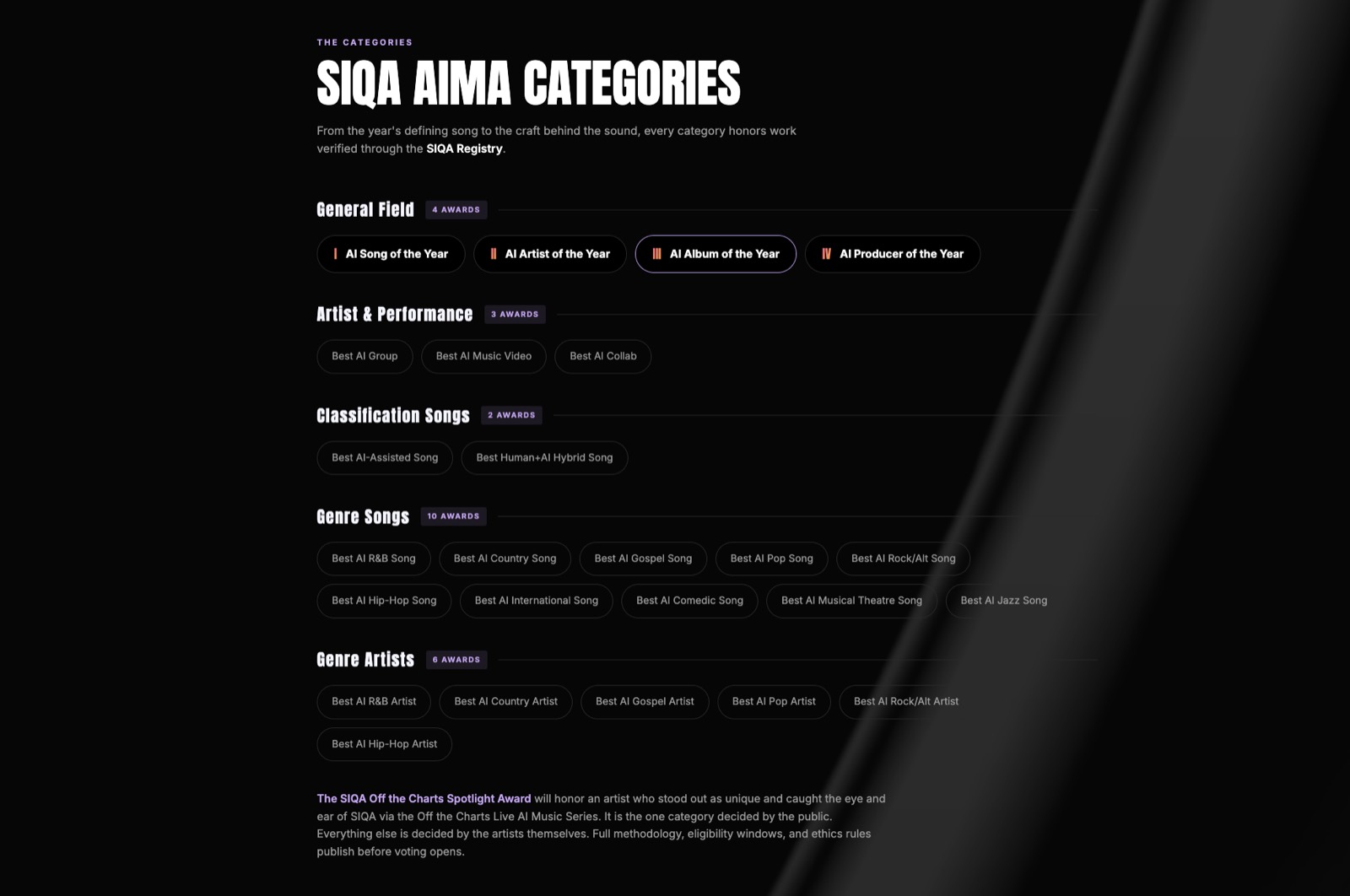
25 categories at the AI Music Awards, and one vote for everybody else
4 General Field awards, 3 for artists and performance, 2 that mirror SIQA’s classification tiers, 10 genre songs and 6 genre artists.
Every category needs the track registered in the SIQA Registry.
That means the artist has to say how AI was used before the song can be nominated.
Verified AI artists decide all 25.
A 26th trophy, the Off the Charts Spotlight Award, is the only one the public votes on.
What a seat at the AI Music Awards costs
$250 covers the ceremony, the red carpet and the performances. The room holds 600 and fewer than 100 seats go on public sale, so most of it is nominees and invited guests. VIP is by request.

I report on the SIQA charts every week and I sit on SIQA’s Creative Advisory Council, so I’ll be at both days.
The AIMS summit in Boston this June had Berklee students protesting outside while executives inside worked out what to do about AI music.
This one is built around the people who make it.
When SIQA handed Xania Monet the first AI artist plaque in June, that was one trophy.
November 13 it will be 25, on a stage, with a livestream.
Hope to see you there.
→ The full breakdown, both days
AI Music Lawsuit Tracker: Suno told a court where it got the songs, then said the labels can’t sue over it
2 cases moved. GEMA v. Suno, RIAA v. Udio, SOCAN v. Suno, Lowery v. Suno, Sony and Warner Chappell v. Anthropic, Round Hill v. Suno and Anthropic, and Concord v. Anthropic all sat still.
RIAA v. Suno: Suno admits the YouTube downloads, then says Universal and Sony can’t sue over them
Suno filed a 26-page answer in Boston on September 1 and admitted it downloaded audio from YouTube to train on, using a free tool called YT-DLP. Then it argued Universal and Sony aren’t the right parties to sue over that download, because the law only lets someone who was harmed by it bring that particular claim. The 2 copyright claims against it are untouched, and both sides stop collecting evidence on September 30.
AFM v. Universal and Warner: the union says the session-pay clause can be read 2 ways
The musicians’ union answered Universal and Warner’s bid to throw its case out on September 8. Its argument is small on purpose: the clause about paying session players for a new use of their recording can be read 2 ways, and the union only has to show its own reading is possible. It even conceded the labels’ reading works too, because a contract that can be read 2 ways is a contract a judge doesn’t get to settle this early.
→ Full case files and timelines
One thing to do this weekend: run one raw Suno export through a free loudness check

Suno doesn’t master. Studio 2.0 ships 7 effects, no limiter and no loudness meter, and the Remaster button regenerates your song instead of making it louder. So a Suno file lands on Spotify quieter than the track before it.
RoEx’s Mix Check Studio reads a raw WAV and hands back a loudness and tonal report, free, no sign-up. Spotify plays back at -14 LUFS. Find out how far under that your export sits, then decide whether you need a €6.99 fix or a €549 plugin.
Do it this weekend. Since September 3, Suno caps downloads at 7 lifetime on Free, 20 a month on Pro and 60 a month on Premier, so export the WAV once and run everything from that copy.
→ My 6 AI mastering tools tested on Suno exports
About The AI Music Briefing
The AI Music Briefing is a weekly Friday read for music industry professionals working at the intersection of AI and the traditional music business. Curated and written by Christopher Wieduwilt, founder of The AI Musicpreneur. Browse every issue of the briefing.
Got a tip, a story, or a partnership idea? Reach out any time. Every message lands directly in my inbox.
— Christopher
About the author
Covering AI music tools, industry shifts, and news for music creators and professionals. Twice-weekly newsletter at aimusicpreneur.com.

