A judge has thrown out RBX's bot-stream lawsuit against Spotify for a second time
My stack My fav 6 tools for AI music after testing 70+
-
 ElevenMusic · Music generation
-
 Moises · Stem separation
-
 Controlla · Voice swap & cloning
-
 Cryo Mix · Mixing + mastering
-
 Neural Frames · Music videos
-
 ONCE · Distribution
Some links are affiliate links — I earn a commission at no cost to you. Every tool here is one I run myself and truly believe in. This stack is proven.
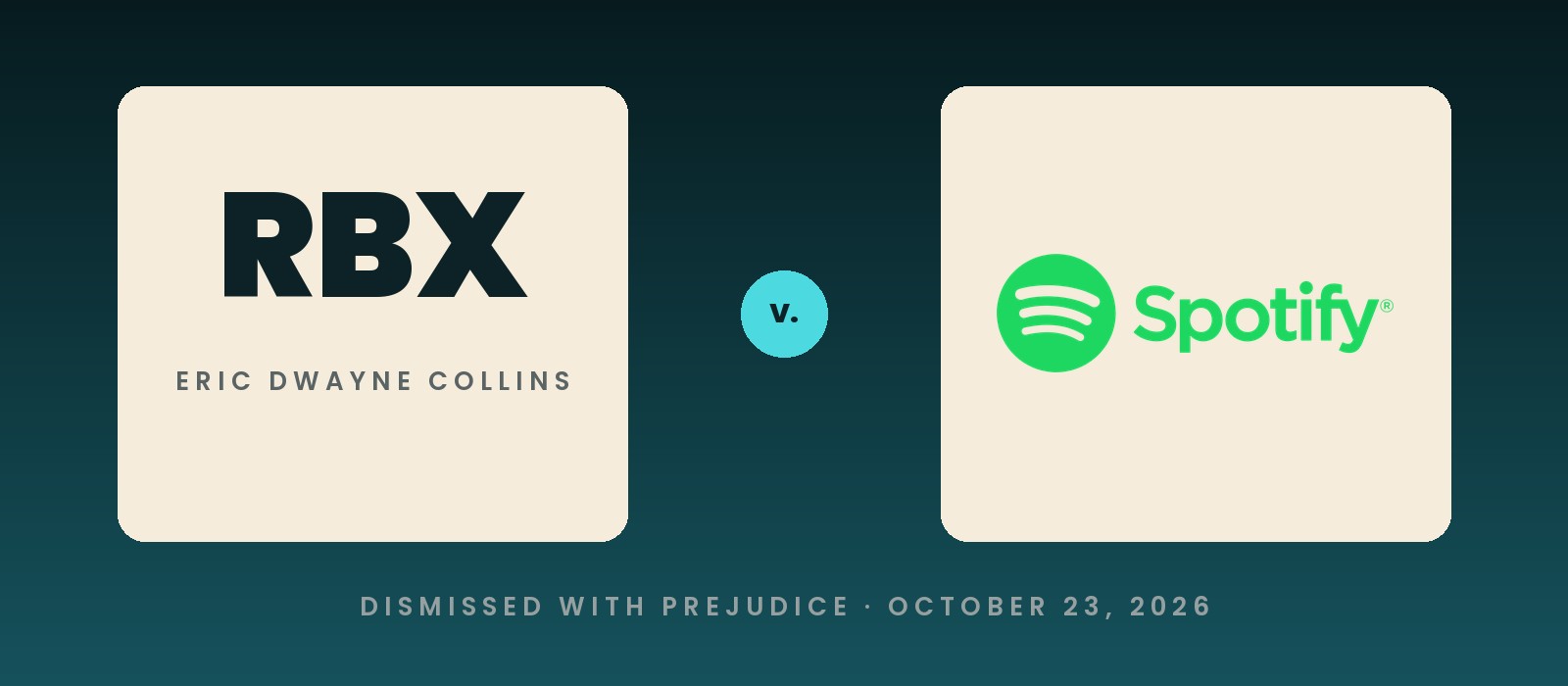
A federal judge in California has thrown out rapper RBX’s bot-stream lawsuit against Spotify for the second time, and this time for good. Judge Josephine L. Staton dismissed the case with prejudice on October 23, 2026, which means RBX can’t refile it.
RBX, whose real name is Eric Dwayne Collins, claimed Spotify looked away while bots inflated Drake’s streams. His original complaint alleged that a “substantial, non-trivial percentage” of Drake’s roughly 37 billion Spotify streams between January 2022 and September 2025 “appeared to be the work of a sprawling network of Bot Accounts.”
Drake was never a defendant, and NBC News noted when the suit was filed that it didn’t allege he did anything criminal. This is also a bot case, not an AI case. The word AI doesn’t appear in the complaint, the amended complaint or either of the judge’s orders.
Why Judge Josephine Staton dismissed RBX’s Spotify lawsuit a second time
RBX brought 2 claims: negligence, and a breach of California’s Unfair Competition Law (UCL). The October 23 order rejects every route he took into both of them.
Negligence needed a duty.
Under California law, a company usually has no duty to protect you from what someone else does, unless it has a “special relationship” with you or with the person causing the harm. The court found neither. RBX’s relationship with Spotify is “primarily a mutually beneficial economic one,” and Spotify isn’t a “governing body” for the people who stream on it.
That streaming activity on Spotify's platform may impact Plaintiff's career and status does not transform Spotify's role into one of a protector.
The UCL claim leaned on Spotify’s own words.
Spotify’s artificial streaming page says it runs “daily cleaning” and that this “is essential to ensure a level playing field.” The judge called the level-playing-field line a statement of “aspirations and goals,” not a promise. The daily-cleaning line was specific enough to test, but RBX had no facts showing Spotify doesn’t do it.
The unfair-practice argument failed too, because the UCL protects consumers and competitors. RBX is neither. He’s a rights holder whose music sits on Spotify.
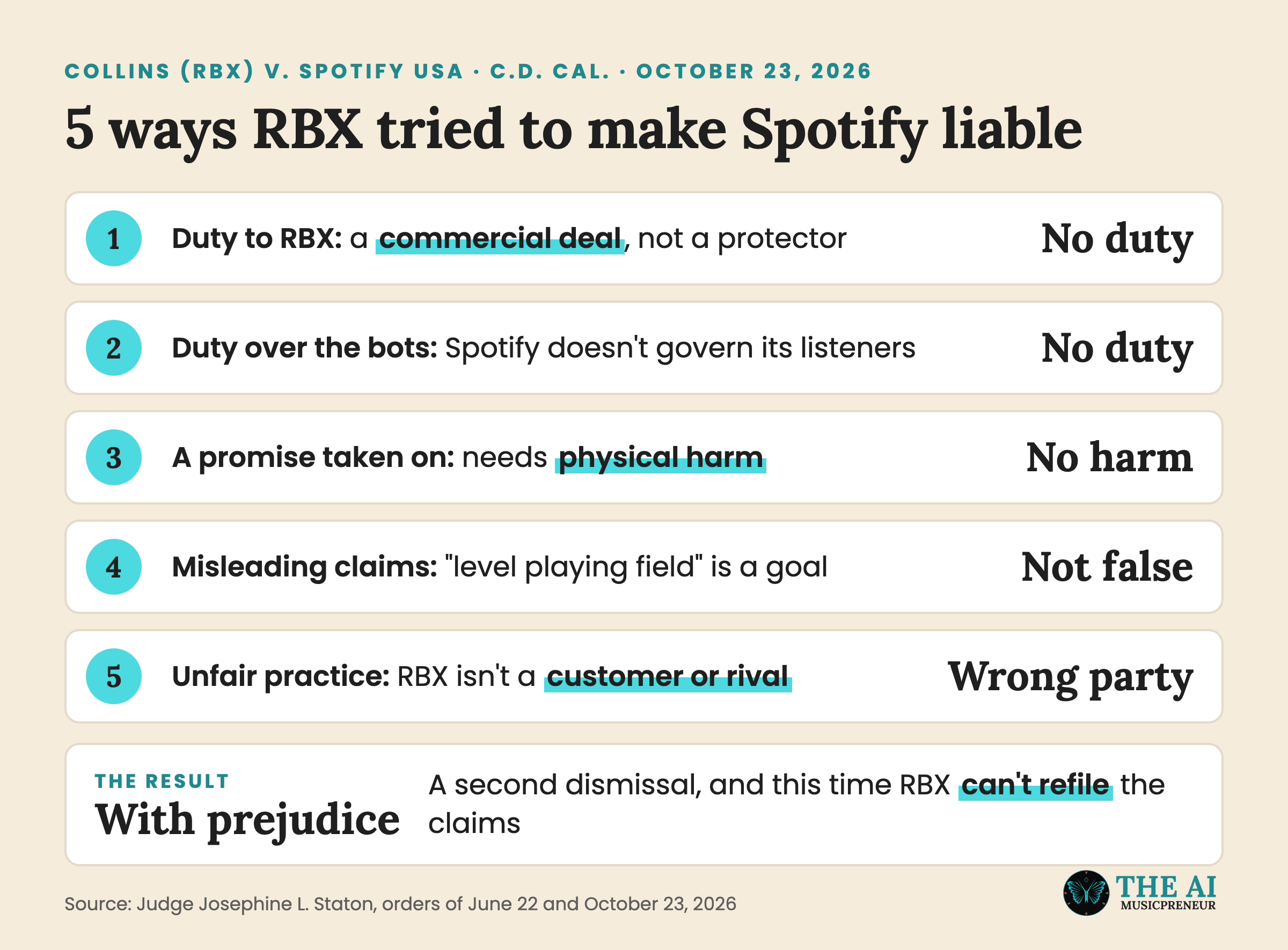
Judge Staton had already thrown out the same claims once, in June, and given RBX 21 days to fix them. The amended complaint added detail, but she ruled that another round “would be futile.”
RBX’s remaining route would be an appeal to the Ninth Circuit Court of Appeals, and as of October 27 I haven’t seen any report of an appeal. Digital Music News reported the dismissal on October 26, and the full filing history is on the CourtListener docket.
Is Spotify responsible for fake streams?
Under this ruling, Spotify isn’t legally responsible to RBX for fake streams. Judge Staton found it owed him no duty to protect his share of the royalty pool from third-party bots. It’s one district court’s decision, so it doesn’t bind other courts.
What Spotify does about fake streams is set by its own policies, and these are the main ones:
- A 1,000-stream floor: since April 1, 2024, a track needs at least 1,000 streams in 12 months to earn recorded royalties, which Spotify said would stop uploaders earning “pennies from an extremely high volume of tracks” in its royalty changes.
- Per-track charges: labels and distributors pay a fee per track when Spotify detects “flagrant” artificial streaming on their releases.
- Withheld royalties: confirmed cases can lose their royalties, have public stream counts corrected and get pulled from playlists.
When RBX sued, a Spotify spokesperson told NBC News the company “in no way benefits from the industry-wide challenge of artificial streaming.” The statement pointed to a case where “one bad actor” was indicted for stealing $10 million from streaming services, only $60,000 of it from Spotify. That matches what Spotify has said about Michael Smith.
Here’s why any of this touches your royalties, even if you’ve never been near a bot:
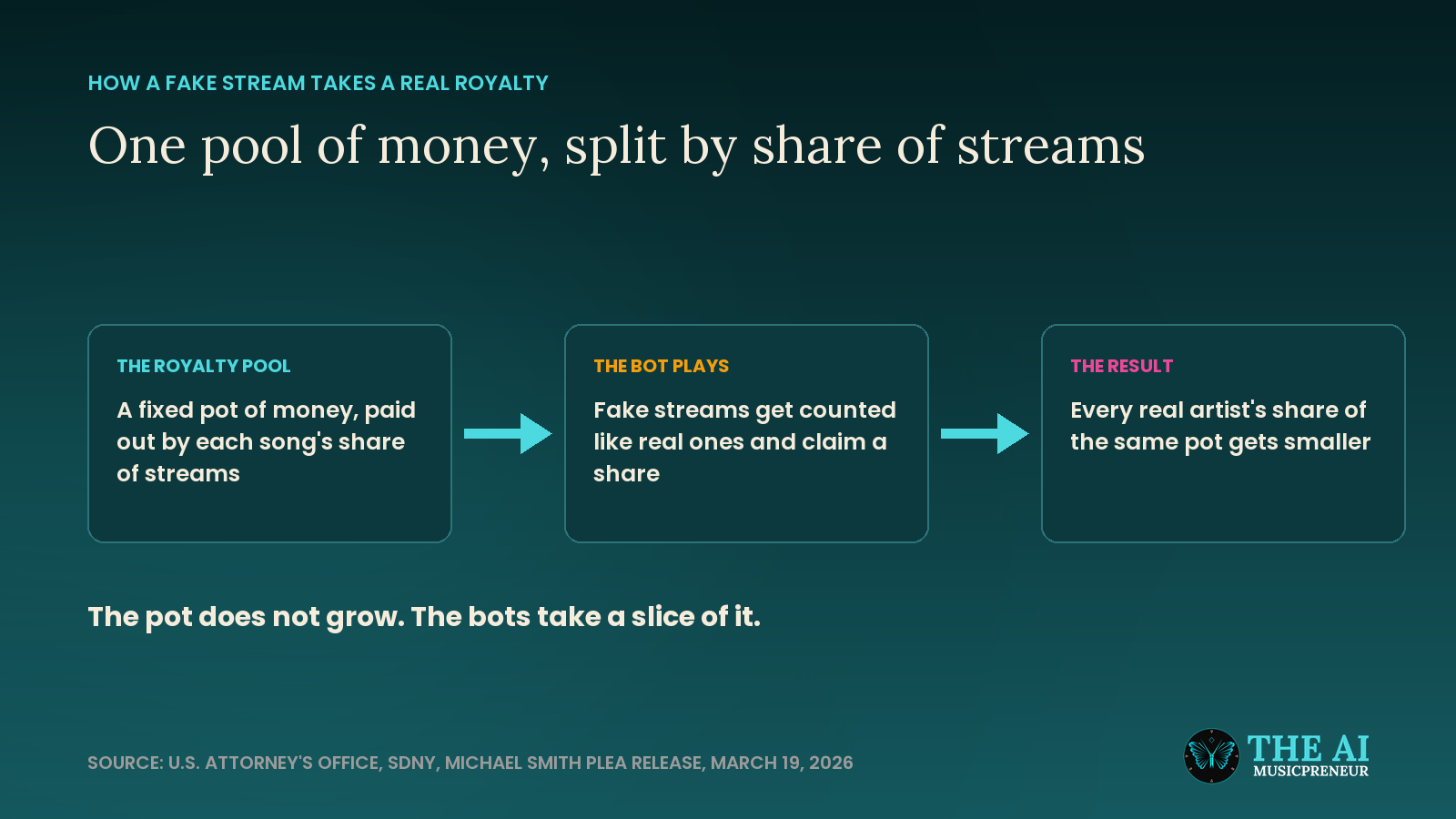
How bot streams and AI spam farms drain the same Spotify royalty pool
Spotify pays rights holders from one pot, split by each track’s share of total streams.
A bot farm takes its slice by faking plays. An AI spam farm takes it by uploading generated tracks by the thousand and collecting a little on each. Different method, same pot.
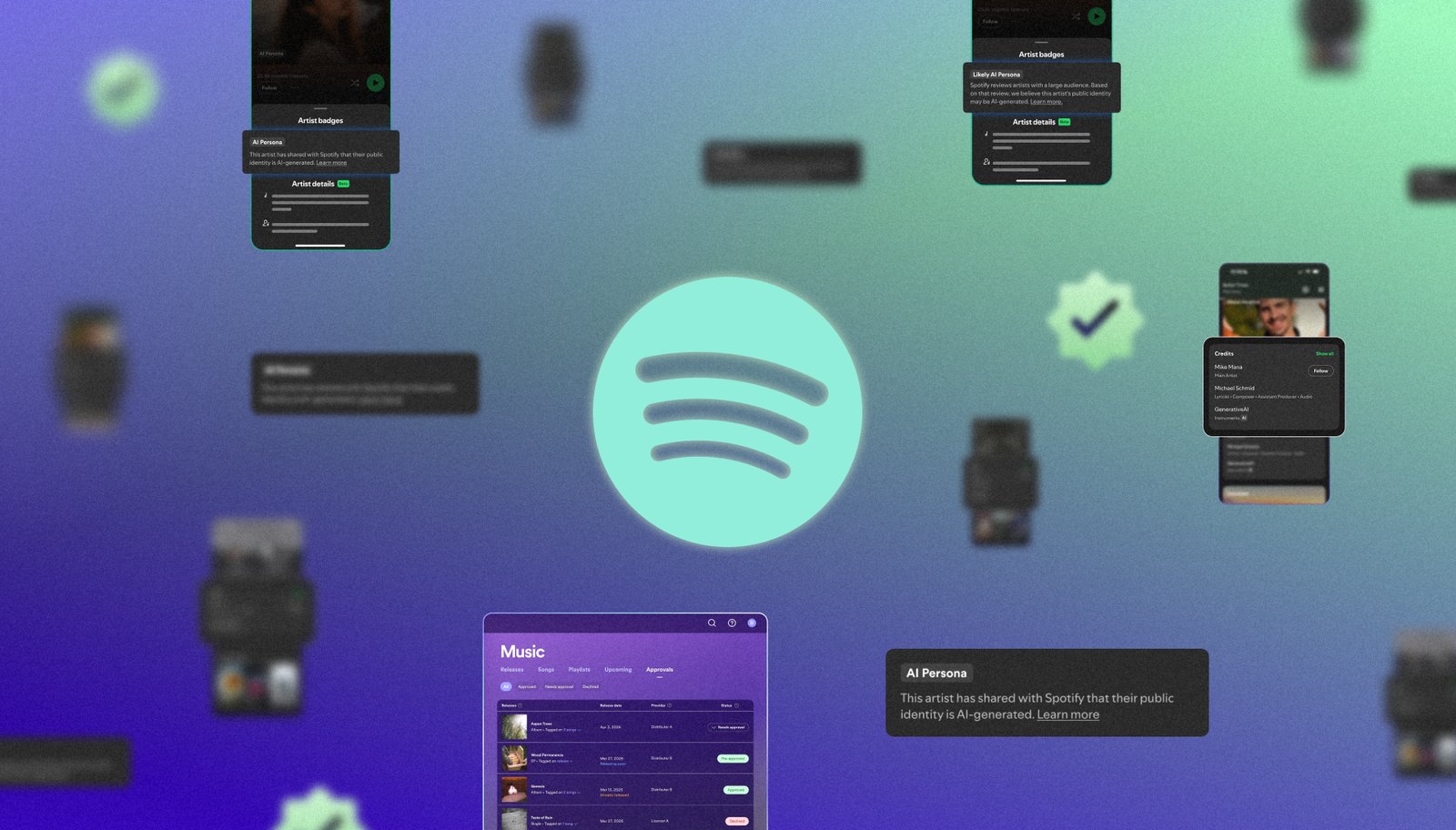
Spotify fights both with some of the same tools. In its October 20 update, Spotify called the 1,000-stream threshold its “first line of defense” against AI-generated content, and said tracks it rates as likely AI are 10 times more likely to fall below it. I broke those numbers down in Spotify’s 50 million hidden tracks.
Michael Smith ran both at once. He pleaded guilty to using AI-generated songs and 1,040 bot accounts to collect royalties for 7 years, and got 18 months in prison on October 6.
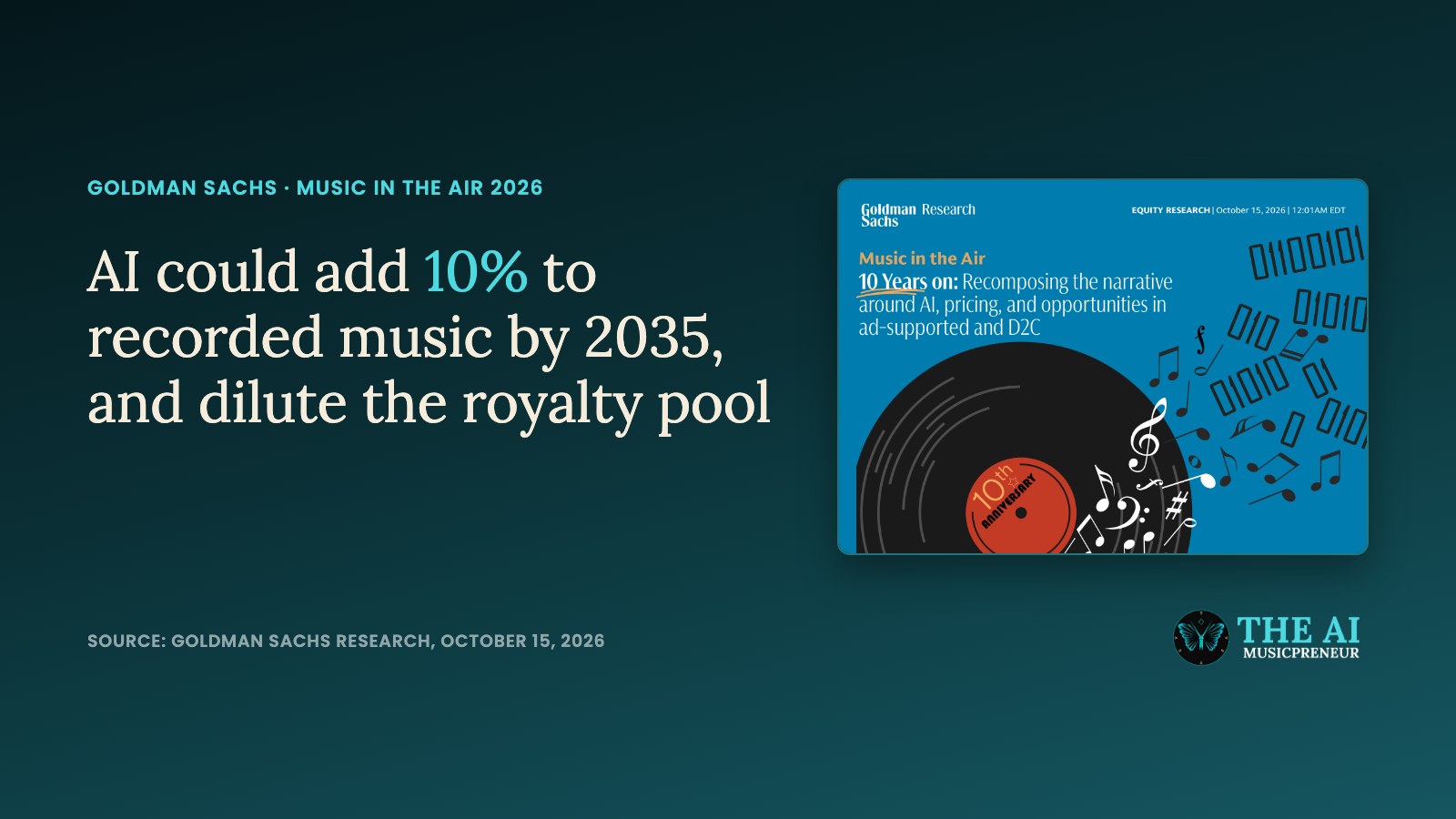
The duty question isn’t closed everywhere, either. The US Copyright Office’s streaming fraud inquiry takes public comments until November 23, 2026, and its questions cover AI too.
Frequently asked questions
Who is RBX, the rapper who sued Spotify over bot streams?
RBX is the stage name of Eric Dwayne Collins, a West Coast rapper who performed for Death Row Records and Aftermath Entertainment alongside artists including Snoop Dogg and Dr. Dre. He filed a putative class action against Spotify on November 2, 2025.
Was Drake a defendant in RBX's lawsuit against Spotify?
No. Drake was never a party to the case. RBX's complaint used Drake's Spotify streams as its main example of alleged bot activity, and NBC News noted at filing that the suit did not allege Drake did anything criminal. Spotify USA, Inc. was the only defendant left after Spotify AB and Spotify Technology were dropped in February 2026.
Can RBX appeal the dismissal of his lawsuit against Spotify?
A dismissal with prejudice means RBX can't refile the same claims in that court, but he could ask the Ninth Circuit Court of Appeals to review it once judgment is entered. The October 23, 2026 order told Spotify to submit a proposed judgment within 5 days. No appeal had been reported as of October 27, 2026.
How much money did RBX's lawsuit say bot streams diverted from rights holders on Spotify?
RBX's November 2025 complaint estimated that rights holders lost hundreds of millions of dollars in streaming revenue to the alleged bot boosting of Drake's music. It did not name an exact figure, and the court never reached the question of damages.
About the author

Covering AI music tools, industry shifts, and news for music creators and professionals. Twice-weekly newsletter at aimusicpreneur.com.