Munich Music Labs wants startups and investors to help build its music tech venture lab in the ecosystem of TUM, the EU's top-ranked university
My stack My fav 6 tools for AI music after testing 70+
-
 ElevenMusic · Music generation
-
 Moises · Stem separation
-
 Controlla · Voice swap & cloning
-
 Cryo Mix · Mixing + mastering
-
 Neural Frames · Music videos
-
 ONCE · Distribution
Some links are affiliate links — I earn a commission at no cost to you. Every tool here is one I run myself and truly believe in. This stack is proven.
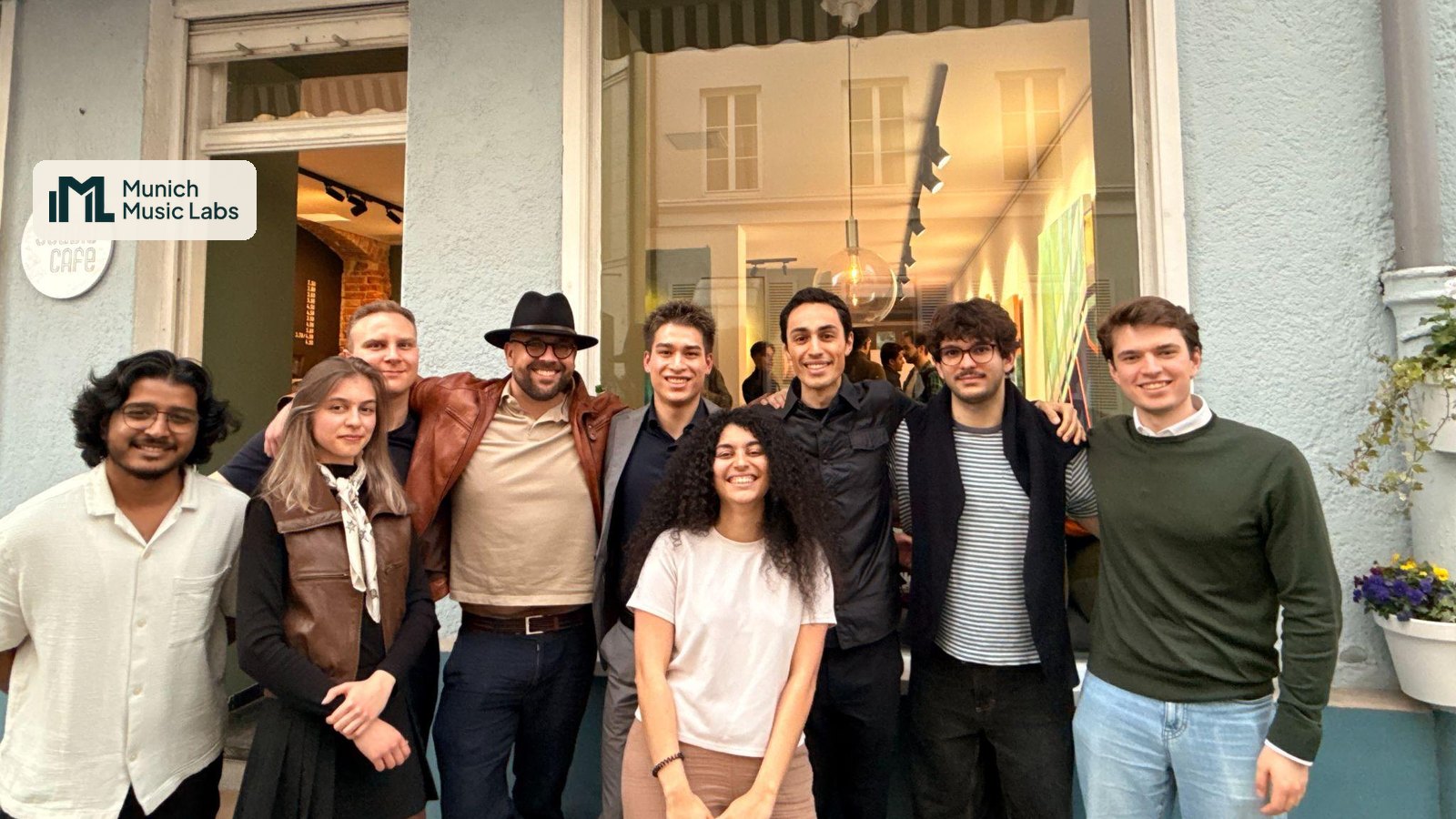
For 48 hours in June, musicians, engineers, DJs and researchers filled the Audimax at the Technical University of Munich (TUM). Teams worked on a model that generates singing voices, music that adapts as a car drives, a recommender that explains its picks and a lyric video generator.
The student initiative behind it, Munich Music Labs, now wants to build a music tech venture lab in TUM’s ecosystem. Founded in 2025, it says its close ties to TUM give it the potential to become Europe’s leading venture lab in this field.
What is Munich Music Labs, the student initiative at TUM planning a music tech venture lab?
Munich Music Labs (MML) is a student initiative at TUM and a registered nonprofit, accredited at the university. TUM’s own event listing calls it the first music technology student initiative at TUM.
MML isn’t part of the university itself. It runs independently, but it’s part of TUM’s ecosystem and works closely with the university.
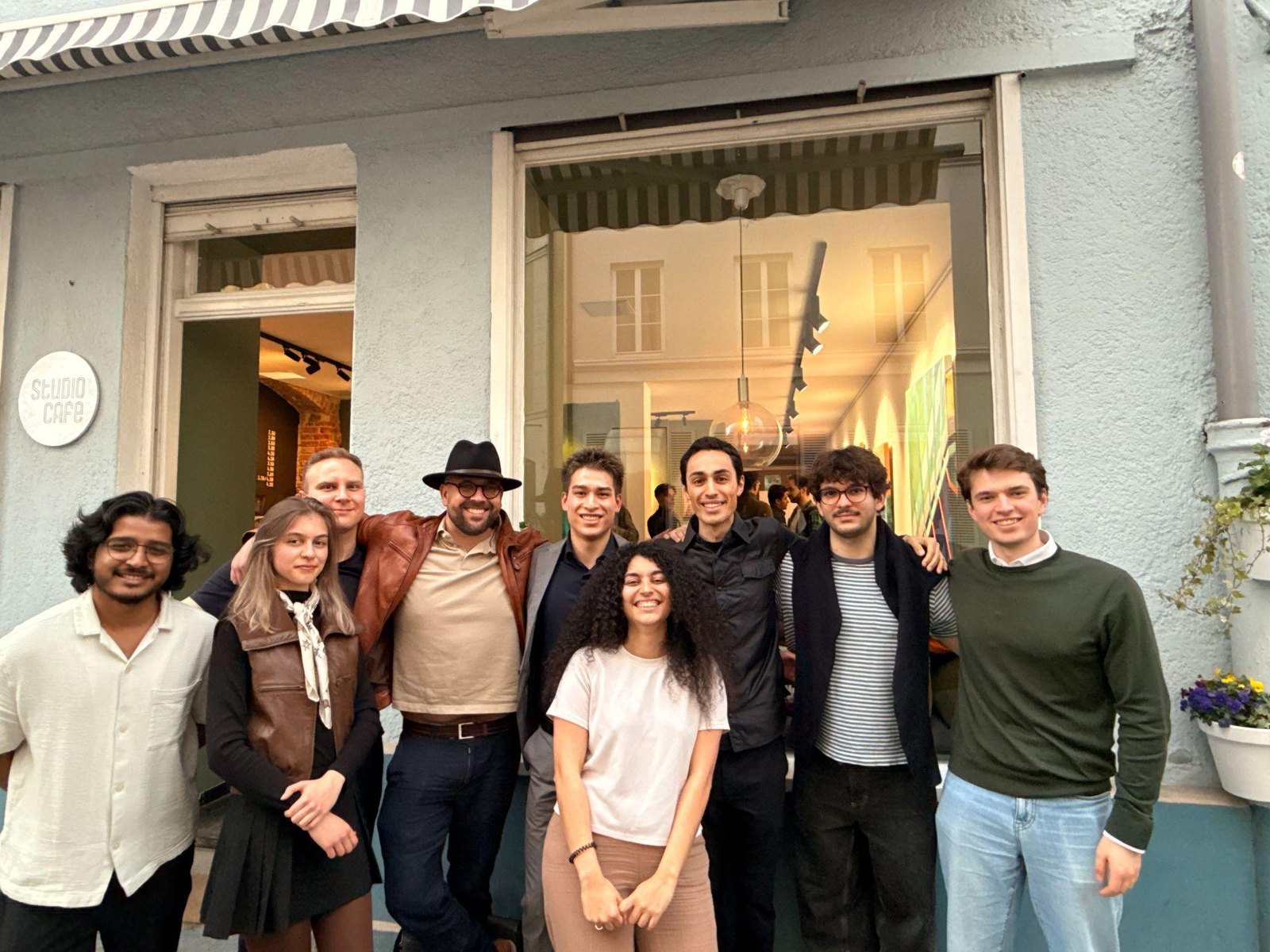
Its 60+ global members study music, engineering, science and business at top-ranked universities like TUM, Stanford, NYU, UC Berkeley, UPF Barcelona or Queen Mary University of London, bringing exceptional talent into one room.
Here’s what MML runs today:
- Knowledge Sharing Sessions every Thursday at 19:00, in person and online, with 17 so far.
- Research with BMAT Music Innovators on a model that groups versions of the same song (radio edits, language versions, live recordings), and with Klangio on assigning an instrument to each note in a transcription.
- Internal research on audio watermarking, music recommendation, melody harmonization and generative AI. The watermarking project led to a paper submitted to ISMIR 2026, the main music information retrieval conference, and published on arXiv. MML also took part in the ICME 2026 ATTM challenge.
- Panels like “Tune the Future of Music” on 16 April 2026, with Matthias Röder, Sebastian Murgul and Taylor Peer in front of 60 people, and Music Business Unplugged on 20 October 2026, a conversation with Willy Ehmann, who spent 16 years at Sony Music, most recently as Senior Vice President Music Domestic for Germany, Austria and Switzerland.
- A partner network of 8: the TUM Professorship of Audio Information Processing, BEAT SHAPER, Audiotool, ElevenLabs, Wavelab, Klangio, Neural Frames and Cyanite.
MML’s research page puts it in one line: “Sound is a hard problem. Good.” The projects cover signal processing, hardware, transcription and source separation as well as generative AI.
The venture lab builds on all of this. MML wants to connect with music-tech startups, learn the challenges they face, and build the program around those answers. It’s also planning a free community music studio in Munich for its members, with an opening targeted for Q4 2027.
So why build it in TUM’s ecosystem?
Why the Technical University of Munich’s ecosystem is a strong base for a music tech venture lab
If you don’t know TUM, here’s the short version: it’s the top-ranked university in the European Union, according to both QS and Times Higher Education. King Ludwig II of Bavaria founded it in 1868, and today it specialises in engineering, technology, medicine and the natural sciences.
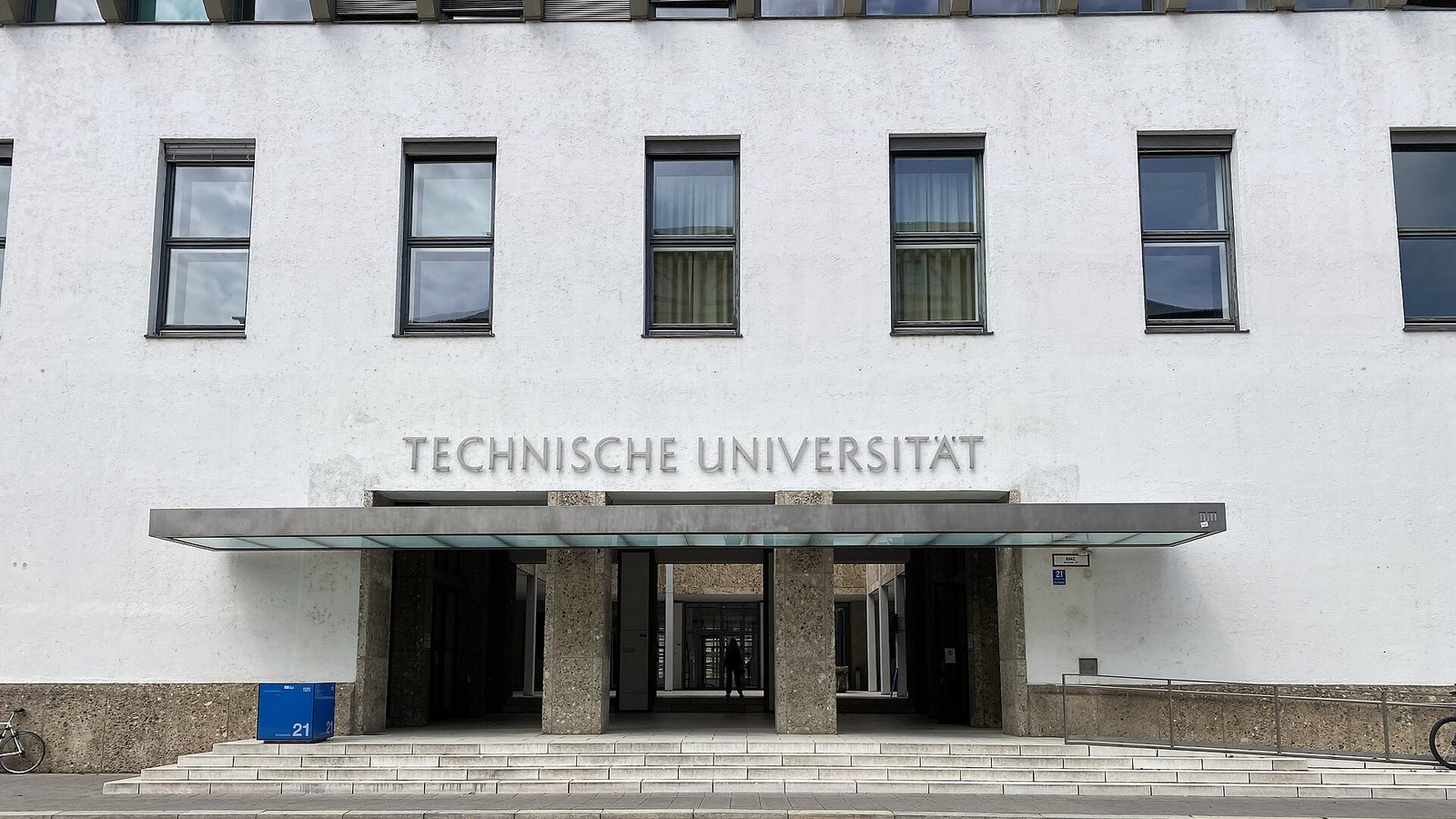
According to TUM’s own figures, the numbers behind that reputation look like this:
- 51,954 students in the 2025/26 winter semester, 45% of them international, from around 140 countries.
- 25th worldwide in the Times Higher Education World University Rankings 2027 as well, again first in the EU.
- 13th worldwide and 5th in Europe in the Global University Employability Ranking 2026.
- 20 Nobel Prizes for TUM researchers and alumni since 1927.
TUM’s motto is “The Entrepreneurial University,” and the numbers back it up: 115 startups in 2025, and 24 unicorns founded by TUM researchers and alumni. Its startup programs include TUM Venture Labs, a joint initiative with UnternehmerTUM that runs venture labs for fields like healthcare, quantum, mobility and software and AI. None of them focuses on music yet. MML wants to cover that gap with its own independent venture lab.
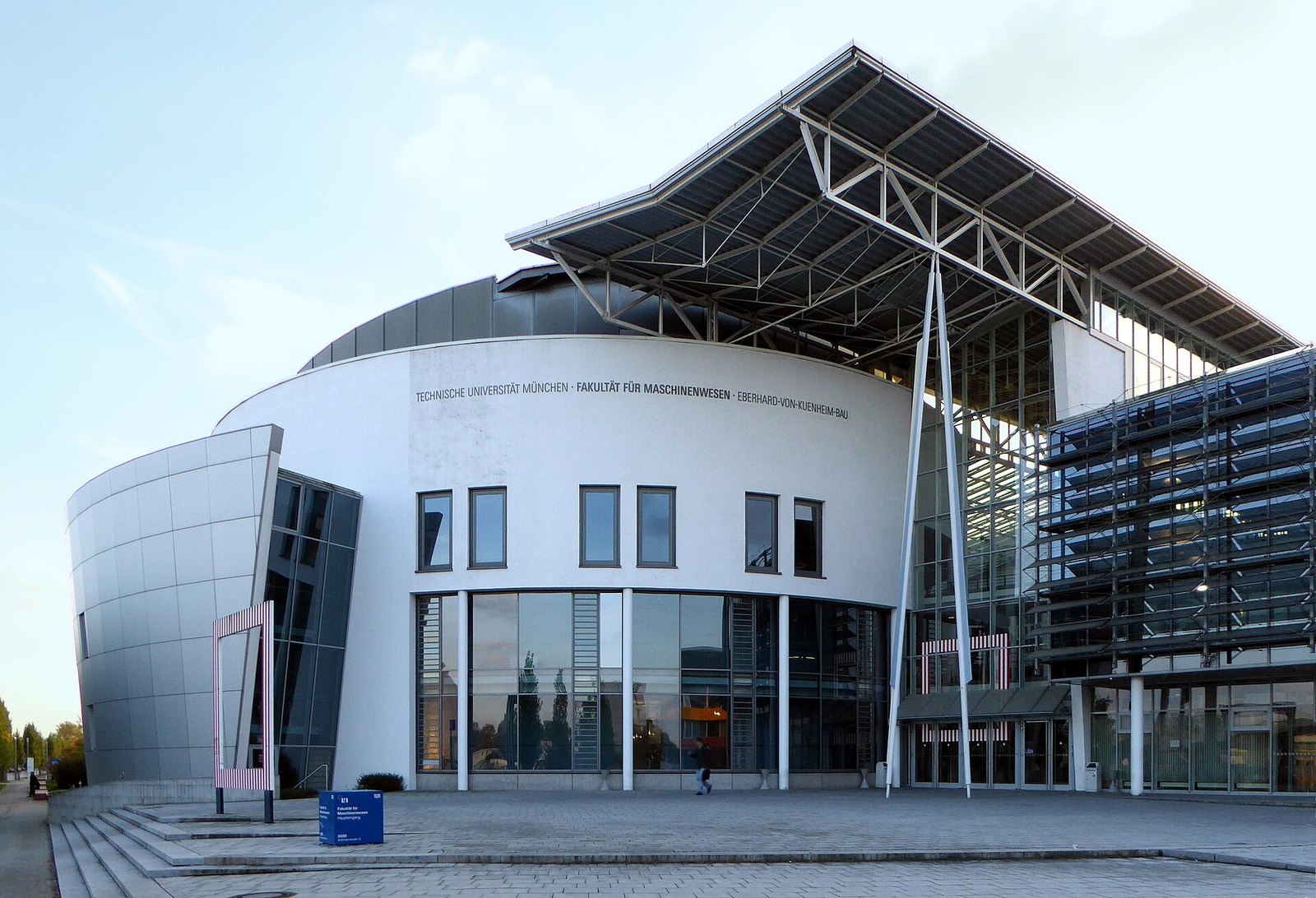
MML doesn’t plan to do this alone. It already partners with Wavelab, the innovation lab of the University of Music and Performing Arts Munich (HMTM), which co-organised Hackatune. MML sees itself as a connector between TUM and HMTM, Munich’s engineering side and its music side, and wants to run programs together with Wavelab for startups at different stages of maturity.
For startups, partners and investors, that adds up to engineers who understand audio, researchers working on real music problems, and TUM’s startup programs around both. And the money is moving early: UK music-tech seed investment grew from £8.4m in 2020 to £22.1m in 2025. Seed is where a team that starts at a university raises its first money.
I’ve argued before that the hardest part of music tech is the audio itself, because the ear is the moat. TUM trains exactly the people who build that layer.
Hackatune was the first big test of what they can do with it.
Hackatune 2026: 20 teams, 48 hours and 4 music tech challenges at TUM
Hackatune 2026 ran from 26 to 28 June 2026 in the Audimax on TUM’s main campus. MML organised it together with Wavelab and the AI Song Contest, with one goal: bring musicians and engineers into the same room, with music at the center.
20 teams, 60 builders and more than 100 participants took part, from engineers and researchers to musicians, DJs and producers. They worked across 3 tracks, Beat Lab, Synth Lab and Product Lab, on 4 challenges set by sponsors:
| Track | Challenge partner | The brief |
|---|---|---|
| Beat Lab | Impulse Audio Lab | Drivable Music: concepts and tracks that adapt to vehicle states |
| Product Lab | Cyanite | An explainable music recommender grounded in how tracks sound |
| Synth Lab | Klangio | Training a synthetic vocal generation model |
| Synth Lab | Neural Frames | A lyric video generator |
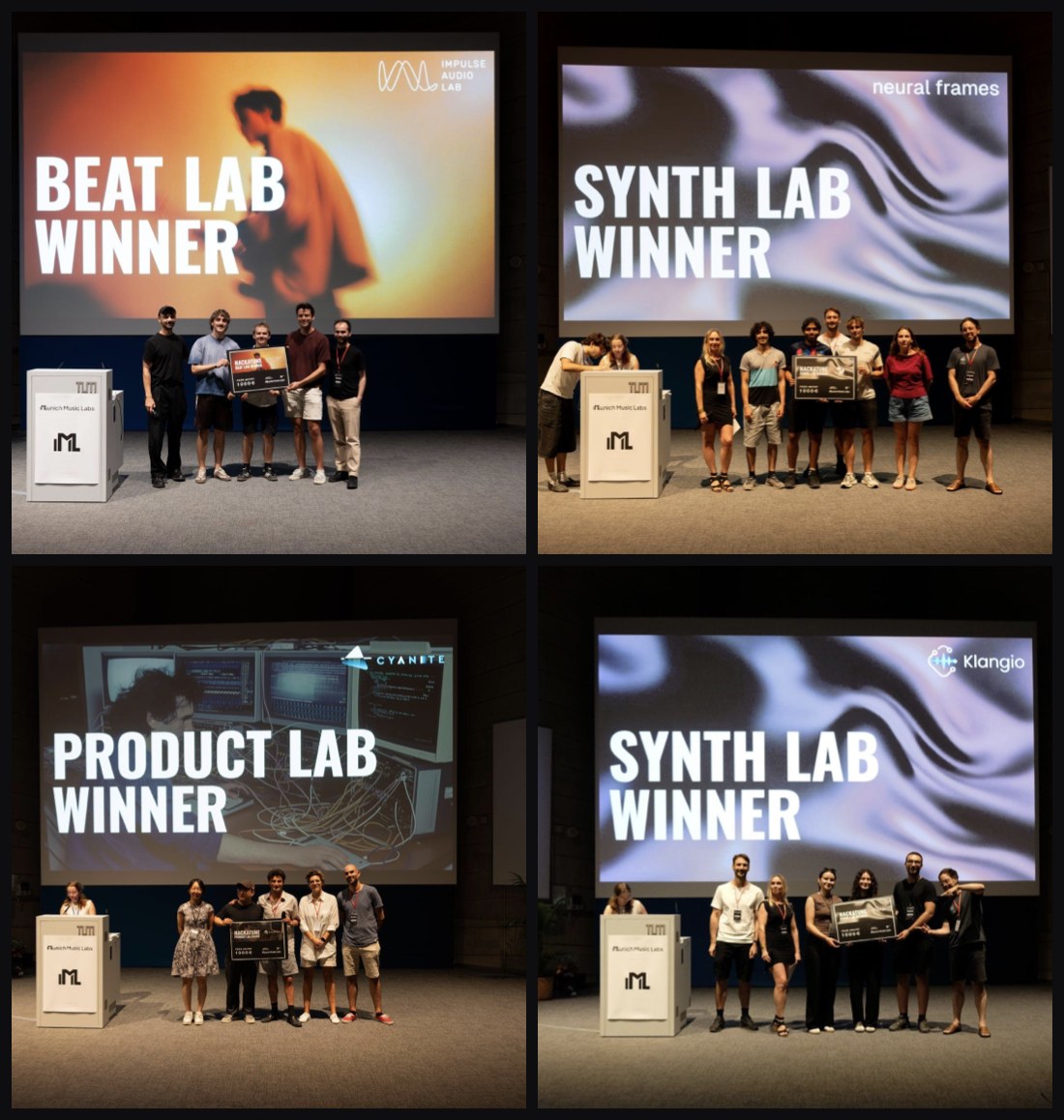
Each of the 4 winning teams took home EUR 1,000, a EUR 4,000 prize pool in total.
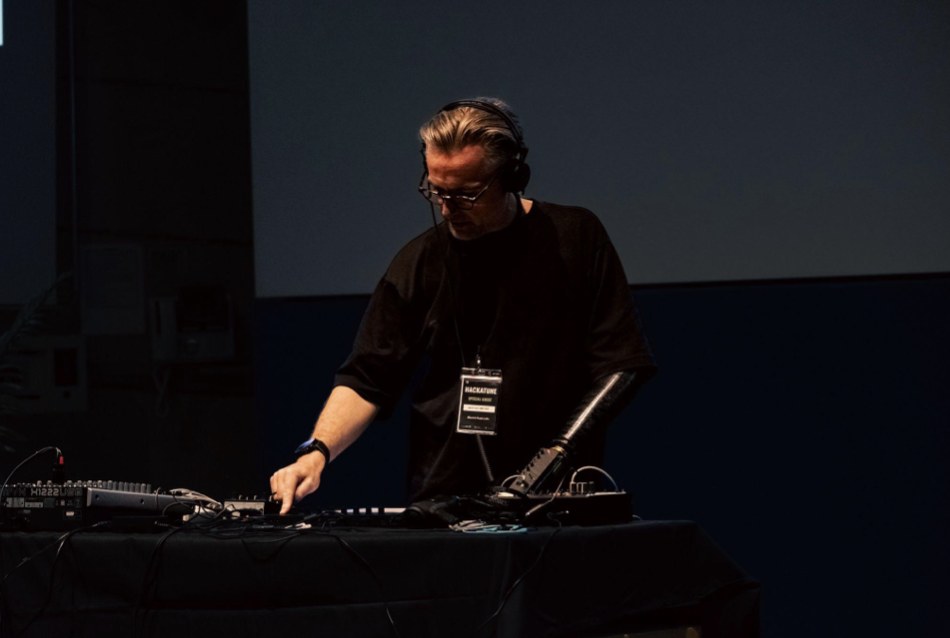
Next to the hacking, the program ran talks, workshops and live performances. Prof. Bertolt Meyer performed with a modified prosthesis connected to a synthesizer, his Syn-Limb, which turns the muscle signals from his arm into control signals for a modular synth.
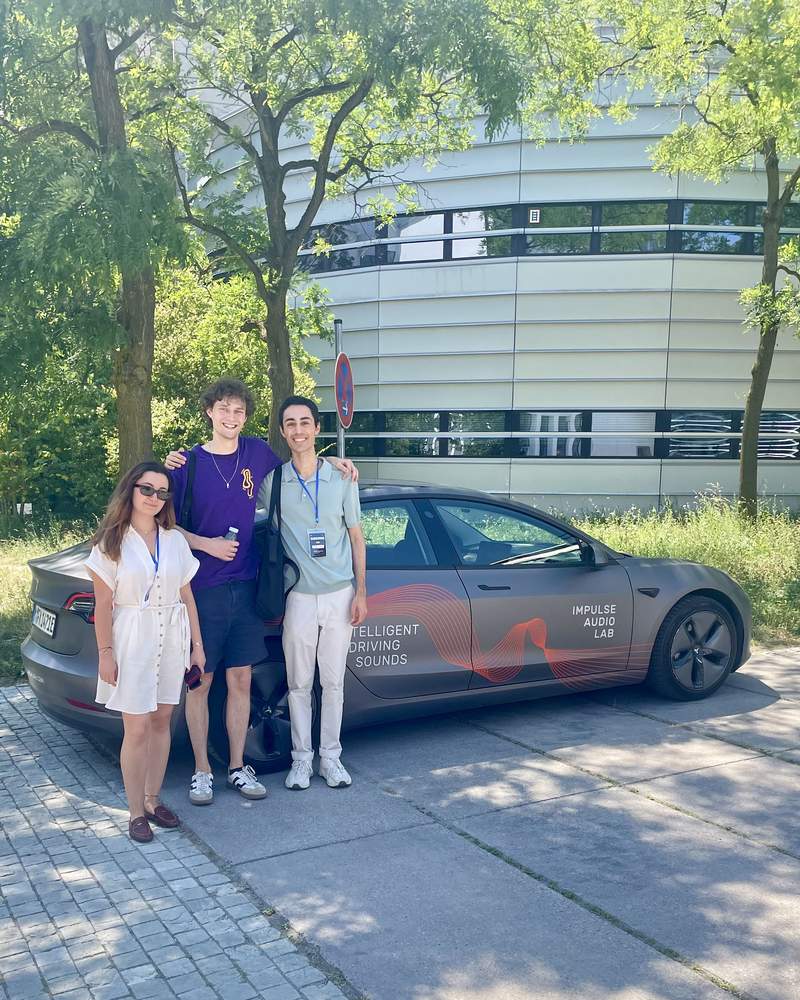
Maksim Khrychev, formerly with Impulse Audio Lab, ran a Drivable Music workshop with real test drives, where participants heard the audio change in real time with the car.
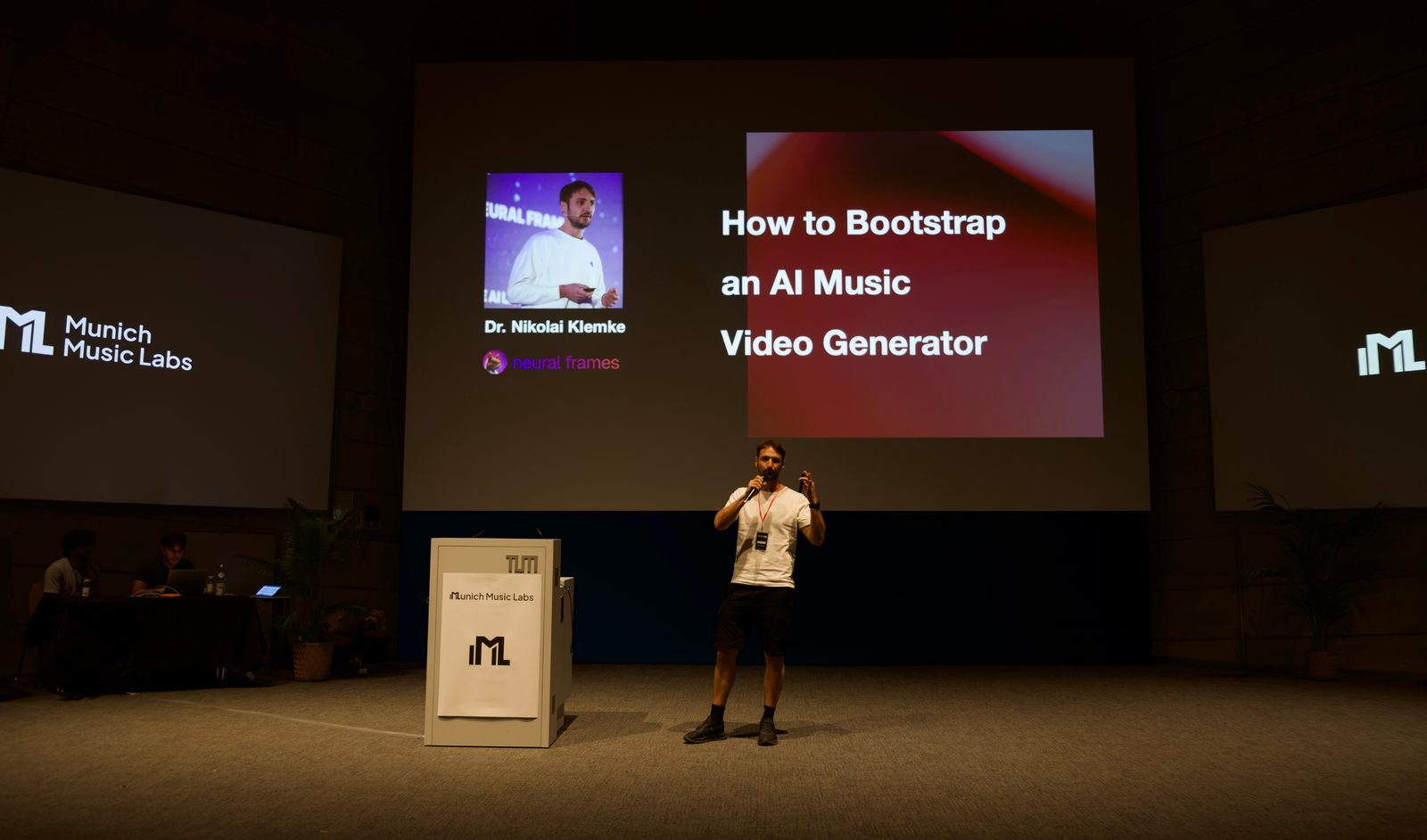
Nicolai Klemke, founder of Neural Frames, explained how to bootstrap an AI music video generator, and Matthias Röder spoke on why creativity matters.
On Demo Day, a 10-person jury judged the final projects, with Klemke and Khrychev among them.
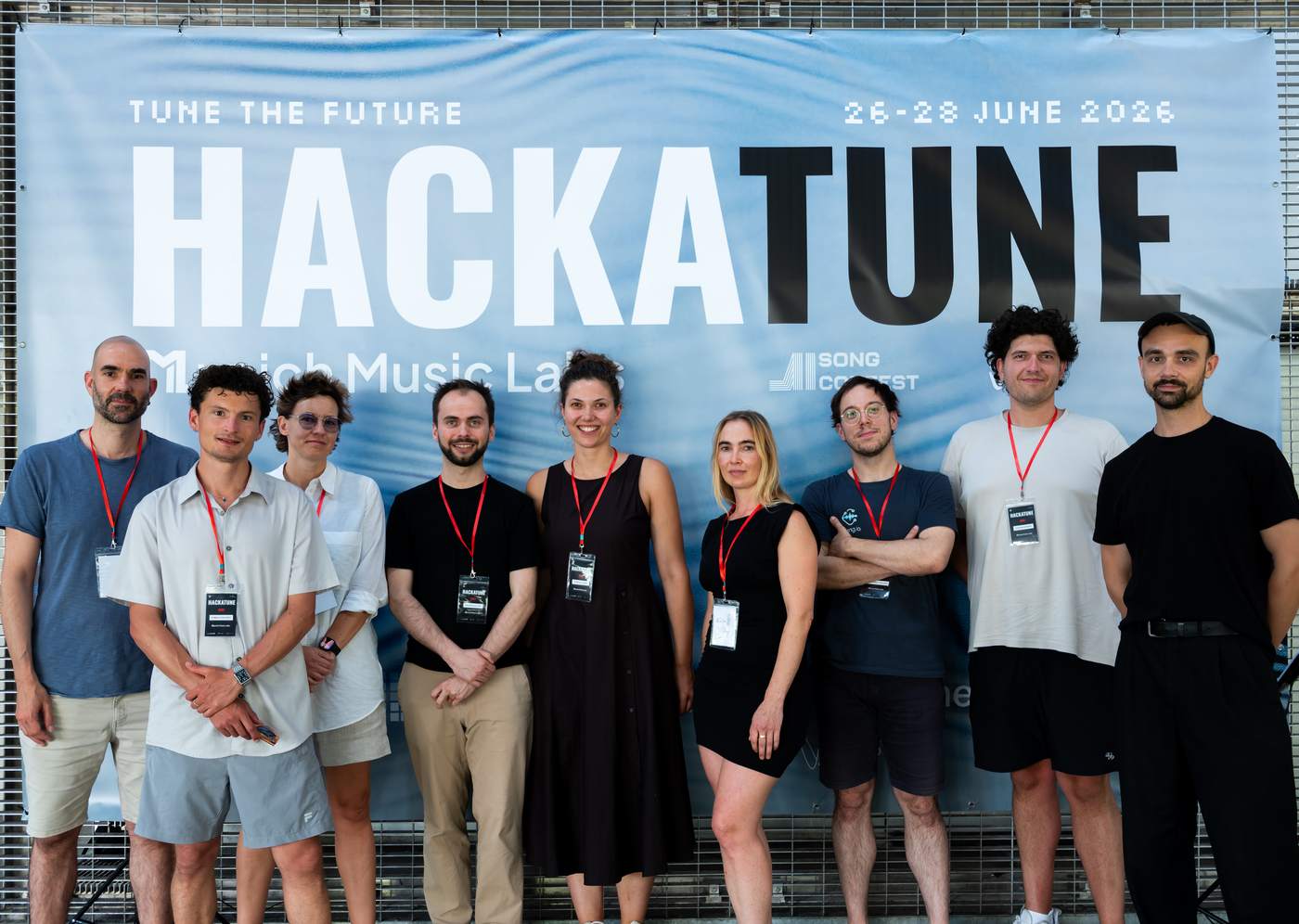
Alongside the judging, the Music Tech Startup Fair brought 7 companies into the room: connactz, CORPUS, Impulse Audio Lab, Klangio, LALAL.AI, Neural Frames and Wavelab. The Side Challenge winners went on to present at Festival der Zukunft in the Deutsches Museum in early July.
What makes Hackatune incredibly special is the combination of pure human creativity and exploratory approaches to technology.
Lüngen said it in Klangio’s sponsorship announcement, the day before the hackathon started.
How music tech startups, investors and partners can work with Munich Music Labs
MML is designing its venture lab now, and it wants the people the lab is built for to help shape it.
Music tech startups. Tell MML what you’re up against. MML uses those answers to design the venture-lab program. In return, you get stage time: a Knowledge Sharing Session, a challenge at the next hackathon, a seat on a panel or a table at the Music Tech Startup Fair.
You also get access to talent. MML connects startups with students, engineers, researchers and musicians, and with joint research projects like the ones it already runs with BMAT and Klangio.
Investors and partners. MML is looking for investors and partners to support the build-out of the venture-lab program. It also wants to meet investors interested in future funding opportunities for the music-tech startups in its network.
New members. MML recruits new members at the start of every semester through its member sign-up. Anyone can apply, from anywhere in the world, and you don’t need to be a student.
Startups, investors, sponsors and partners can reach MML at partnerships@munichmusiclabs.com.
Frequently asked questions
What is a music tech venture lab?
A music tech venture lab is a program that turns early ideas, research projects and student teams into music technology startups. It brings together talent, mentoring, industry partners and access to investors in one place. Munich Music Labs plans to build one in the ecosystem of the Technical University of Munich, shaped by what music-tech startups tell it they need.
Is Munich Music Labs part of the Technical University of Munich?
No. Munich Music Labs is an independent student initiative accredited at TUM and a registered nonprofit (e.V.). The accreditation comes from the Student Parliament, not from the university itself. MML works closely with TUM as part of its ecosystem, and TUM's own event listing calls it the first music technology student initiative at TUM. Its 60+ global members study at top-ranked universities like TUM, Stanford, NYU, UC Berkeley, UPF Barcelona or Queen Mary University of London.
Who sponsored Munich Music Labs' Hackatune 2026?
Algoriddim, Klangio and Neural Frames were the Platinum sponsors of Hackatune 2026, with Cyanite and Impulse Audio Lab as Gold sponsors. Christopher Wieduwilt of The AI Musicpreneur was the Silver sponsor. 1E9, which organises Festival der Zukunft with the Deutsches Museum, joined as an ecosystem partner.
Which music tech accelerators run in Europe in 2026?
Music WorX in Hamburg runs a 3-month program for early-stage music tech teams with EUR 3,200 in project funding plus a EUR 1,500 monthly living grant and no equity taken. Abbey Road REDD in London and the IMS Accelerator in Ibiza also support young music tech startups, and Wavelab in Munich runs a six-month incubator for music, arts and media founders. Munich Music Labs, a student initiative at the Technical University of Munich, plans to add a music tech venture lab.
Why should music tech startups join the Munich Music Labs network?
Startups in the Munich Music Labs network help shape its music tech venture lab. MML asks them what they're up against and builds the program around those answers. In return, they get stage time at MML events, such as a Knowledge Sharing Session, a Hackatune challenge, a panel seat or a table at the Music Tech Startup Fair. They also get access to its 60+ global members, who study at top-ranked universities like TUM, Stanford, NYU, UC Berkeley, UPF Barcelona or Queen Mary University of London, and to joint research projects like the ones MML runs with BMAT Music Innovators and Klangio. MML is also looking for investors interested in funding the startups in its network.
How can music tech startups get in touch with Munich Music Labs?
Startups that want to join the Munich Music Labs network can email partnerships@munichmusiclabs.com at any time.
Who can join Munich Music Labs?
Anyone can join Munich Music Labs, from anywhere in the world, and you don't have to be a student. MML recruits new members at the start of each semester through a sign-up form on its website. Most current members study music, engineering, science or business at TUM, LMU or the University of Music and Performing Arts Munich.
About the author

Covering AI music tools, industry shifts, and news for music creators and professionals. Twice-weekly newsletter at aimusicpreneur.com.