
The AI Music Briefing #24: Deezer and YouTube started sorting AI music, and they don't sort it the same way
The week of October 10 to October 16, 2026, when Deezer let listeners hide fully AI music and YouTube Music started labeling it, Taylor Swift's voice trademark went through in Australia in 6 days, and DistroKid started pulling songs over UMG's claims.
My stack My fav 6 tools for AI music after testing 70+
-
 ElevenMusic · Music generation
 -
 Moises · Stem separation
 -
 Controlla · Voice swap & cloning
 -
 Cryo Mix · Mixing + mastering
 -
 Neural Frames · Music videos
 -
 ONCE · Distribution
Some links are affiliate links — I earn a commission at no cost to you. Every tool here is one I run myself and truly believe in. This stack is proven.
Issue #24 · the week of October 10 to October 16, 2026 · ~7 min read. The Friday read for music industry professionals working at the intersection of AI and the traditional music business. Curated by Christopher Wieduwilt.
What’s in store:
- Top Story: Deezer and YouTube started sorting AI music this week, and they don’t agree on what counts
- Taylor Swift’s voice trademark went through in Australia in 6 days
- The RIAA names an AI voice site in its yearly piracy report
- Denmark wants your consent before anyone shares an AI clone of you
- DistroKid is pulling songs over UMG’s claims, and artists got no warning
This week in AI music: Taylor Swift trademarked her voice, and the RIAA went after an AI voice site
IP Australia accepted Taylor Swift’s voice trademark in 6 days, and Denmark wants AI clones to need your consent. The RIAA named an AI voice site in its yearly piracy report.
Also, TIME gave Deezer’s AI detector an award.
Taylor Swift files to trademark her voice, and Australia accepts it in 6 days
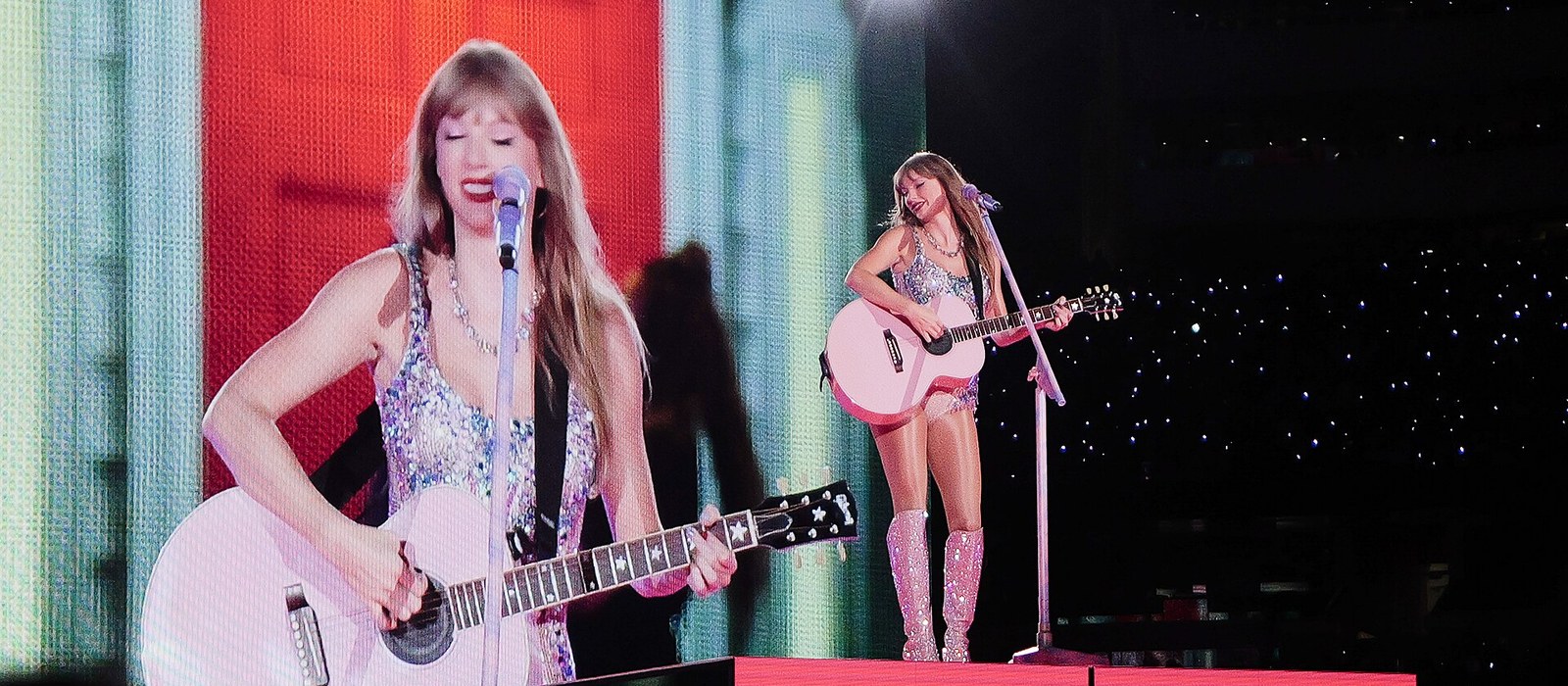
Taylor Swift’s company filed to trademark the spoken words “Hey, it’s Taylor Swift” in the UK, EU and Australia. IP Australia accepted its filing on October 12, 6 days after it went in. The UK and EU applications are still in examination.
RIAA names AI voice site Lalals in its 2026 Notorious Markets filing
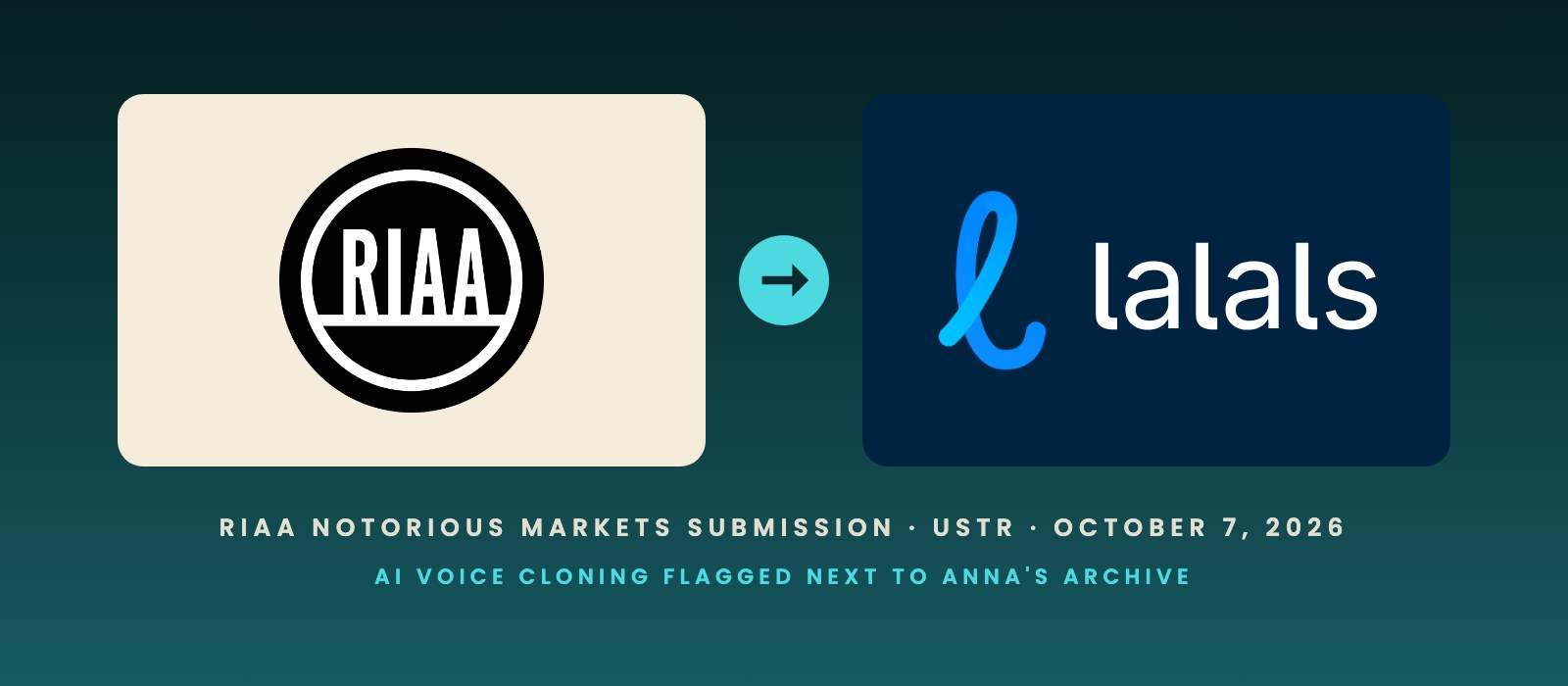
The RIAA named AI voice site Lalals in its 2026 Notorious Markets filing to the US Trade Representative. It says Lalals offers Swift, Drake and Ariana Grande voices “without their consent or authorization”, and counts 2.7 million visits in 12 months.
Neutune CEO Lee Jong-pil says tracing AI songs is solved, and consent is the slow part
Neutune CEO Lee Jong-pil told The Korea Times that tracing an AI song back to the recordings it used is solved, and rights holder consent is the slow part. “It’s legal AI versus illegal AI,” he said.

Denmark’s bill L 49 would ban sharing AI voice and face clones without consent from 2027
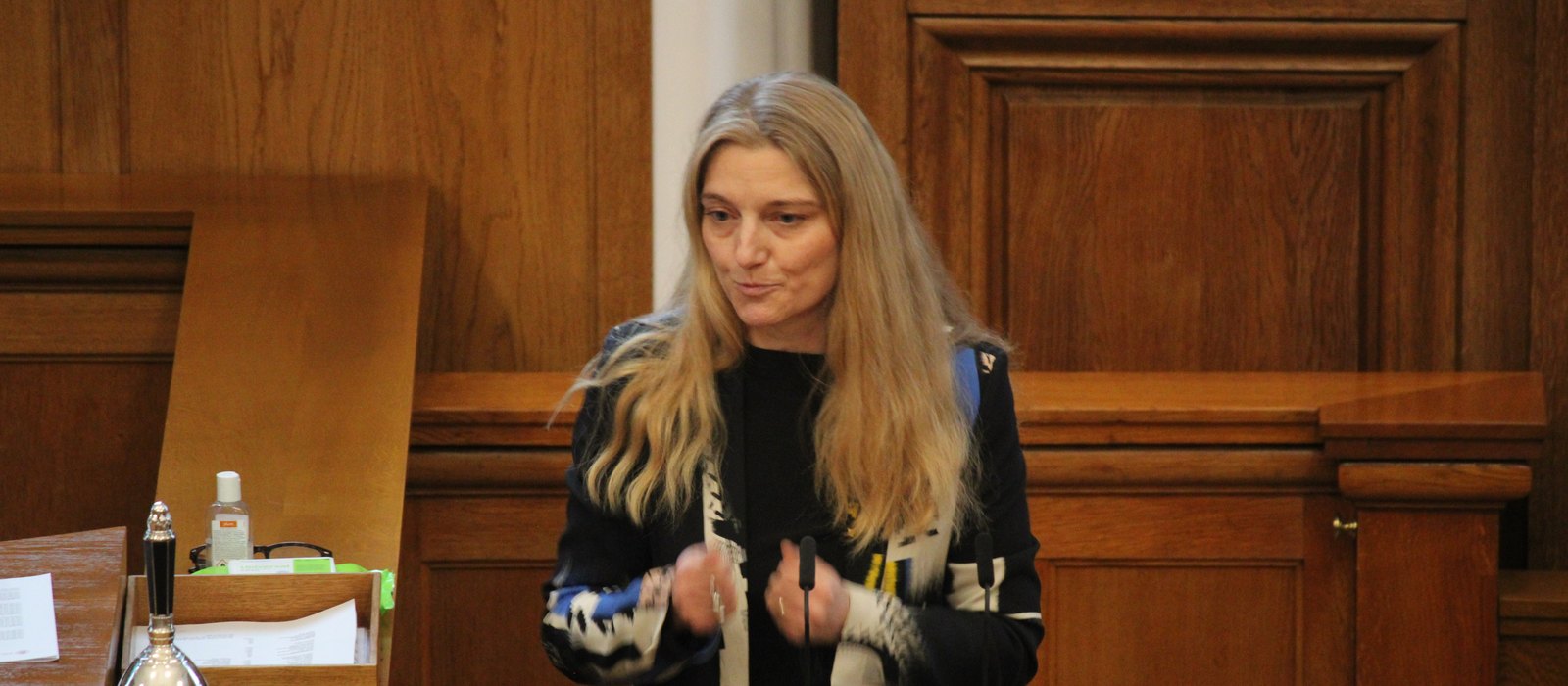
Denmark’s culture minister Zenia Stampe tabled bill L 49 on October 8. Sharing a realistic AI clone of anyone’s voice or face without consent would become illegal from January 1, 2027, and whoever publishes it has to prove consent.
ARIA calls Australia’s AI committee co-chairs “wrong” on copyright and AI licensing
ARIA CEO Annabelle Herd called the co-chairs of Australia’s AI committee “wrong” for saying copyright law is “not facilitating” AI licensing, and counted 27 deals. A day later, Pope Leo’s AI adviser Father Paolo Benanti called loosening copyright for AI training “a new form of colonialism”.
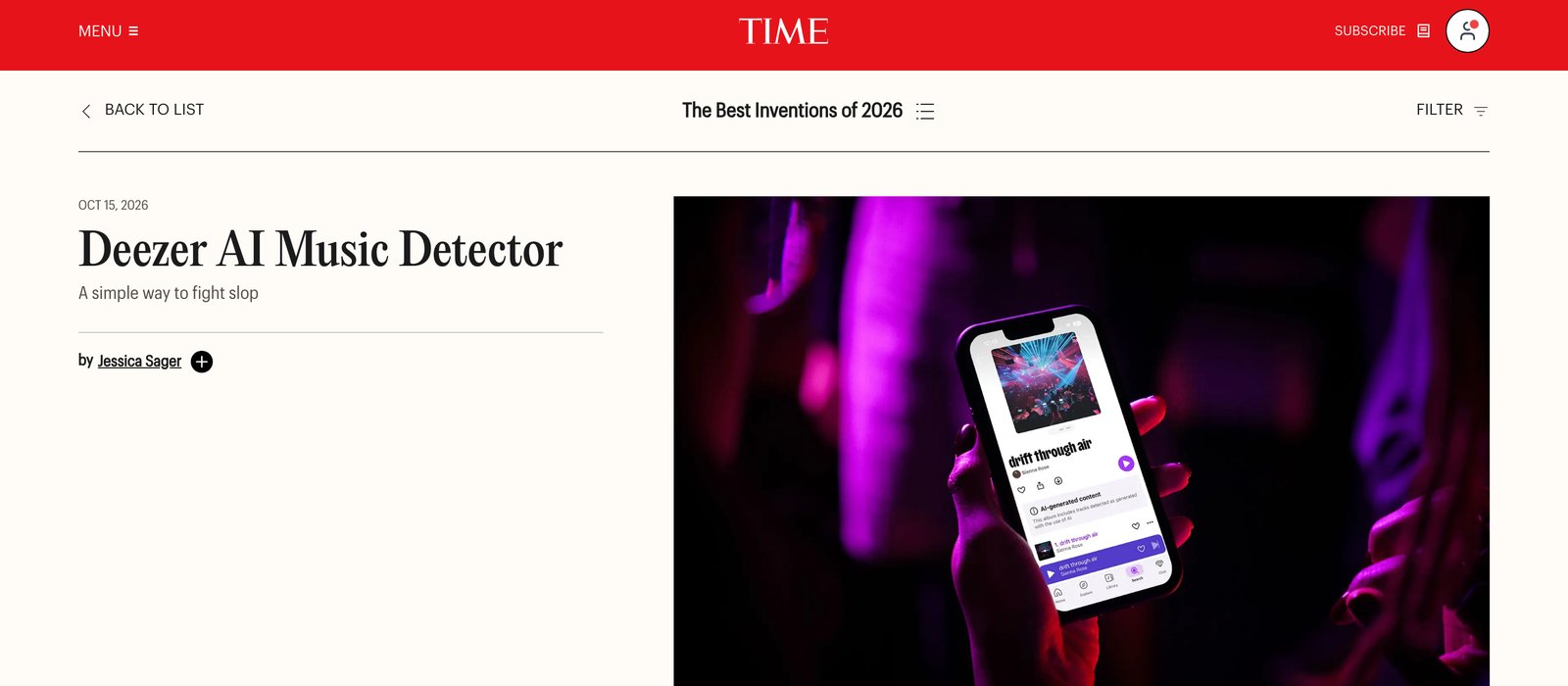
TIME names Deezer’s AI music detector one of its Best Inventions of 2026
TIME named Deezer’s AI music detector one of its Best Inventions of 2026. Deezer says the detector kept more than 42 million AI tracks out of its recommendations between January 2025 and August 2026.
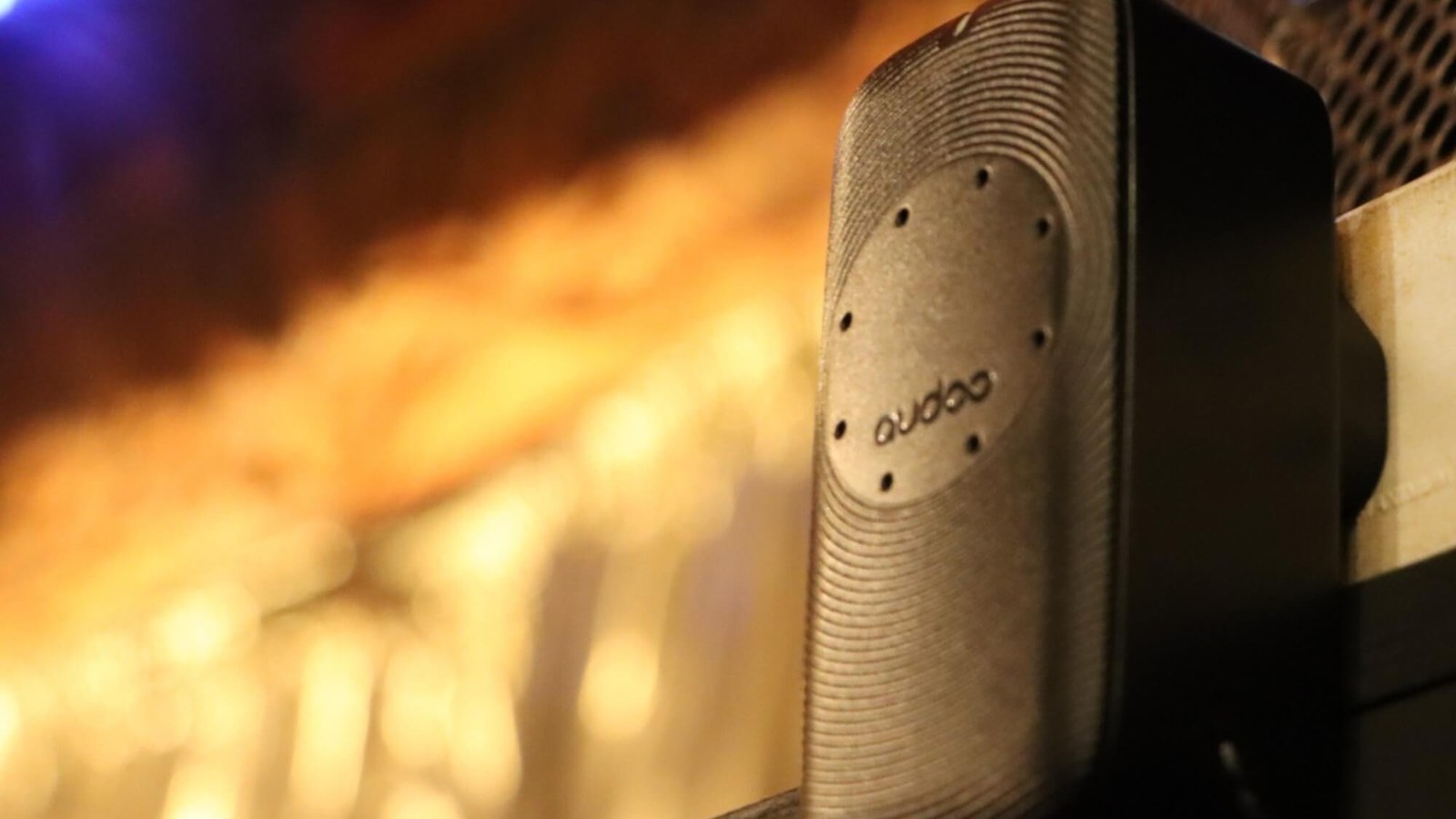
Audoo CEO Ryan Edwards says its Audio Meter now flags AI tracks in bars, gyms and shops
Audoo CEO Ryan Edwards says the Audio Meter it plugs into bars, gyms and shops can now flag AI tracks, so collecting societies stop “paying out blind”. Audoo hasn’t published how it works or how accurate it is.
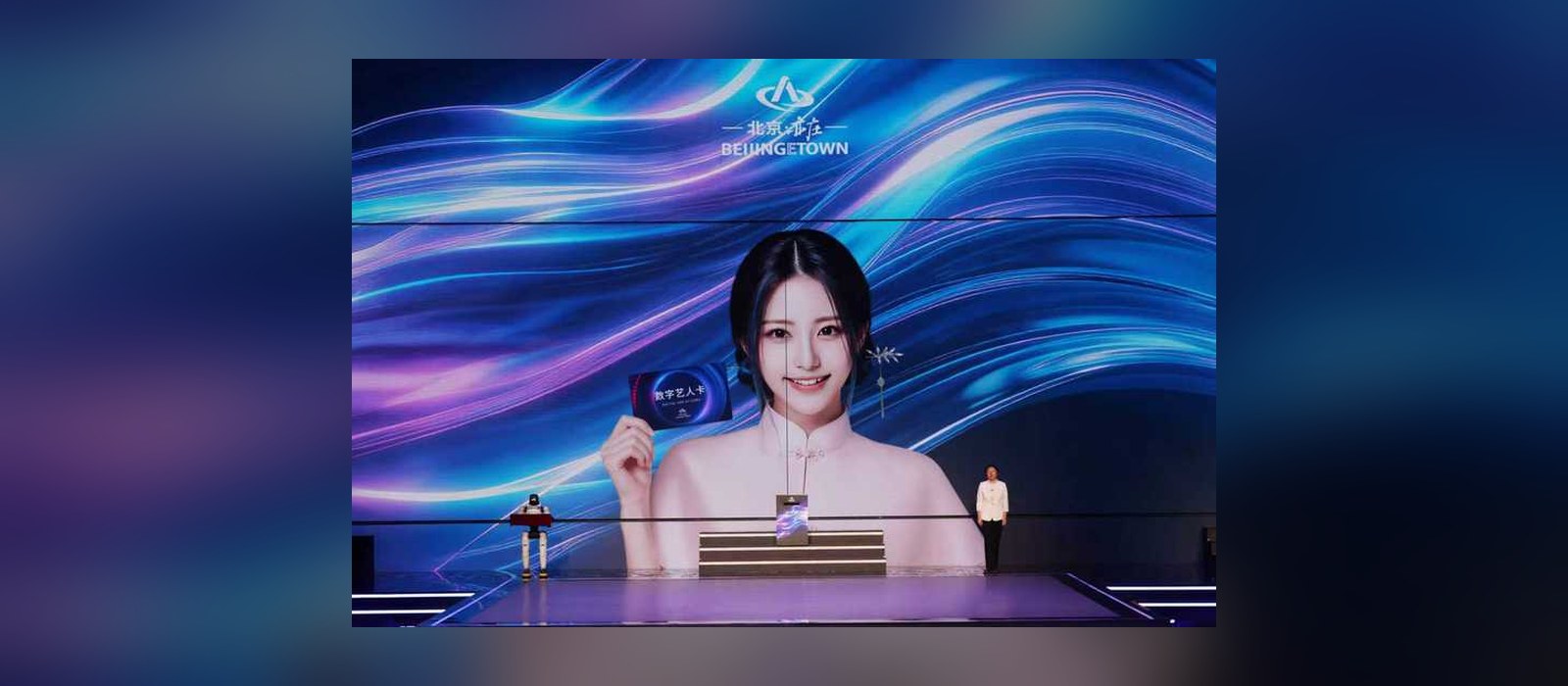
Beijing gives AI singer Yuri China’s first Digital Artist Card
Beijing gave AI singer Yuri China’s first Digital Artist Card, a license for paid shows. A viral X post said AI personas can now sign contracts, but the paperwork puts the wallet and the deals with the company that runs her.
Songwriter Karen Poole runs her demo vocals through AI to hear them in a man’s voice
Songwriter Karen Poole, who has written for Kylie Minogue and Janet Jackson, said she runs her demo vocal through AI to hear it in a man’s voice. UMPG UK’s David Gray, on stage with her, backs AI that’s “fair and ethical”.
Top Story: Deezer and YouTube started sorting AI music, and they don’t sort it the same way
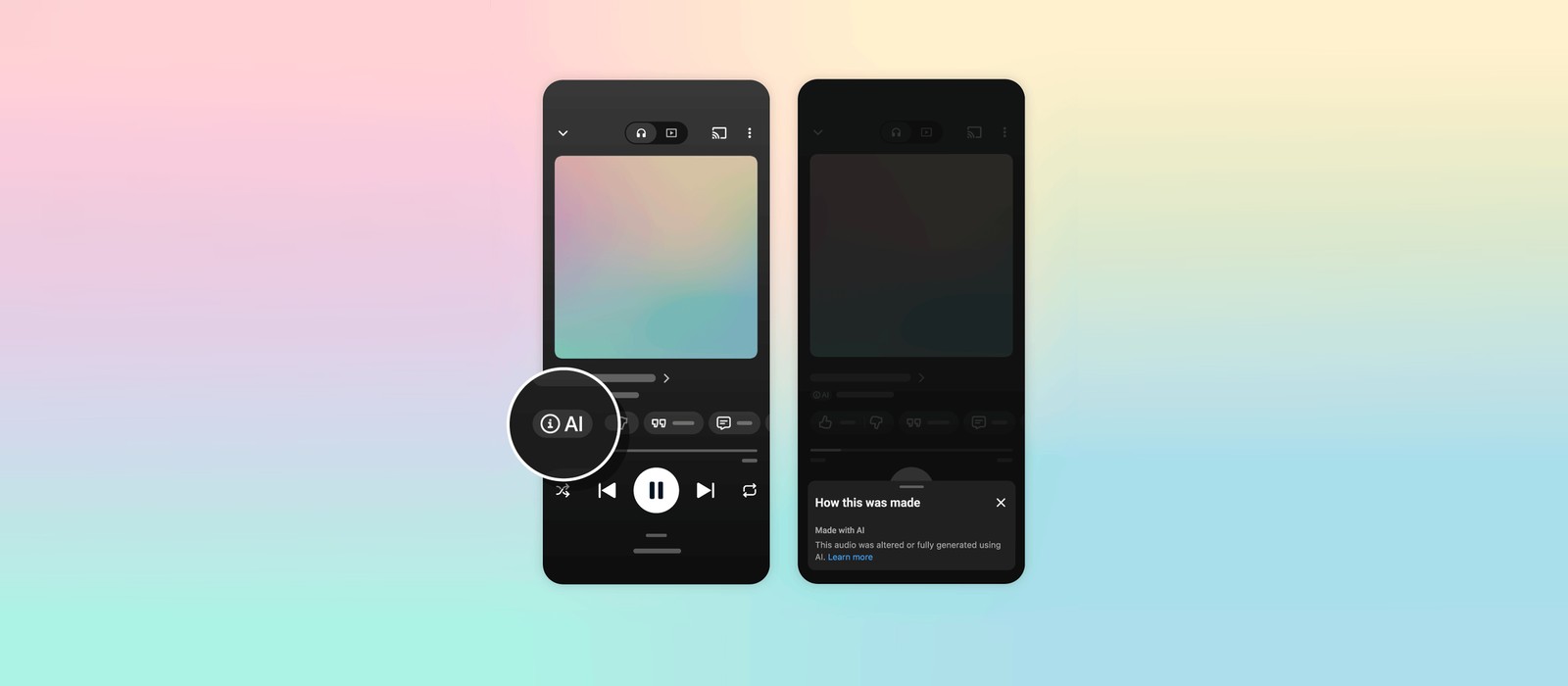
Labeling AI music is the right move. But a detector reads the finished file, which doesn’t show how the song was made. So a label is only as honest as the disclosure behind it.
On October 13, Deezer announced a toggle that hides fully AI-generated tracks, albums and artists from search. The next day, YouTube Music started labeling songs “created primarily using generative AI”.
And honestly, both have a point: nearly 90,000 fully AI tracks reach Deezer every day.
“We’ve seen a clear user demand for the ability to filter out AI-generated music,” Alexis Lanternier, CEO of Deezer, said.
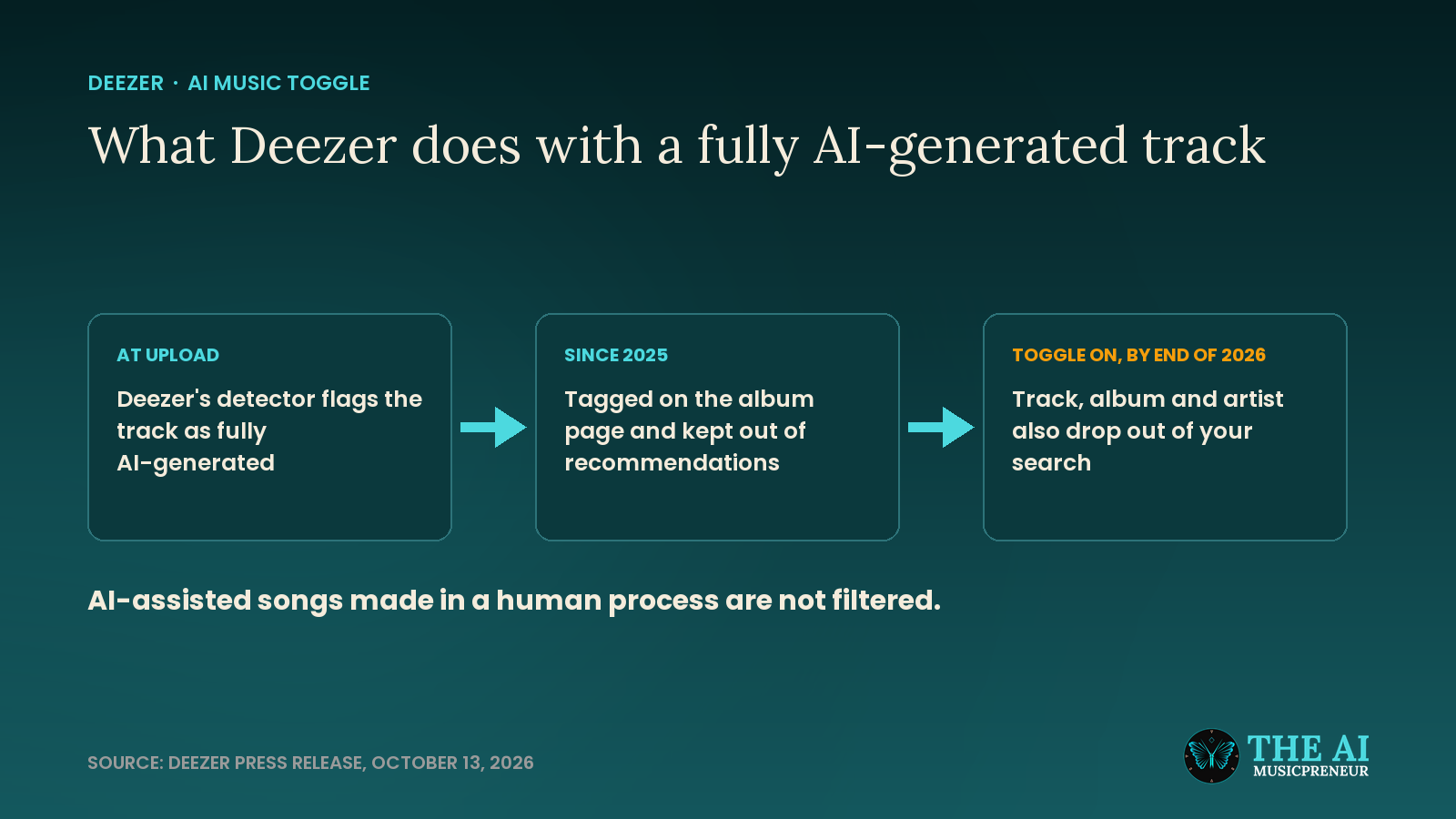
Both rules rest on 2 beliefs: the finished file shows how a song was made, and “fully AI” means the same thing everywhere.
The audio file can’t show who wrote Imael Angel’s lyrics
Imael Angel’s “Bad Times” sat at No. 6 on the US iTunes chart on October 12. Deezer’s bio calls the act AI. Songfacts says the person behind it, Bernadett Gángó, writes the lyrics and turns them into songs with AI (mainly Suno, per Hungarian Wikipedia).
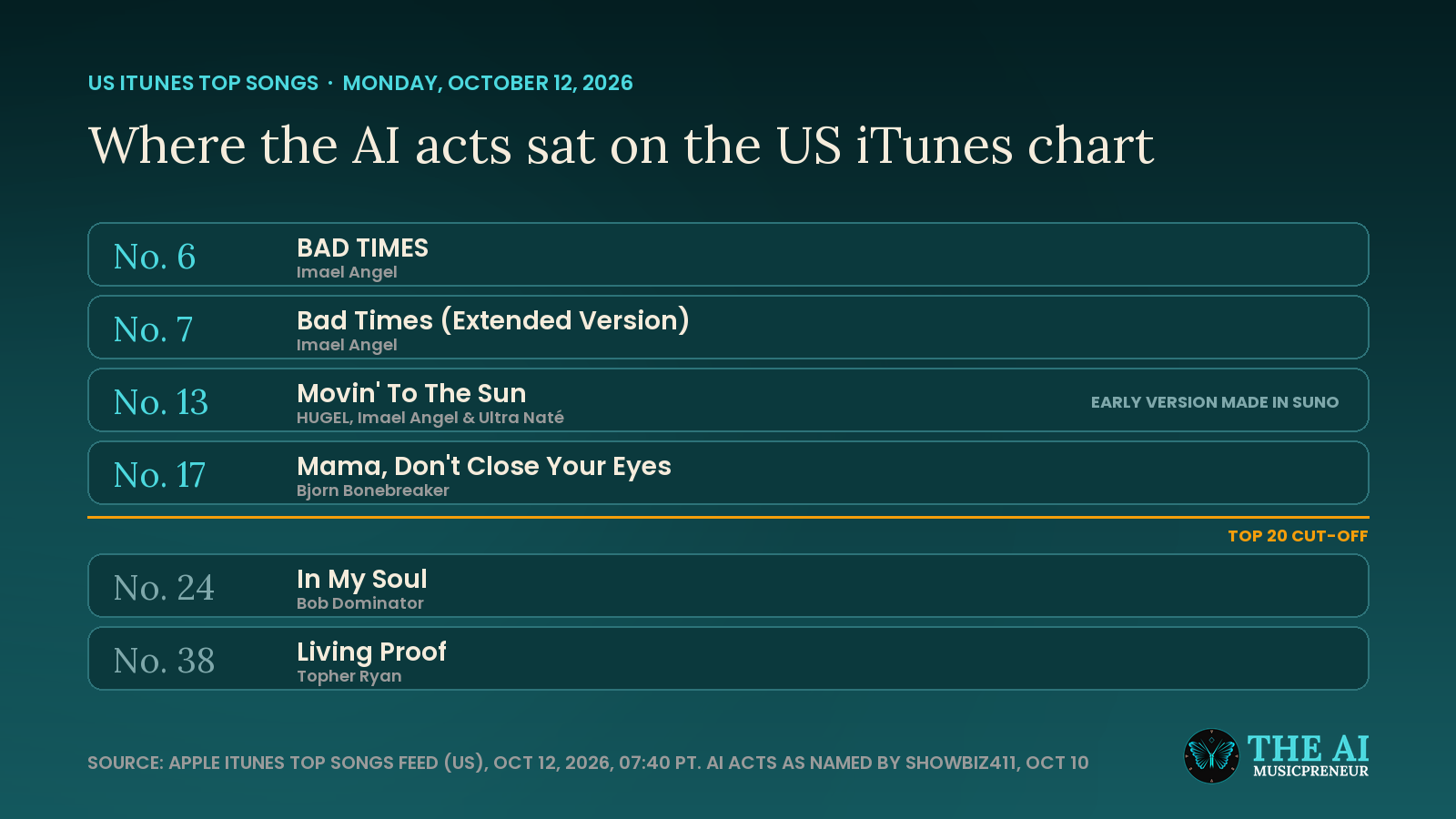
Deezer’s detector looks for “small traces” in the audio, Lanternier told TIME, and it catches Suno. But nothing in the audio says a person wrote the lyrics. Under SIQA’s framework, human lyrics with AI music and vocals count as AI-Assisted. (I sit on SIQA’s Creative Advisory Council.)
So a detector can tell you Suno made the sound. It can’t tell you who wrote the song.
YouTube Music and Deezer don’t draw the “partly AI” line in the same place
YouTube’s Help Center counts a fully human song with an AI music video as “Partly Gen AI”. Auto-Tune and AI mastering count as “No Gen AI”. And YouTube says it’s “up to partners to interpret” the definitions.
Deezer draws its line at “limited AI-assisted elements”.
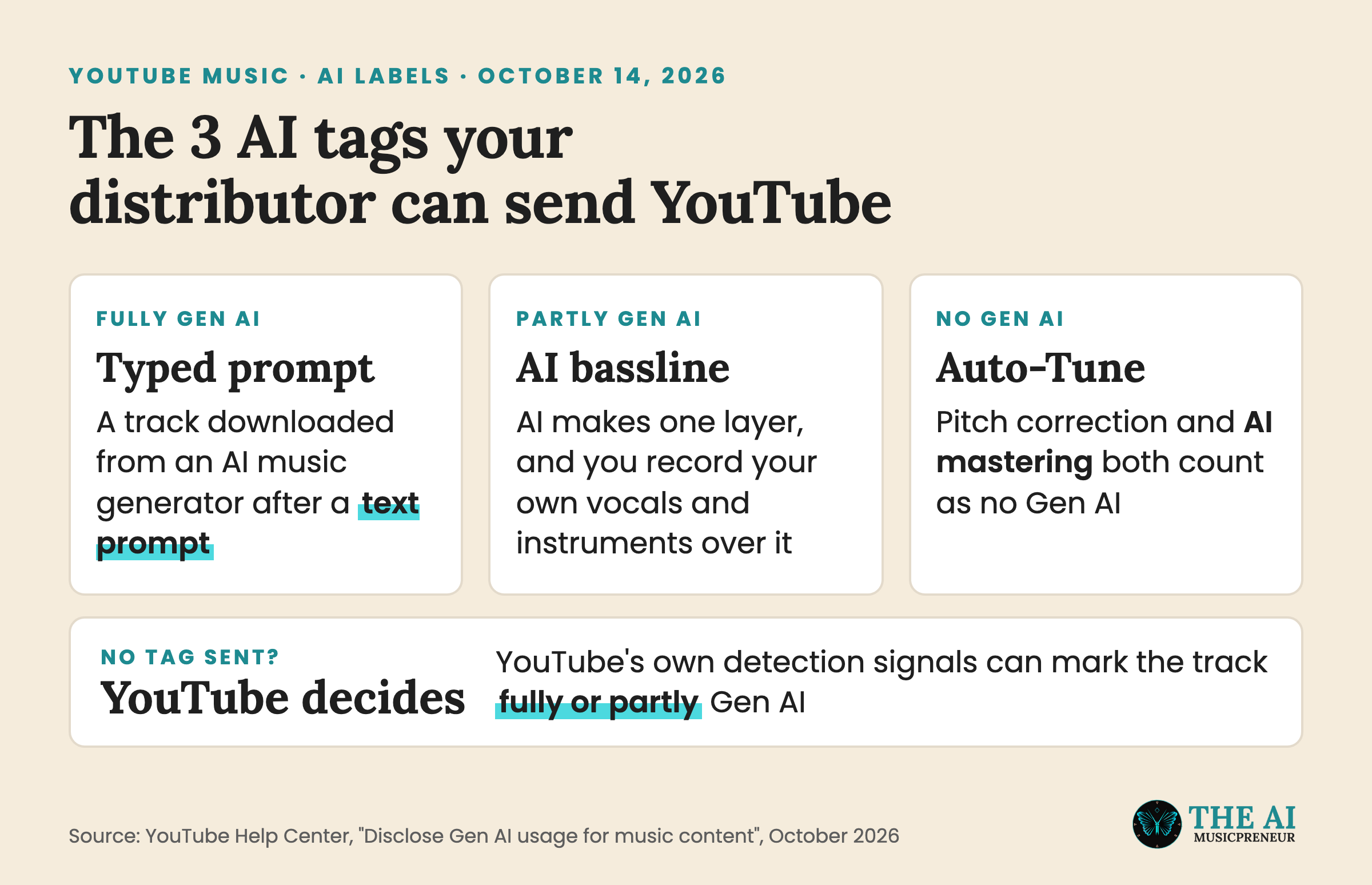
So one song can land in 2 buckets on 2 platforms. “Fully AI” means whatever the platform you’re on says it means.
Deezer’s 99.8% detector accuracy answers the easier question
Deezer puts its detector’s accuracy at 99.8%. It misses about 2 AI tracks in 1,000 and wrongly flags fewer than 1 human track in 10,000. That’s Deezer’s own July figure, and it hasn’t said what it tested on.
Even if it holds, it answers “is there AI in this file?” It doesn’t answer “who made the song?”
Set your Gen AI tag at your distributor before YouTube guesses
Send YouTube no tag, and it “may designate content as fully or partly Gen AI.”
- Ask your distributor if it sends the Fully, Partly or No Gen AI tag (my guide to every platform’s AI rules).
- Pick the one that matches what you did. By YouTube’s own examples, an AI bassline under your vocals is Partly, and AI mastering is No Gen AI.
- Write down who wrote, sang and played what.
My rule has a cost. A self-declared tag only works if people tell the truth, and a streaming farm can tick “No Gen AI” too. That’s the job Deezer’s detector does well.
Tag your own release before a detector does.
AI Music Lawsuit Tracker
1 case moved this week.
Here’s what changed:
UMG v. DistroKid: DistroKid started pulling songs over UMG’s claims
DistroKid confirmed on October 10 that it removed “a very small number of recordings” over UMG’s claims, while saying it strongly disputes the lawsuit. Artists say original songs and an album that had been live for 3 to 4 years came down with no warning, and DistroKid hasn’t said how to get one back.
→ Full case files and timelines
One thing to do this weekend: answer every comment on your last post
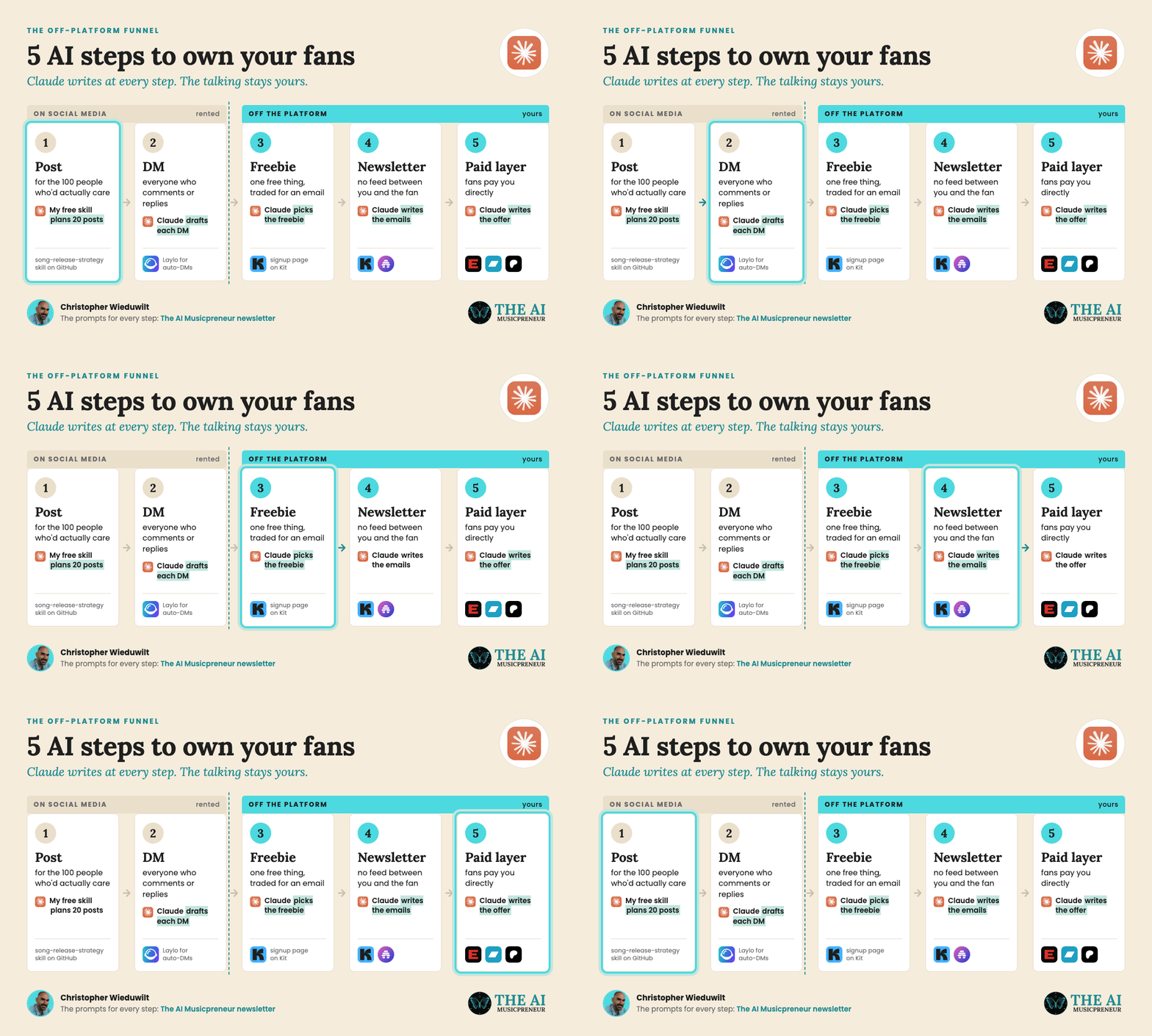
On Wednesday I walked through 5 steps that move a fan from your post to paying you directly: post, DM, freebie, newsletter, paid layer. Claude writes at every step.
Start with step 2. Open your last post, answer every comment, and DM each person your free thing. The full tutorial has all 5 prompts.
About The AI Music Briefing
The AI Music Briefing is a weekly Friday read for music industry professionals working at the intersection of AI and the traditional music business. Curated and written by Christopher Wieduwilt, founder of The AI Musicpreneur. Browse every issue of the briefing.
Got a tip, a story, or a partnership idea? Reach out any time. Every message lands directly in my inbox.
— Christopher
About the author

Covering AI music tools, industry shifts, and news for music creators and professionals. Twice-weekly newsletter at aimusicpreneur.com.
