TIME names Deezer's AI music detector a Best Invention of 2026, after it kept 42 million AI tracks out of recommendations
My stack My fav 6 tools for AI music after testing 70+
-
 ElevenMusic · Music generation
 -
 Moises · Stem separation
 -
 Controlla · Voice swap & cloning
 -
 Cryo Mix · Mixing + mastering
 -
 Neural Frames · Music videos
 -
 ONCE · Distribution
Some links are affiliate links — I earn a commission at no cost to you. Every tool here is one I run myself and truly believe in. This stack is proven.
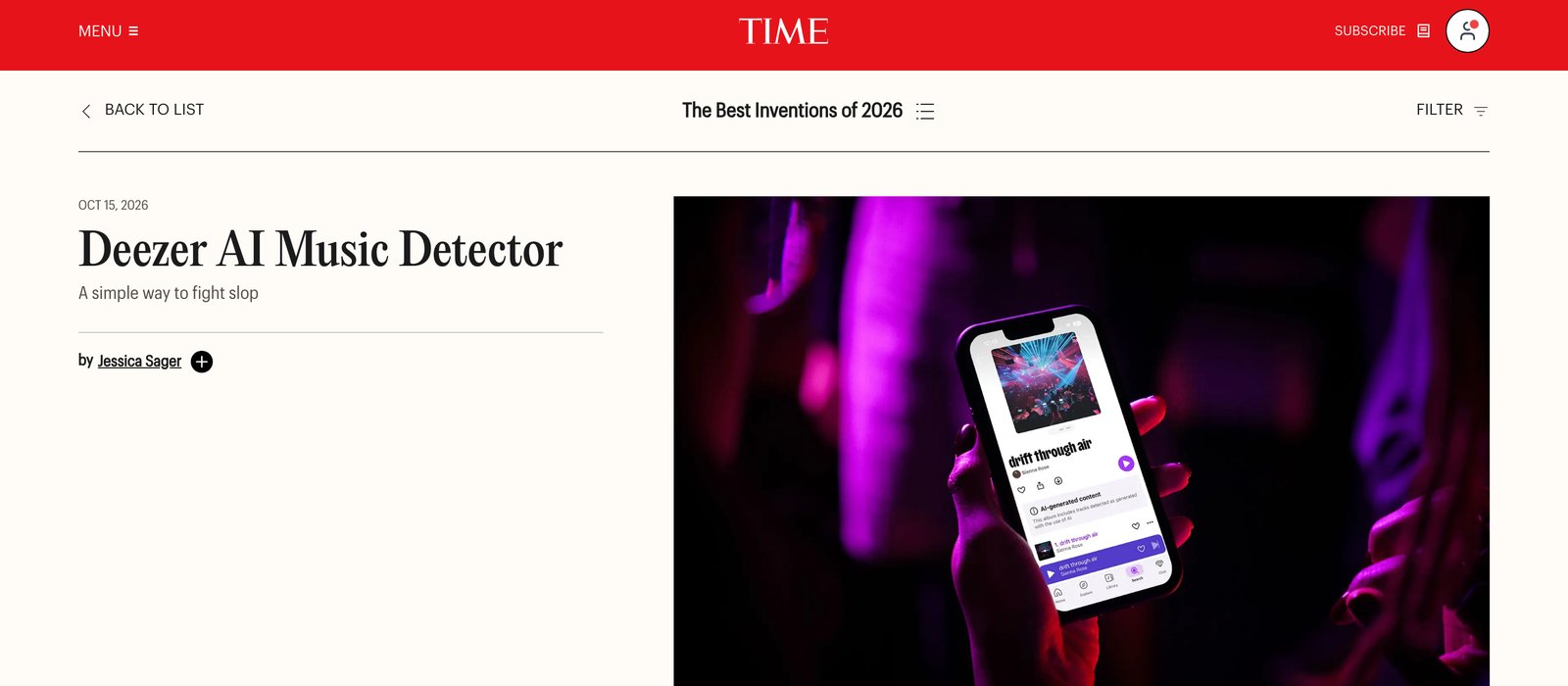
TIME just named Deezer’s AI music detector one of the Best Inventions of 2026.
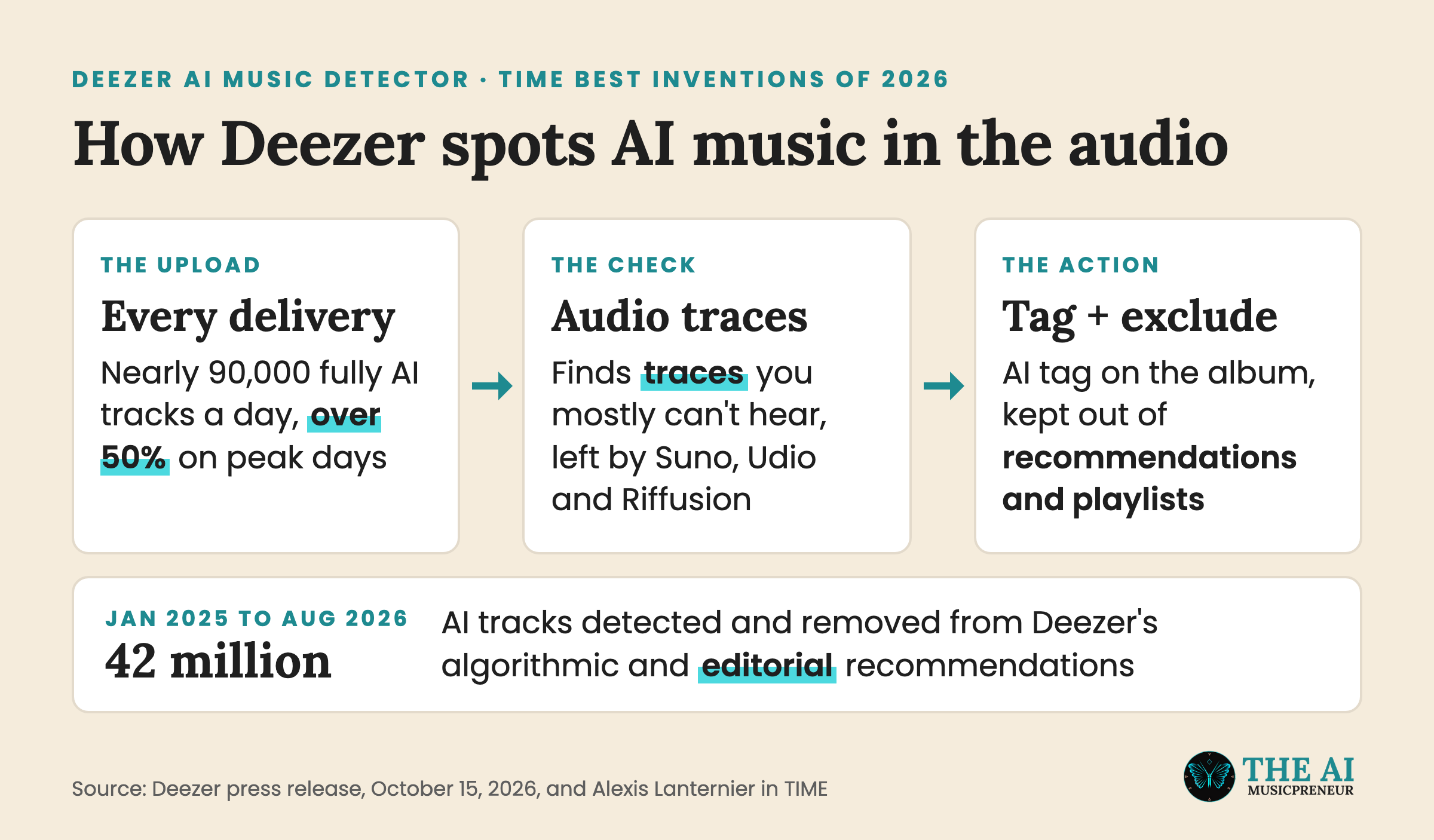
The list went live on October 15, 2026, with 300 inventions judged on originality, efficacy, ambition and impact. Deezer’s announcement came with its biggest number yet: more than 42 million AI-generated tracks detected and removed from its algorithmic and editorial recommendations between January 2025 and August 2026.
TIME’s profile of the detector, by Jessica Sager, calls it “a simple way to fight slop”.
Music AI has made the list before. Stable Audio and the stem splitter AudioShake were both on TIME’s 2023 list. Deezer’s detector works at the other end, on AI music that’s already been made.
How Deezer detects AI music: audio traces, 2 patents and a 99.8% claim
Deezer CEO Alexis Lanternier gave TIME the short version. “AI-generated songs [leave behind] small traces that usually don’t appear in real recordings,” he said. “You can’t hear them most of the time, but you can see them with software.”
So the detector reads the audio itself. It catches the most prolific generators, Suno, Udio and Riffusion, and Deezer says it can add practically any similar tool once it has data examples. It’s also working on a version that needs no dataset for the specific model.
In December 2024, Deezer applied for 2 patents on 2 ways of detecting the signatures that set synthetic audio apart from real recordings. The EU and US patent offices published both in June 2026.
Deezer puts the accuracy at 99.8%. By its count, the detector misses about 2 AI-generated tracks in every 1,000 and wrongly flags fewer than 1 human-made track in 10,000. Those are Deezer’s own figures as of July 2026, and the release doesn’t say what they were tested on.
Deezer’s daily AI uploads since 2025: from 10,000 to nearly 90,000 tracks
Deezer switched the detector on in January 2025, and daily AI deliveries have grown about 9 times over since:
- In January 2025, roughly 10,000 fully AI-generated tracks arrived a day, around 10% of all deliveries.
- By January 2026, it was around 60,000 a day, roughly 39%.
- Since June 2026, it has been close to 90,000 a day, more than 50% of deliveries on peak days.
Deezer flagged more than 13.4 million AI tracks in 2025, so by my maths about 29 million of the 42 million came in the first 8 months of 2026.
Listening is a different story. Fully AI-generated music makes up only 1% to 3% of streams on Deezer, and Deezer found that up to 85% of those streams were fraudulent in 2025. It pulls fraudulent streams out of royalty payments, and in July it said it would start deleting AI tracks used for fraud.
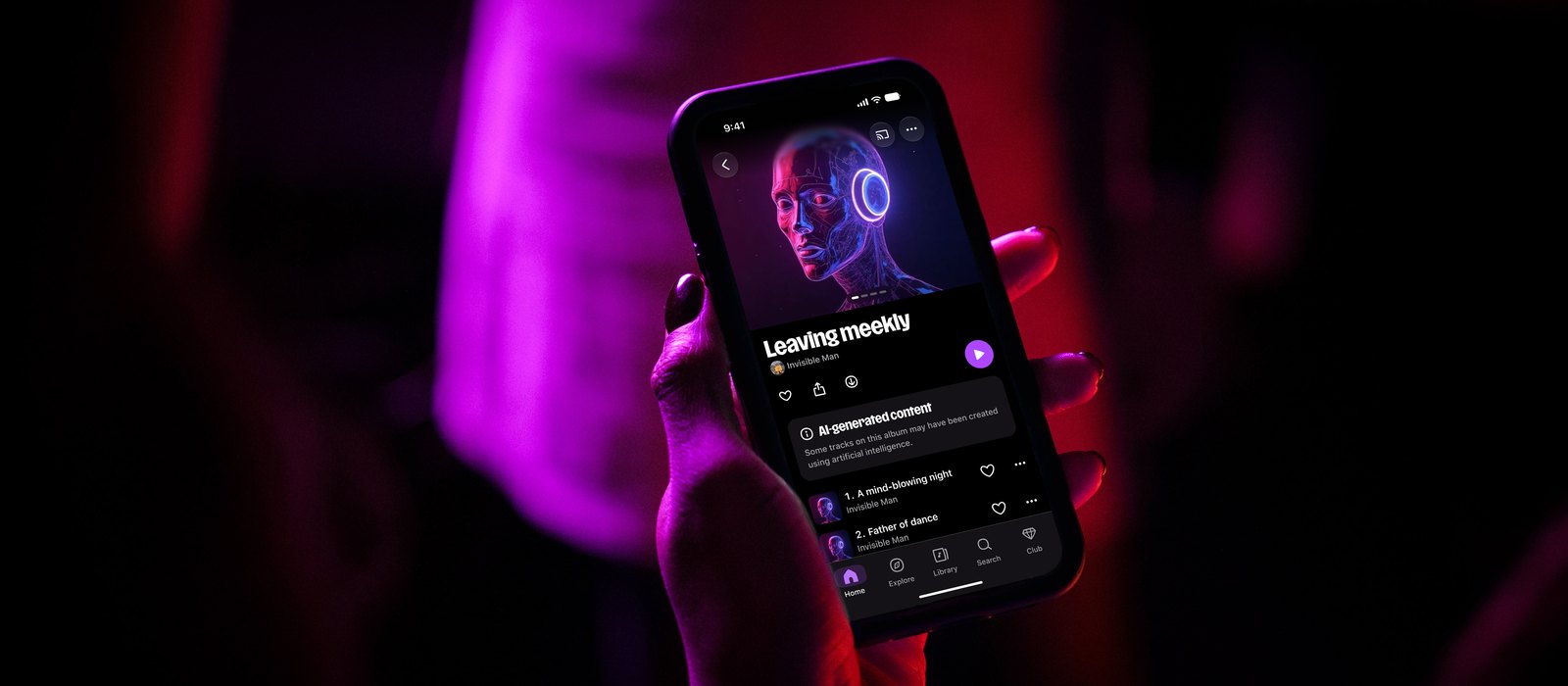
Thanks to this invention, Deezer was the first to label AI-generated music and exclude it from algorithmic recommendations, increasing transparency for users, and combatting streaming fraud that undermines payments to legitimate artists.
Who can license Deezer’s AI music detection technology?
Deezer has offered its detection tech to the rest of the industry since January 29, 2026, when Lanternier said it had already run “successful tests with industry leaders, including Sacem,” the French collecting society.
Deezer’s AI detection page pitches it to 3 kinds of buyers:
- Distributors and rights holders can check releases for AI at ingestion, the moment a track is delivered to them.
- Collecting societies can apply their registration and reporting policies with AI indicators.
- Streaming services can use it to guide moderation, visibility and payout rules.
So a fully AI-generated track could get flagged at your distributor before it ever reaches Deezer. If you make music by hand, the page claims a false positive rate below 0.01%, for a system that handles more than 150,000 deliveries a day on Deezer. With tens of thousands of human-made tracks among them, that still leaves room for a few wrong flags daily, and the release doesn’t say how you’d challenge one.
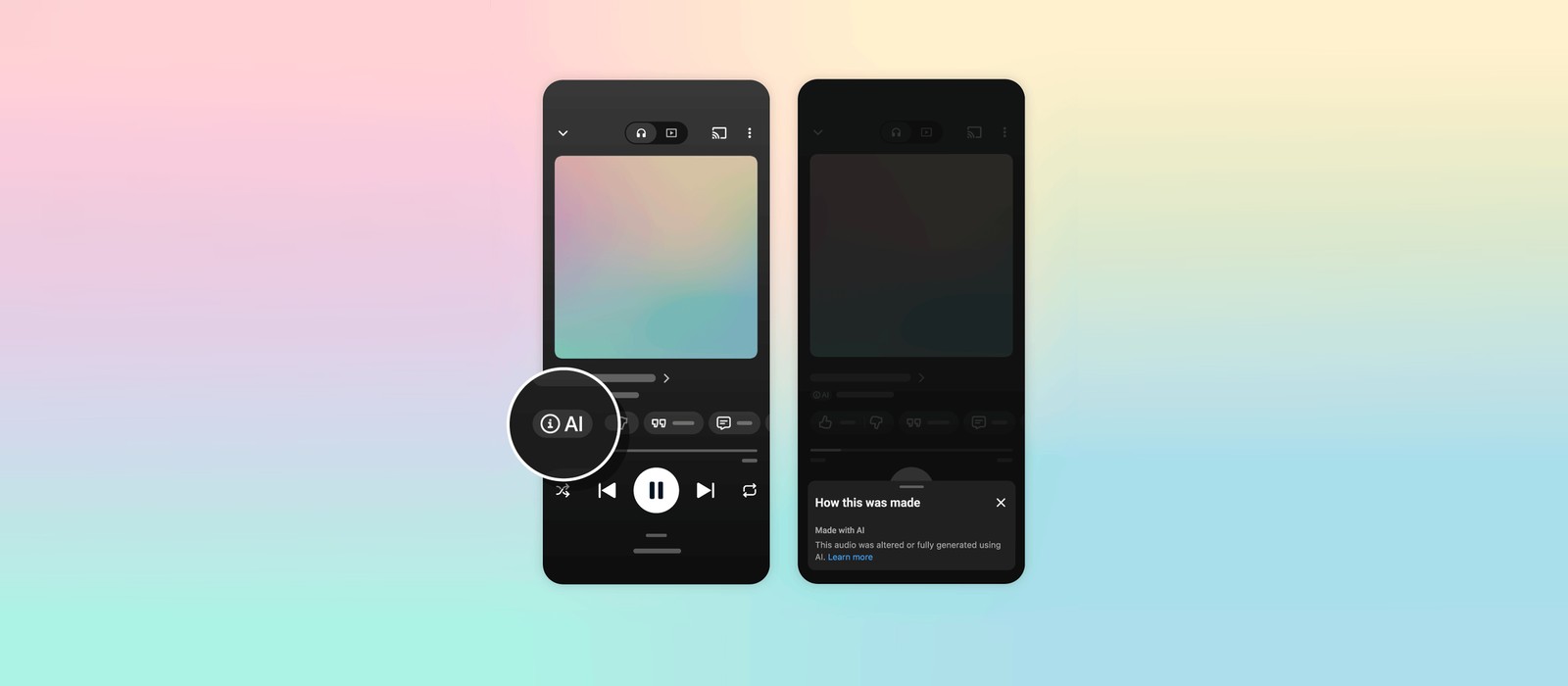
Deezer is also adding a toggle that hides fully AI-generated music from search by the end of 2026. And YouTube Music, which started labeling AI songs on October 14, runs its own detection when no AI tag arrives. More of the services your music goes to now check it for AI.
Frequently asked questions
How did TIME choose its Best Inventions of 2026?
TIME took nominations from its editors and correspondents around the world and through an online application, with special attention to growing fields such as health care and AI. It judged each contender on originality, efficacy, ambition and impact, and published 300 picks on October 15, 2026, including Deezer's AI music detector.
What false positive rate does Deezer claim for its AI music detection?
Deezer says its detector is 99.8% accurate and wrongly flags fewer than 1 human-made track in every 10,000, a false positive rate below 0.01%. It also misses about 2 AI-generated tracks in every 1,000. These are Deezer's own figures as of July 2026, not an independent test.
Has Deezer patented its AI music detection technology?
Deezer applied for 2 patents in December 2024, covering 2 different methods of detecting the signatures that tell synthetic audio apart from real recordings. The EU and US patent offices published them in June 2026, and Deezer's business page still describes the technology as patent-pending.
Can Deezer's AI music detector catch tracks from generators other than Suno and Udio?
Yes. Deezer names Riffusion alongside Suno and Udio, and says it can add practically any similar generator as long as it has data examples from it. It also reports progress on a system that detects AI-generated music without a dataset for the specific model.
Which music AI tools were named TIME Best Inventions before Deezer's AI music detector?
TIME put Stability AI's Stable Audio, a text-to-music generator, and AudioShake's sound separation technology on its Best Inventions of 2023 list. Both companies announced the picks on October 24, 2023.
About the author

Covering AI music tools, industry shifts, and news for music creators and professionals. Twice-weekly newsletter at aimusicpreneur.com.