Prince's estate says no AI finished 'Calabama', and names the three horn players who did
My stack My fav 6 tools for AI music after testing 70+
-
 ElevenMusic · Music generation
 -
 Moises · Stem separation
 -
 Controlla · Voice swap & cloning
 -
 Cryo Mix · Mixing + mastering
 -
 Neural Frames · Music videos
 -
 ONCE · Distribution
Some links are affiliate links — I earn a commission at no cost to you. Every tool here is one I run myself and truly believe in. This stack is proven.
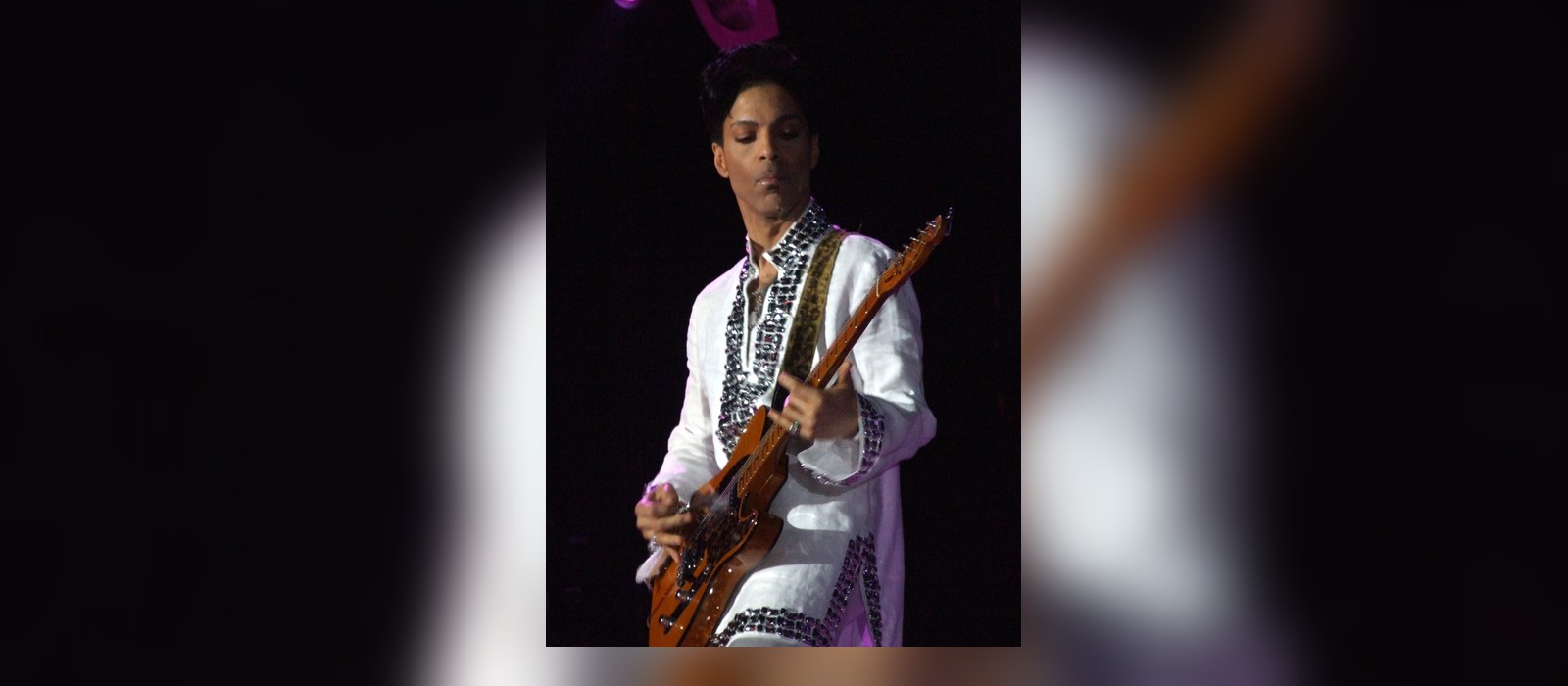
Prince’s estate has denied using AI to finish “Calabama”, a track on the posthumous album Timeless, and named the three musicians who played the horn line instead. Greg Boyer played trombone, Adrian Crutchfield played saxophone and Lynn Grissett played trumpet. The estate posted the statement on Instagram after fans questioned the song’s credits, timing and arrangement. Timeless came out on August 28, 2026.
What fans heard on ‘Calabama’ and what the Prince estate says happened
The suspicion was specific. Prince left the song unfinished, the released version has a full horn line on it, and the arrangement sounded to some listeners like something a machine had filled in.
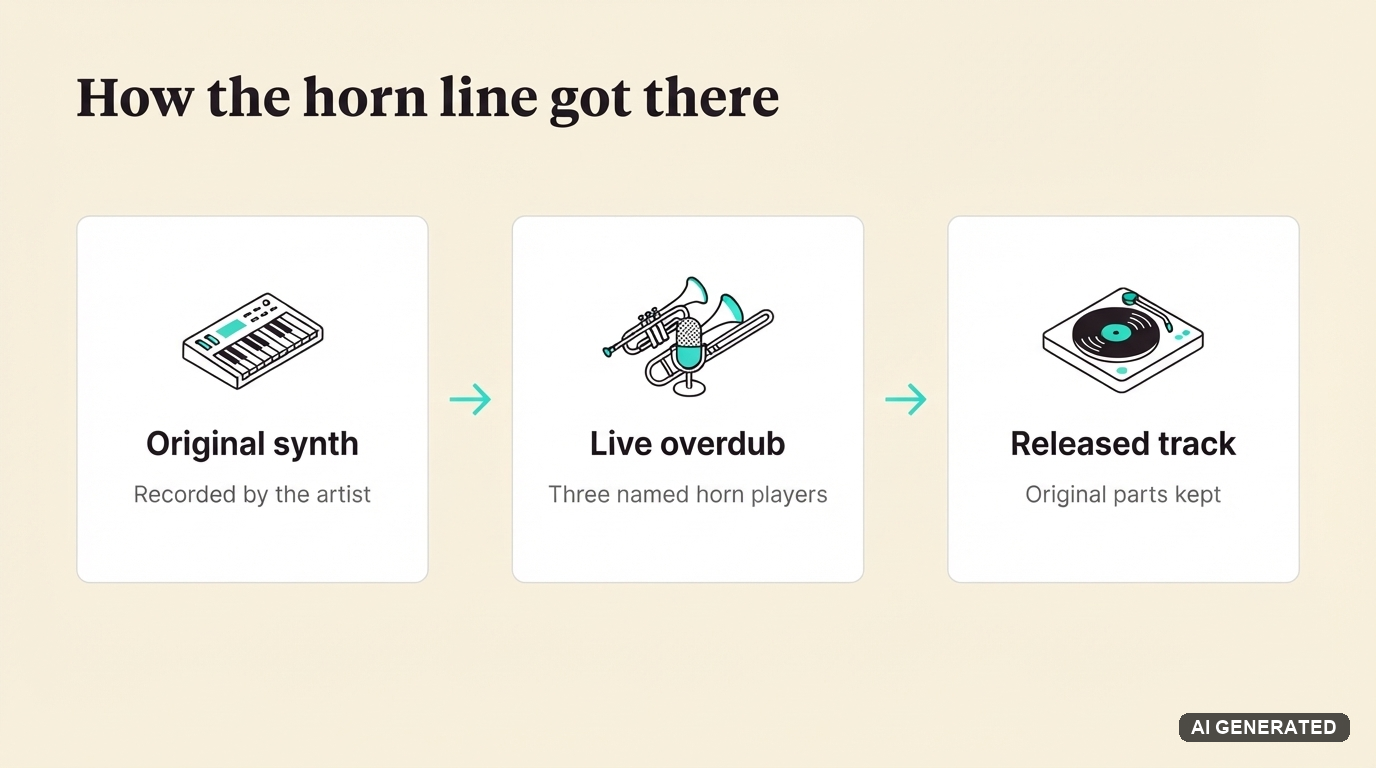
The estate’s account runs the other way. Prince recorded a synthesiser track carrying the line he intended for horns. Players who had worked with him were brought in to overdub real brass over that synth part, and that version went on the album.
All of Prince's original recorded parts remain intact. With trombone, saxophone, and trumpet added by Greg Boyer, Adrian Crutchfield, and Lynn Grissett.
The estate also says this matched how Prince worked. Overdubbing live horns onto a synth guide line appears on plenty of his earlier records, and the three players are credited in the album packaging.
Why a posthumous release now has to prove a human did the work
Five years ago this statement would not exist. An estate finished a song, credited the session players, and nobody demanded receipts.
That changed because the tools got good enough that a completed horn line is no longer proof of a horn player. The same doubt has followed a posthumous album built with cloned vocals, the AI-assisted John Lennon vocal restoration and a tribute video for Scott Weiland.
Estates are now in the position of proving a negative. The only defence that lands is the one Prince’s estate used: name the people, name the instruments, point at the credits. Naming who did what is the evidence, and vibes are not.
What Prince’s estate said about the vault and the fans
The statement went past the one song. The estate called Prince’s vault “an archive of massive size and historical depth” and said it will share more detail about how the music gets released.
It also said it will not stop fans from hearing his unfinished work, while acknowledging the split in the response.
“Some may object to the completion of the unfinished portion of ‘Calabama’ (even using Prince’s handpicked musicians and aligned with his creative intent). While others have been very supportive of it and the music overall.”
It closed by asking for more kindness and respect in the conversation, and by noting that “no one or two individuals are responsible for the business of Prince.”
What this tells you about releasing music from an archive
If you handle a catalogue, a family archive or your own older sessions, the lesson here costs nothing to apply.
Write down who played what, when, and on which pass, and publish it with the release rather than after the accusation. Prince’s estate had that record and could produce three names on demand. An estate without one has nothing to answer with, and silence now reads as confirmation.
Prince died on April 21, 2016, at 57. The music keeps coming out. The paperwork around it is what decides whether people believe it.
Frequently asked questions
Did Prince's estate use AI to finish the song "Calabama"?
The estate says no. It states that a group of horn players who had worked with Prince were assembled to overdub his synthesiser track with the intended horn line, and that all of Prince's original recorded parts remain intact on the released version.
Who played the horns on Prince's "Calabama"?
Greg Boyer played trombone, Adrian Crutchfield played saxophone and Lynn Grissett played trumpet. The estate says all three had close ties to Prince and that the album packaging credits them.
What is the Prince album "Timeless"?
Timeless is a collection of rare and unreleased songs Prince re-recorded, announced in June 2026 and released on August 28, 2026. The recordings on it span 1977 to 2016. Prince died on April 21, 2016 at the age of 57.
Why did fans think AI was used on Prince's "Calabama"?
Concerns focused on the track's credits, timing and arrangement. A completed horn line on a song Prince left unfinished prompted speculation that AI tools had been used in the mixing and arrangement, which the estate then addressed directly in a statement on Instagram.
About the author

Covering AI music tools, industry shifts, and news for music creators and professionals. Twice-weekly newsletter at aimusicpreneur.com.