The AI Music Briefing #16: UMG's patent venture licensed 24 AI music patents to Udio and GRAI
The week of August 17–21, 2026, when UMG stopped suing AI and started charging rent: 24 AI music patents licensed to Udio and GRAI, Apple Music's AI labels handed to distributors, Hook's per-song fan remix switch, and Round Hill's twin $1 billion filings.
My stack My fav 6 tools for AI music after testing 70+
-
 ElevenMusic · Music generation
 -
 Moises · Stem separation
 -
 Controlla · Voice swap & cloning
 -
 Cryo Mix · Mixing + mastering
 -
 Neural Frames · Music videos
 -
 ONCE · Distribution
Some links are affiliate links — I earn a commission at no cost to you. Every tool here is one I run myself and truly believe in. This stack is proven.
Issue #16 · the week of August 17–21, 2026 · ~7 min read. The Friday read for music industry professionals working at the intersection of AI and the traditional music business. Curated by Christopher Wieduwilt.
UMG showed up in 4 stories this week, and every one of them was infrastructure
Music IP Holdings, UMG’s patent joint venture with Liquidax Capital, put 24+ AI music patents on the market and signed Udio and GRAI as licensees the same day. UMG and Hook pre-cleared fan remixes song by song. Universal kept litigating against Suno in Boston while Udio, a company it sued 2 years ago, paid for permission to build.
For 2 years the question was whether AI companies would pay for training data. This week UMG moved the tollbooth and started charging for the pipes.
What’s in store:
- Top Story: UMG’s patent portfolio, and why a licence beats a lawsuit
- Apple Music’s AI labels lean entirely on your distributor
- Hook gives UMG artists a per-song remix switch
- A busy week in the Lawsuit Tracker: 1 new $1B filing, 1 ruling, 2 quiet exits
Prefer to watch? I cover this week’s stories on YouTube:
High Signal News: Apple’s AI labels, the Hook deal, and ByteDance’s framework for film
Apple Music will show “Made With AI” labels, but only on tracks the supply chain tags
Apple told partners on August 20 it will surface its AI Transparency Tags as listener-facing labels on tracks “materially generated” by AI platforms like Suno. Apple runs no detection of its own. Labels and distributors carry the tagging duty across 4 surfaces: track, composition, artwork, video. Enforcement stays unexplained.

What this means for you → Your distributor decides whether your release carries a label. Check what it passes to Apple and what it asks at upload.
UMG gives artists a per-song switch for fan remixes in its new Hook licensing deal
UMG and Hook signed a licensing partnership on August 19 covering fan-made content built from official recordings. No AI generation involved: fans remix, clip and add effects to released tracks. Artists pick which songs open up, which tools fans get, and where clips can travel. Every creation is licensed, attributed and tracked, after 30+ artist campaigns across Republic, Capitol, Mavin and Virgin.

What this means for you → Before this deal, a fan remix needed the label’s okay plus the publisher’s. No automatic licence existed. Hook pre-clears it per song.
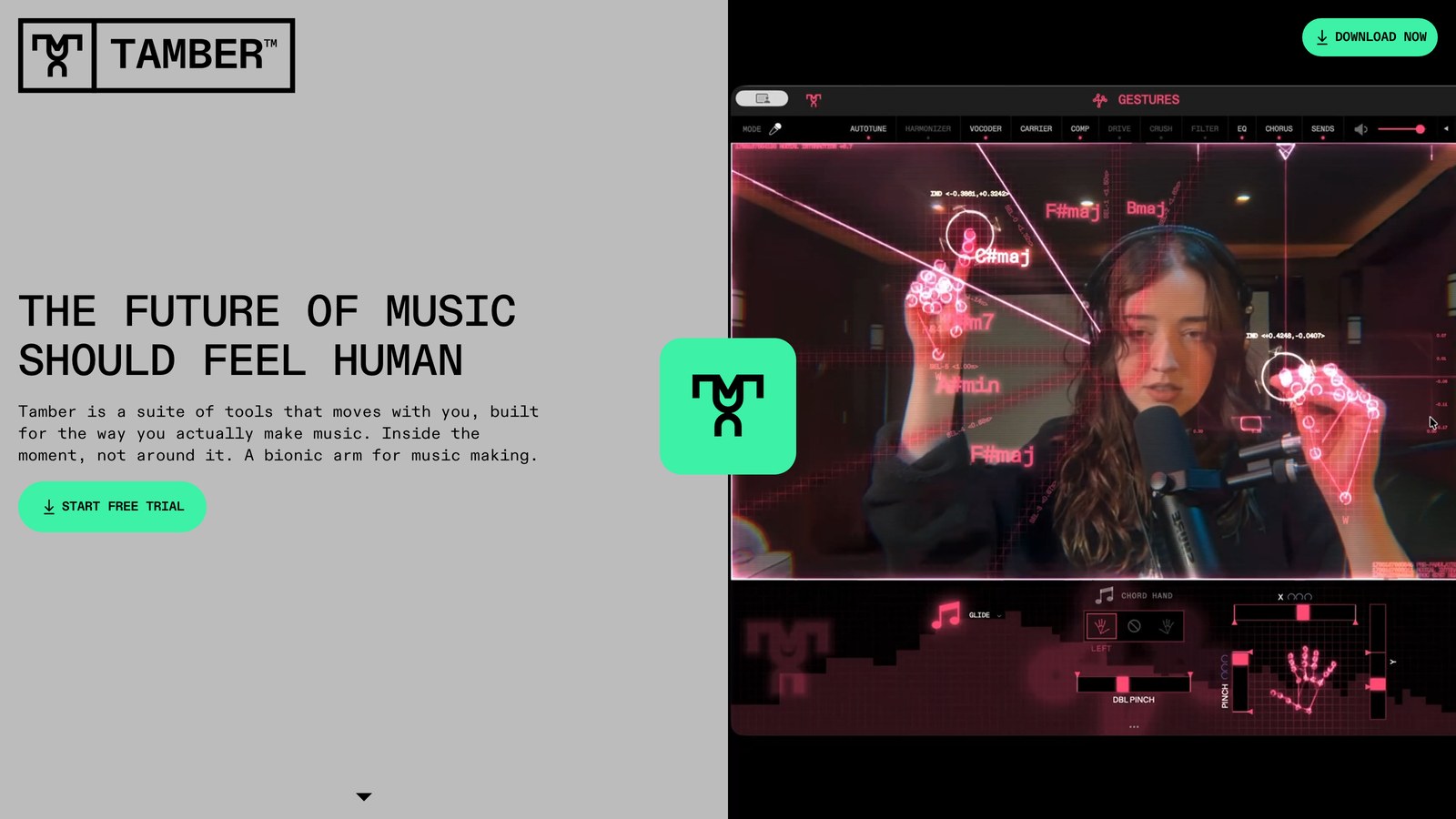
Tamber v2 splits its assistive AI suite into 5 apps and adds Windows support
The Adobe-backed startup rebuilt its platform into 5 standalone apps (Gestures, Tamby, Librarian, City Packs, Sonic Atlas) on one $9.99/month account. Gestures now carries its own synth and vocoder engines and runs with no DAW at all. Tamber generates no songs, stems or samples, and says it has never trained on third-party audio.
Hollywood got a written AI framework from ByteDance, and music still has lawsuits
The Motion Picture Association and ByteDance signed a memorandum of understanding on August 17 protecting film and TV IP across Seedance and Seedream, after Seedance 2.0 users generated Brad Pitt and Tom Cruise clips. Both generators run inside TikTok, CapCut and Dreamina, the apps driving music discovery. Music has no equivalent framework with ByteDance.

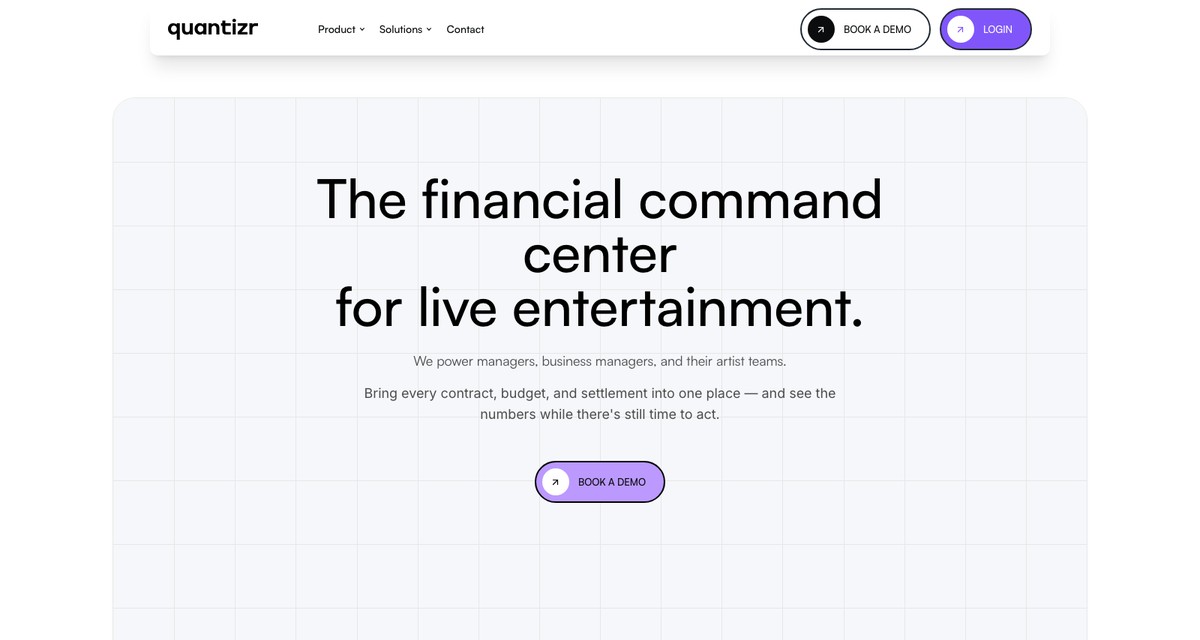
Quantizr raises $5 million to run tour finances with AI
TTV Capital led the seed round for the platform that pulls deal terms out of tour contracts, budgets and settlement statements and standardises them. Big Gigantic drummer Jeremy Salken co-founded it with a former BlackRock director and an attorney. User base quadrupled in 9 months; a Tour Financials product ships with a 3-month free trial.
AI Music Lawsuit Tracker
RIAA v. Suno: a DMCA stream-ripping claim allowed, the 61,586-recording expansion denied
RIAA v. Suno: Partly settled. Warner settled in November 2025; Sony and Universal still litigating at the original 560 recordings.
This week: On August 18, Judge Saylor let the labels add a DMCA stream-ripping claim over Suno pulling audio off YouTube with YT-DL and YT-DLP, and denied their bid to grow the case to 61,586 recordings, keeping damages far below the $9 billion mark. He pointed them toward a second lawsuit instead. Full breakdown.

RIAA v. Udio: Sony alone still litigating, and Udio signs UMG’s patent licence
RIAA v. Udio: Mostly settled. Universal and Warner settled in late 2025; Sony alone still litigating, with a second suit asserting 30,117 recordings.
This week: No change in the Sony case. Udio did sign UMG’s patent licence on August 20 (see Top Story).
GEMA v. Suno: decided, with the appeal window open
GEMA v. Suno: Decided. GEMA won on July 31; Suno must disclose revenues and pay damages. The judgment is not yet final and Suno can appeal.
This week: No change this week.
Indie artists v. Udio: state-law claims stay dead, and the artists get 30 days to replead
Indie artists v. Udio: State-law claims dismissed as preempted by the Copyright Act.
This week: On August 17, Judge Hellerstein denied reconsideration, keeping the Tennessee consumer protection and unfair competition claims dead. He left one door open: an AI platform trained on an artist’s vocal characteristics could implicate identity interests distinct from copyright. The artists have 30 days to replead. Status conference October 16. I wrote up the full ruling.
Round Hill v. Suno and Round Hill v. Anthropic: twin filings, each over $1 billion
Round Hill v. Suno / Round Hill v. Anthropic: NEW. Filed August 17 in the Northern District of California.
This week: Twin complaints, each seeking damages Round Hill says could exceed $1 billion. The Suno complaint also names scraping vendor Bright Data as a contributory infringer, a first in AI music litigation. Round Hill says it is not looking to settle. My coverage.
Jamendo v. Suno and The American Dollar v. Suno: both closed, neither explained
Jamendo v. Suno / The American Dollar v. Suno: Closed. Jamendo dismissed without prejudice; The American Dollar with prejudice, so its claims cannot return. Neither notice explains why. The details.
→ Full case files and timelines
Top Story: UMG’s patent venture licensed 24 AI music patents to Udio and GRAI, and opened the portal for everyone else

Music IP Holdings, the joint venture between Universal Music Group and IP firm Liquidax Capital, unveiled a portfolio of 24+ issued AI music patents on August 20, with 50+ more pending. Udio and GRAI, a Khosla Ventures-backed social streaming service, signed as the first licensees the same day.
Copyright licensing settles what an AI company may train on. A patent licence settles whether it may build the product at all, and patent law has no fair use defence. MIH, UMG and Liquidax get paid every time the patents are adopted, which turns UMG’s AI position from litigation cost into a recurring revenue line.
What the Music IP Holdings portfolio covers, from prompt to payment
MIH describes coverage “from the moment a prompt is entered through moderation, watermarking, identifier tagging, authorization, licensed distribution and payment.” The same filings serve both models in the walled-garden fight: patents protecting closed platforms against unauthorized redistribution, and patents enabling open ecosystems where AI tracks travel with trackable identifiers.
- 24+ patents issued or allowed, 50+ pending, licensing application live at musiciprights.com
- MIH opened a Nashville headquarters on Music Row in November 2025, before going public
Why Udio went from UMG defendant to first patent licensee
Udio fought UMG in court, settled in October 2025, and now licenses the infrastructure it once litigated against. Daniel Drolet, CEO of Liquidax and MIH, framed the ambition on LinkedIn well past music: voice, video, film, animation, images, and name and likeness, with labels, studios, publishers, streamers and AI platforms operating inside one framework.
“This isn’t a collection of point solutions; it’s a Content Rights Operating System,” Daniel Drolet, CEO of Liquidax Capital and Music IP Holdings, wrote on LinkedIn.
Does a stem splitter need a Music IP Holdings licence now?
MIH’s site says using the patented tech without a licence is infringement even if you wrote the code yourself, and flags anything which “generates music,” “transforms audio into new structures,” or “analyzes or decomposes music.” Taken at face value, the net reaches analysis and separation tools as well as generators. Whether Spotify’s remix tools or Klay need a deal is the open question MIH left hanging.
For 2 years the question was whether AI companies would pay for training data. UMG moved the tollbooth: now they pay for permission to build.
Music Intelligence: Queen’s University Belfast, SubmitHub’s 23.2%, and the songwriting disclosure gap
Queen’s University Belfast: metric bots and “artificial musicians” are marginalising real artists
Dr Katherine Pittalis names 2 mechanisms squeezing working musicians: metric bots inflating likes and follows, and “artificial musicians” pairing deepfake personas with bot networks. Her sharper claim: the UK regulatory framework is “woefully lagging” behind the EU and US on bot transparency. The study also documents ticket scams for shows with tickets never existing.

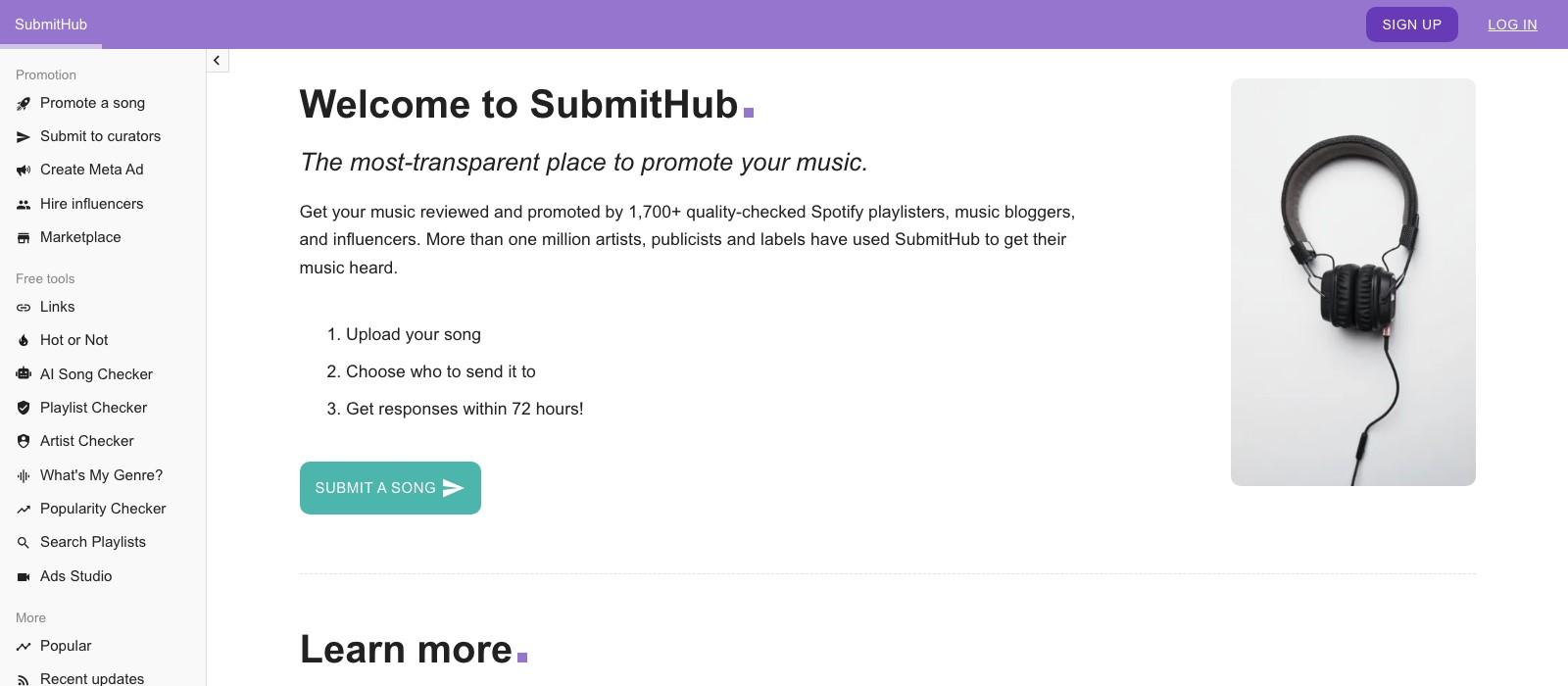
SubmitHub: 23.2% of 1 million submissions were fully AI-generated
SubmitHub analysed 1M+ releases in its promo pipeline. The number missing from other coverage: another 15.3% showed AI audio reworked by humans afterwards. Close to 4 in 10 pitched tracks carry AI somewhere in the chain, and these are songs artists paid to pitch.
Steve Canfield: the AI chart rules ask if a record is human, never if the song is
The Song Cage founder dissects IFPI’s chart eligibility principles and the uppercase-AI / lowercase-ai labels behind them: every rule stops at the recording. AI-assisted songwriting stays invisible to the entire disclosure stack, including Apple’s new labels.
My read: a track can be tagged, badged and watermarked and still say nothing about who wrote the topline.
My Take: the Hook deal works because the remixes stay on social

The Hook x UMG deal reads different once you notice what it leaves out. Nothing in the announcement covers distribution of the remixes on DSPs. From what I can tell, the clips live on social platforms only.
I think this is the smart part of the deal. Every fan remix becomes traffic pointing back at the original track, where streams pay the artist. More remixes, more people finding their way to the source recording.
Most coverage also skipped the legal question underneath: could fans legally remix before this? I dug into it for my article. I’m not a lawyer, but from what I found: no, not really. A remix counts as a derivative work, so you needed the label’s okay plus the publisher’s. No automatic license existed. Hook pre-clears it per song.
Watch whether the remixes stay locked to social. The day one crosses over to Spotify, this stops being a marketing channel and becomes a royalty question.
One thing to do this weekend: spend 20 minutes inside Suno Studio
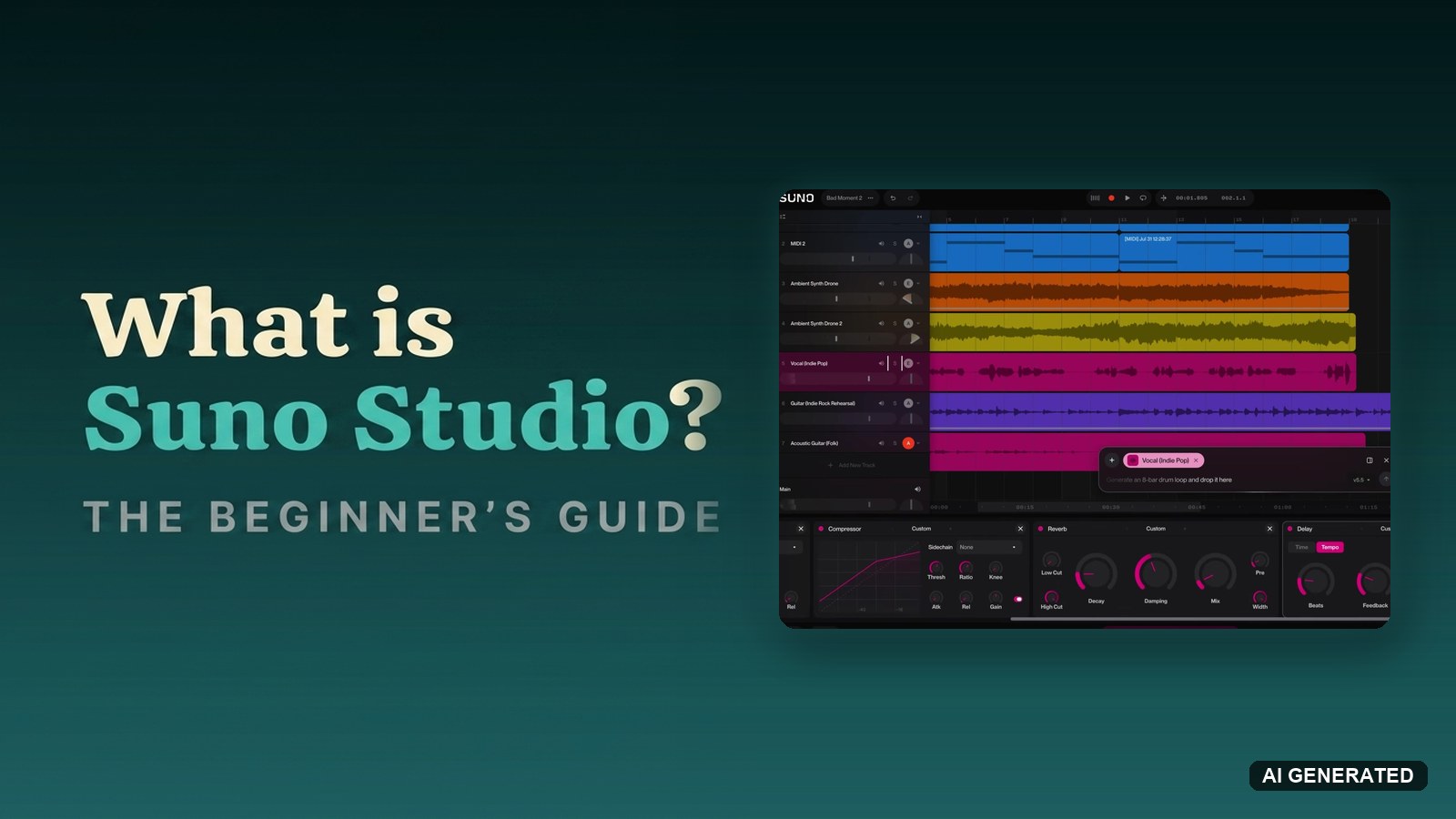
Spend 20 minutes inside Suno Studio before you read about it in another court filing.
Suno spent the week in complaints and patent portfolios. The tool everyone is fighting over is still a browser DAW you can open right now. Start with my beginner’s guide to Suno Studio, then go as deep as you want: MIDI, mixing with all 7 effects, recording vocals, or building your own plugin by describing it.
About The AI Music Briefing
The AI Music Briefing is a weekly Friday read for music industry professionals working at the intersection of AI and the traditional music business. Curated and written by Christopher Wieduwilt, founder of The AI Musicpreneur. Browse every issue of the briefing.
Got a tip, a story, or a partnership idea? Reach out any time. Every message lands directly in my inbox.
Always rooting for you,
Christopher
About the author
Covering AI music tools, industry shifts, and news for music creators and professionals. Twice-weekly newsletter at aimusicpreneur.com.