Metric bots and 'artificial musicians' are marginalising real artists, Queen's University Belfast research warns
My stack My fav 6 tools for AI music after testing 70+
-
 ElevenMusic · Music generation
 -
 Moises · Stem separation
 -
 Controlla · Voice swap & cloning
 -
 Cryo Mix · Mixing + mastering
 -
 Neural Frames · Music videos
 -
 ONCE · Distribution
Some links are affiliate links — I earn a commission at no cost to you. Every tool here is one I run myself and truly believe in. This stack is proven.
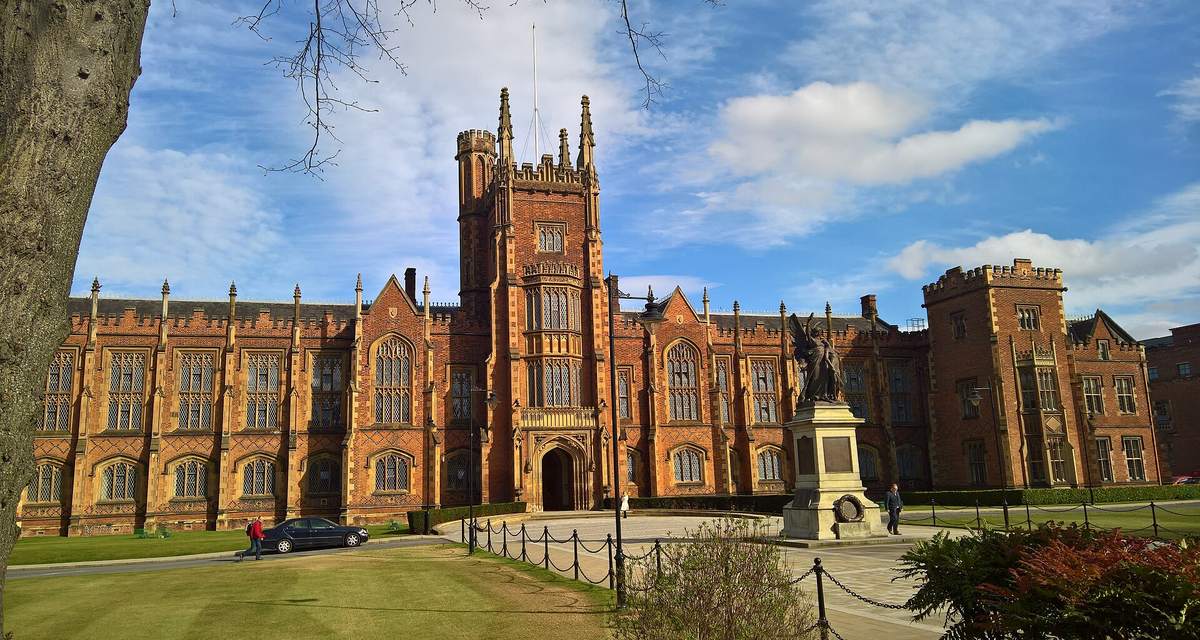
Musicians are being “squeezed out” and “marginalised” by automated systems running across streaming, ticketing and social media, according to Queen’s University Belfast research published on August 20, 2026. Dr Katherine Pittalis argues both musicians and fans are being “shortchanged” by the absence of controls, and names the UK regulatory framework as the weak link.
Her research splits the problem into two named mechanisms. Metric bots inflate engagement numbers such as likes and follows. “Artificial musicians” go further, combining deepfake tools with bot networks to build an AI influencer with nobody behind it.
What Queen’s University Belfast means by metric bots and artificial musicians
The finding worth sitting with is how fast the automation adapts. Bots keep evolving to get around whatever rules social media, streaming and primary ticketing platforms put up, which makes any single platform fix temporary by design.
Ticketing is where the research gets concrete. On secondary platforms selling high-demand shows above face value, Pittalis documented multiple cases of buyers handing over large sums for tickets never existing. Informal buy-and-sell groups, including ones anyone can set up on Facebook, came back as highly unregulated, and in some cases moderated by bots.
One detail lands harder than the rest: the study found bots moderating community notes sections, the feature social platforms built specifically so humans could fact-check each other.
This is neither simply a platform problem nor a state problem; effective regulation requires clearer legal duties and enforcement alongside much stronger platform-level detection, transparency and accountability.
Where the UK bot rules fall behind the EU and US
Pittalis puts the UK “woefully lagging behind” the EU and US on transparency around malicious bot use. The gap is visible in what each side has shipped. The EU AI Act transparency rules carry enforcement dates. UK policy on AI music labelling is still being written.
Platforms have moved ahead of the UK regulator in the meantime. Spotify starts applying AI Persona badges to artist profiles from mid-September 2026, and Deezer has been tagging AI uploads for over a year. Both are company policy rather than law, which is the point Frosio makes about needing legal duties alongside platform detection.
Pittalis is extending the work into a book covering social bots used to wreck a musician’s reputation, citing the explicit Taylor Swift deepfakes spread across social platforms in 2024. The research was reported by the Press Association.
Frequently asked questions
What did Dr Katherine Pittalis research at Queen's University Belfast?
Pittalis examined how AI is used across music streaming platforms, online concert ticket retail and music-related social media content. Her work identifies malicious automation as the mechanism marginalising musicians and shortchanging consumers. Professor Giancarlo Frosio of the School of Law and Professor Hans Vandierendonck of the School of EEECS supervised the research.
What is a metric bot in the Queen's University Belfast music research?
A metric bot is automation inflating engagement numbers such as likes and follows on social media. It makes an act look bigger than its real audience. The research places metric bots alongside artificial musicians, where deepfake tools and bot networks combine to build an AI influencer with no person behind it.
How does UK bot regulation compare to the EU and US, according to Queen's University Belfast?
Pittalis argues the UK framework is woefully lagging behind both on transparency around how malicious actors use bots. Her research found bots continually adapting to get around the rules set by social media, streaming and primary ticketing platforms. UK policy on AI music transparency labels is still in development.
What did Queen's University Belfast find about concert ticket scams and bots?
The research documented multiple cases on secondary ticketing platforms where buyers handed over large sums for tickets never existing. It also found informal buy-and-sell groups, including ones set up on Facebook, are highly unregulated and sometimes moderated by bots.
About the author

Covering AI music tools, industry shifts, and news for music creators and professionals. Twice-weekly newsletter at aimusicpreneur.com.