EU AI Act transparency rules take effect, and the AI music watermark duty lands on the tool makers
My stack My fav 6 tools for AI music after testing 70+
-
 ElevenMusic · Music generation
 -
 Moises · Stem separation
 -
 Controlla · Voice swap & cloning
 -
 Cryo Mix · Mixing + mastering
 -
 Neural Frames · Music videos
 -
 ONCE · Distribution
Some links are affiliate links — I earn a commission at no cost to you. Every tool here is one I run myself and truly believe in. This stack is proven.
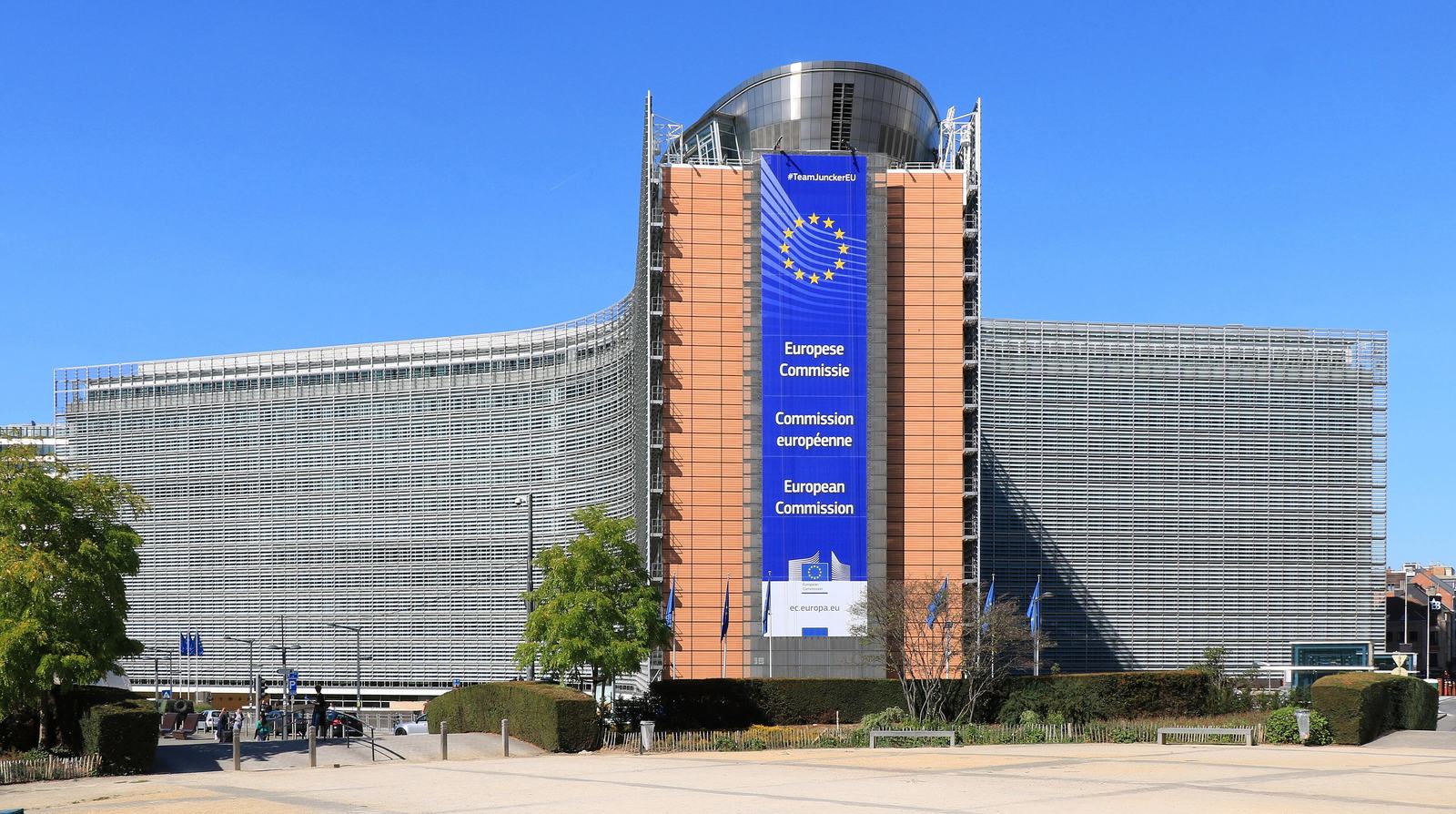
On Sunday, August 2, 2026, a block of EU AI Act rules moved from written law to enforceable law. Consumer-facing transparency requirements, compliance duties and regulatory enforcement powers all switched on at once, and the piece that lands hardest on music is Article 50.
Most of the coverage read it as a labelling mandate on artists. Article 50 puts the machine-readable watermark on the company that built the AI system, so the duty lands on Suno, Udio and OpenAI. An independent producer using those tools to make a creative record owes no visible label on the art.
Who Article 50 makes responsible for marking AI audio
Article 50 splits the duty in 2, by role. The provider is the company that builds and ships the AI system. The deployer is whoever uses it.
Providers of AI systems generating synthetic audio have to mark the outputs in a machine-readable format so the file is detectable as artificially generated. That is the watermark, and it sits with Suno, Udio and OpenAI. It is also why Suno confirmed audio watermarking within weeks on August 6.
The deployer duty is narrower than the headlines. A creator has to disclose when the content is a deepfake, meaning AI-generated audio, image or video resembling real people, places or events that would falsely read as authentic. The other trigger is text published to inform the public on matters of public interest. A creative record is neither.
Article 50 then carves out art directly. Where the content forms part of an evidently artistic, creative, satirical or fictional work, disclosure is limited to noting the AI-generated element in a way that does not hamper the display or enjoyment of the work. No banner across the cover, no interruption of the listen.
Systems built for detection and disclosure were already arriving ahead of the deadline. Music Ally points to the new labelling frameworks for AI music and to proof-of-human fingerprinting startups as evidence the market moved first and the law caught up.
The second piece is training data. Developers of general-purpose AI models have to build policies that detect, respect and enforce rightsholder opt-outs. Put digital opt-out metadata on a song, and an AI company cannot lawfully train on it for the EU market without paying for a licence.
Why the EU AI Act still reaches producers outside Europe
The obligations attach to whoever puts the AI system or its output in front of EU users, so a bedroom producer in Ohio uploading an AI-assisted track to a service with EU listeners does sit inside the perimeter. What lands there is thin. The watermark belongs to the tool maker, and a creative release triggers neither the deepfake rule nor the public-interest rule.
The weight falls on the AI companies, and so do the penalties. Breaching the Article 50 transparency duties can draw fines of up to €15 million or 3% of worldwide annual turnover, whichever is higher. Universal Music Group already told investors what compliance costs look like, flagging “significant obligations and costs related to monitoring and compliance” tied to laws like the AI Act in its 2025 annual filings.
What you should do with your own releases now
The law does not make you label a creative record, and the platforms will get there first anyway. Distributors and DSPs are writing their own disclosure fields, and the watermark now travelling inside the file gives them something to check your answer against.
The industry has been converging on this for months through the RIAA and IFPI labelling system, and Suno, DIMA and Deezer have already responded to the proposal. Those are commercial rules, not the AI Act, and they will reach you sooner than Brussels does.
There is a second reason to move early. The German court that ruled against Suno for GEMA in July showed European courts are willing to act on AI training without waiting for the AI Act. Regulation and litigation are now pushing the same direction, and a documented workflow is the cheapest insurance either way. A plain-language article-by-article breakdown of the Act is worth an hour of your time if you release into Europe.
Frequently asked questions
What does the EU AI Act require for AI-generated music from August 2026?
Article 50 puts the machine-readable watermark on the provider of the AI system, so Suno, Udio and OpenAI have to mark their outputs in a format platforms can detect. A creator using those tools only owes a visible disclosure when the content is a deepfake or text published to inform the public on matters of public interest. Evidently artistic and creative work is carved out, and any disclosure there must not hamper the display or enjoyment of the work.
Does an Ohio producer releasing AI-assisted music to EU listeners need an AI label?
No. The Act reaches producers outside the EU whose output is used inside it, so an Ohio producer with EU listeners does sit in scope. What lands there is thin. The watermark duty belongs to the AI company that built the tool, and a creative music release is neither a deepfake nor public-interest text, so no visible label is required on the art itself.
How do rightsholder opt-outs work under the EU AI Act?
General-purpose AI developers have to establish policies that detect, respect and enforce opt-outs. When a rightsholder attaches digital opt-out metadata to a recording, an AI company cannot lawfully train on that track for the EU market without a paid licence.
About the author

Covering AI music tools, industry shifts, and news for music creators and professionals. Twice-weekly newsletter at aimusicpreneur.com.