The RIAA and IFPI propose an AI music labelling system with two tags, AI and ai
My stack My fav 6 tools for AI music after testing 70+
-
 ElevenMusic · Music generation
 -
 Moises · Stem separation
 -
 Controlla · Voice swap & cloning
 -
 Cryo Mix · Mixing + mastering
 -
 Neural Frames · Music videos
 -
 ONCE · Distribution
Some links are affiliate links — I earn a commission at no cost to you. Every tool here is one I run myself and truly believe in. This stack is proven.
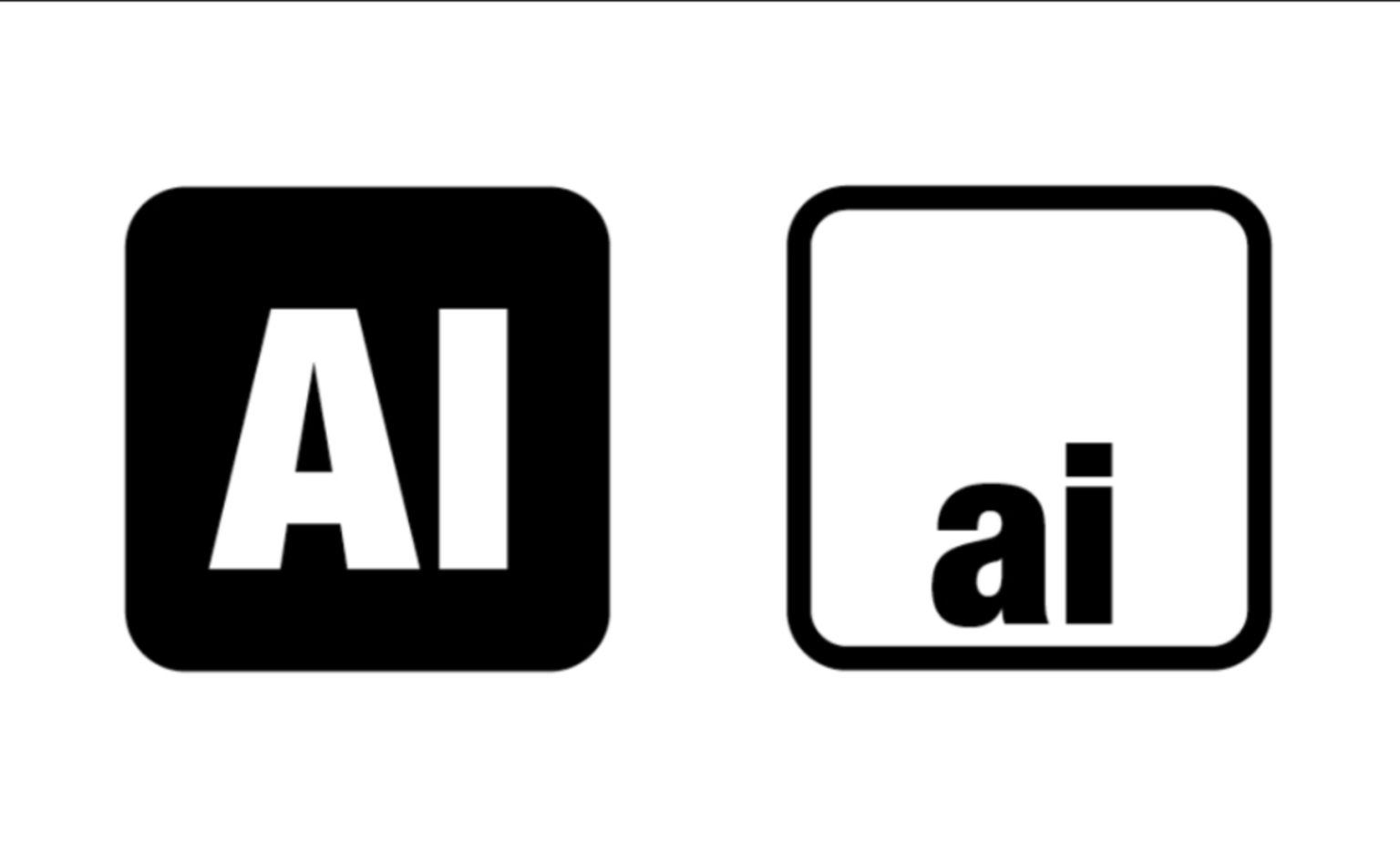
The RIAA and IFPI, the US and global recorded-music bodies, proposed a system on July 10, 2026, to label AI on streaming services. The Wall Street Journal broke the news, and the IFPI followed with an official announcement. It uses two tags: a capital “AI” and a lowercase “ai.”
How the two labels work
The split is the whole idea. A capital “AI” marks a track that is wholly AI-generated, or one where the lead vocals or key instrumental performances are AI. A lowercase “ai” marks an AI-assisted track that was created substantially by humans, with AI used only for certain elements of an otherwise-human process.
This is the first time the major-label side of the industry has a shared proposal for listener-facing AI labels, rather than every platform building its own. The point is to tell fans, at a glance, whether and how AI was involved in what they are hearing.
Who is behind it
The initiative is led by the RIAA and IFPI. It is backed by the indie-label body A2IM, the Recording Academy, the performers’ union SAG-AFTRA, and the Human Artistry Campaign.
Fans want to know whether and how generative AI has been used in the music to which they listen.
The catch: streaming still has to say yes
A labelling scheme only works if the streaming services adopt the badges, and it is unclear whether any have agreed. The streaming lobby DiMA gave a cautious welcome, but stressed that the system needs accurate metadata flowing the whole way from creator to fan.
We look forward to receiving more detailed and accurate AI metadata, which will strengthen our ability to give fans the transparency they deserve.
The plan does not yet involve DDEX, the body that sets music metadata standards, and no platform has publicly signed on. Each big service already runs its own approach. Spotify collects AI credits from artists, Apple Music has its own transparency tags, and Tidal and Deezer use detection to flag fully AI tracks. Whether they bend those toward one shared badge is the whole game.
Days after the BBC said the standard did not exist
The timing is sharp. On July 6, the BBC’s Director of Music, Lorna Clarke, pledged AI transparency but admitted the commitment hinged on an industry labelling standard that did not yet exist. Four days later, the RIAA and IFPI proposed one. The gap Clarke named is the gap this system is trying to close.
Where it lines up with SIQA, and where it stops
The two-tag idea is not new thinking. The SIQA framework, which SIQA uses to classify artists on its AI Music Charts, has been splitting AI music into tiers for a while. The RIAA and IFPI labels map cleanly onto two of them: capital “AI” is SIQA’s Fully AI-Generated, lowercase “ai” is its AI-Assisted.
SIQA has a third tier the two badges leave out: Human + AI Hybrid. That tier is for an artist who clones and reproduces their own voice, with the voice model derived only from that artist. The vocal is AI-generated, but it is the artist’s own consented voice, not a stranger’s.
That third case is where the two tags and SIQA part ways. Under the RIAA and IFPI rule, a capital “AI” applies when the lead vocals are AI, so an artist who clones their own voice, with consent, to sing their own song would carry the same capital “AI” badge as a track built from a text prompt. For the artists doing consented hybrid work, that is worth watching as the labels meet real releases.
Frequently asked questions
What is the RIAA and IFPI AI music labelling system?
It is an industry proposal, unveiled on July 10, 2026, to label AI use on streaming services with two tags. A capital "AI" marks tracks that are wholly AI-generated or whose lead vocals or key instruments are AI. A lowercase "ai" marks AI-assisted tracks made substantially by humans. The Wall Street Journal first reported it, and the IFPI published an official announcement.
What is the difference between the AI and ai labels?
The capital "AI" label is for tracks that are wholly AI-generated, or where the lead vocals or key instrumental performances are AI. The lowercase "ai" label is for AI-assisted tracks that were created substantially by humans, with AI used only for certain elements of an otherwise-human process.
Which organizations are backing the AI music labelling system?
The initiative is led by the RIAA and IFPI. It is also backed by the indie-label body A2IM, the Recording Academy, the performers' union SAG-AFTRA, and the Human Artistry Campaign. The streaming lobby DiMA gave a cautious welcome through CEO Graham Davies.
Will Spotify and Apple Music use the new AI music labels?
It is not yet clear. No streaming service has publicly agreed to adopt the badges. Spotify, Apple Music, Tidal, and Deezer each already run their own AI-disclosure or detection systems, so the proposal only works if they adapt those toward the shared tags. The metadata standards body DDEX is not yet involved.
How does the labelling system compare to SIQA's AI music classification?
The two tags map onto two of SIQA's three tiers, AI for Fully AI-Generated and ai for AI-Assisted. SIQA adds a third tier, Human + AI Hybrid, for an artist who clones and sings with their own voice. The two-tag system has no badge for that consent-based case, so a self-voice clone can land under the same "AI" label as a fully synthetic track.
About the author

Covering AI music tools, industry shifts, and news for music creators and professionals. Twice-weekly newsletter at aimusicpreneur.com.