BBC music boss Lorna Clarke says it will label AI in the music it plays, if the industry ever agrees how
My stack My fav 6 tools for AI music after testing 70+
-
 ElevenMusic · Music generation
 -
 Moises · Stem separation
 -
 Controlla · Voice swap & cloning
 -
 Cryo Mix · Mixing + mastering
 -
 Neural Frames · Music videos
 -
 ONCE · Distribution
Some links are affiliate links — I earn a commission at no cost to you. Every tool here is one I run myself and truly believe in. This stack is proven.
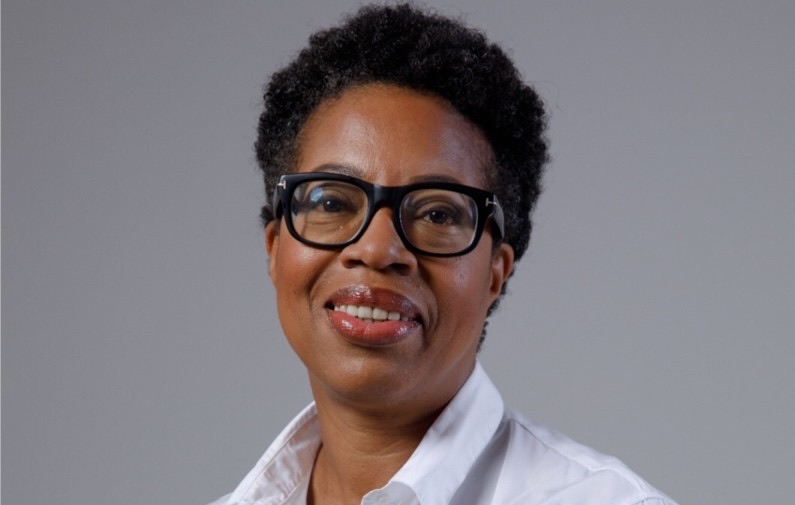
The BBC’s Director of Music, Lorna Clarke, laid out the broadcaster’s AI policy on July 7, 2026, and it reads well on paper. The BBC will favour music made through meaningful human creativity, be transparent when artists use AI, and never knowingly air AI tracks that infringe copyright. The problem is that two of those three promises depend on something that does not exist: an industry-wide way to declare and label AI use.
What the BBC committed to
Clarke’s core line is that the BBC’s stations and platforms will always prioritise music that is “the result of meaningful human creativity.” That does not ban AI. Artists can use AI tools, they just cannot hand the machine the whole job.
The BBC also wants to be open about how AI was used in the music it champions. And Clarke pledged the broadcaster will “never knowingly broadcast AI-generated music that infringes existing copyright works.”
The BBC will never knowingly broadcast AI-generated music that infringes existing copyright works.
The labelling standard that does not exist yet
Transparency sounds simple until you ask how it works. The BBC’s plan needs artists and labels to declare AI use when they submit music. But the industry has not agreed how AI in music creation should be identified, declared, or labelled at all.
So the BBC is committing to a disclosure system that has no shared rules behind it. Until the industry builds one, the promise is a statement of intent, not a process.
The copyright pledge has the same problem, only harder
The no-infringement promise runs into a definition gap. Does it mean music that clearly copies an existing work in the output? Or any music from a model trained on unlicensed songs?
If it is the second reading, the BBC is in trouble, because most AI companies stay vague about what they trained on. Schemes like Ed Newton Rex’s Fairly Trained, which certifies models built only on licensed content, help at the edges. But many of the tools creators reach for today were trained on unlicensed work, so certification covers a small corner of the market.
Why the BBC is under more pressure than a streaming platform
As a public service broadcaster, the BBC gets extra scrutiny on this. It already learned that the hard way. Last year the West Midlands edition of BBC Introducing featured an AI-generated track in an Artist of the Month spot and took heavy criticism from musicians.
This is where the story sits for artists. A platform like Deezer can build its own AI detector and act on it. The BBC is trying to act on disclosure it cannot yet demand in any standard form. The intent is right. The mechanism is missing, and it will stay missing until the industry stops arguing about labelling and settles on a standard.
Frequently asked questions
What is the BBC's AI music policy?
BBC Director of Music Lorna Clarke set it out on July 7, 2026. The BBC will prioritise music that is the result of meaningful human creativity, though artists can still use AI tools in the process. The broadcaster wants transparency about how AI was used, and pledges never to knowingly broadcast AI-generated music that infringes existing copyright works.
Why can't the BBC just label AI music now?
Because the wider music industry has not agreed how AI use should be identified, declared, and labelled. The BBC's transparency plan relies on artists and labels disclosing AI use when they submit music, and there is no shared standard for that yet. Until one exists, the BBC's commitment is hard to enforce.
How does the BBC define AI-generated music that infringes copyright?
That is the unresolved part. It could mean music that clearly copies an existing work in its output, or any music made by an AI model trained on unlicensed songs. Most AI companies are vague about their training data, so the second reading would be far harder for the BBC to police.
What is Fairly Trained and how does it relate to the BBC's pledge?
Fairly Trained is a certification scheme from Ed Newton Rex that flags AI models trained only on licensed content. It can help the BBC identify cleaner tools, but it covers a small slice of the market. Many AI tools used by creators today were trained on unlicensed works, which limits how far certification alone can carry the BBC's no-infringement promise.
About the author

Covering AI music tools, industry shifts, and news for music creators and professionals. Twice-weekly newsletter at aimusicpreneur.com.