Apple Music’s new AI tagging rule affects 4 content categories. Here’s what creators need to report now:
My stack My fav 6 tools for AI music after testing 70+
-
 ElevenMusic · Music generation
 -
 Moises · Stem separation
 -
 Controlla · Voice swap & cloning
 -
 Cryo Mix · Mixing + mastering
 -
 Neural Frames · Music videos
 -
 ONCE · Distribution
Some links are affiliate links — I earn a commission at no cost to you. Every tool here is one I run myself and truly believe in. This stack is proven.

Key Highlights:
- Apple Music now mandates labels and distributors tag AI usage across artwork, tracks, compositions, and music videos
- Self-reporting applies immediately for new uploads, with potential removal for non-compliant content
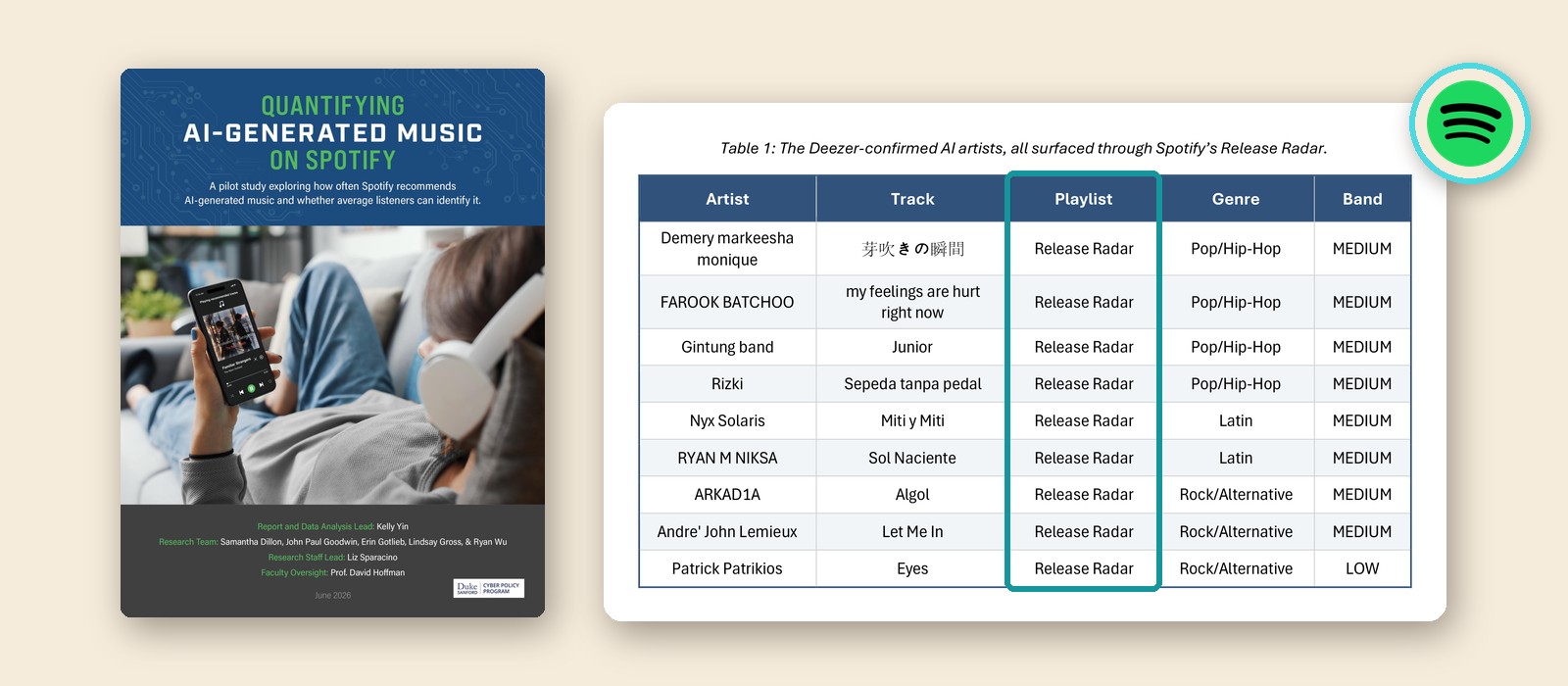
- The policy follows Deezer data showing 39% of uploads are AI-generated
Self-Reporting Tags Cover Four Content Categories
Apple Music announced Wednesday that all new music deliveries must include “Transparency Tags” disclosing AI usage. The requirement covers four categories: artwork, sound recordings, lyrics and compositions, and music videos. Labels and distributors must apply tags when AI generates a “material portion” of any content.
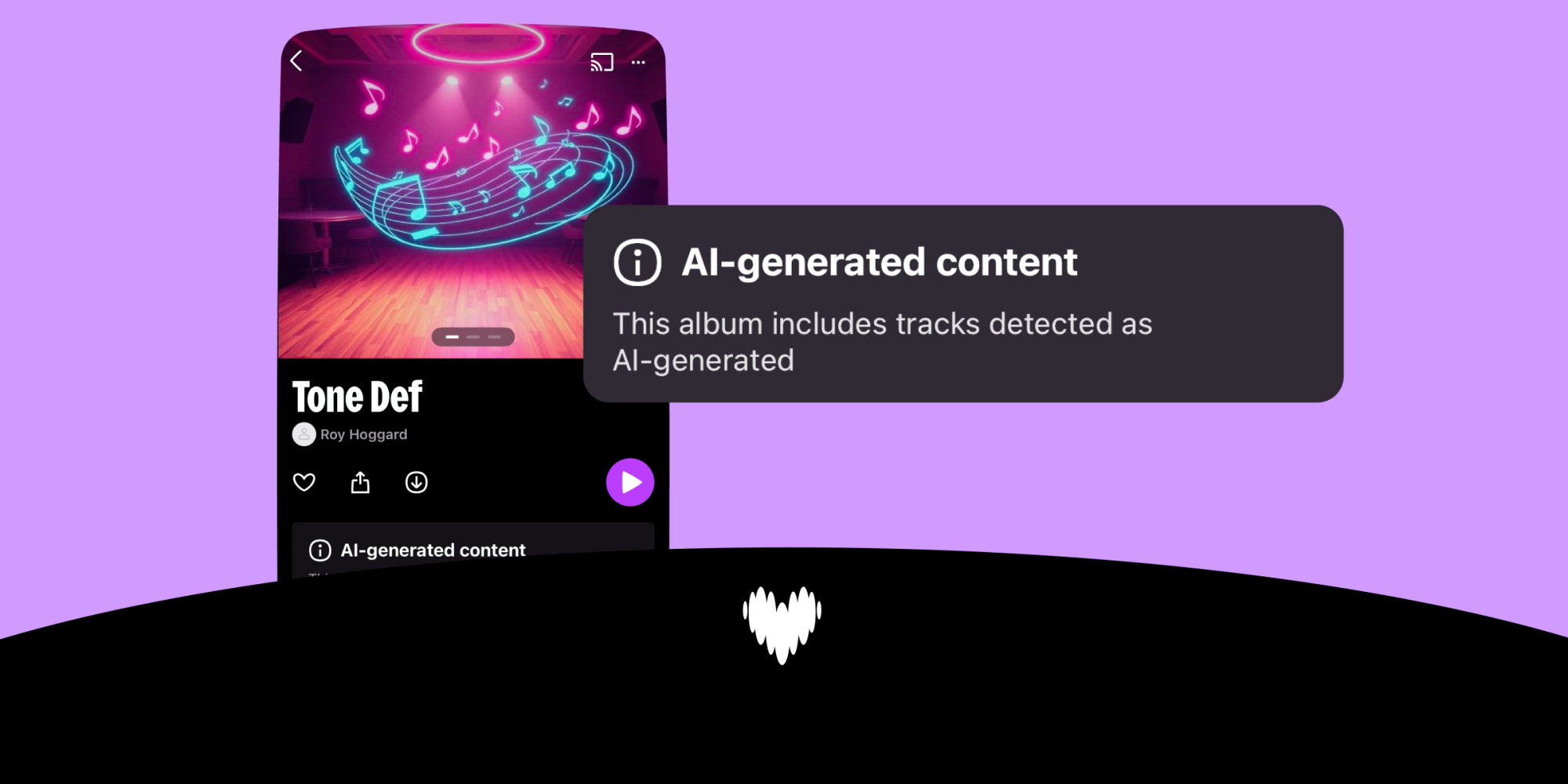
This marks Apple’s first formal AI regulation on its streaming platform. The move comes as Deezer’s AI detection reports 60,000 fully AI-generated tracks uploaded daily across streaming services.
Apple Frames Tags as Industry Best Practice
“These new tagging requirements provide a concrete first step toward the transparency necessary for the industry to establish best practices and policies that work for everyone,” Apple stated in its announcement to music industry partners.
Unlike Deezer’s automated detection or Bandcamp’s outright ban on AI content, Apple relies on rights holders to self-report. The company has not specified penalties but retains authority to remove or reject improperly tagged content. Spotify’s artist policies take a different approach, focusing on impersonation and spam removal rather than metadata tagging.
The DDEX metadata standards body is developing new fields to support these disclosures across the digital supply chain. Sony’s attribution tech and the CLEAR Act bill signal broader industry momentum toward AI transparency.
Vague Definitions Create Risk for Honest Creators
The “”material portion”” standard lacks clear boundaries. You need to decide whether AI-assisted mastering, stem separation, or generated drum loops qualify for disclosure. USCO AI guidance rules AI-generated content non-copyrightable, raising stakes for proper categorization.
Honest creators risk algorithmic suppression by over-reporting while bad actors ignore requirements. Previous Apple Music takedowns show enforcement errors already affect human artists.
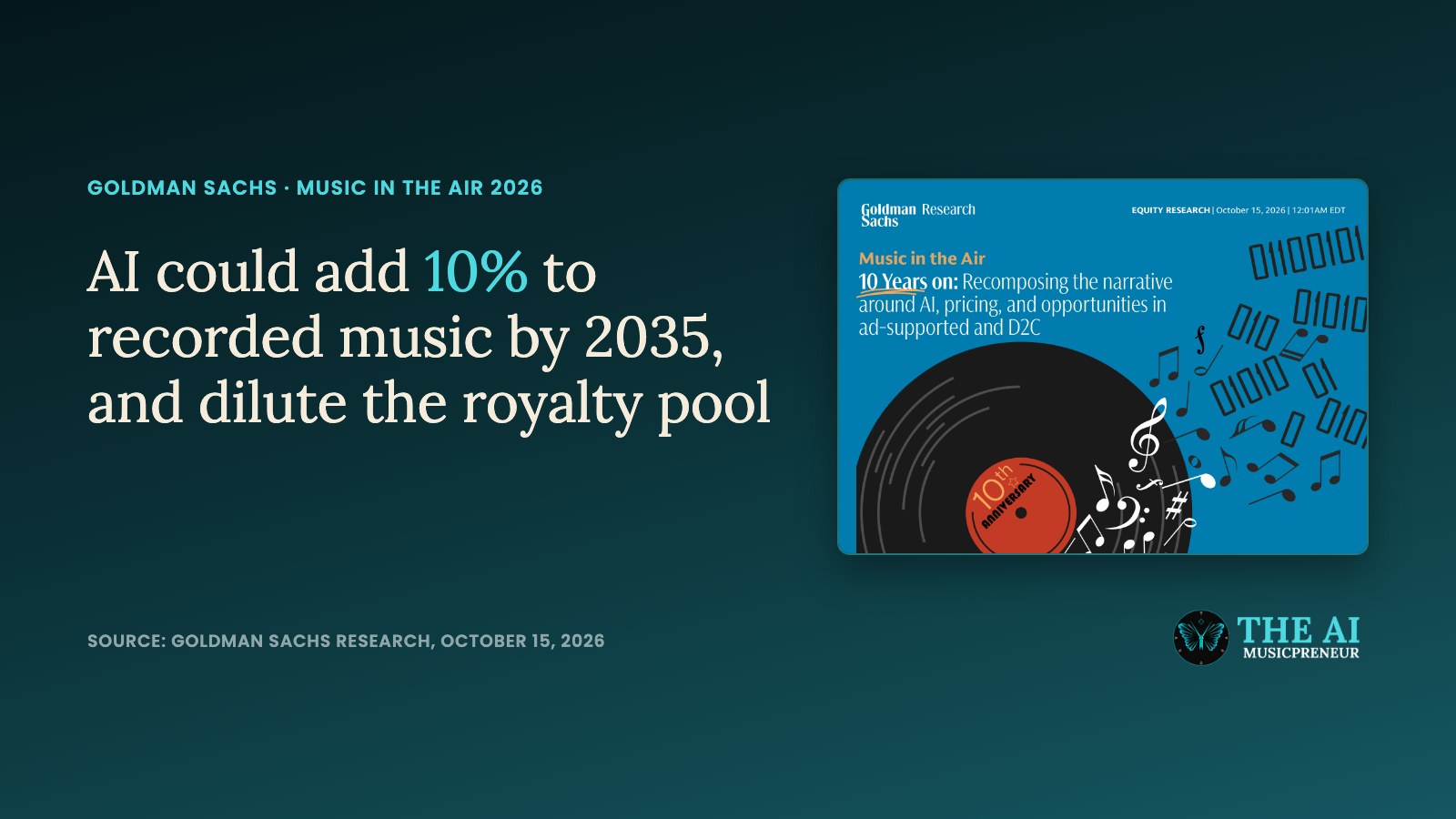
The Human Artistry Campaign supports these transparency measures as platforms prepare to protect royalty pool integrity from AI saturation.
Audit Your Production Chain Now
Start documenting every AI tool in your workflow today. Back-catalog tagging requirements are likely next. Distributors face immediate pressure to update ingestion systems for these four new data fields. Your metadata accuracy now determines your catalog’s future visibility and payout eligibility.”
About the author

Covering AI music tools, industry shifts, and news for music creators and professionals. Twice-weekly newsletter at aimusicpreneur.com.