GEMA wins Suno lawsuit: Munich court delivers first European ruling that AI music training needs a license
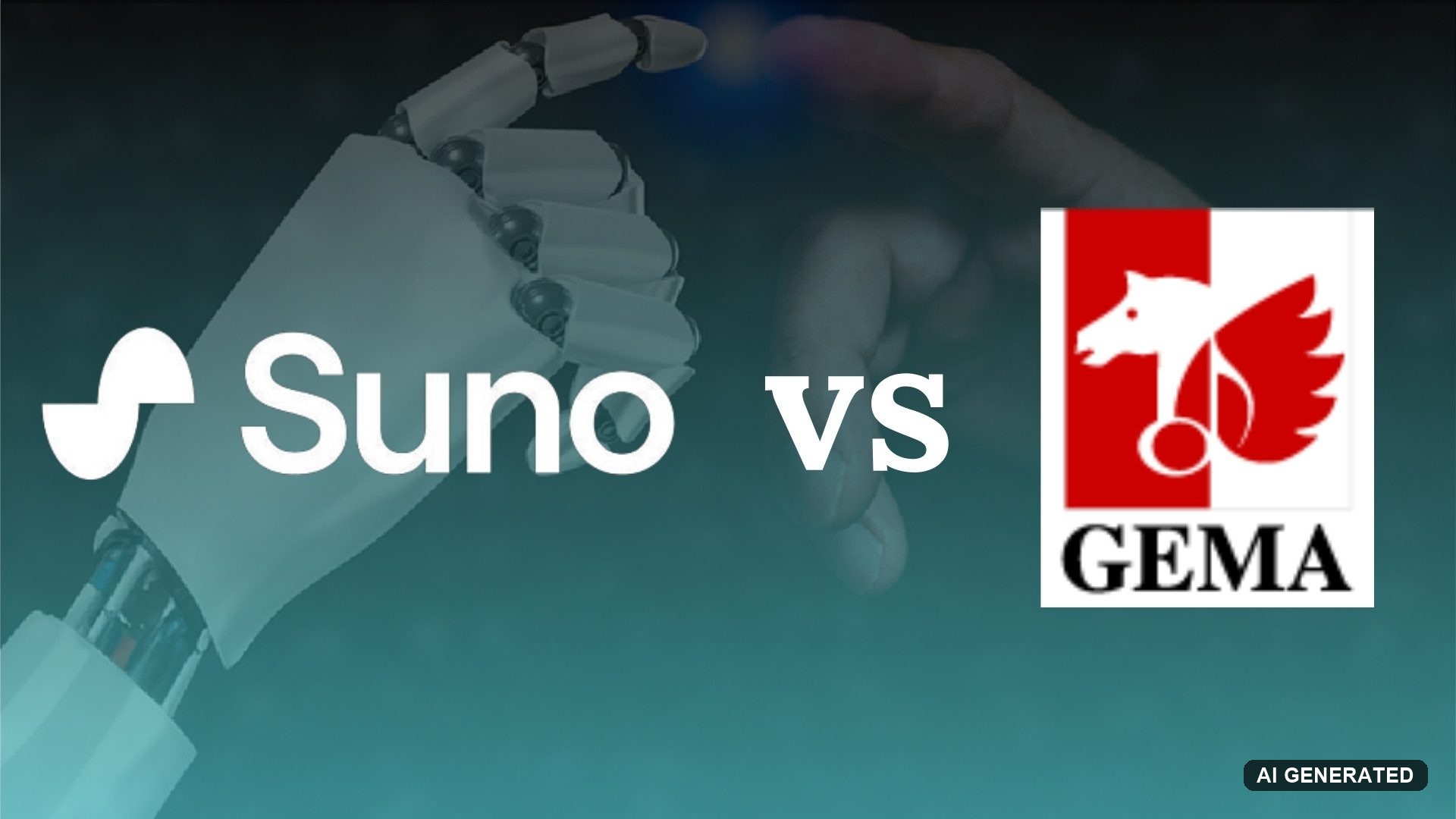
GEMA won its copyright lawsuit against Suno this morning. Judge Elke Schwager of the Munich Regional Court ruled on July 31, 2026 that the AI music company infringed songs written by the songwriters GEMA represents, siding with the German collecting society on virtually all points. It is the first European ruling to say AI companies need a license to train on music.
Suno must now disclose its revenues to GEMA and pay damages. The amount comes later, once GEMA sees the numbers.
What Judge Elke Schwager ruled in GEMA v. Suno
The 42nd Civil Chamber found 2 separate violations. Storing protected songs inside Suno’s model infringes the reproduction right. Serving outputs built on them to users infringes the right of making works available to the public.
Schwager went further after reading the verdict: it was undisputed, she said, that Suno used the works in training and pulled them from the internet via stream-ripping. The test catalog was small and famous on purpose: “Atemlos durch die Nacht”, “Forever Young”, “Big in Japan”, “Mambo No. 5”, “Daddy Cool” and “Rasputin”. In the March hearing, GEMA played the originals and Suno’s outputs back to back in the courtroom, and the melodies matched.
The judgment is not yet final. Suno can appeal, and Music Ally reports the company had not commented by publication time. The full case history, from the January 2025 filing to today, sits in my GEMA v. Suno case tracker.
Why Europe’s first AI training ruling reaches beyond Germany
The chamber confirmed the line it drew in November 2025, when the same judge ruled OpenAI violated copyright by memorizing song lyrics in ChatGPT. The EU’s text-and-data-mining exception, the clause AI companies lean on to defend scraping, got read narrowly again. Courts in other EU states now have a precedent to cite, per Reuters.
The timing is uncomfortable for Suno in the US too. Warner already settled and licensed, while Sony and Universal are pushing damages claims past $9 billion in Boston. Every unlicensed catalog in the training data got more expensive today.
GEMA planned for this moment. A week before the verdict, it launched PLAI, a licensed training dataset. The message to AI companies: here is the legal way to do what the court says you can’t do for free.
For you as a musician, nothing changes at the prompt box. Suno stays available in Germany, and this case was about payment, never about a ban. Expect the pressure to show up downstream instead: licensing costs feed subscription prices, and licensed models tend to add guardrails against outputs close to protected songs.
Frequently asked questions
What did the Munich Regional Court decide in GEMA v. Suno?
On July 31, 2026, the 42nd Civil Chamber under presiding judge Elke Schwager ruled Suno infringed the copyrights of songwriters GEMA represents. The court held storing works inside the model violates the reproduction right and serving outputs to users violates the making-available right. Suno must disclose its revenues and pay damages.
Which songs were part of the GEMA v. Suno ruling?
The test catalog included 'Atemlos durch die Nacht', 'Forever Young', 'Big in Japan', 'Mambo No. 5', 'Daddy Cool' and 'Rasputin'. GEMA argued the works were stored in Suno's model and came back nearly identical from simple prompts, and the court agreed.
Can Suno appeal the Munich GEMA ruling?
Yes. The July 31, 2026 judgment is not yet legally final, and Suno can take the case to a higher German court. Suno had not commented publicly on the ruling as of the morning it was published.
Does the GEMA v. Suno ruling ban Suno in Germany?
No. The ruling orders Suno to stop reproducing the specific protected works without consent, to disclose its revenues, and to pay damages. The tool itself stays available in Germany while any appeal runs.
How does the GEMA v. Suno ruling build on GEMA's OpenAI win?
The same 42nd Civil Chamber ruled in November 2025 OpenAI violated copyright by memorizing song lyrics in ChatGPT. The Suno decision applies the same narrow reading of the EU text-and-data-mining exception to music generation, giving GEMA 2 wins against AI companies in Munich within 9 months.
About the author

Covering AI music tools, industry shifts, and news for music creators and professionals. Twice-weekly newsletter at aimusicpreneur.com.