
Ticketmaster is the first music partner for Meta's Muse AI agent, but it won't buy your tickets
My stack My fav 6 tools for AI music after testing 70+
-
 ElevenMusic · Music generation
 -
 Moises · Stem separation
 -
 Controlla · Voice swap & cloning
 -
 Cryo Mix · Mixing + mastering
 -
 Neural Frames · Music videos
 -
 ONCE · Distribution
Some links are affiliate links — I earn a commission at no cost to you. Every tool here is one I run myself and truly believe in. This stack is proven.
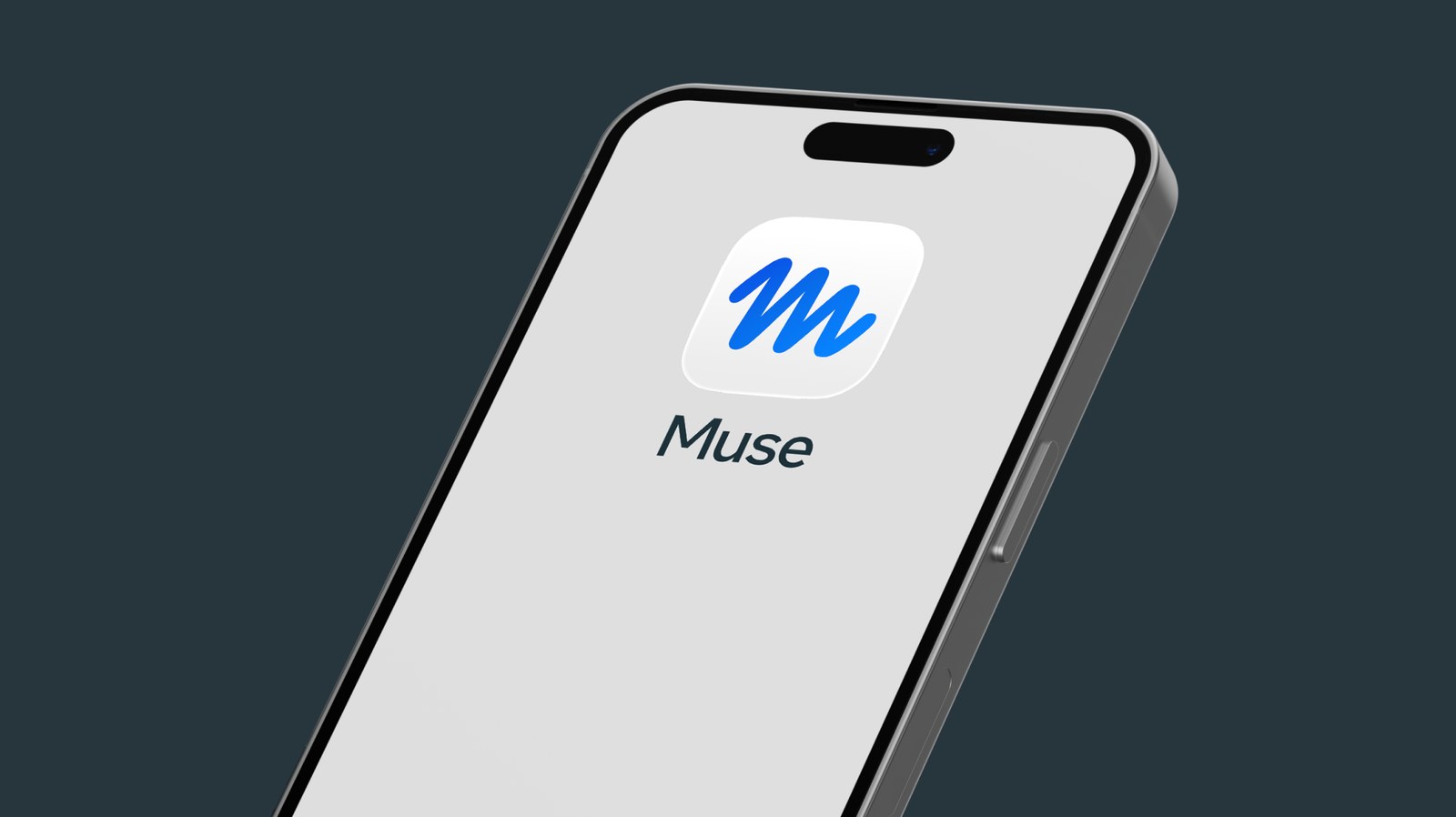
Ticketmaster is the first music company to plug into Muse, the personal AI agent Meta announced on September 8, 2026. It arrives as a “connector” that fans choose to add to their own agent. Once it is on, Muse recommends concerts, sports matches and other live events that match their interests, with real-time seating options and ticket pricing attached. What it will not do is buy anything.
What the Ticketmaster connector does inside Meta’s Muse
Muse is Meta’s attempt at an assistant that people with no technical background can run out of the box. Mark Zuckerberg spent July talking up “new personal agents that will be the foundation for our next wave of products and revenue lines,” then published a 6,500-word manifesto in August about everyone having a capable personal agent. Muse is the first shipped product built on that pitch.
The Ticketmaster piece is opt-in. A fan connects it once, and from then on the agent can raise events on its own rather than waiting to be asked. Ticketmaster lists four things the connector enables: surfacing live experiences that fit the fan, bringing specific event options forward, letting the fan browse real-time seating and pricing, and then passing them through to checkout.
Fans are discovering live events across multiple platforms, and personal AI agents are becoming another part of how they explore what to do, where to go and who to see.
For artists and promoters the practical detail is buried in Ticketmaster’s third bullet: eligible events can pick up visibility in this new channel with no additional cost or integration work required. If your show is already listed on Ticketmaster, it is already in the pool.
Where Meta’s Muse hands fans back to Ticketmaster
The agent stops at the money. Fans who want to buy get popped out to Ticketmaster’s marketplace, which means Muse is doing discovery and comparison rather than transacting. Music Ally’s Stuart Dredge read that as a staging post rather than a design choice, noting that agents completing purchases looks like Meta’s actual ambition.
Ticketmaster has been laying this groundwork for a while. It already sits inside Gemini, Claude, ChatGPT and Amazon’s Alexa+, and I covered the wider scramble in my piece on SeatGeek, Ticketmaster and Spotify racing to own AI concert discovery. Muse is the fifth assistant on that list, and the first where the recommendation arrives unprompted.
What agentic discovery changes for independent artists selling tickets
This moves fans from searching to being told. When a fan types a query, your show competes on match quality against everything else that query returns. When an agent volunteers a recommendation because it knows the fan’s calendar and taste, your show competes for a slot in a much shorter list the fan never asked to see.
How that list gets ranked is undisclosed. Neither Meta nor Ticketmaster has published anything about it, and I would not build a strategy on guesses. What is verifiable today is narrower and more useful: your Ticketmaster listing is now the record that feeds an agent, so the accuracy of your event data, on-sale dates and artist name is doing work it was not doing last week.
Muse is US-only for now, in English, on web, iOS and Android. Meta says its AI glasses are next.
Frequently asked questions
What is the Ticketmaster connector in Meta's Muse AI agent?
It is an optional add-on that a fan switches on inside their own Muse agent. Once connected, Muse can bring forward concerts, sports matches and other live experiences that match the fan's interests, along with real-time event information, seating options and ticket pricing. Ticketmaster describes it as a connector rather than a full integration.
Can Meta's Muse AI agent buy concert tickets on its own?
No. Muse surfaces events and ticket options, then sends the fan to Ticketmaster's marketplace to complete the purchase. Ticketmaster says final purchases are all made within its own marketplace, so the fan stays in control of the payment step.
Do artists or promoters have to pay to appear in Meta's Muse?
Ticketmaster says eligible events can gain visibility through the new discovery channel with no additional cost and no integration work required. Events already listed on Ticketmaster are the pool Muse draws from, so there is no separate submission process announced so far.
Which AI assistants does Ticketmaster work with in 2026?
Alongside Meta's Muse, Ticketmaster has integrations with Google's Gemini, Anthropic's Claude, OpenAI's ChatGPT and Amazon's Alexa+. The company frames all of these as extensions of the same approach: making events findable wherever fans happen to be searching.
About the author

Covering AI music tools, industry shifts, and news for music creators and professionals. Twice-weekly newsletter at aimusicpreneur.com.