SeatGeek, Ticketmaster and Spotify are all racing to own AI concert discovery in 2026
My stack My fav 6 tools for AI music after testing 70+
-
 ElevenMusic · Music generation
 -
 Moises · Stem separation
 -
 Controlla · Voice swap & cloning
 -
 Cryo Mix · Mixing + mastering
 -
 Neural Frames · Music videos
 -
 ONCE · Distribution
Some links are affiliate links — I earn a commission at no cost to you. Every tool here is one I run myself and truly believe in. This stack is proven.
Key highlights
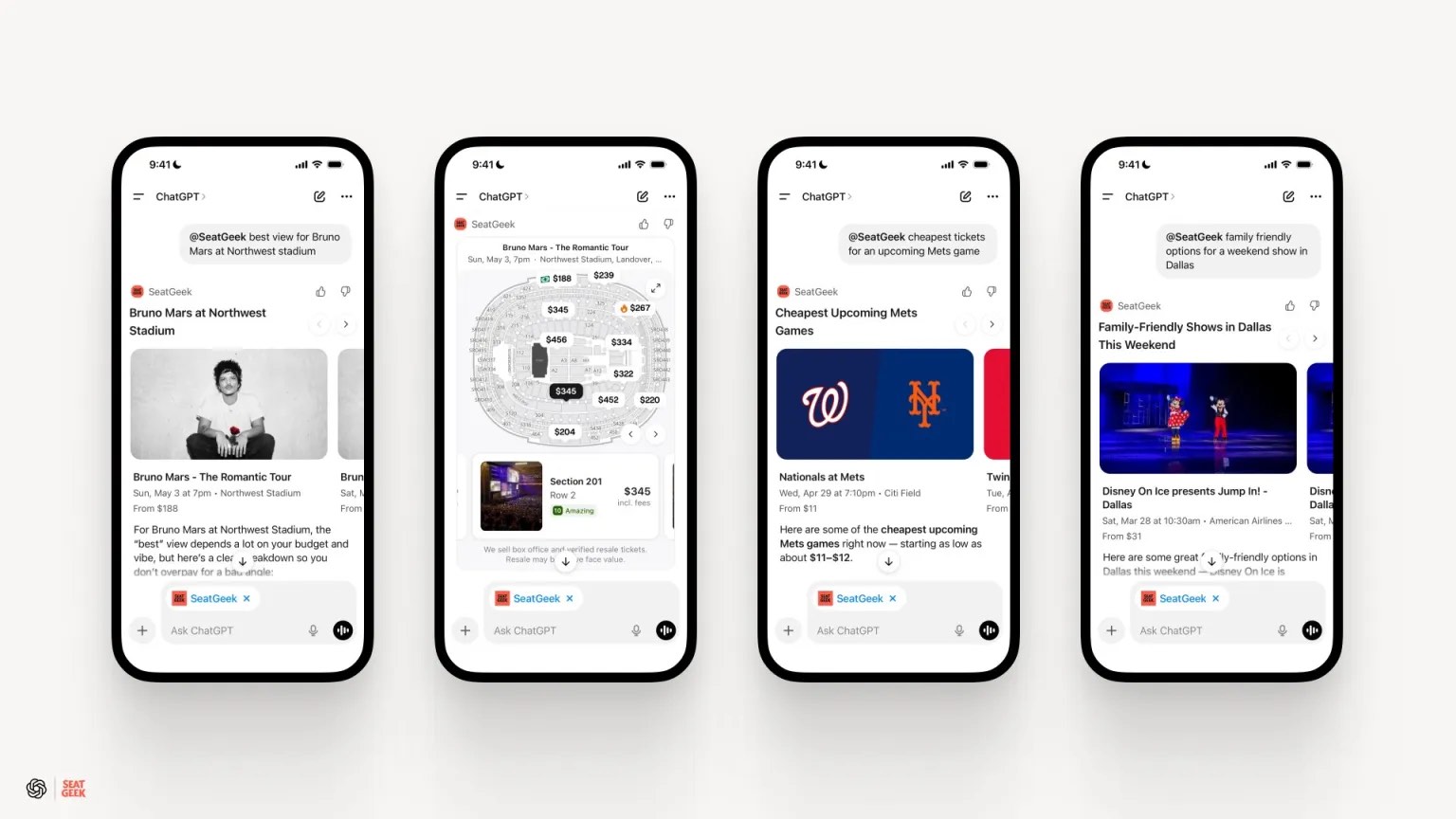
- SeatGeek launched in ChatGPT on March 31, 2026, becoming the first ticketer to offer blended primary and resale inventory in a single AI search experience.
- Ticketmaster is building with Google’s agentic AI search; Spotify added SeatGeek’s primary ticketing in February 2026 across 751M+ monthly active users.
- Edgar Dunn & Company projects £2.4 billion in UK ticket sales through AI agents by 2028, equivalent to 37% of total UK ticket sales.
Three platforms now fight for the AI discovery funnel
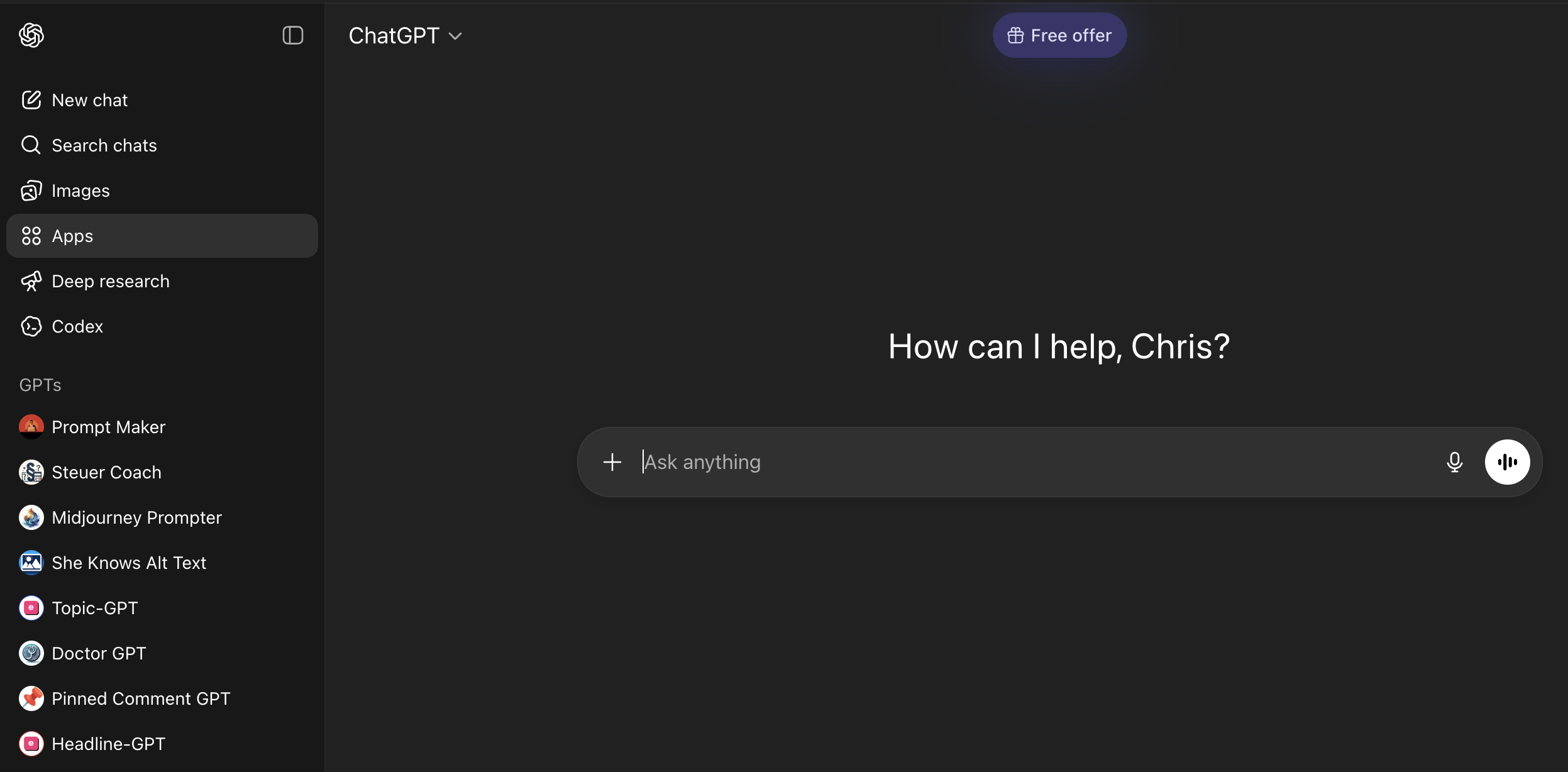
Concert ticketing has a new front line: the AI chatbot. Fans increasingly type “what’s on near me this weekend” into ChatGPT or Google AI Mode instead of opening a dedicated ticketing app. SeatGeek, Ticketmaster and Spotify are all placing bets on capturing that intent before a rival does.
SeatGeek’s March 31, 2026 ChatGPT launch is the sharpest move so far. Users can search for concerts using natural language queries — “cheapest seats at an upcoming show,” “best view,” “family-friendly options” — and browse both primary and resale inventory in a single flow, then complete the purchase on SeatGeek’s platform. Rivals Vivid Seats and Gametime already had ChatGPT apps, but neither offered blended primary and resale inventory.
Adam Waxman, Product Engineer at SeatGeek, said: “ChatGPT is where millions of fans are already asking questions about what to do and where to go — we want SeatGeek to be the answer when those questions turn to live events.”
SeatGeek’s AI distribution sprint started in December 2025
The ChatGPT Shazam integration isn’t the only sign that ChatGPT is becoming a music and entertainment commerce layer. SeatGeek has been building across AI surfaces for four months:
- December 2025: SeatGeek joined Google’s agentic AI search pilot alongside Ticketmaster, enabling conversational ticket discovery inside Google Search.
- February 2026: SeatGeek launched primary ticketing inside Spotify across 15 major US venue partners, reaching 751M+ monthly active users.
- March 31, 2026: ChatGPT integration launched — the most visible move yet.
Ticketmaster has followed a parallel path. Its partnership with Google’s agentic AI search lets users ask queries like “Find me two tickets to Shaboozey this weekend — standing floor if possible” and receive real-time inventory with direct checkout, according to the Ticketmaster x Google announcement. Ticketmaster president Saumil Mehta confirmed the company is also beta-testing autonomous agentic search with Google.
Why the £2.4B projection changes the stakes for live events
This isn’t a feature race. It’s a distribution shift with a measurable price tag. Edgar Dunn & Company projects the UK live events market will reach £6.5 billion in total ticket sales by 2028, with £2.4 billion of that flowing through AI agents — 37% of total UK sales. Arena and large venue categories are expected to see the highest adoption rates.
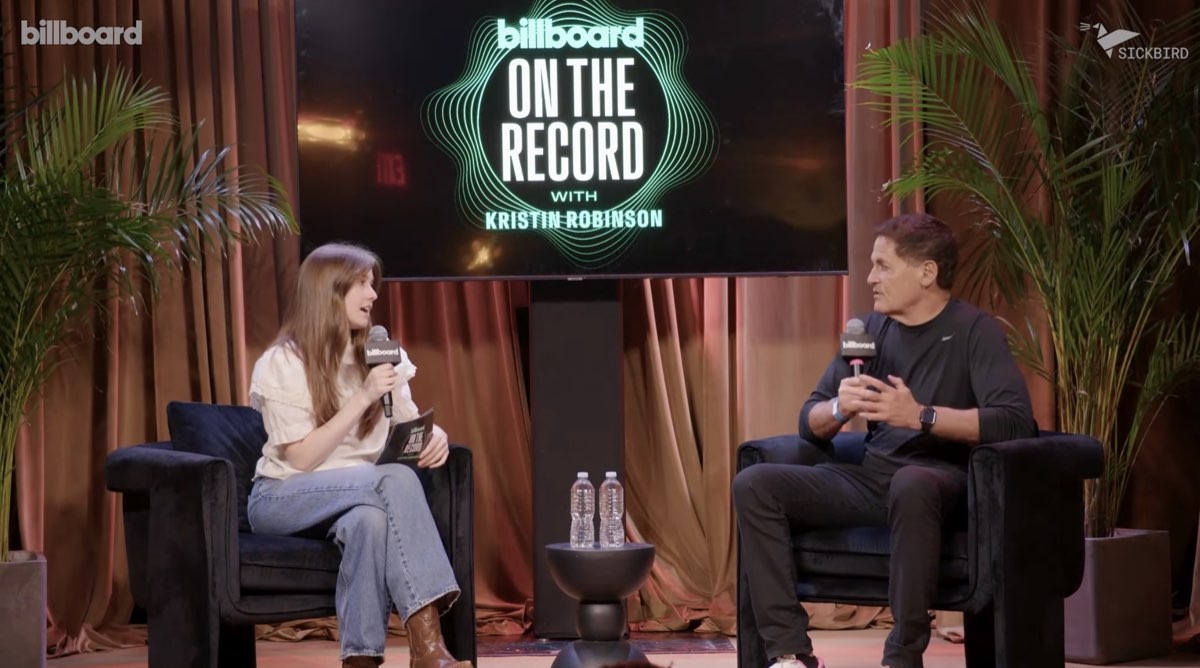
Mark Cuban described live events as “the anti-AI bet” at SXSW 2026 — one of the few sectors he called bullish in an AI-saturated economy. That bullish bet now depends on AI distribution to reach fans in the first place.
Whoever secures the deepest integration into AI recommendation layers — the purchase history, location signals, and preference data that shape what an AI agent surfaces first — will control a substantial share of that £2.4B before rivals can catch up. Ticket Fairy’s parallel move into AI-powered event financing signals how broadly AI is reshaping live event infrastructure, not just discovery.
Independent artists face a new distribution gap
For artists managing their own ticketing through platforms like Bandcamp, Seated, or direct channels, the AI discovery layer is now a real gap. If a show isn’t surfaced in ChatGPT, Google AI Mode, or Spotify’s AI-powered interfaces, it’s invisible to the growing share of casual fans who book on impulse from a chatbot prompt.
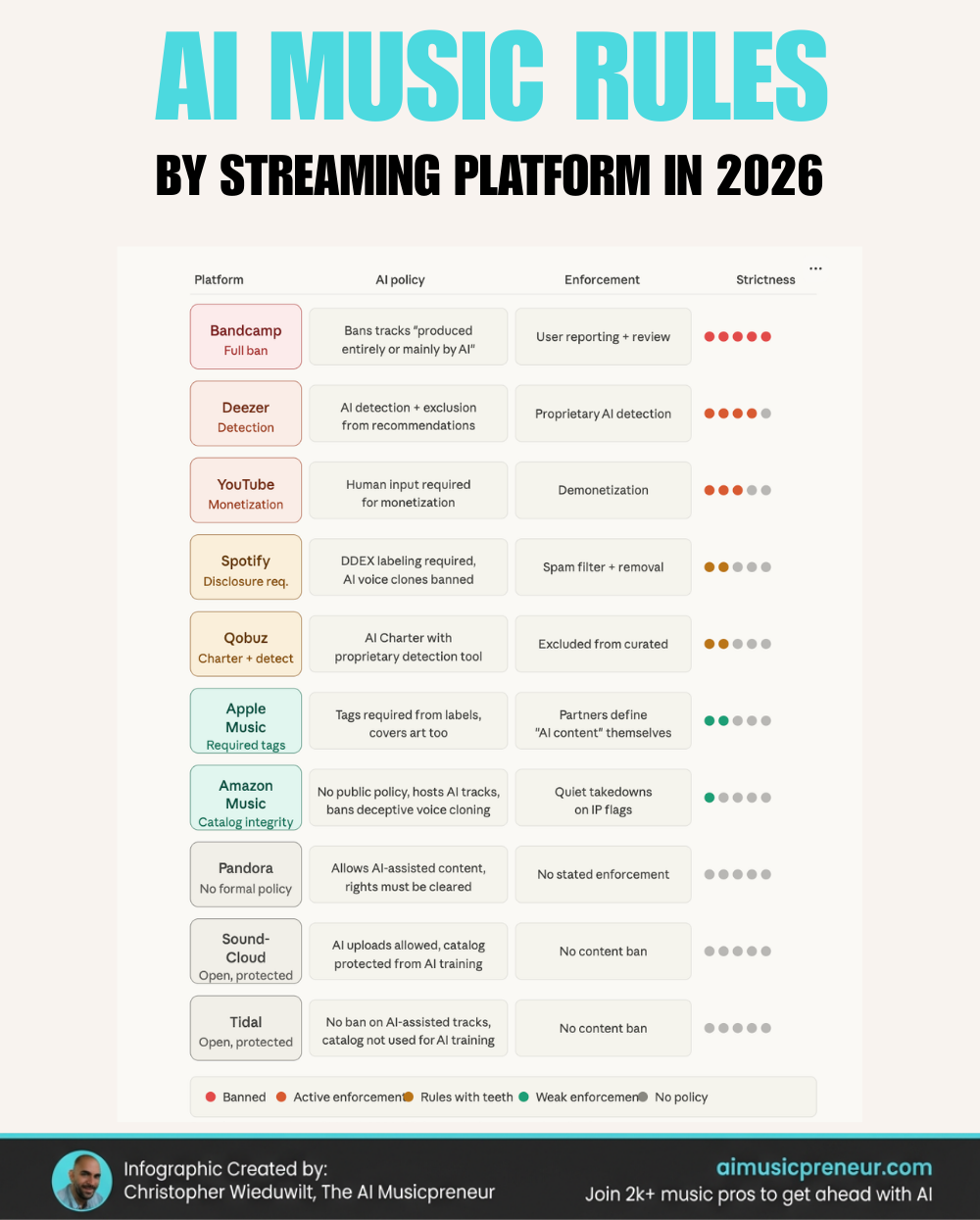
The streaming platform AI rules debate has focused heavily on music rights and training data. The ticketing equivalent — which platforms get into AI discovery, and on what terms — has received almost no scrutiny. Spotify’s AI music policies already show how platform rules can shift distribution leverage overnight.
There is also a regulatory dimension worth watching. The FTC’s live event junk fees rule, effective May 2025, requires all-in upfront pricing for live event tickets. Blending primary face-value tickets with marked-up resale inventory inside an AI chatbot flow — without clear fee disclosure — could attract scrutiny of the same kind that put Ticketmaster before Congress in 2023.
Frequently asked questions
Can I buy concert tickets in ChatGPT?
Yes. SeatGeek launched a ChatGPT app on March 31, 2026, that lets users search for concerts using natural language and browse both primary and resale tickets. Users complete the purchase on SeatGeek’s platform after browsing in ChatGPT.
Which ticketing platforms have AI search integrations in 2026?
SeatGeek is live in ChatGPT (March 2026) and Google’s agentic AI search (December 2025), and inside Spotify (February 2026). Ticketmaster is live in Google AI Mode via its AI Ticket Scout feature. Vivid Seats and Gametime have ChatGPT apps but only surface resale inventory.
How much of live event ticketing will go through AI agents by 2028?
Edgar Dunn & Company projects £2.4 billion in UK ticket sales will flow through AI agents by 2028, representing 37% of projected total UK ticket sales of £6.5 billion.
Does SeatGeek’s ChatGPT integration include primary tickets?
Yes, and that’s the key distinction. SeatGeek claims to be the first ticketing platform to offer both primary (box office) and resale inventory inside a single ChatGPT experience. Rivals Vivid Seats and Gametime only surface resale tickets via ChatGPT.
What does the AI ticketing race mean for independent artists?
Artists who rely on smaller or direct ticketing platforms risk being invisible to AI-powered discovery if their ticketer hasn’t secured integrations in ChatGPT, Google AI Mode, or Spotify. Music Business Worldwide’s coverage of SeatGeek’s launch notes the speed at which these integrations are becoming standard across the industry.
About the author

Covering AI music tools, industry shifts, and news for music creators and professionals. Twice-weekly newsletter at aimusicpreneur.com.