The AI Music Briefing #21: AI artists can't perform live? ABBA's avatars play with a 10-piece band
The week of September 19 to 25, 2026, when Qobuz put AI tracks at 0.38% of its streams, Michael Smith asked for probation over his $8 million AI streaming fraud, Universal and Sony sued Suno again over 60,202 recordings, and ABBA Voyage showed AI artists can perform live.
My stack My fav 6 tools for AI music after testing 70+
-
 ElevenMusic · Music generation
 -
 Moises · Stem separation
 -
 Controlla · Voice swap & cloning
 -
 Cryo Mix · Mixing + mastering
 -
 Neural Frames · Music videos
 -
 ONCE · Distribution
Some links are affiliate links — I earn a commission at no cost to you. Every tool here is one I run myself and truly believe in. This stack is proven.
Issue #21 · the week of September 19 to 25, 2026 · ~7 min read. The Friday read for music industry professionals working at the intersection of AI and the traditional music business. Curated by Christopher Wieduwilt.
What’s in store:
- Top Story: AI artists can’t perform live? ABBA’s avatars play with a 10-piece band
- Qobuz counted its AI streams, and it’s 0.38%
- The first convicted AI streaming fraudster says nobody got hurt
- Snapchat writes songs from your chats and won’t name the model
- Universal and Sony sued Suno again, over 60,202 songs
This week in AI music: Qobuz counted its AI streams, and Michael Smith says nobody got hurt
Qobuz put a number on AI listening: 0.38% of its streams. 2 days earlier, lawyers for the first person convicted of streaming fraud in the US told a judge no artist was harmed.
Also, TikTok has a Viking rap problem.
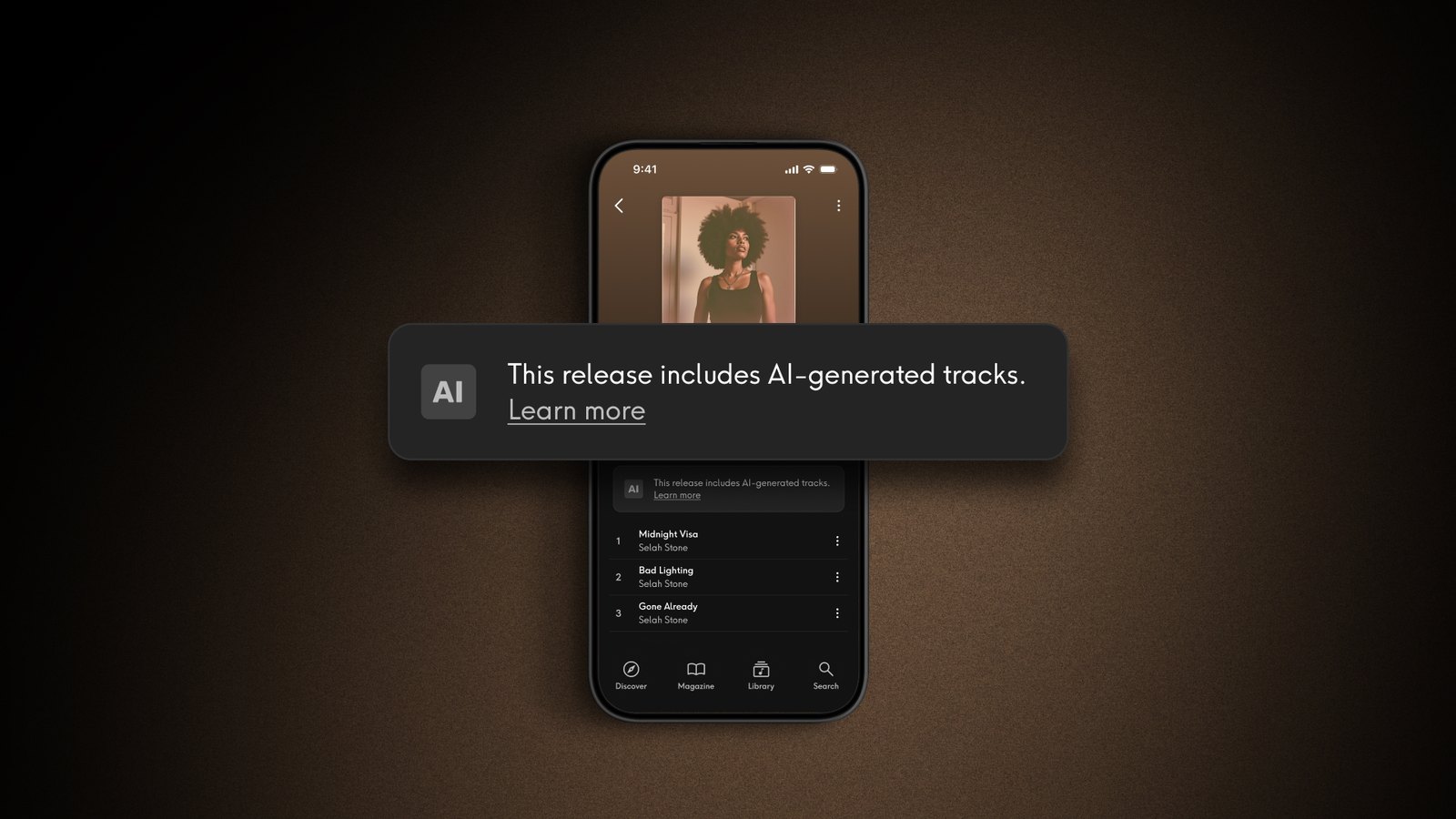
Qobuz tags AI-generated tracks and says they make up 0.38% of its streams
Qobuz now tags AI-generated tracks in its app, and published the numbers with it. AI tracks make up 0.38% of its streams, and 60% of those streams get flagged as fraud and cut from royalties.
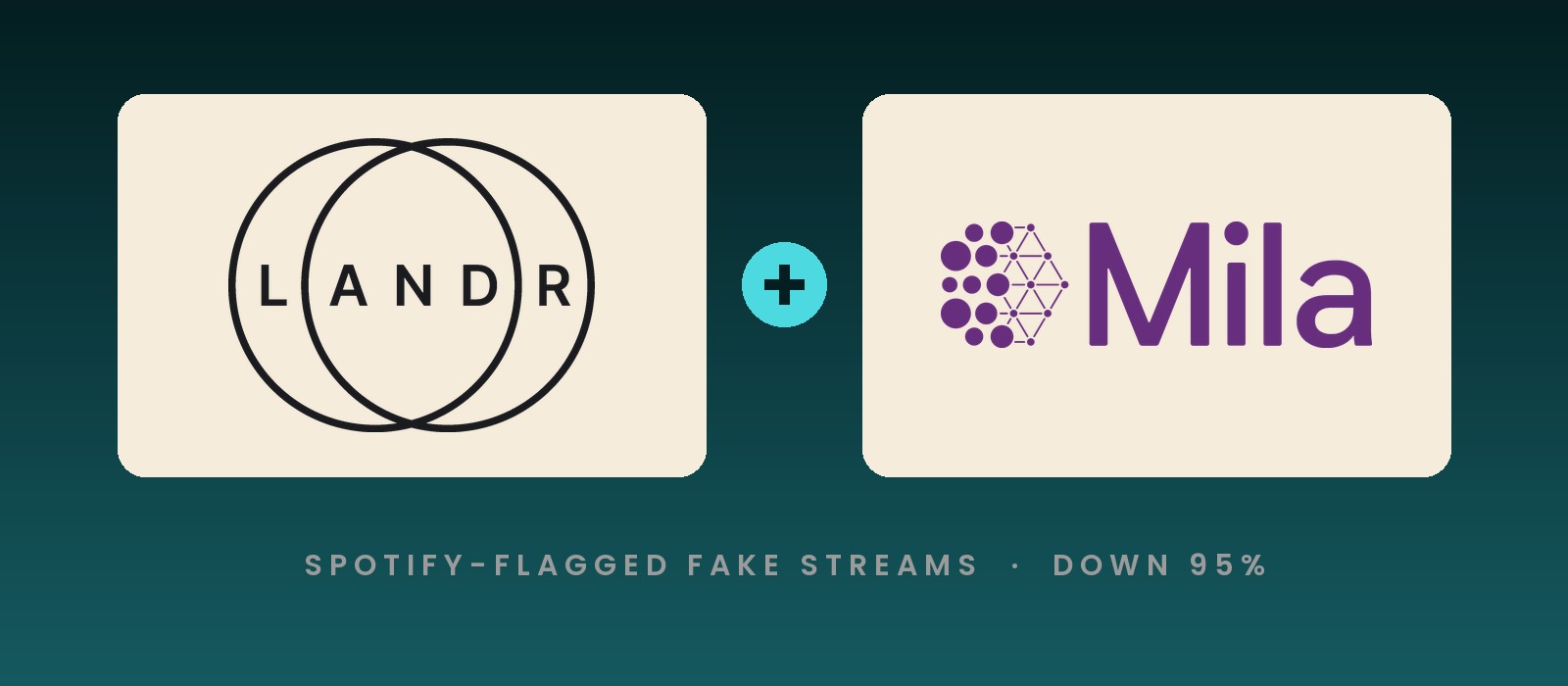
LANDR says Spotify-flagged fake streams on its catalogue fell 95%
LANDR says fake streams that Spotify flagged on its catalogue fell 95% between Q1 2025 and Q2 2026. Its detection, built with the Mila AI lab, now checks earlier in distribution for overnight catalogues, shared payout details and unusually high release counts.
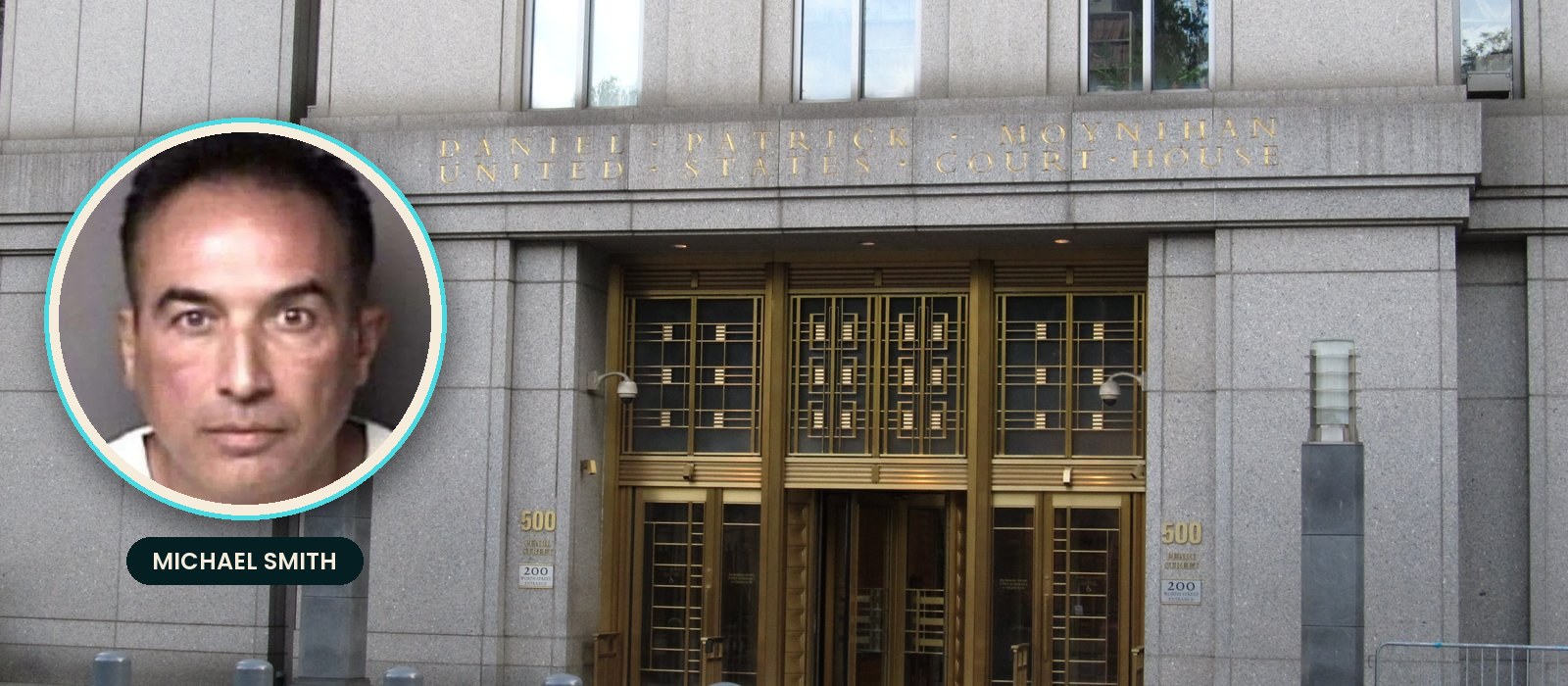
Michael Smith asks for probation over his $8 million AI streaming fraud
Michael Smith’s lawyers asked a New York federal judge for probation on September 22, arguing no artist suffered “any perceptible harm” from his $8 million AI streaming fraud. The guidelines say 46 to 57 months. The probation office recommended 24.
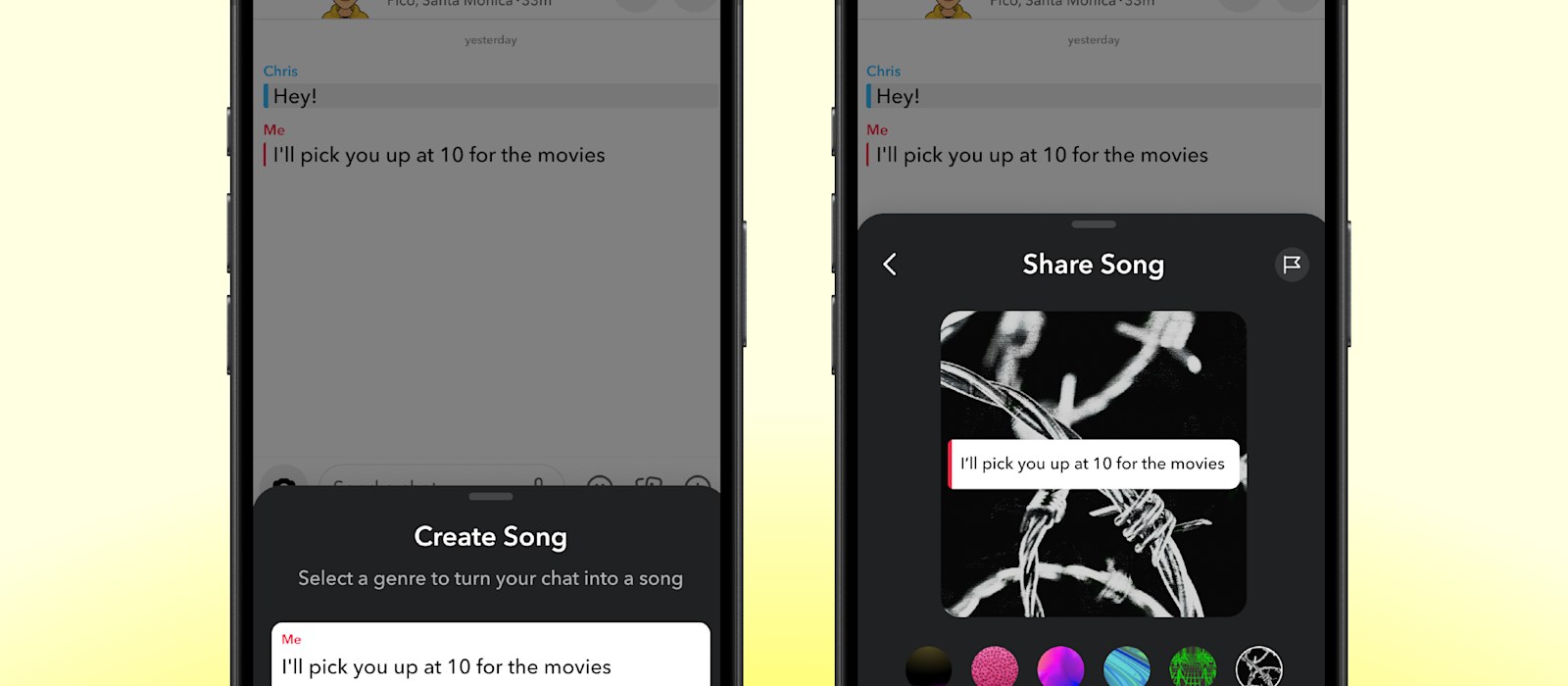
Snapchat’s Chat to Song writes songs from your chats, and Snap won’t name the model
Snapchat launched Chat to Song for Lens+ subscribers: hold a message, pick 1 of 5 genres, get a song. Snap won’t say which model makes it, and it holds licensing deals with all 3 majors.
Voice-Swap becomes the first AI voice company in DDEX
Voice-Swap joined DDEX, the group that writes the data formats labels and streaming services use to pass release info around. It’s the first AI voice company in, and it wants every track to record whose voice was used and who said yes.
The Professional Sound Alliance launches against AI scraping of sound libraries
Sound designers and SFX libraries launched the Professional Sound Alliance against “the scraping of sound libraries into commercial AI models”. Founding member Pro Sound Effects sells its own 1.27 million-sound training set, and lists Google, Sony AI and Dolby on its sales page.
Sony Music joins ARIAM as the AI policy group’s first music company
Sony Music joined ARIAM, the AI policy group of Disney, the BBC and The New York Times, as its first music company. That was 5 days after Sony sued Suno a second time.
ElevenLabs CEO Mati Staniszewski puts annual recurring revenue at $600 million
ElevenLabs CEO Mati Staniszewski told TechCrunch the company is at $600 million in annual recurring revenue, and that businesses should tell people when they’re talking to an AI voice. The Eleven Music maker is reportedly valued at $22 billion.
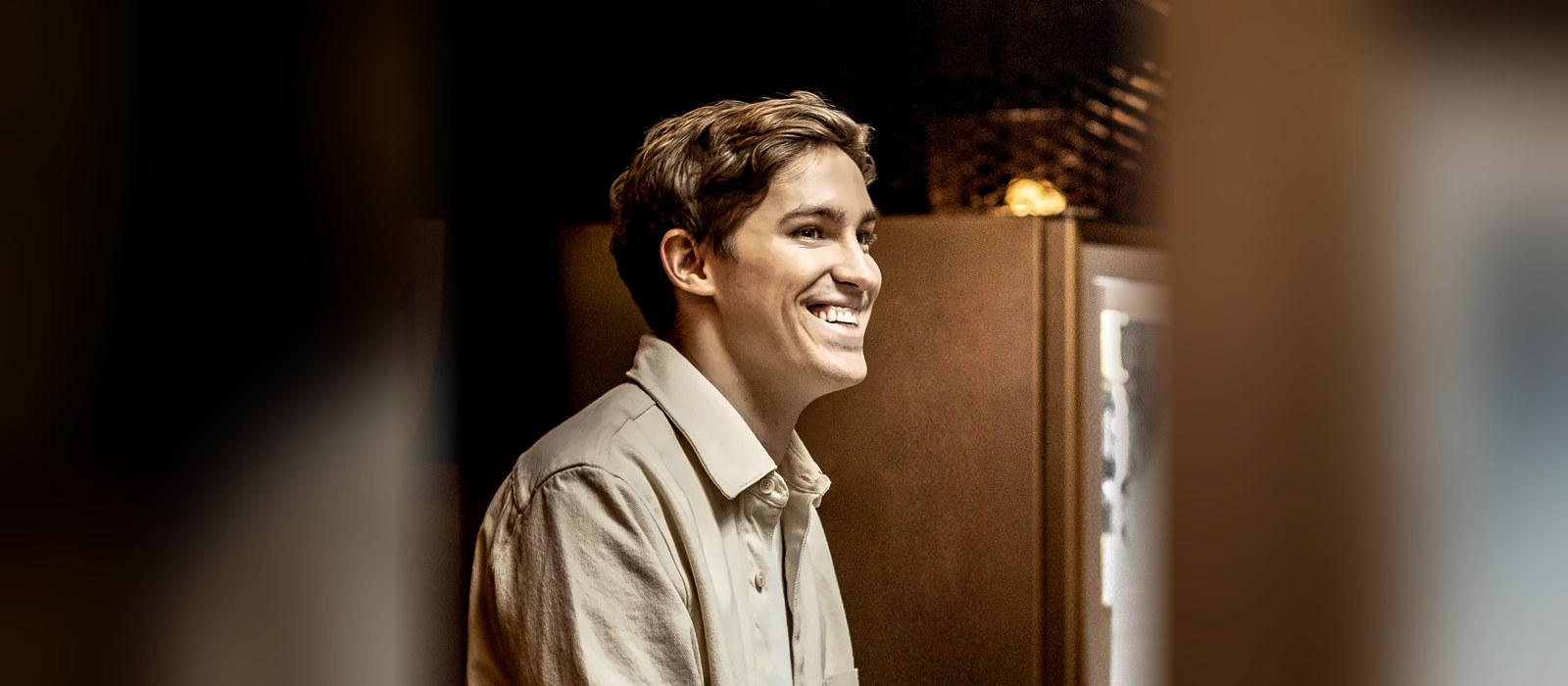
Session players tell the LA Times no one has said what the label AI deals pay
The LA Times asked session players about the label AI deals. No label or AI company has said what artists get paid or how many opted in. “It all comes down to the loss of money,” said brass player Matt Evans.
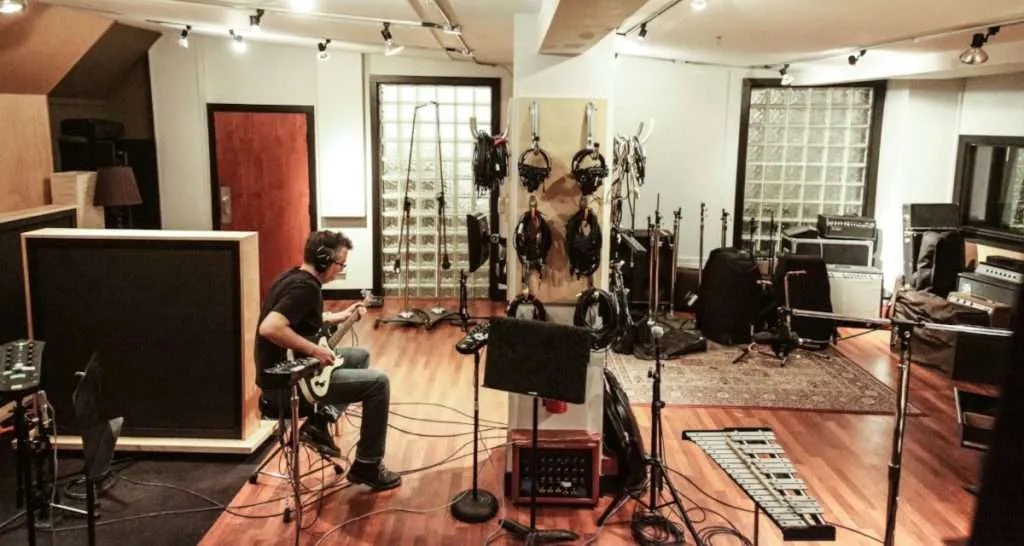
Why TikTok is full of AI Viking rap made with Suno
Know Your Meme explained why TikTok is full of AI Viking rap: Suno songs about Valhalla, fronted by invented tattooed warriors. The biggest one, “North Wind Calls”, passed 8.5 million views in about 5 months.
Top Story: AI artists can’t perform live? ABBA’s avatars play with a 10-piece band

So can an AI artist perform live? Honestly, that was settled a long time ago. What’s still open is demand.
Every time I post about an AI artist, the same reply lands: fine, but they can never perform live.
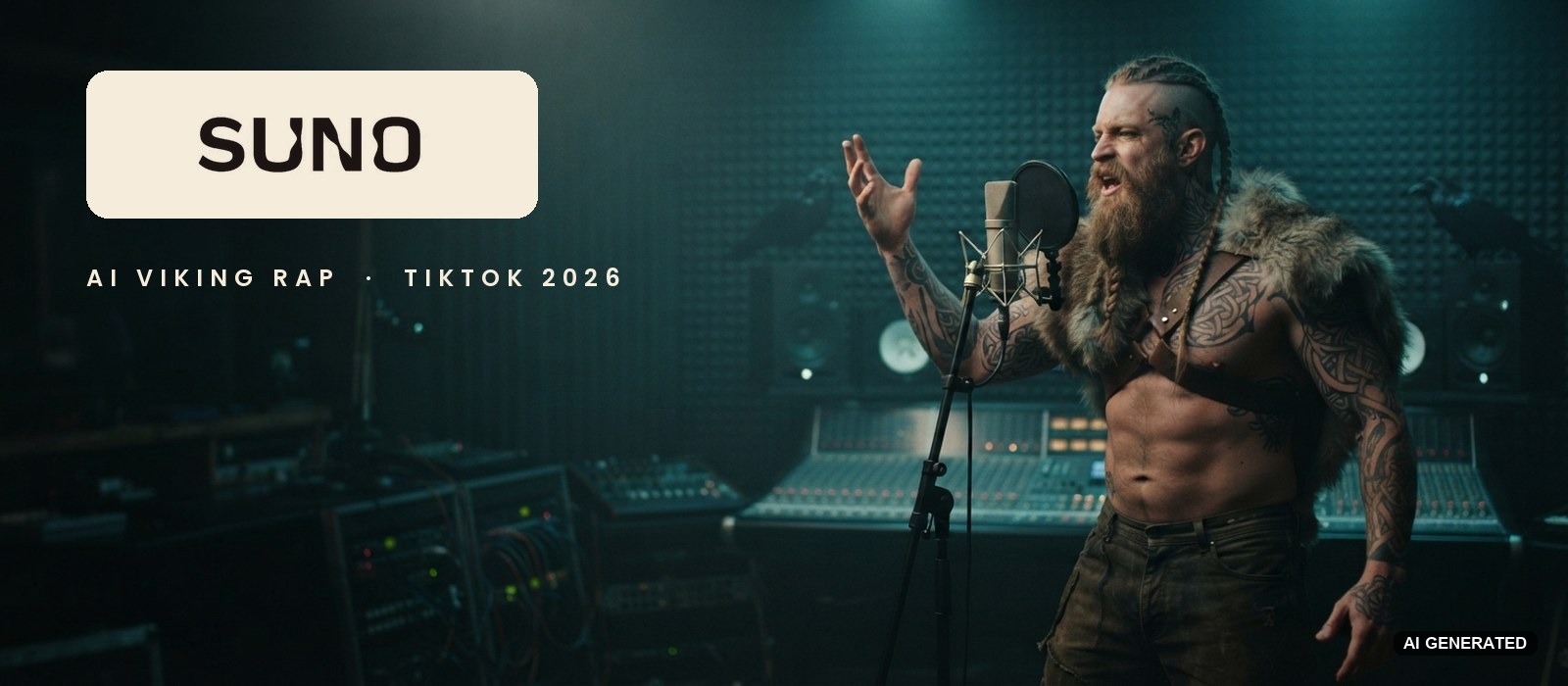
And the objection has history. Gorillaz put their animated band on stage at the 2005 MTV EMAs and the 2006 Grammys.
Damon Albarn later told Billboard it was brilliant on TV and awful in the room, and the 2007 tour got cancelled because it cost too much.
The objection rests on 2 beliefs:
- A virtual act can’t feel live in a real room.
- A show like that can’t travel.
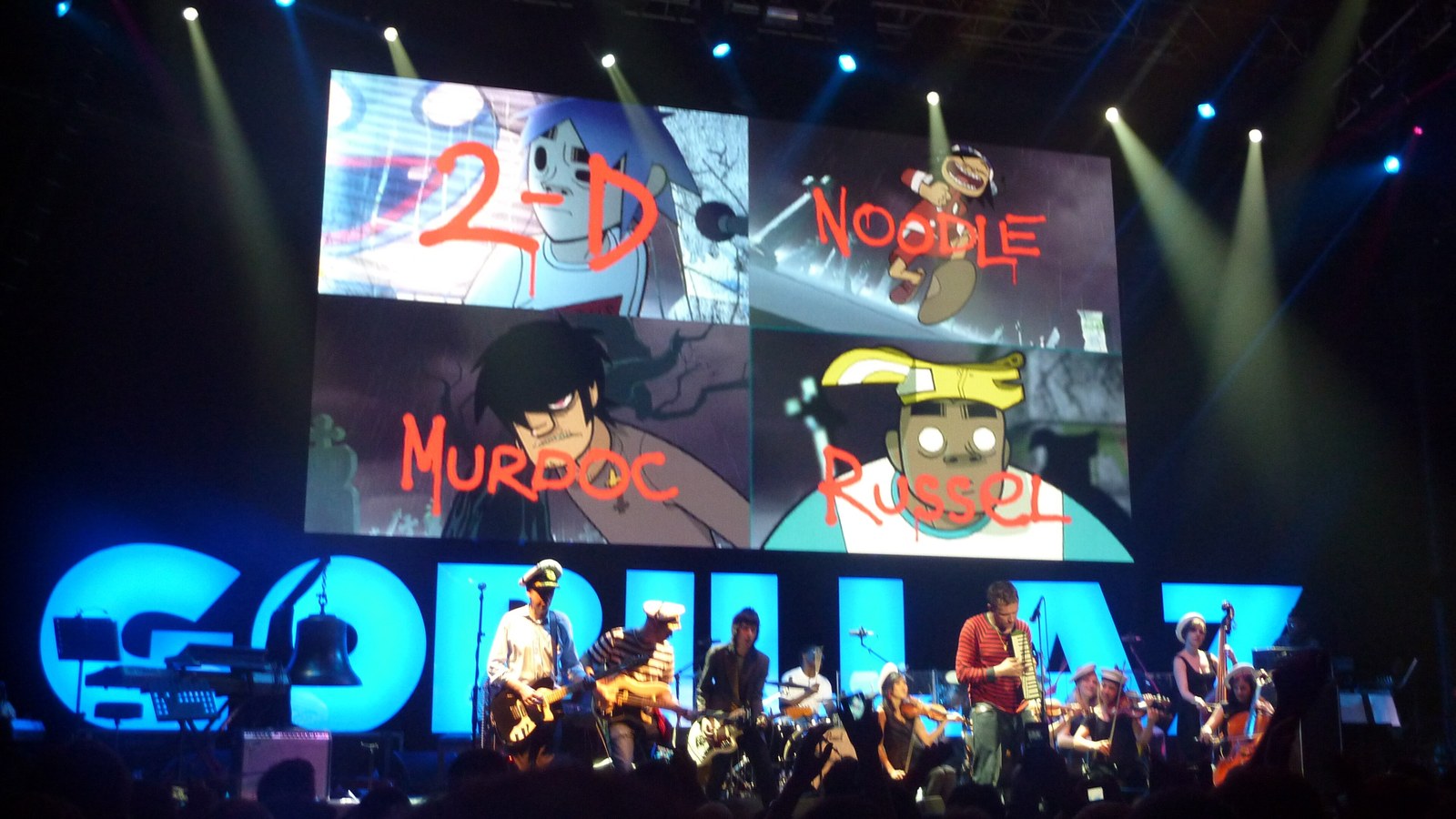
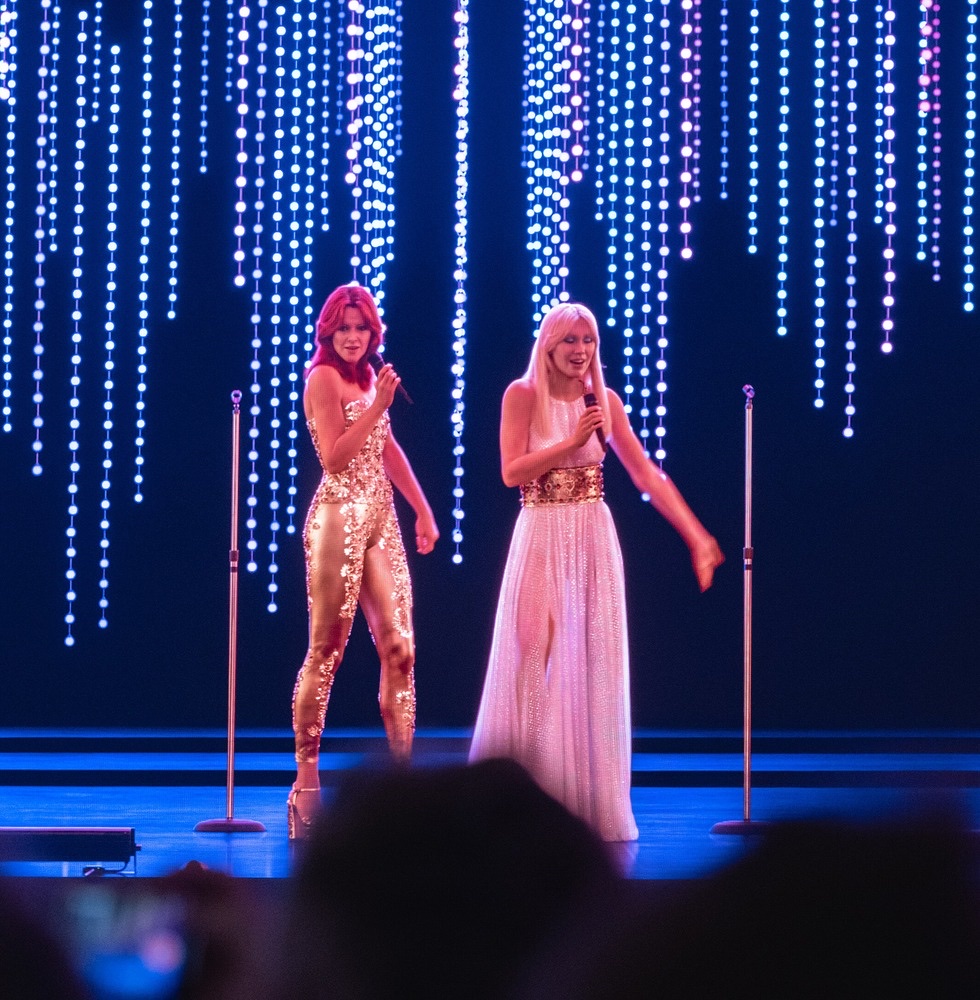
ABBA Voyage feels live because a 10-piece band is on stage
ABBA Voyage took 5 years to build.
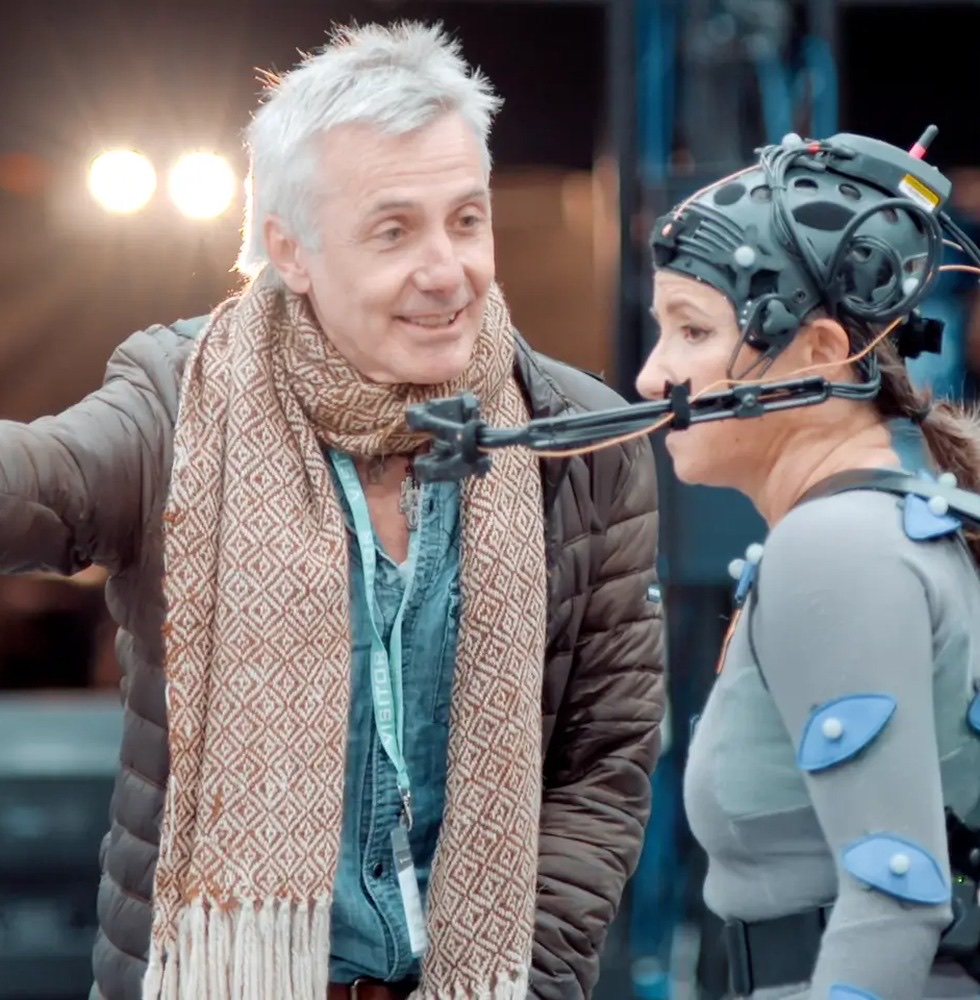
All 4 members spent weeks in motion-capture suits while cameras tracked their movement 120 times a second. Industrial Light & Magic then de-aged them to 1979, with over 1,000 artists and more than a billion computer hours.
People call them holograms.
Technically, they’re HD projections of 3D avatars on a transparent LED screen, with 5 lighting systems matching the digital light to the real stage.
The vocals are ABBA’s original recordings.
Next to the avatars, a 10-piece band plays live, in a 3,000-capacity arena built for the show.
So a virtual act can feel live in a real room. ABBA has done it since 2022.
Unit1 Studio moved an avatar show to a new venue in 4 days
The ABBA Arena was designed to be taken down and rebuilt somewhere else.
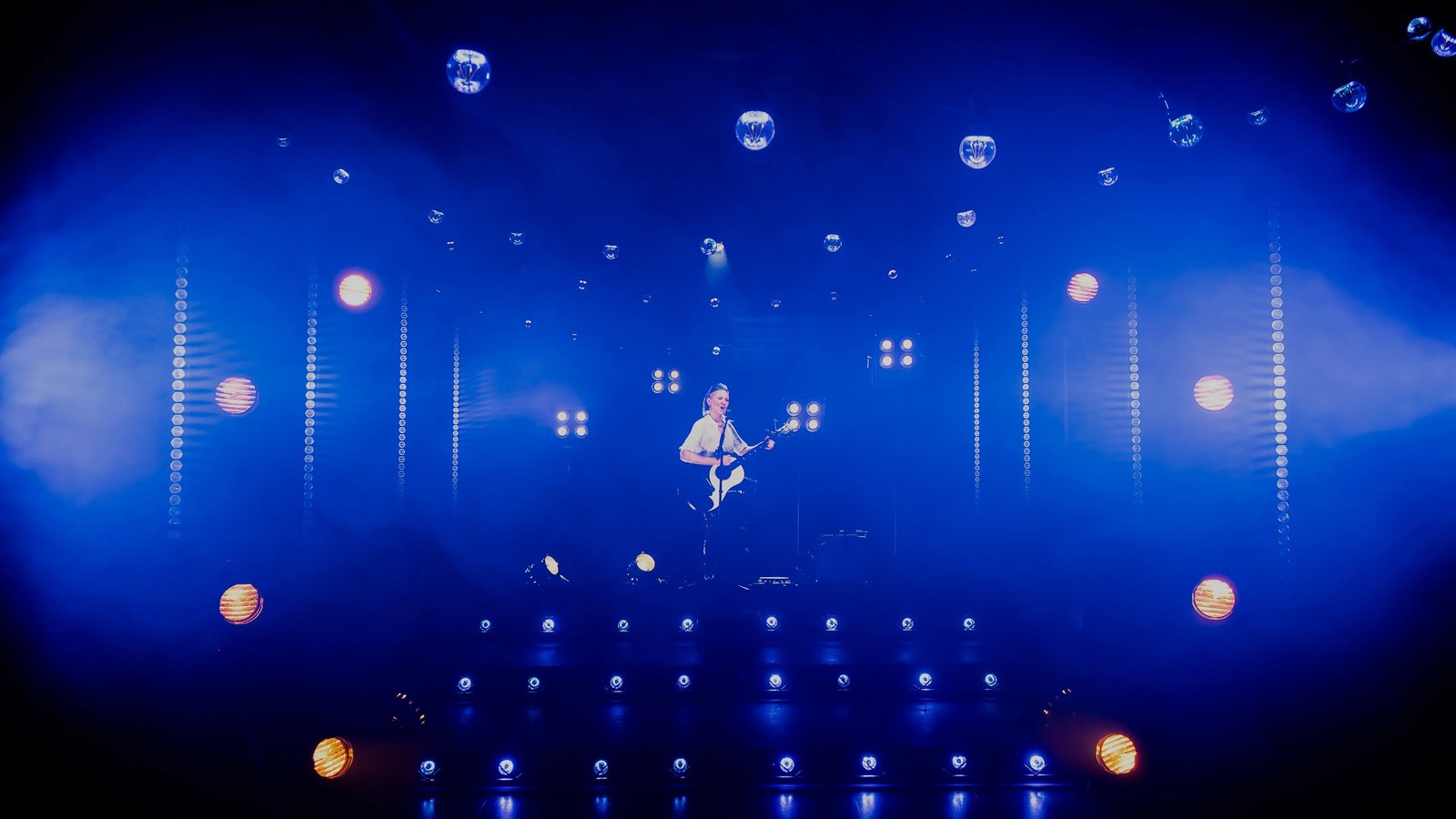
Unit1 Studio’s pitch is doing that fast.
Last weekend it raised $20m, led by Balderton Capital. Its KT Tunstall pilot moved from a test site to a new venue in 4 days, screens included.
Hatsune Miku has played 91 shows since 2014, and Anyma ran the first electronic residency at Sphere.
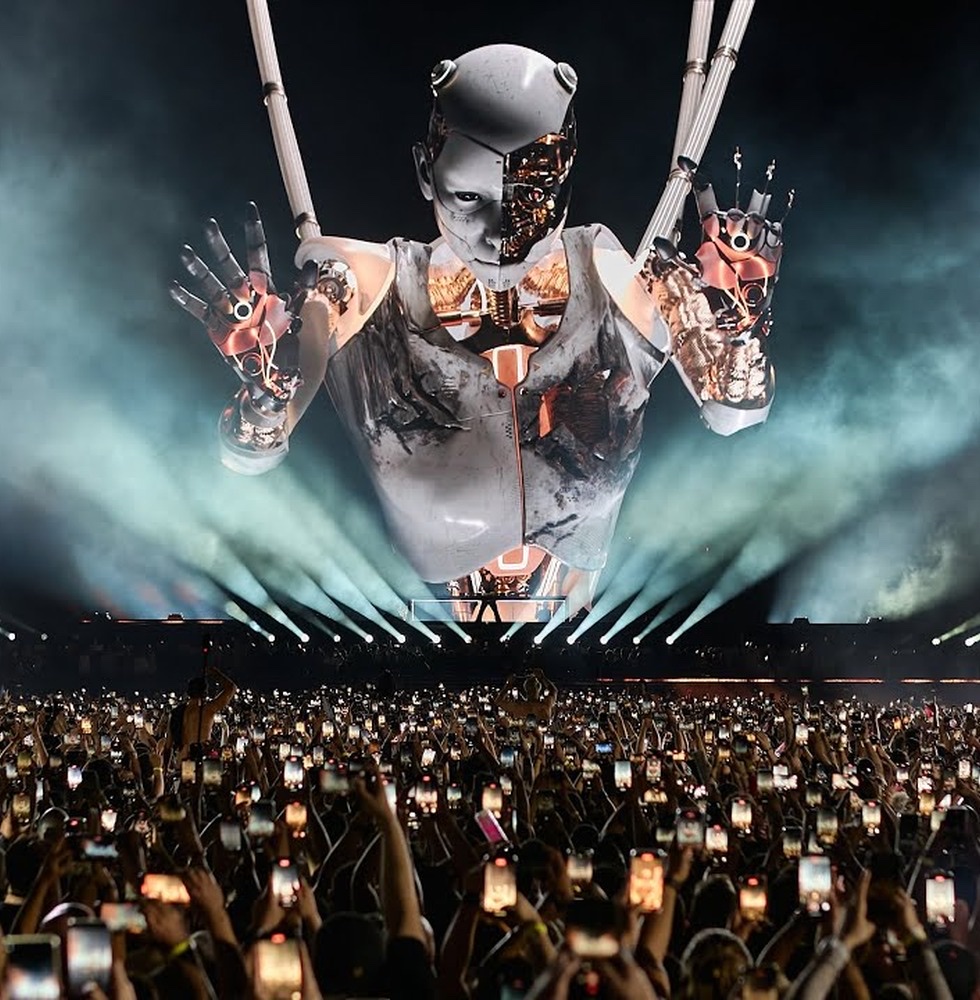
So a virtual show can travel too.
ABBA Voyage’s £140m bought one room
ABBA Voyage cost a reported £140m.
Unit1 says a movable show can undercut that, and it hasn’t announced an artist yet.
Demand decides which acts get an avatar show
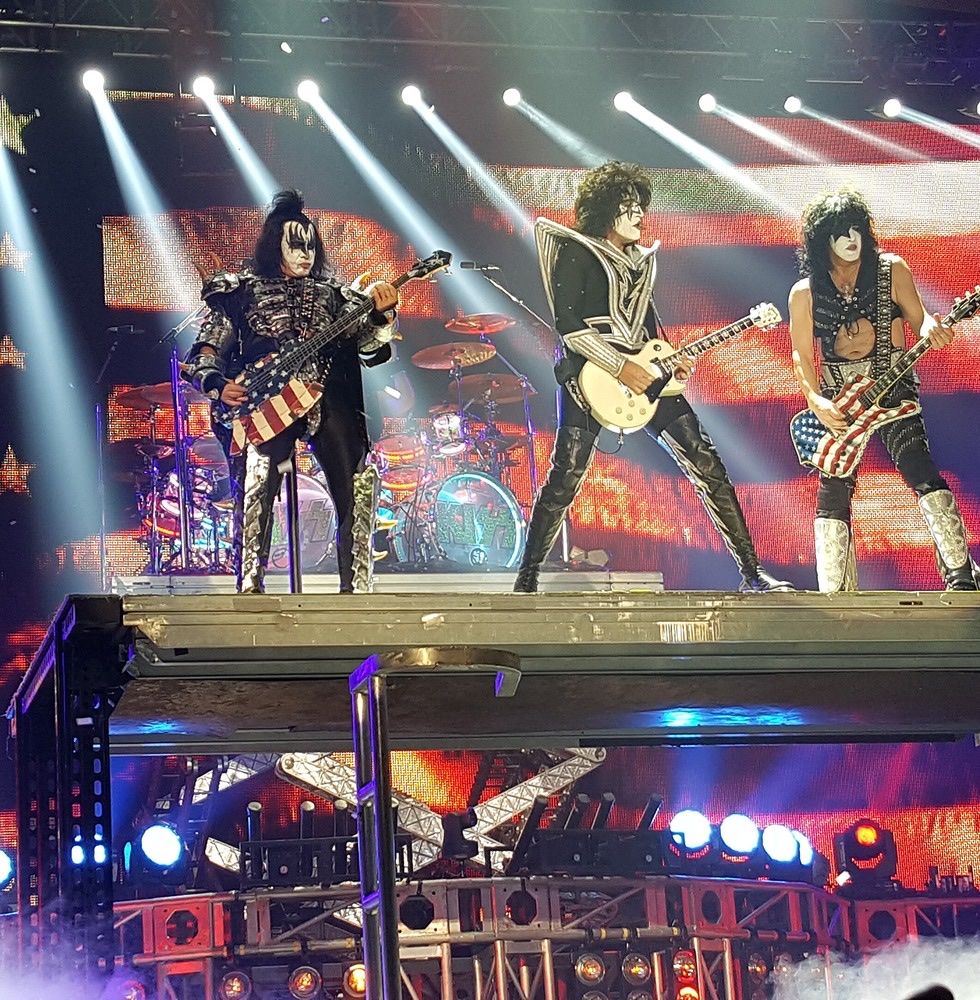
KISS, ABBA and maybe Queen can plan shows like this. They have a back catalogue and a track record, so promoters know people will buy tickets.
KISS and Pophouse are building a $200m Las Vegas venue for an avatar show in 2028.
Fronting millions for an AI artist nobody has seen sell a room is a different bet. So ask these 2 questions:
- Who funds the build for an act without a heritage catalogue?
- What does the likeness clause say when someone gets doubled for a show they never gave?
Demand is the part nobody can prove yet, me included.
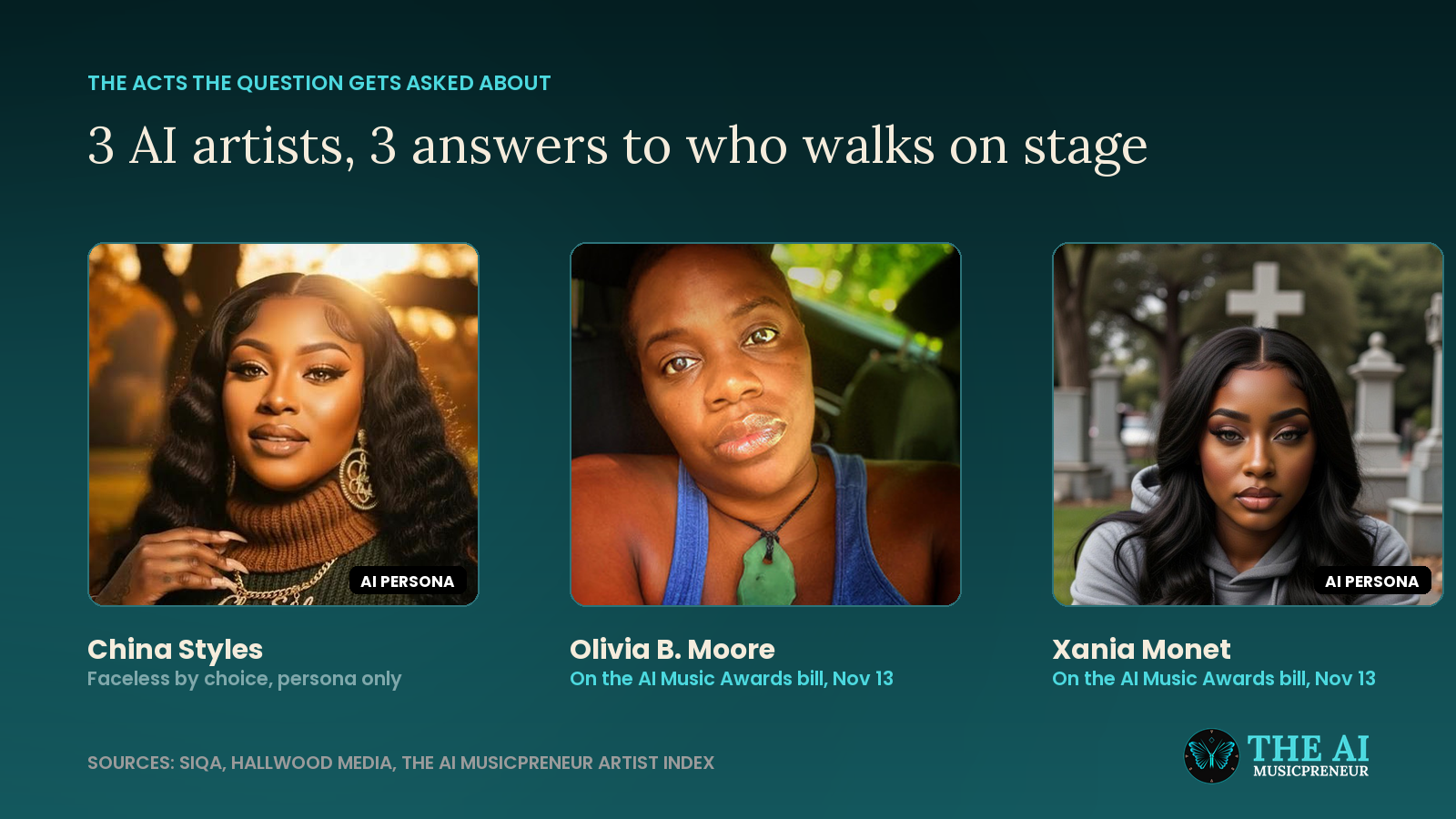
The first test is November 13, when Xania Monet and Olivia B. Moore are on the bill at the first AI Music Awards in Los Angeles.
I’m involved in planning the Awards and Summit, so I’ll share more as things unfold. What I can say now: there will be humans on stage.
The tech question is settled. Judge the music.
AI Music Lawsuit Tracker: Universal and Sony sued Suno again, and Suno named its users as training data
1 case moved this week. RIAA v. Suno, RIAA v. Udio, GEMA v. Suno, the AFM case, UMG v. DistroKid, Concord v. Anthropic, SOCAN v. Suno, Lowery v. Suno, Round Hill, the artist class action and the Sony and Warner Chappell suit against Anthropic did not.
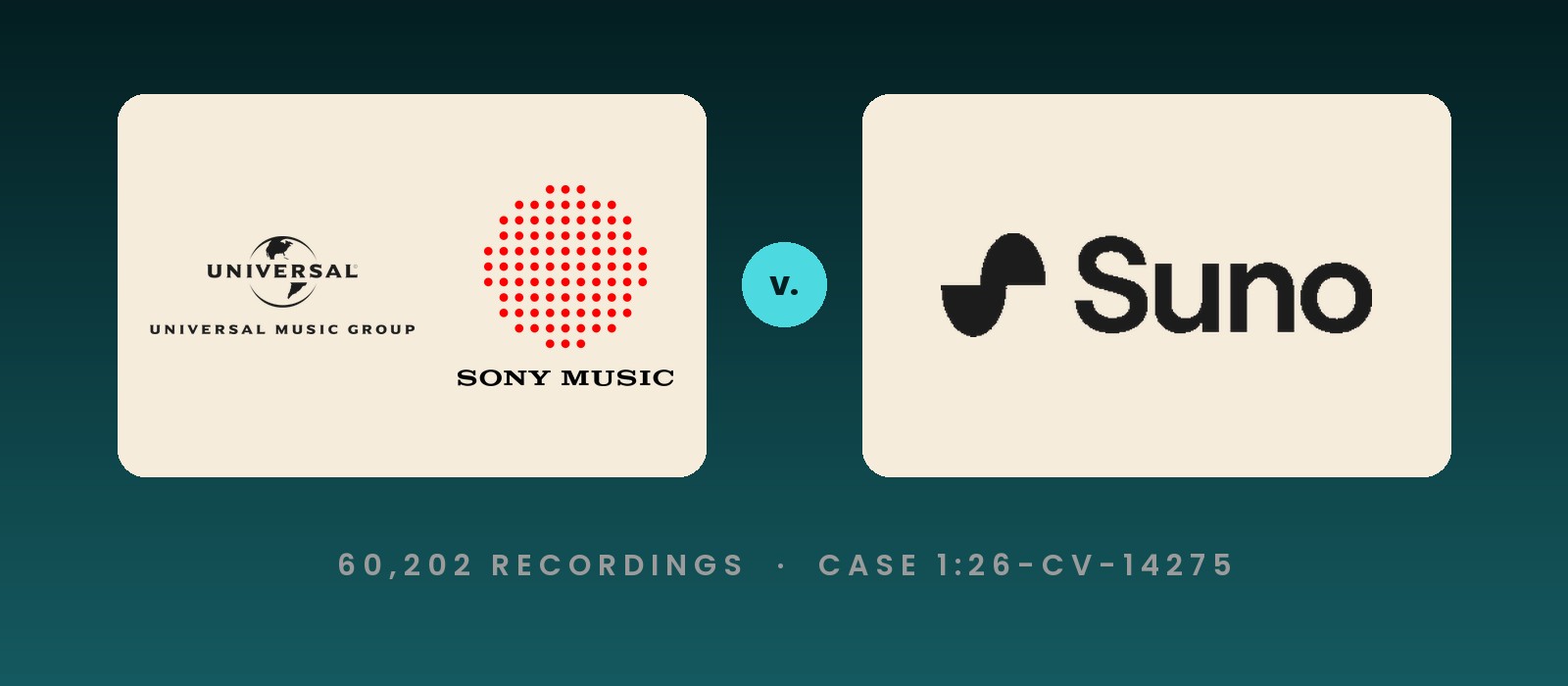
UMG and Sony v. Suno (v6): 60,202 recordings, and Suno says its users’ creations trained v6
Universal and Sony sued Suno a second time on September 18 in Boston, over 60,202 recordings. That’s a theoretical maximum of just over $9 billion, at the legal cap of $150,000 per song. They call Suno v6 “the fruit of the same poisoned tree” because it was built on older models trained on their music. Suno replied on September 22 that v6 trained on licensed partner music plus its users’ “creations and preference signals”, so by Suno’s own account, what people made on Suno helped build v6.
→ Full case files and timelines
About The AI Music Briefing
The AI Music Briefing is a weekly Friday read for music industry professionals working at the intersection of AI and the traditional music business. Curated and written by Christopher Wieduwilt, founder of The AI Musicpreneur. Browse every issue of the briefing.
Got a tip, a story, or a partnership idea? Reach out any time. Every message lands directly in my inbox.
— Christopher
About the author

Covering AI music tools, industry shifts, and news for music creators and professionals. Twice-weekly newsletter at aimusicpreneur.com.