Michael Smith asks for no prison over his $8M AI streaming fraud, saying no artist felt the harm
My stack My fav 6 tools for AI music after testing 70+
-
 ElevenMusic · Music generation
 -
 Moises · Stem separation
 -
 Controlla · Voice swap & cloning
 -
 Cryo Mix · Mixing + mastering
 -
 Neural Frames · Music videos
 -
 ONCE · Distribution
Some links are affiliate links — I earn a commission at no cost to you. Every tool here is one I run myself and truly believe in. This stack is proven.
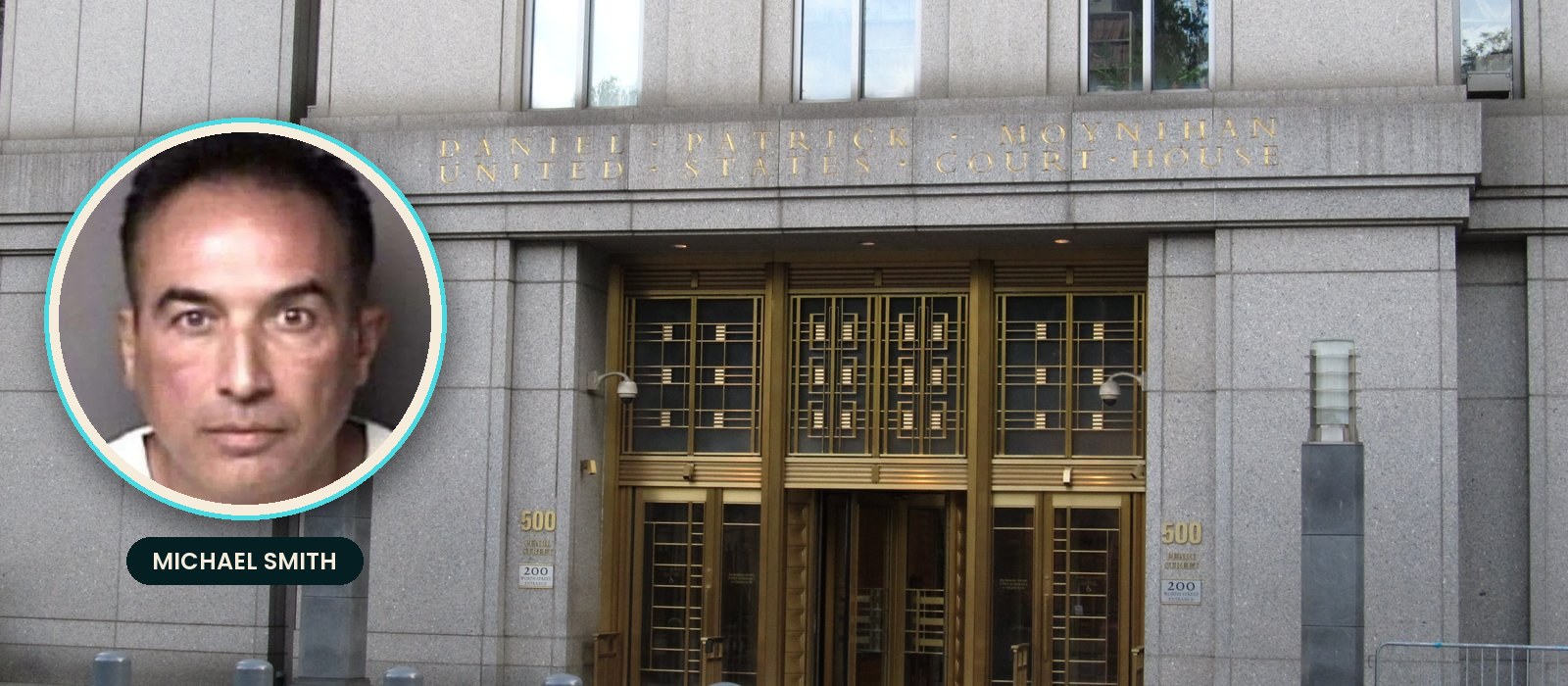
Michael Smith admitted to stealing more than $8 million in streaming royalties with AI songs and bots. Now he wants to leave court without a prison sentence.
His lawyers asked US District Judge John G. Koeltl for probation in a filing dated September 22, 2026, which Billboard obtained and reported on September 24. Their argument is that the money was spread so thin across millions of artists that no one of them felt it.
The court’s Presentence Investigation Report recommends 24 months. The federal guidelines for his case call for 46 to 57 months. Judge Koeltl is set to sentence Smith on October 6, 2026.
Smith, 54, of Cornelius, North Carolina, pleaded guilty on March 19, 2026 to 1 count of conspiracy to commit wire fraud. Billboard calls it the first criminal case over streaming fraud. I covered the guilty plea and how the bot scheme worked in March.
What did Michael Smith’s lawyers argue in the September 22, 2026 filing?
The defense doesn’t dispute what Smith did. The filing says he is “profoundly sorry” and has “accepted full responsibility.” It admits he used “increasingly deceptive tactics” and lied when his streams got flagged: “He knew that he was cheating the system.”
The fight is about harm. His lawyers describe the damage as “tiny, immeasurable losses” spread across millions of songwriters and artists, and they put it in one line: “No individual artist or songwriter suffered any perceptible harm from Mr. Smith’s conduct.”
The effect each individual stream of one artist's song has on every other artist's share of total streams is not akin to a drop in a proverbial bucket — it is a drop in an ocean.
The filing then points at the rest of the industry. It says fake streaming is “indisputably rampant” in music, “including by big labels and publishers,” and argues it wasn’t clear that what Smith was doing was illegal when he started.
“He did not set out to commit a crime; he thought he found a way to game a corrupt system that financially incentivized and profited from artificial streaming,” his lawyers wrote.
They also ask Judge Koeltl to weigh Smith’s clean criminal record, his family and letters of support, which were filed as an exhibit on the court docket. The “drop in an ocean” line depends on how streaming money gets split.
How does AI streaming fraud take money from real artists under pro-rata royalties?
Streaming services set aside a pot of money and split it by each song’s share of total streams. That’s called the pro-rata model.
The US Attorney’s Office spelled it out when Smith pleaded guilty: “Royalty payments are made proportionately to musicians and songwriters from a pool of funds.” So every bot stream claims a slice of that same pot, and every real artist’s slice gets a little smaller.
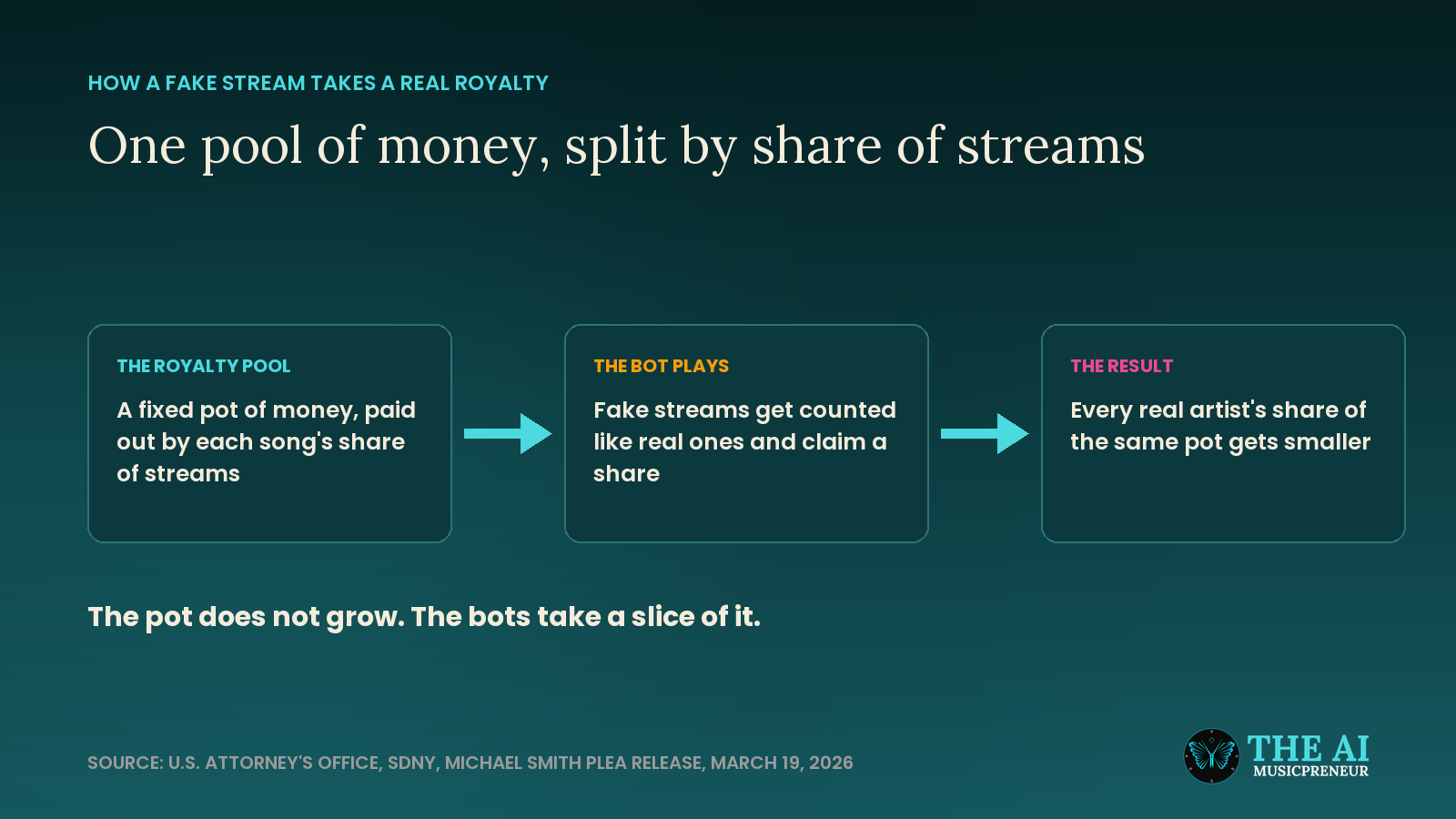
Smith’s lawyers accept there were losses. They argue that, spread across millions of songwriters and artists, the loss is too small to measure for any one of them.
Prosecutors put it differently in March. Jay Clayton, the US Attorney who announced the plea, said: “Although the songs and listeners were fake, the millions of dollars Smith stole was real. Millions of dollars in royalties that Smith diverted from real, deserving artists and rights holders.”
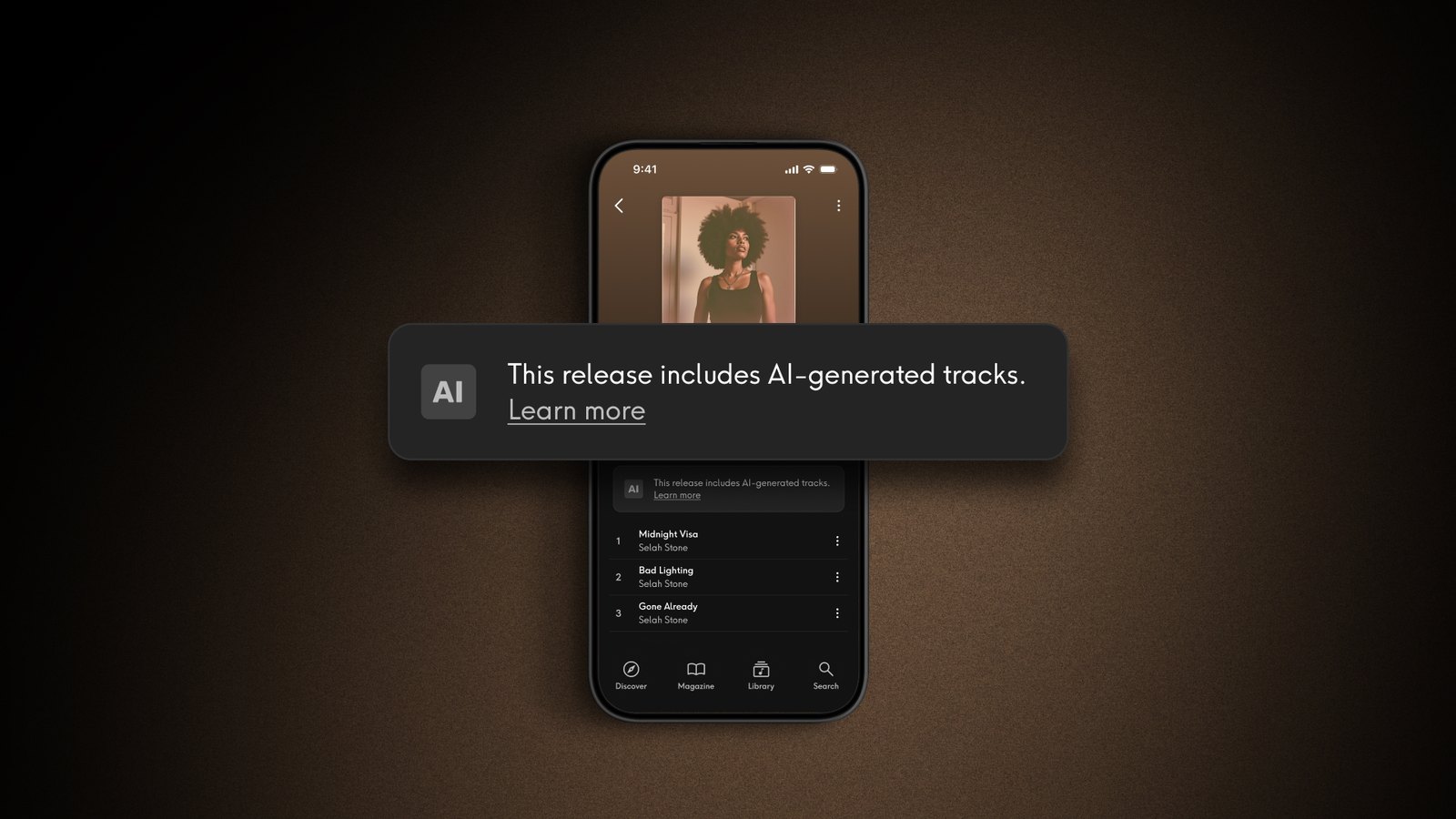
Qobuz now cuts these plays out before the split happens. On September 24, Qobuz said 60% of streams on tracks it identified as AI-generated are flagged as fraud and excluded from royalty payouts. If you want the basics of who gets paid from that pot, my explainer on what music royalties are covers it.
What sentence does Michael Smith face for the $8M AI streaming fraud?
Wire fraud conspiracy carries a maximum of 5 years in prison, a limit set by Congress. Inside that limit, these are the numbers in front of Judge Koeltl:
- The federal sentencing guidelines put Smith’s case at 46 to 57 months.
- The Presentence Investigation Report, prepared by the court’s probation office, recommends 24 months.
- Smith’s lawyers ask for probation, with no time in prison.
Prosecutors haven’t filed their recommendation yet. Their submission is due on September 28, 2026, according to the court docket.
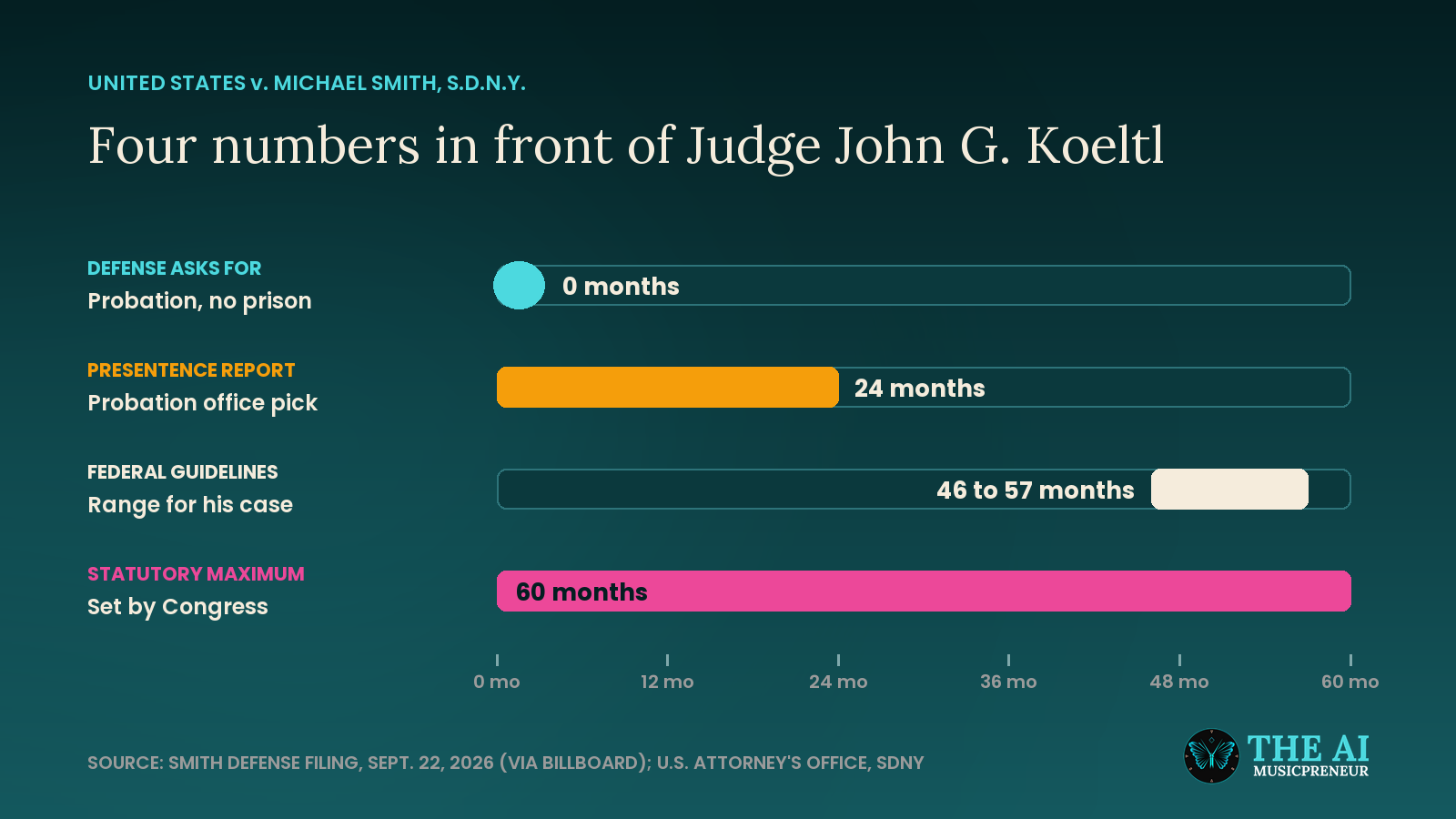
None of these numbers binds the court. The US Attorney’s Office noted in its plea release that any sentence “will be determined by the judge.”
The forfeiture is separate from the sentence. Smith agreed to forfeit $8,091,843.64 as part of his plea, and Judge Koeltl signed a consent preliminary order of forfeiture the same day, March 19, 2026.
When will Judge John G. Koeltl sentence Michael Smith?
Sentencing was first set for July 29, 2026. On June 9, Judge Koeltl granted a consent motion to push it back and set a new schedule, according to the docket.
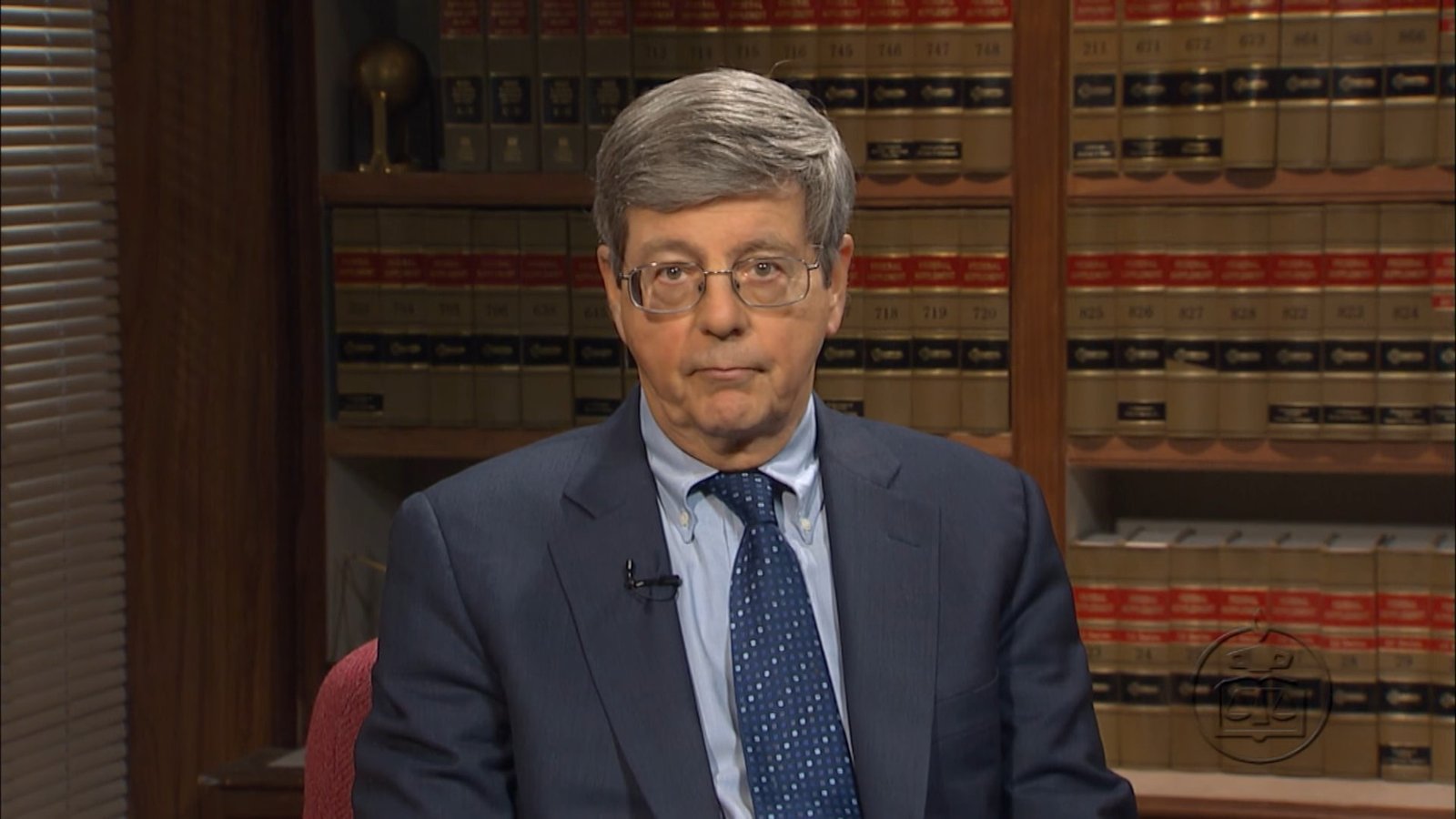
Smith is now due in court on Tuesday, October 6, 2026, at 3:00 PM. Judge Koeltl sits at the Daniel Patrick Moynihan US Courthouse at 500 Pearl Street in Manhattan.
So far, the defense filing is the only sentencing submission on the docket.
On October 6, Judge Koeltl decides what the first US criminal case over streaming fraud costs Michael Smith.
Frequently asked questions
Is Boomy founder Alex Mitchell charged in the Michael Smith AI streaming fraud case?
No. Court papers say the AI songs came from an unnamed CEO of an AI music company, and Billboard reported that hundreds of songs registered to Michael Smith list Boomy founder Alex Mitchell as a co-writer. Mitchell has not been charged with any crime and told Billboard that Smith “consistently represented himself as legitimate.”
When was Michael Smith arrested for AI streaming fraud?
Michael Smith was arrested in the Western District of North Carolina on September 4, 2024, the same day his indictment was unsealed in the Southern District of New York. That indictment had 3 counts. He pleaded guilty to 1 count of wire fraud conspiracy on March 19, 2026.
Who are the prosecutors and defense lawyers in United States v. Michael Smith?
Assistant US Attorneys Nicholas W. Chiuchiolo and Kevin Mead of the Southern District of New York's Complex Frauds and Cybercrime Unit are prosecuting the case, docketed as 24 Crim. 504. Justine A. Harris, Noell Tin, Anna Estevo and Emily Gladden appeared for Smith at his March 19, 2026 plea hearing, according to the court docket.
Which streaming platforms did Michael Smith's bot accounts stream AI songs on?
Michael Smith's bot accounts streamed his songs on Spotify, Amazon Music, Apple Music and YouTube Music, starting in 2017. According to the US Attorney's Office, he spread the streams across hundreds of thousands of AI-generated songs so that no single track looked unusual.
About the author
Covering AI music tools, industry shifts, and news for music creators and professionals. Twice-weekly newsletter at aimusicpreneur.com.