The AI Music Briefing #18: Secretly offered 100+ labels an AI licence and 3 said yes
The week of August 31 to September 4, 2026, when Secretly Distribution offered 100-plus indie labels an ElevenLabs AI licence and 3 signed, the Justice Department called AI training fair use, and 4 new suits landed against Suno and Anthropic anyway.
My stack My fav 6 tools for AI music after testing 70+
-
 ElevenMusic · Music generation
 -
 Moises · Stem separation
 -
 Controlla · Voice swap & cloning
 -
 Cryo Mix · Mixing + mastering
 -
 Neural Frames · Music videos
 -
 ONCE · Distribution
Some links are affiliate links — I earn a commission at no cost to you. Every tool here is one I run myself and truly believe in. This stack is proven.
Issue #18 · the week of August 31 to September 4, 2026 · ~8 min read. The Friday read for music industry professionals working at the intersection of AI and the traditional music business. Curated by Christopher Wieduwilt.
What’s in store:
- Top Story: 100+ indie labels were offered an AI licence with opt-in and a revenue share. 3 signed.
- The Justice Department told a judge that AI training is fair use
- Suno pulled its Mary J. Blige ad and says an impostor signed the deal
- Finland’s chart bans AI music made with unlicensed tools
- 4 new AI music suits in 6 days, 2 of them with no copyright claim
This week in AI music: Washington called AI training fair use, and 4 new suits arrived anyway
The Justice Department told a New York judge on September 1 that training a model on copyrighted work is fair use. Between August 28 and September 2, publishers, songwriters and a Canadian collecting society filed 4 new suits against Anthropic and Suno, 2 of them without a single copyright claim. Finland closed its chart to AI music from unlicensed tools, and Suno pulled a Mary J. Blige ad it now says an impostor signed.
Also, Napster sells chatbots now.
Here’s what mattered:
The Justice Department told a New York judge that AI training is fair use
The Justice Department told Judge Sidney Stein in NYT v. OpenAI that training a model on copyrighted text is fair use, in a 20-page statement of interest, the first time the US government has weighed in on an AI copyright case. It’s advice, not a ruling. Suno, Udio and Anthropic face the same test.
Suno pulled its Mary J. Blige ad 5 days in and says an impostor signed the deal
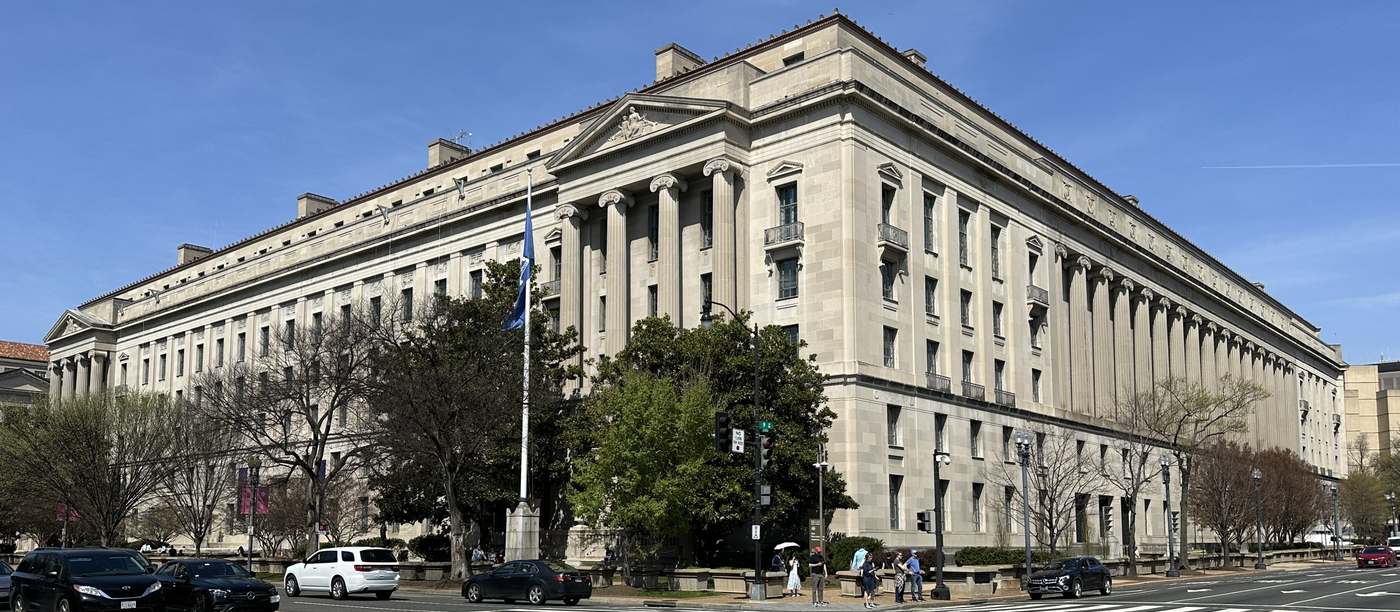
Suno pulled its Mary J. Blige ad on September 3, 5 days after it started running on TikTok, and says someone posing as her representative signed the deal. Blige never approved it. The “multimillion-dollar deal” behind the story traced to a single X post.
IFPI Finland closed the Official Finnish Chart to AI music from unlicensed tools
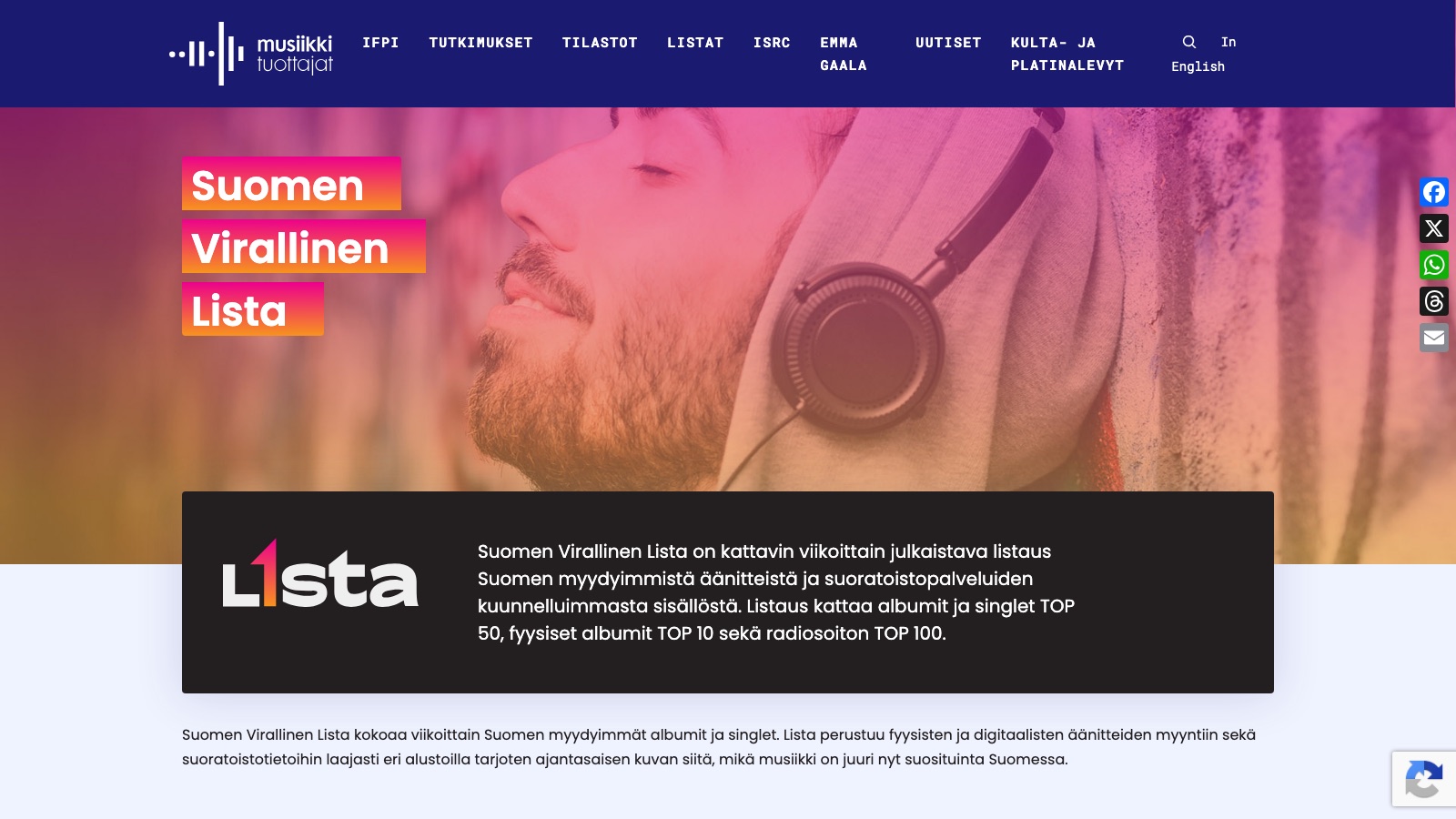
IFPI Finland closed the Official Finnish Chart to AI music unless the track is mostly human-made and the AI tools behind it are licensed. Removals can be retroactive. It’s the first chart rule anywhere that makes the tool’s training licence part of eligibility, and the second national ban in a week after ARIA.
Songscription licensed independent publishers before anyone sued it
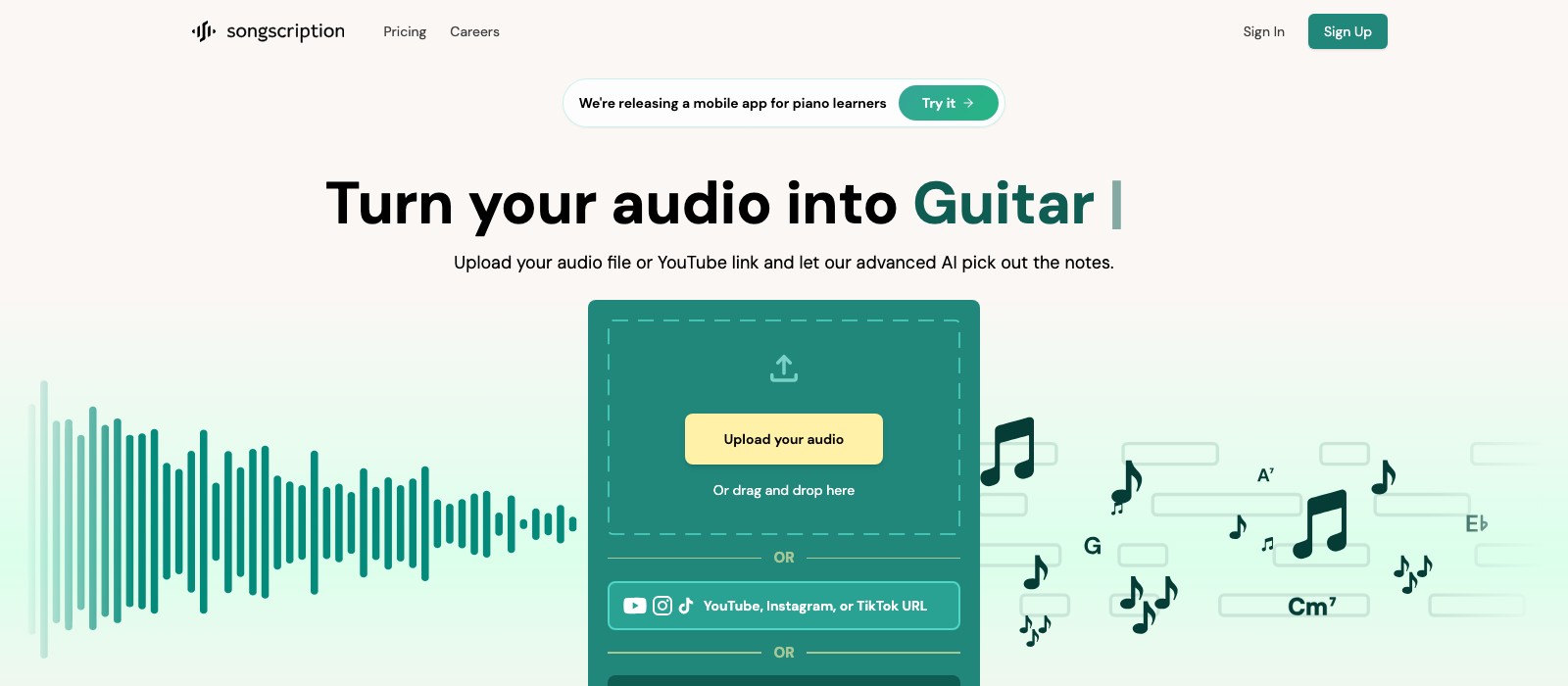
Songscription, the app that turns any recording into sheet music and MIDI, signed licences with independent publishers before anyone sued it. Spirit Music Group is the public one. CEO Andrew Carlins says publishers “seem more keen to license us than some other AI services.”
TONE3000 released a free plugin that streams 700,000+ amp captures into any DAW
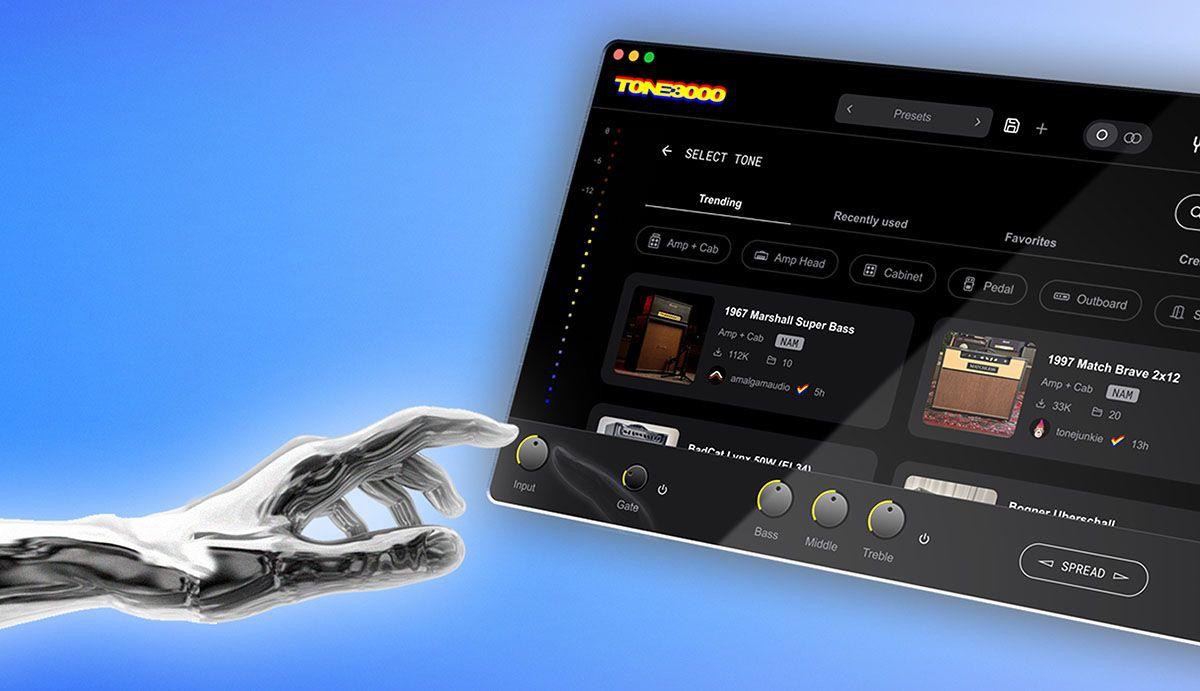
TONE3000 released a free, open-source guitar and bass plugin that streams its full library of 700,000+ amp captures inside any DAW. The library doubled in 3 months. A comparable amp sim costs $100 and never grows.
Spam uploads landed AI tracks on Sonny Criss and Jimmie Noone’s streaming profiles
Spam uploads landed AI tracks on the Spotify, Amazon and YouTube profiles of jazz players Sonny Criss (died 1977) and Jimmie Noone (died 1944), plus Jean Carne, who is alive. Fingerprinting matches copies, and these were originals, so nothing fired. Spotify has since removed them.

Audacity 4 shipped on Qt with Workspaces, overlapping clips and real-time VST3
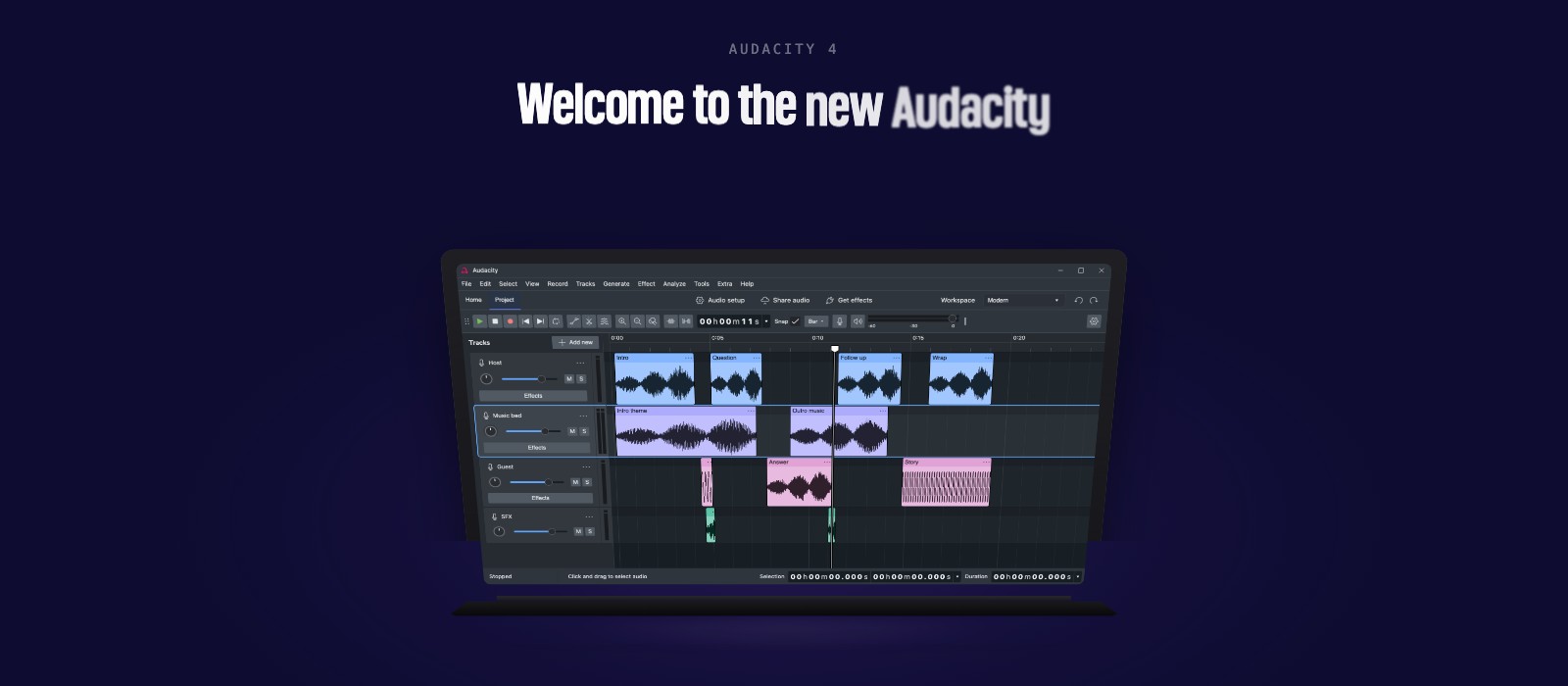
Audacity 4 shipped on September 3, rebuilt on Qt with overlapping clips, Workspaces and real-time VST3, still free under GPL v3. The launch page doesn’t mention AI once. Stem separation and transcription stay in the separate OpenVINO plugin pack.
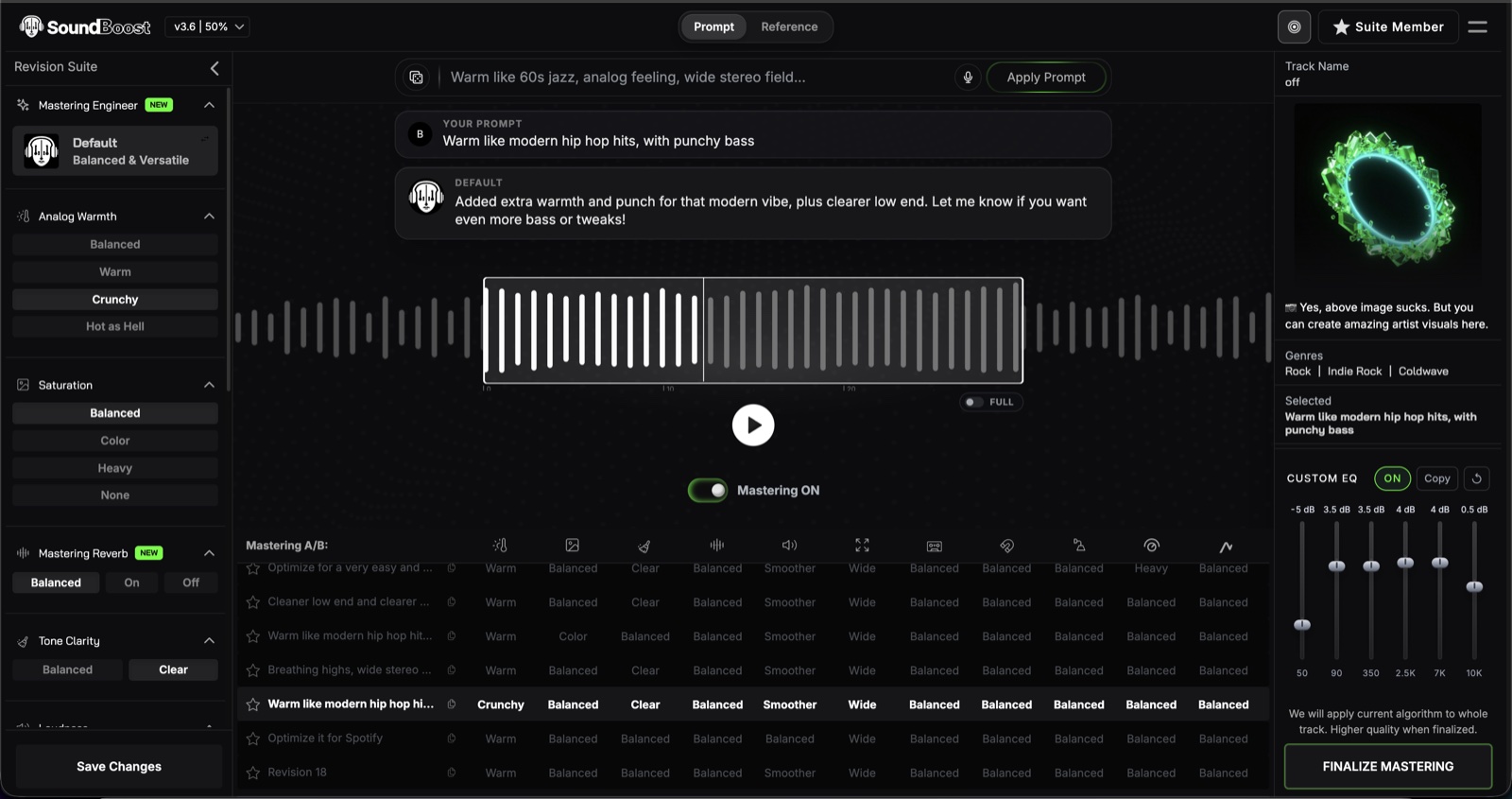
SoundBoost put its mastering app on iOS and Android with Engine 3.6
SoundBoost put its mastering app on iOS and Android and shipped Engine 3.6, which takes stem-level prompts (“bring the vocals forward”) and spoken instructions in Realtime Mode. Its stem splitter now separates guitar, piano and the individual drum parts on the paid tiers.
Musixmatch and LyricFind launched rival lyric products, then mediation collapsed
Musixmatch and LyricFind launched rival lyric products on September 2, then told a judge on September 3 that mediation in LyricFind’s antitrust suit over Musixmatch’s exclusive Warner Chappell licence is off. LyricFind wanted to mediate. Musixmatch and TPG didn’t.
Top Story: Secretly Distribution offered 100+ labels an AI licence, and 3 said yes

Independent music spent 2 years asking for a seat at the table. A seat turned up this month, and 3 labels out of 100 sat down.
The offer works like this. ElevenLabs wanted to train its music model on independent catalogs. Merlin, which represents thousands of indie labels, and Kobalt, the biggest independent publisher, negotiated the terms. No music goes in unless the artist opts in. Everyone who opts in gets a share of the revenue. If a major label ever gets better terms, Kobalt’s terms rise to match.
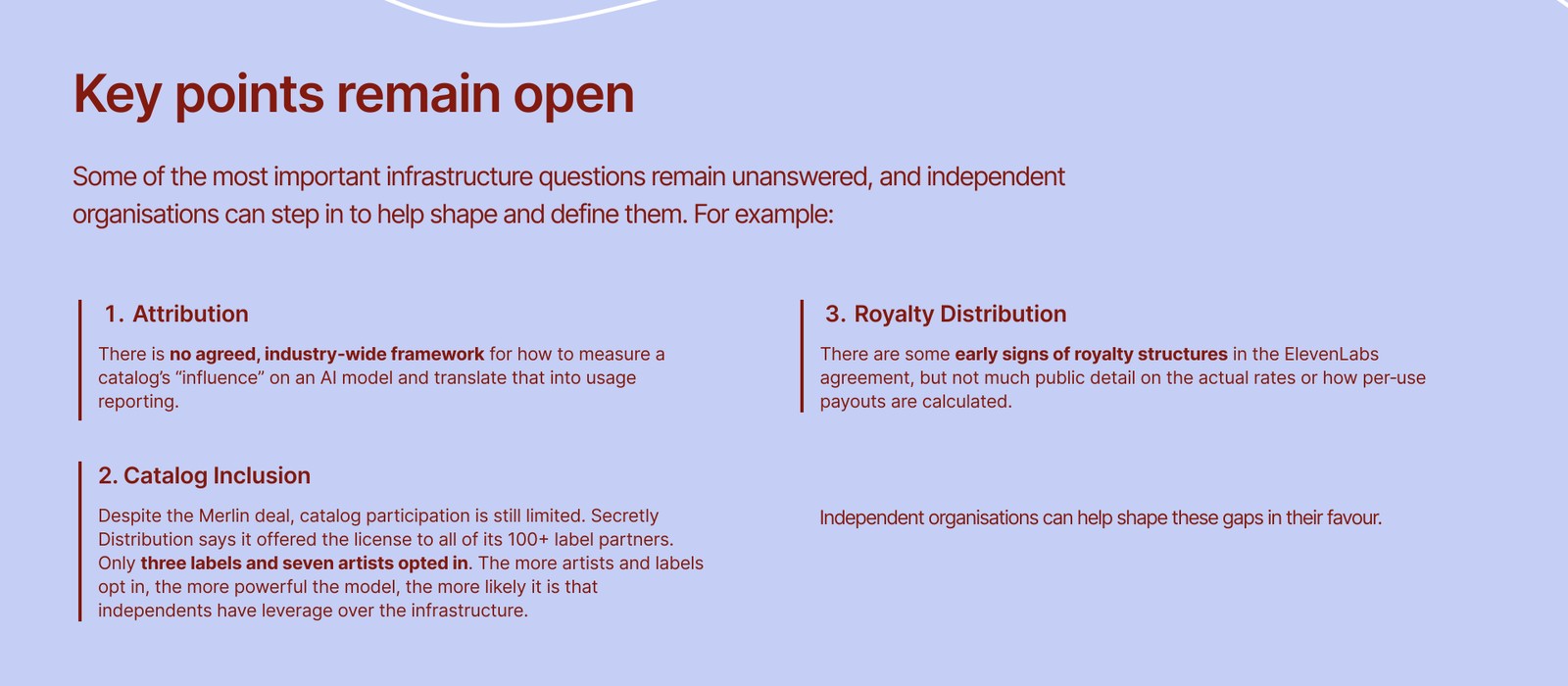
Secretly Distribution put that offer in front of all 100-plus of its label partners. 3 labels and 7 artists said yes. The number sits on page 26 of Independent Music 2026, the report Stvdio published with Secretly on September 2.
Either: engage and accelerate a technology that many are philosophically opposed to, but at least shape it in their favour. Or do nothing.
Why the 97 labels that said no to the ElevenLabs licence have a case
The other 97 have a case. Letting a model train on your catalog is the thing this sector has spent 2 years fighting in court, so signing looks like switching sides. And nobody can tell you what it pays. There is no agreed way to measure what one catalog adds to a model, and no rates are public. A label with no lawyer, reading a contract with no number in it, is being careful with its only asset.
Turning down the ElevenLabs licence doesn’t keep your catalog out of AI models
This is where the reasoning breaks. Suno trains on the open internet and argues fair use, and on September 1 the US government told a New York judge that reading is correct. Turn ElevenLabs down and your catalog still sits inside the tools that never asked. The no protects your name on a contract, not your music.
What signing the ElevenLabs licence actually buys: a rate on the record
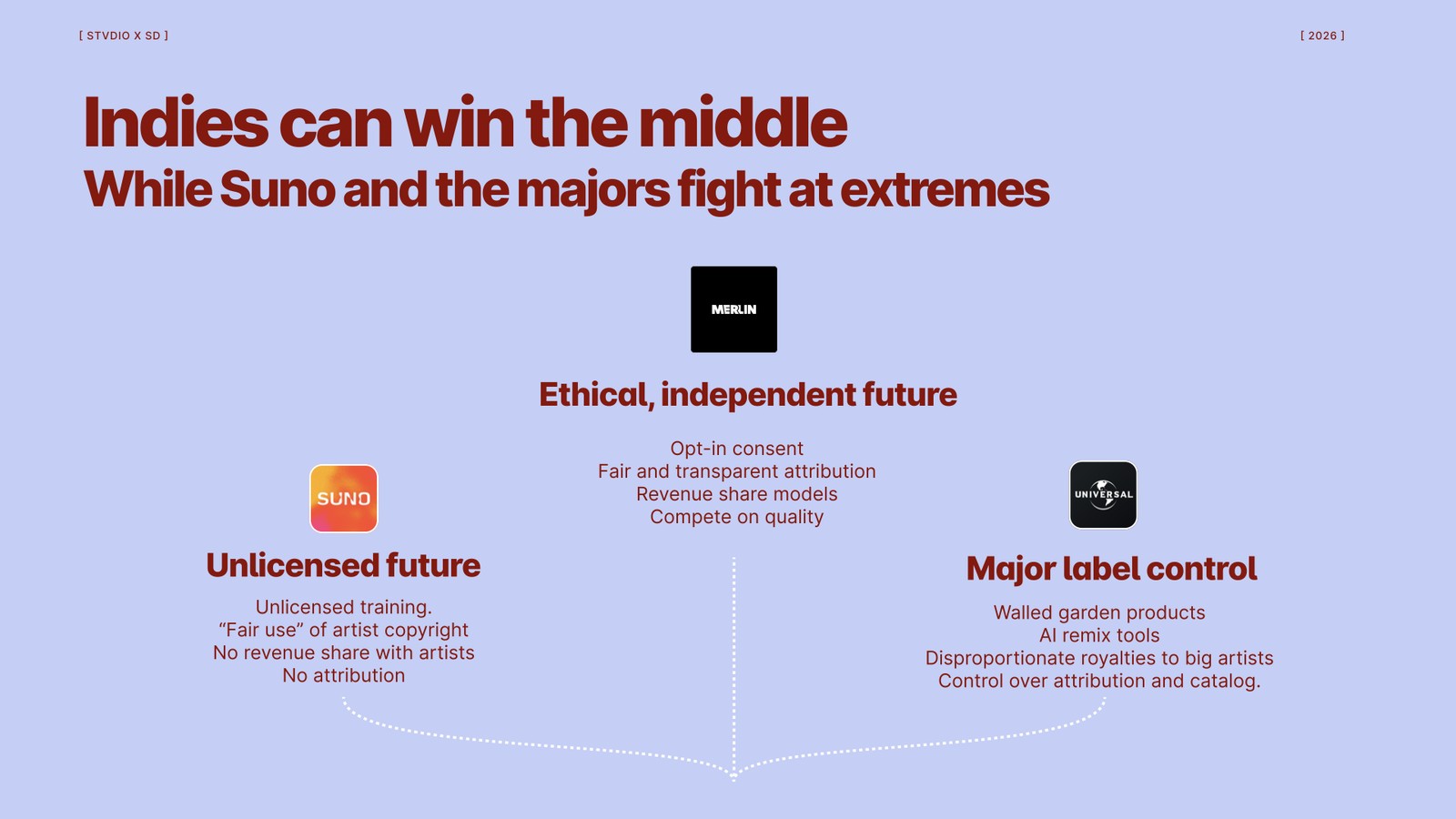
Training money will be small. I’d expect a rounding error rather than a revenue line, and anyone promising more is selling you something. What a signature buys is a rate on the record and a number the next negotiation starts from. Right now that number is 3 out of 100, and every AI company can see it.
So if the licence is in front of you, read it. Price it against what silence pays, which is nothing while the training happens anyway. Then decide.
Some of you will read all that and still say no, and for some catalogs no is right. Signing does speed up a technology plenty of people here want slowed down. I’d rather be in the room arguing about the rate than outside it while the majors set one again.
Take the seat, or say why not.
→ The full argument · → The report
AI Music Lawsuit Tracker: 4 new suits in 6 days, and Udio names the tool it used
Two roster cases moved this week and 4 new ones arrived. GEMA v. Suno, Round Hill v. Suno and Anthropic, the indie artists’ cases against Suno and Udio, AFM v. Universal & Warner and Concord v. Anthropic did not move.
Here’s what changed:
RIAA v. Suno: Universal and Sony add a DMCA count over YouTube stream-ripping
Universal and Sony filed their First Amended Complaint against Suno on August 25, adding a DMCA count that says Suno stream-ripped its training copies from YouTube with YT-DL and YT-DLP. The case stays at the original 560 recordings. Fact discovery closes September 30.
RIAA v. Udio: Udio admits it pulled training data with yt-dlp and calls it fair use
Udio answered Sony’s second suit, the one with 30,117 recordings attached, on August 31. It acknowledges it pulled training data with yt-dlp, calls the training “quintessential fair use,” and accuses Sony of extending “an unlawful monopoly” over music production.
New this week:
Sony Music Publishing and Warner Chappell v. Anthropic: Dario Amodei and Benjamin Mann named personally
Sony Music Publishing and Warner Chappell sued Anthropic on August 28 in California and named CEO Dario Amodei and co-founder Benjamin Mann personally on 2 of the 4 counts. All 3 majors’ publishing arms are now litigating against Anthropic. Anthropic says it will defend itself in court.
Isbell and Lowery v. Suno: an 84-page class action with 17 counts and no copyright claim
Jason Isbell and David Lowery filed an 84-page class action against Suno on August 31 with 17 counts and no copyright claim. It runs on right-of-publicity law and Illinois’ biometric privacy act, arguing Suno computed and stored their voiceprints without consent. Prompting Suno with “jason isbell” returned an Americana track called “Paper Bell.”
Gerencia 360 v. Suno and Bright Data: $165 million over 444 Regional Mexican works
Gerencia 360, a Regional Mexican indie, sued Suno and Bright Data on August 31 for just over $165 million across 444 registered works, alleging Suno copied the catalog to grab the Spanish-language AI market. Same lawyer as Round Hill, same defendants, same court.
SOCAN v. Suno: the first collecting society to sue over model outputs
SOCAN sued Suno in Canada’s Federal Court on September 2 over 150 outputs from 137 songs, including a near-copy of Avril Lavigne’s “Sk8er Boi” with some lyrics in Korean. GEMA and Koda sued over training. SOCAN is the first collecting society to sue over what comes out. It asks for CAD $10 million in punitive damages plus an injunction covering every work it represents.
→ Full case files and timelines
One thing to do this weekend: split one song twice, once from the MP3 and once from the WAV
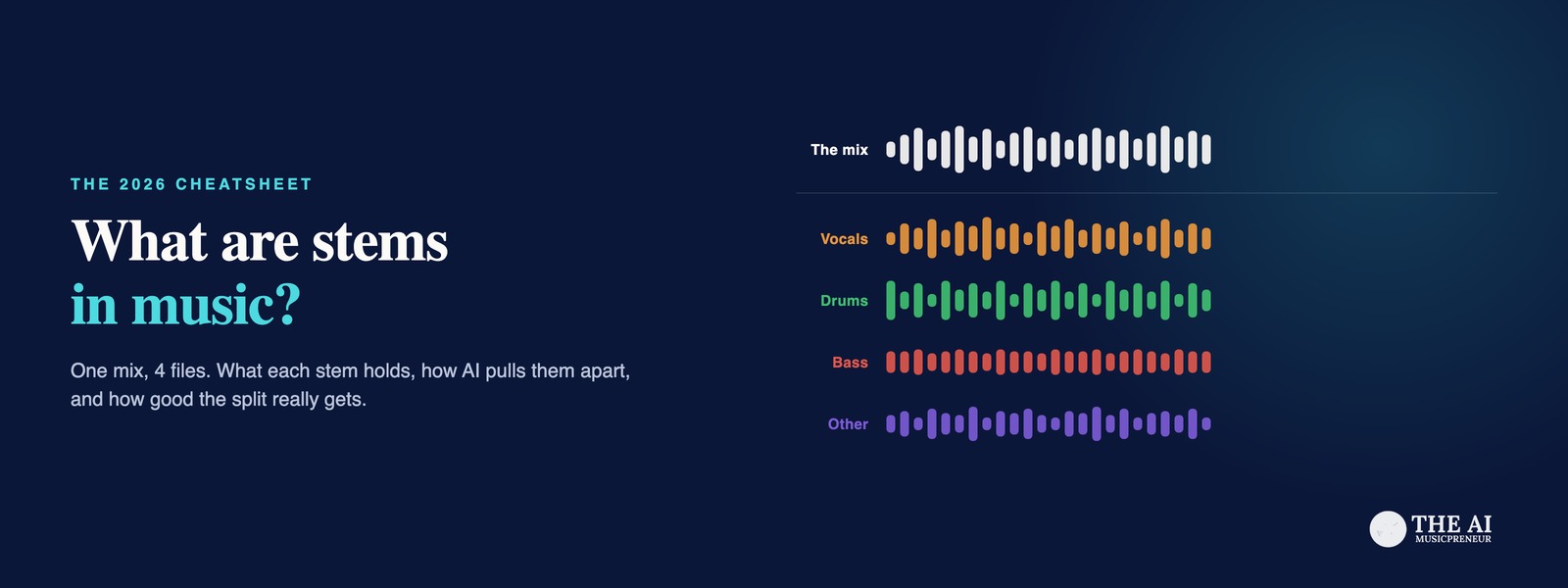
I refreshed my stem separation cheatsheet this week, and one number in it changed how I feed these tools. The same reference stems score 114 dB of separation quality as a WAV, 38 dB as a 320 kbps MP3, and 20 dB as a 128 kbps MP3. The file format costs more than the choice of model.
So pick any splitter in the chart, run the same song from both files, and solo the “other” stem, where guitar and piano live. It’s the weakest stem for every model (about 9 dB against 18.6 for the instrumental), so the difference lands there first.
About The AI Music Briefing
The AI Music Briefing is a weekly Friday read for music industry professionals working at the intersection of AI and the traditional music business. Curated and written by Christopher Wieduwilt, founder of The AI Musicpreneur. Browse every issue of the briefing.
Got a tip, a story, or a partnership idea? Reach out any time. Every message lands directly in my inbox.
— Christopher
About the author
Covering AI music tools, industry shifts, and news for music creators and professionals. Twice-weekly newsletter at aimusicpreneur.com.