Tod Machover's AI symphony 'already and not yet' premieres with the Boston Symphony Orchestra on October 22, 2026
My stack My fav 6 tools for AI music after testing 70+
-
 ElevenMusic · Music generation
-
 Moises · Stem separation
-
 Controlla · Voice swap & cloning
-
 Cryo Mix · Mixing + mastering
-
 Neural Frames · Music videos
-
 ONCE · Distribution
Some links are affiliate links — I earn a commission at no cost to you. Every tool here is one I run myself and truly believe in. This stack is proven.
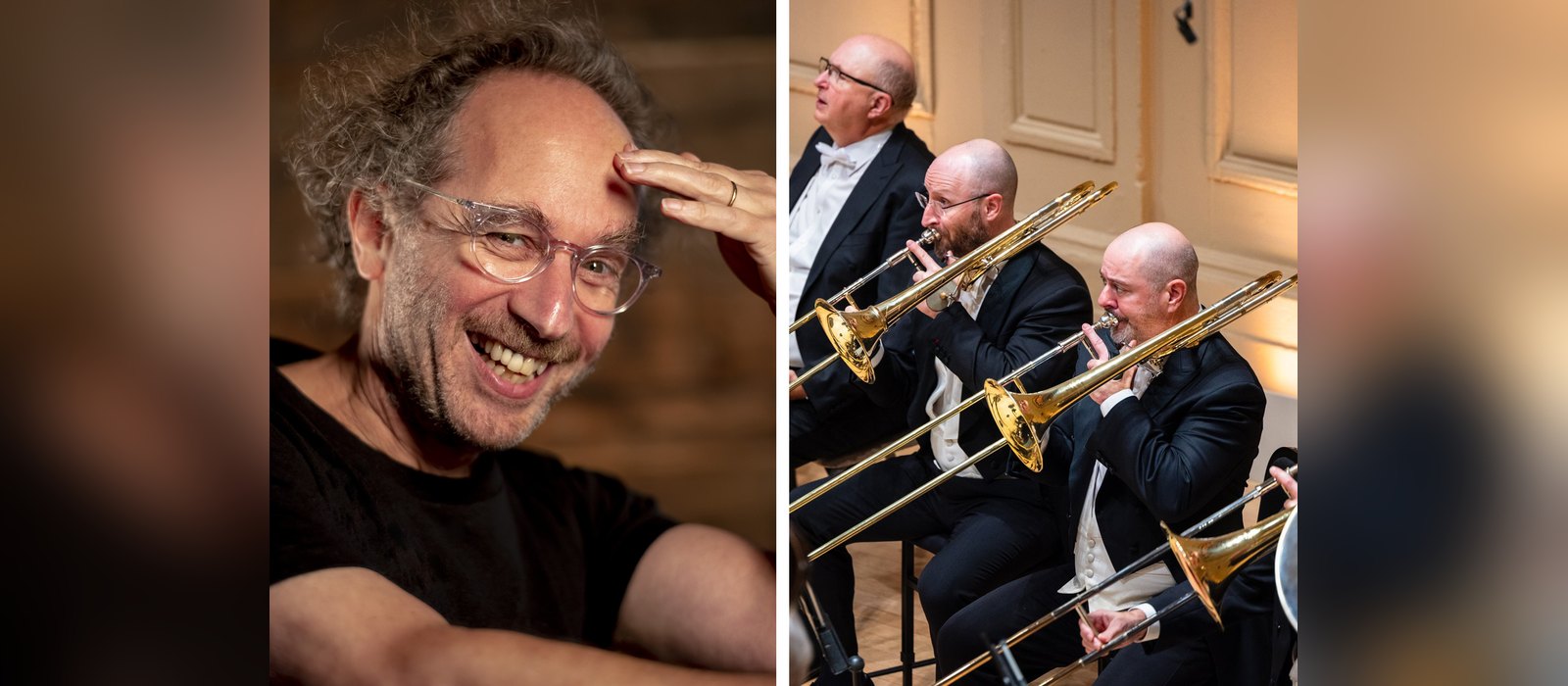
MIT composer Tod Machover’s new symphony, “already and not yet”, gets its world premiere with the Boston Symphony Orchestra on Thursday, October 22, 2026. AI tools play along with the orchestra in real time.
Kent Nagano conducts 3 performances at Boston’s Symphony Hall from October 22 to 24, and MIT News laid out how the piece works the day before. The Boston Symphony Orchestra commissioned it.
How the Live AI system in ‘already and not yet’ plays with the Boston Symphony Orchestra
The symphony has 3 movements, and each one stands for a stage of democracy. In “Smash Up”, brass, percussion and electronics crowd out the strings and winds. “Wake Up” slowly regroups, and in “Stand Up” every section of the orchestra works out a new balance.
The AI comes in during the last 2. Machover’s team at the MIT Media Lab built what it calls a “Live AI” system that listens to the musicians and responds on the spot.
- Second movement: the AI highlights what makes each player distinct, turning the orchestra into “an ensemble of soloists”.
- Third movement: it looks for common ground, building “sonic bridges” across the orchestra and pushing the sound out into the hall through extra loudspeakers installed for the run.
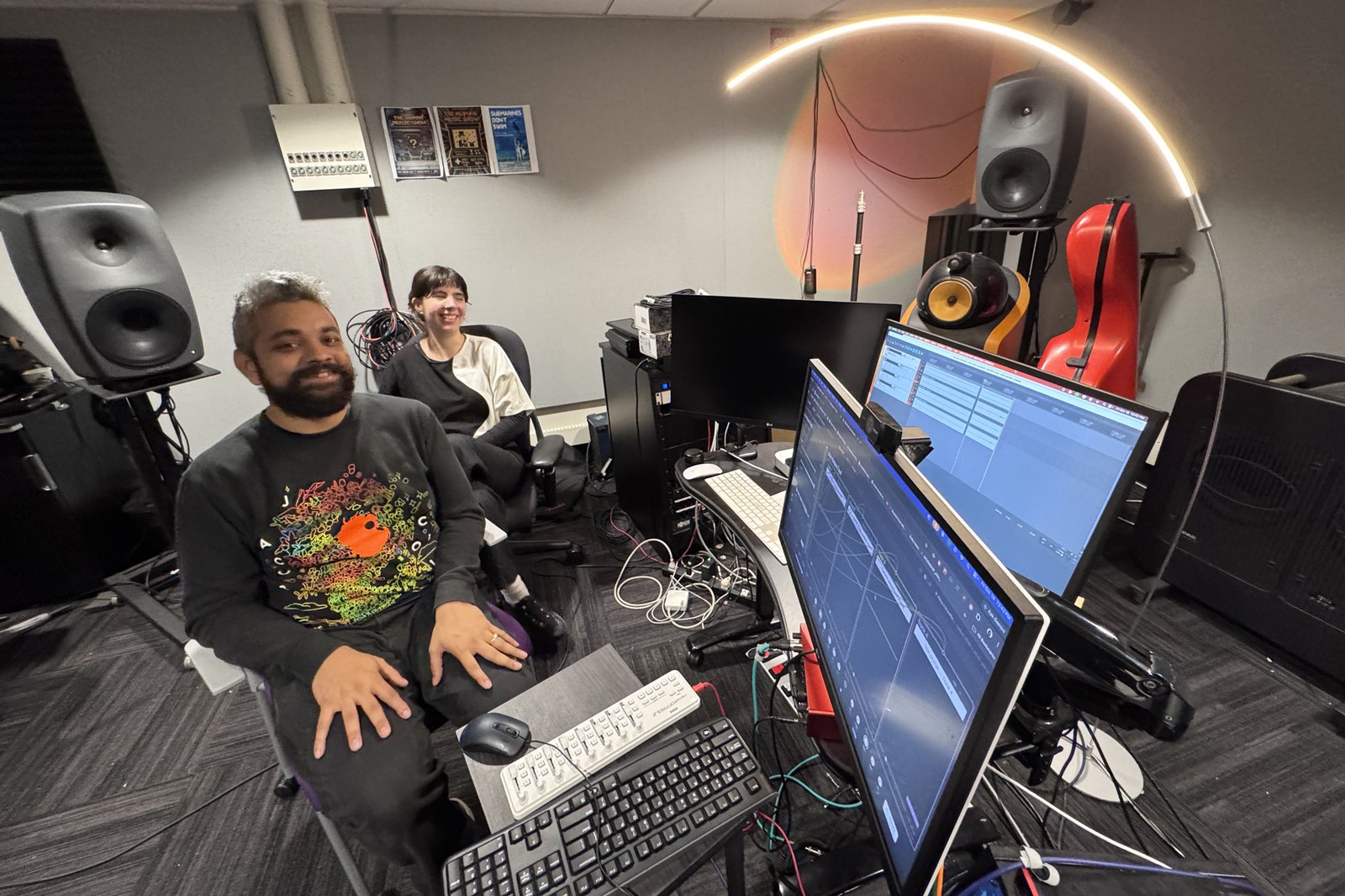
PhD candidate Manaswi Mishra designed and built the AI systems, and fellow PhD candidate Ana Schon mixes the sound live in Symphony Hall at every performance.
It's a whole society up there on stage, and the liveliness and ever-changing nature of the AI systems for this piece both dramatize and encourage a new way of playing and listening.
Why Tod Machover says today’s AI is worse at analysis than his hypercello for Yo-Yo Ma
Machover isn’t new to this. Decades ago he built hyperinstruments, instruments that respond to how a musician plays, including a hypercello for Yo-Yo Ma that analysed Ma’s sound, technique and expressive intent.
He says generative AI flips that. Today’s models are “less good at analysis”, so they can’t really understand a performance the way his older systems tried to.
What they do well, he says, is pick up patterns in the audio itself and answer back. Mishra’s systems create “an immediate, creative dialogue with musicians, producing sophisticated and surprising augmentations”, which in turn push players and composers toward new ideas.
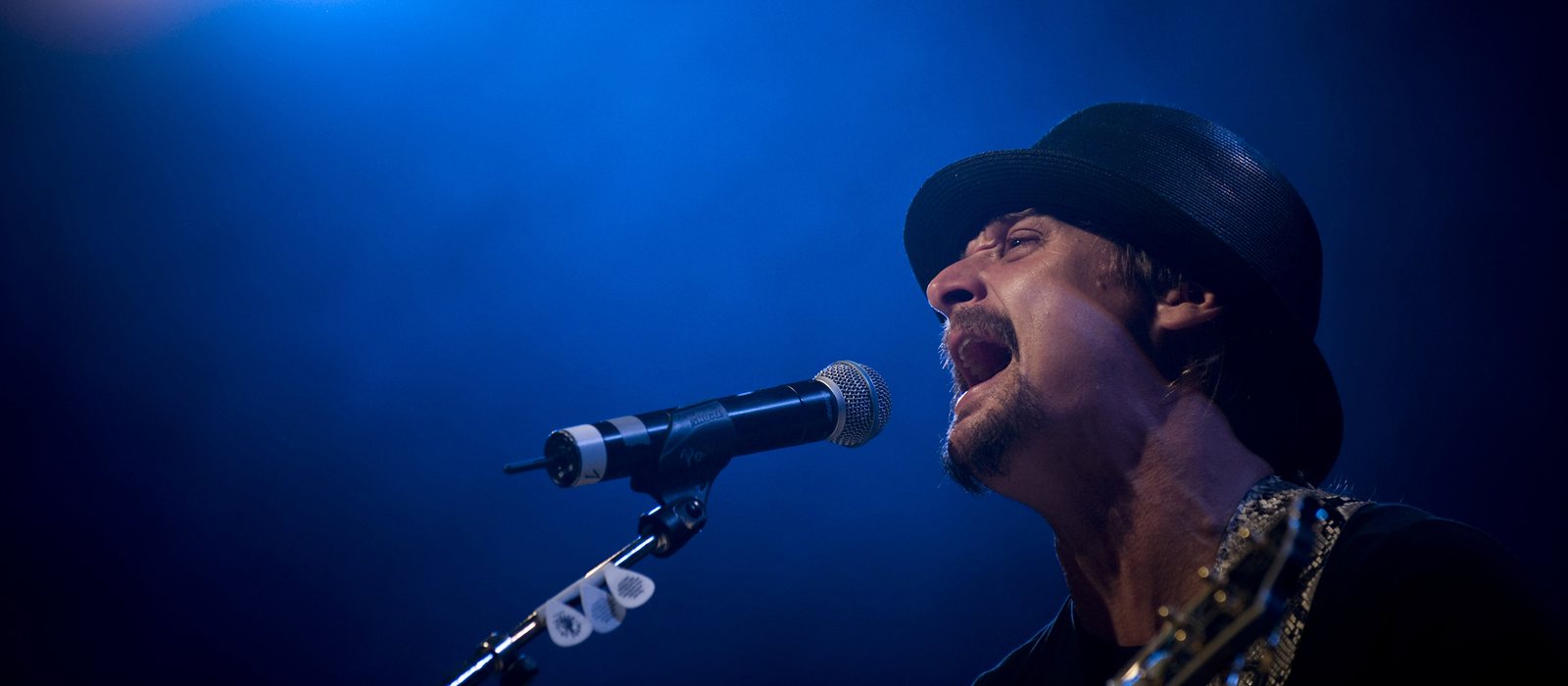
On Kid Rock’s Halfway 2 Jesus, Suno generated the choir arrangements and some orchestrations for the record. Machover’s system plays live with the orchestra instead, the way the University of Miami’s CHAI project did at its AI co-created pop concert.
Machover still wants the audience to forget about the tech. His biggest wish is that people “listen to this piece as music” and leave humming the melody that builds across all 3 movements. The next of his City Symphonies, underway in Seoul, is set to premiere in September 2027.
Frequently asked questions
Who conducts the Boston Symphony Orchestra premiere of Tod Machover's 'already and not yet'?
Kent Nagano, a longtime collaborator and advocate of Machover's music, conducts the Boston Symphony Orchestra. The performances run October 22 to 24, 2026 at Symphony Hall in Boston.
What are the three movements of Tod Machover's 'already and not yet'?
The movements are 'Smash Up', 'Wake Up' and 'Stand Up'. Machover built them around stages of democracy: brass, percussion and electronics crowd out the strings and winds, then the orchestra regroups, then every section works out a new balance between the individual and the group.
Why is 'already and not yet' tied to the MIT Media Lab's 40th anniversary?
The Boston performances line up with the MIT Media Lab's 40th anniversary celebrations the same week. Machover has been at the Media Lab since it opened, leads its Opera of the Future group, and calls the piece an homage to the lab's spirit of invention.
About the author
Covering AI music tools, industry shifts, and news for music creators and professionals. Twice-weekly newsletter at aimusicpreneur.com.