Spam farms hijacked jazz legends' streaming profiles to release AI tracks
My stack My fav 6 tools for AI music after testing 70+
-
 ElevenMusic · Music generation
 -
 Moises · Stem separation
 -
 Controlla · Voice swap & cloning
 -
 Cryo Mix · Mixing + mastering
 -
 Neural Frames · Music videos
 -
 ONCE · Distribution
Some links are affiliate links — I earn a commission at no cost to you. Every tool here is one I run myself and truly believe in. This stack is proven.
William “Sonny” Criss released two new singles on Spotify this year. He died in 1977.
Both tracks carried cover art showing a generic anime character, credited to a composer called “Zainul Irpan,” which Futurism describes as a mashup of two generic Arabic-rooted names. The publisher on the release was “Ami bacuk.”
Criss is not the only one. The same operation reached the profiles of vocalist Jean Carne, cornetist Red Nichols and clarinetist Jimmie Noone across Spotify, Amazon Music and YouTube.
How the fake releases reached real artist profiles
The route is metadata, not hacking. A distributor submits a release with artist credits attached, and the streaming service matches those credits to an existing artist page. Get the match right, and your upload lands on someone else’s profile.
That’s why “hijacked” is the accurate word here. Nobody broke into an account. The upload pipeline did what it was built to do, using a name.
In April, “Ami bacuk” released four singles credited to Jimmie Noone, the Black Dixieland clarinetist and bandleader who died in 1944. The tracks are titled “You Have Hurt Him,” “You Have Hurt Him 2,” “He’s still there,” and “He’s still there 2.”
They’re pop ballads with what sounds like an AI-generated female vocalist, sitting on a profile whose real album covers are black-and-white photographs.
Why fingerprinting missed the jazz profile uploads entirely
This is the detail worth sitting with, because it breaks the usual assumption about catching AI slop.
The tracks are not remixes. They aren’t rebuilt from Criss recordings or from any other identifiable artist’s work. Music identification software, which catches copies by matching audio against a database of known recordings, has nothing to match them against.
An original track generated from a prompt is, to a fingerprinting system, just a new song.
Futurism makes the harder point plainly: without the sudden run of anime cover art on a dead man’s profile, a casual listener would struggle to tell these jazz-flavored tracks from Criss’s own catalog. The tell was the artwork, not the audio.
Jean Carne’s case removes even the convenient framing that this only happens to the dead. Her YouTube Music profile was filled with the same kind of material, and she is alive.
What Spotify said about the hijacked jazz profiles
A Spotify spokesperson told Futurism that the releases have been removed from the artist profiles
and that protecting artists’ identities is a top priority for us, and we continue to invest heavily in detection and prevention.
Spotify also pointed to Artist Profile Protection, a feature that lets artists opt in to review incoming releases and approve or decline them before they go live. It has been in testing stages ahead of a full rollout.
Protecting artists' identities is a top priority for us, and we continue to invest heavily in detection and prevention.
An opt-in review feature puts the work on the artist. For a musician who died in 1944, somebody has to be running the estate’s profile and paying attention, which is a lot to assume across a back catalog that stretches into the 1920s.
Detection only bites when it touches the royalty pool
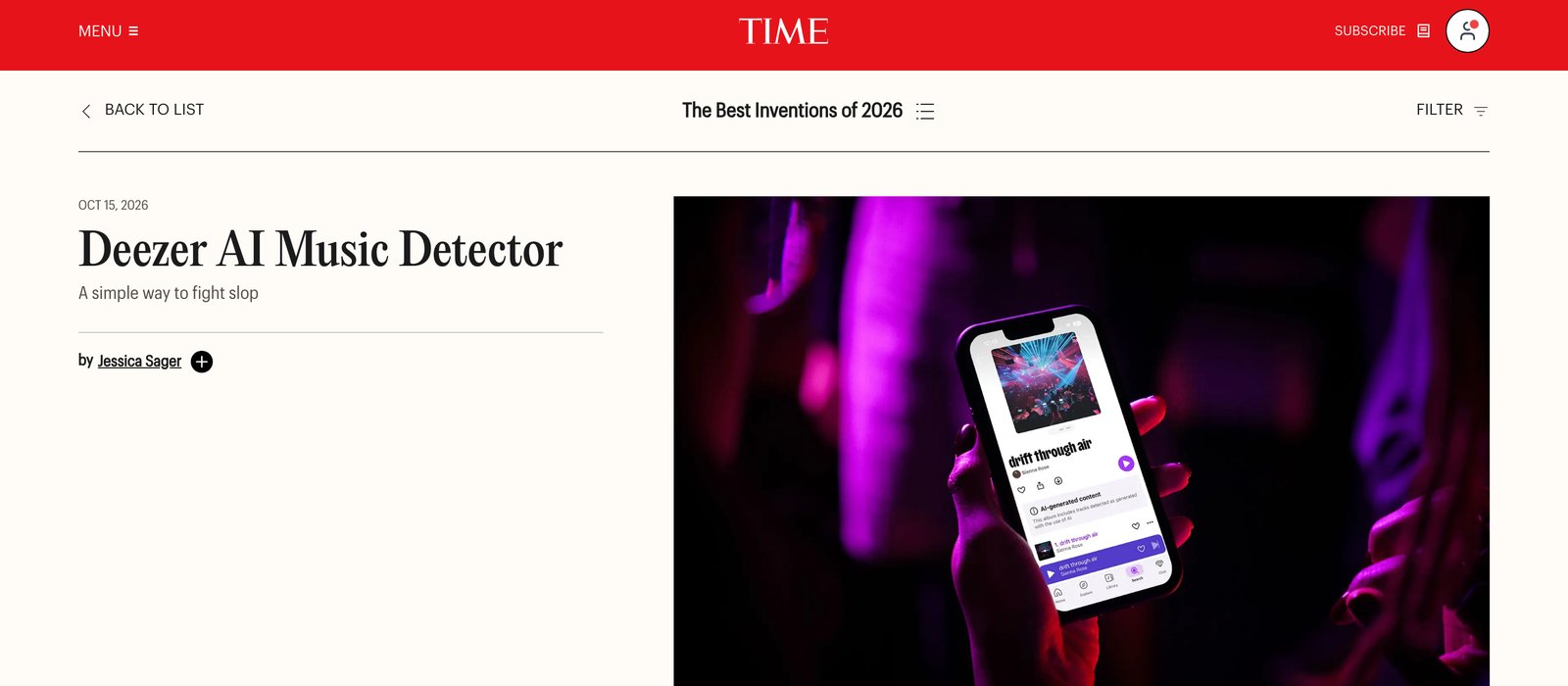
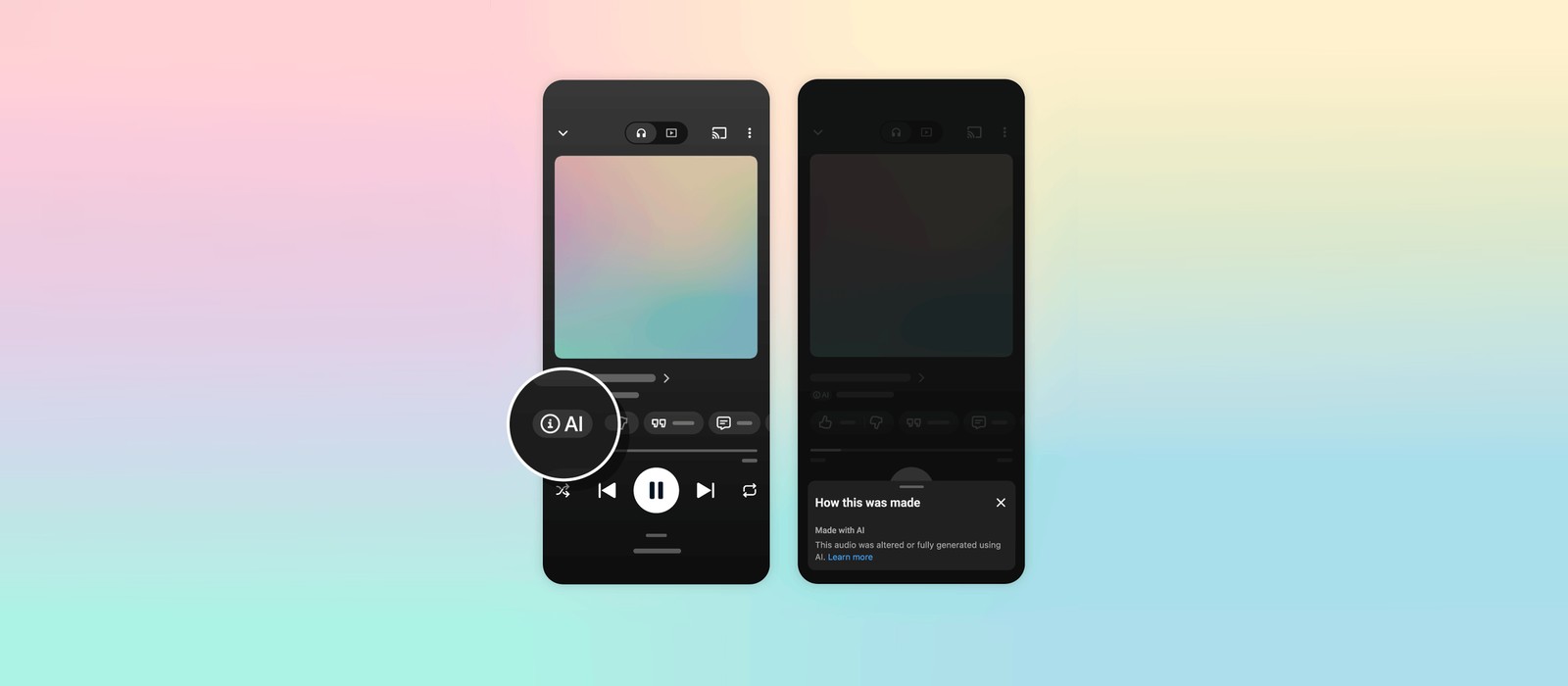
Deezer takes a different line. It identifies AI tracks on upload and pulls them out of the royalty pool, so a flagged track stops earning.
That’s the version with teeth. A platform paid per stream has no strong reason to remove content people are streaming, and every reason to keep the catalog growing. I’ve written before about the gap that opens when Spotify won’t label AI music and fans build the trackers instead.
If you release music, the concrete step is small and worth doing today. Claim your artist profile on every platform you distribute to, and turn on release review wherever it’s offered. A claimed profile with approval switched on is the one thing standing between your name and somebody else’s upload.
Frequently asked questions
Which jazz musicians had their streaming profiles hijacked with AI tracks?
Futurism identified alto saxophonist William "Sonny" Criss, vocalist Jean Carne, cornetist Red Nichols and clarinetist Jimmie Noone. Criss, Nichols and Noone are all dead. Jean Carne is still alive and had her YouTube Music profile filled with tracks that sound nothing like her five-octave range.
How did AI tracks end up on Jimmie Noone's Spotify profile?
In April 2026 a publisher credited as "Ami bacuk" released four singles attributed to Noone, a Dixieland clarinetist who died in 1944. The tracks are pop ballads with an apparently AI-generated female vocalist, sitting beside the black-and-white photo covers of his real catalog.
Why can't music identification software catch these AI uploads?
Because the tracks are not remixes or copies of existing recordings. Fingerprinting works by matching audio against a database of known works, so an original AI-generated track has nothing to match against and passes through unflagged.
What is Spotify Artist Profile Protection?
It is a feature that lets artists opt in to review incoming releases before they appear on their profile, approving or declining each one. Spotify has been testing it in stages ahead of a full rollout, and it addresses exactly the mismatched-metadata route these uploads used.
About the author

Covering AI music tools, industry shifts, and news for music creators and professionals. Twice-weekly newsletter at aimusicpreneur.com.