






AI Music Detection
AI music detectors analyse a finished audio file and estimate whether it was generated by a model such as Suno or Udio. Some are free scanners built for listeners and artists, others are enterprise APIs that distributors and streaming services run across whole catalogues. This directory documents what each one does, what it costs, and what it checks. It does not rank them, because ranking detection accuracy requires testing every tool against the same known inputs.
Tools for this job
AI Music Detection: common questions
How do AI music detectors work?
They analyse the audio signal of a finished file and look for statistical patterns that generative models leave behind. Some also compare the track against fingerprints of known outputs from specific platforms, which is how a detector can name Suno or Udio rather than just returning a yes or no. The detector never sees how the track was made, only the file that came out.
How accurate are AI music detectors?
Vendors publish their own figures, and those figures range from around 90% to over 99%. Almost none of them disclose the test set, so the numbers are not directly comparable. Independent testing across tools does not currently exist, which is why this directory documents what each tool claims rather than ranking them.
Can an AI music detector tell if only part of a song was AI-generated?
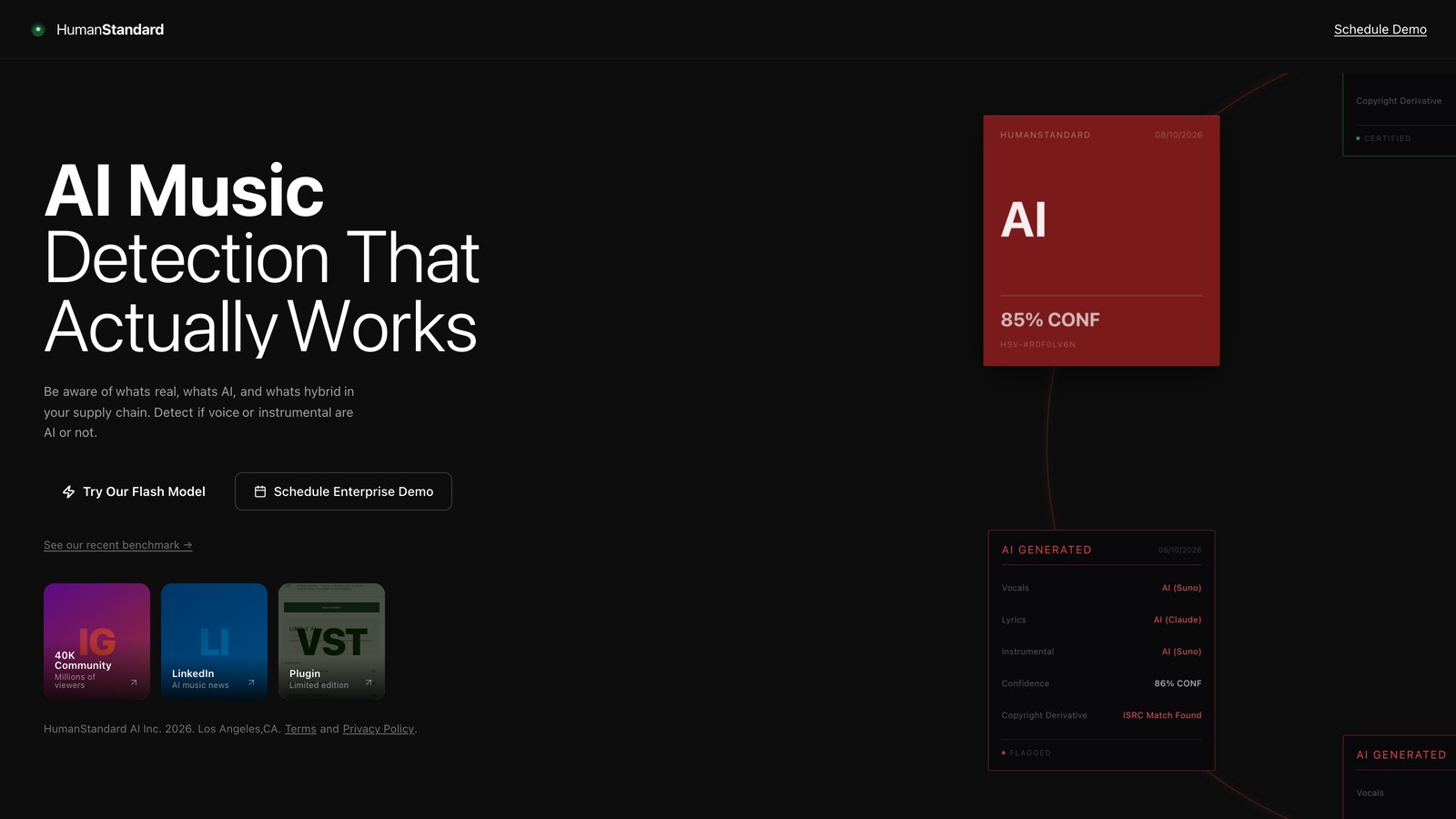
Some can, to a degree. A handful of detectors score the vocal and the instrumental separately, so a track with an AI instrumental under a human vocal returns two different results rather than one verdict. Most return a single score for the whole file, which is the case where hybrid tracks cause the most confusion.
Why do AI music detectors flag human-made songs?
Heavy processing is the usual culprit. Autotune, saturation, aggressive limiting, and synthetic instrumentation all push a human recording toward the patterns a detector associates with generated audio. Detectors report a probability rather than a fact, and a false positive on a heavily produced record is a known limitation across the category.
Can a detector prove a song is AI-generated?
No. A detector produces an estimate, not proof. It reads the finished file, so it cannot see who wrote the lyrics, who sang the topline, or how many hours went into the arrangement. A track built over 40 hours with AI tools and a track generated from a 10-second prompt can export to nearly identical files.
Are AI music detectors free?
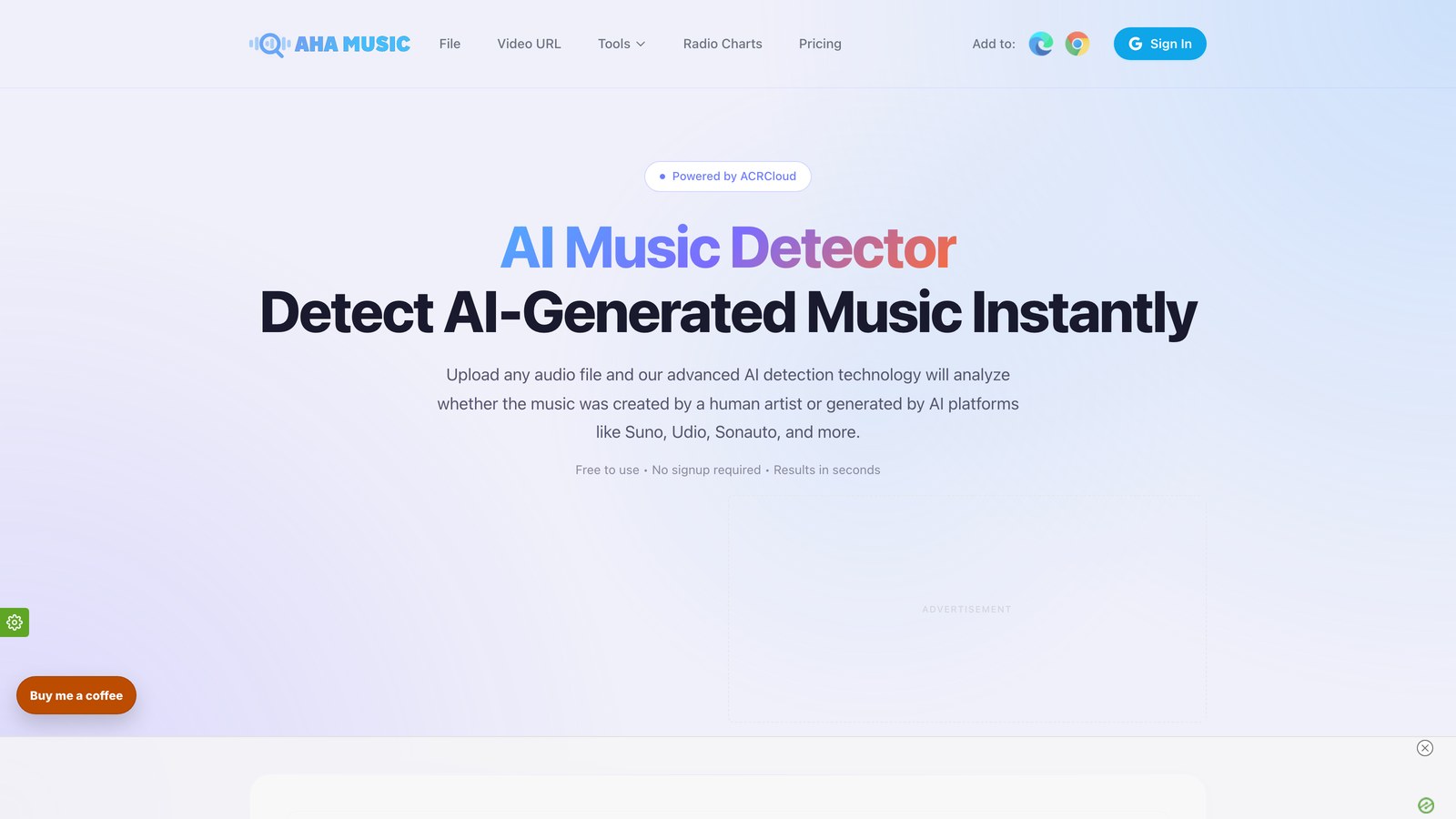
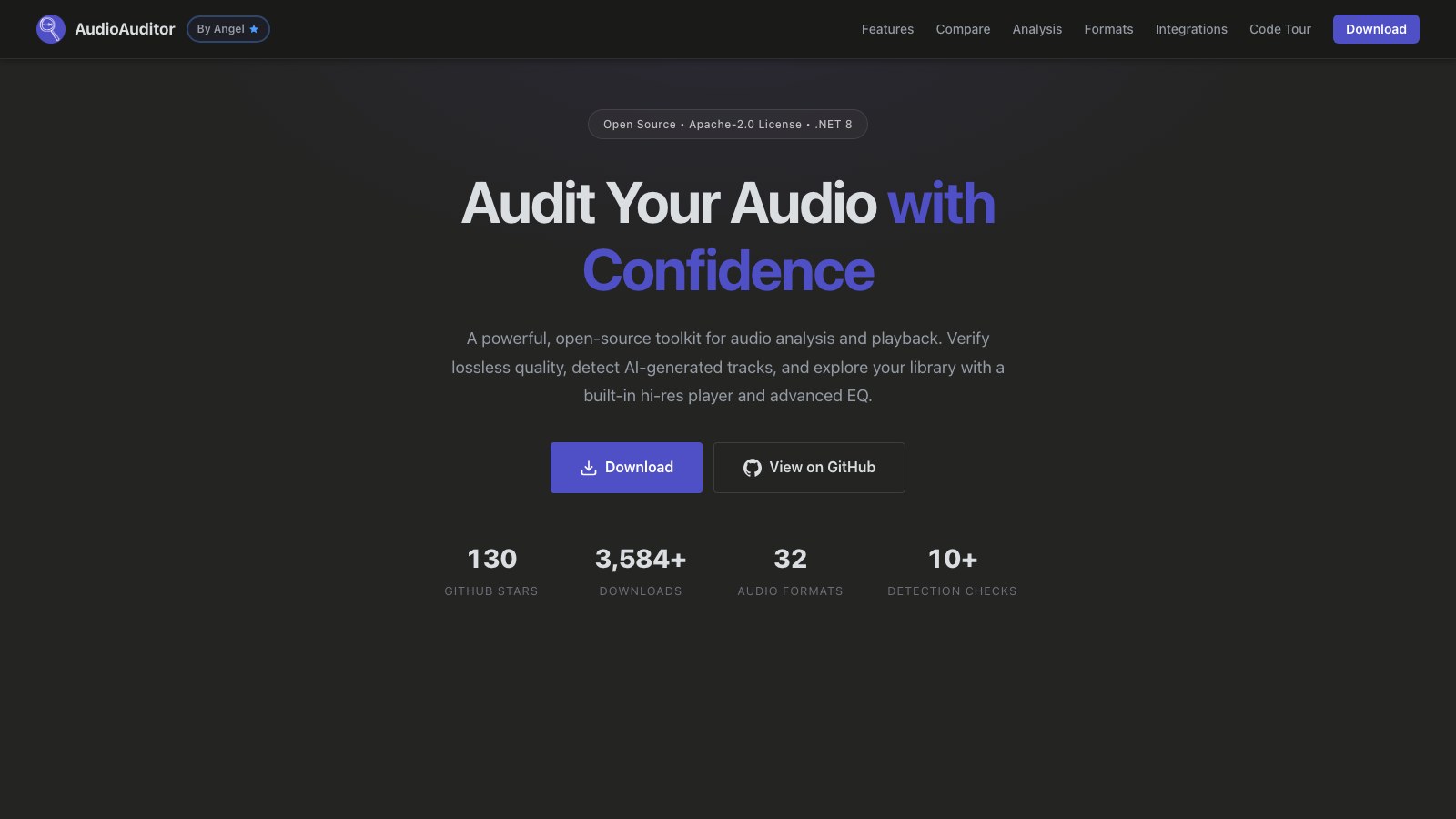
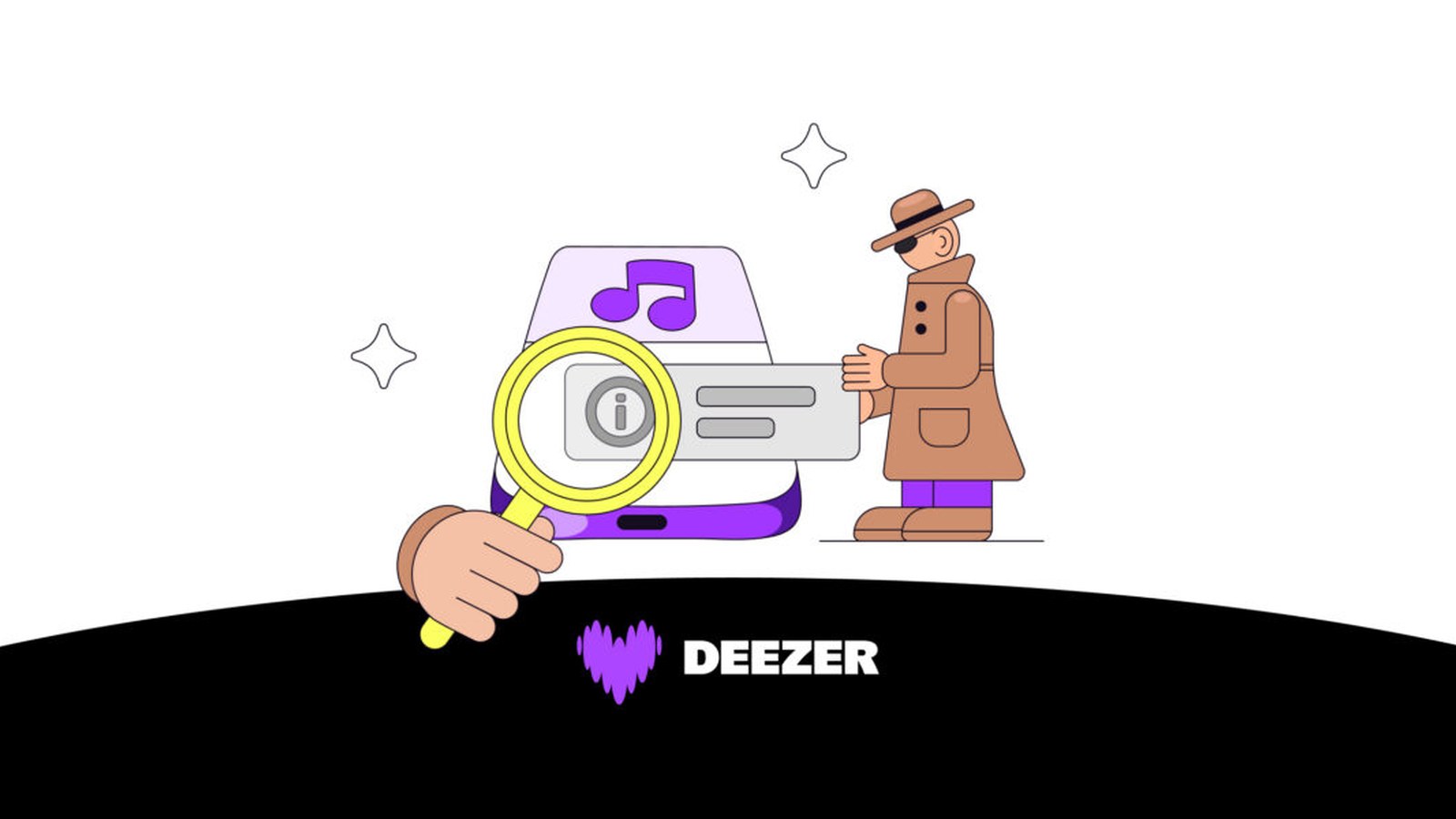
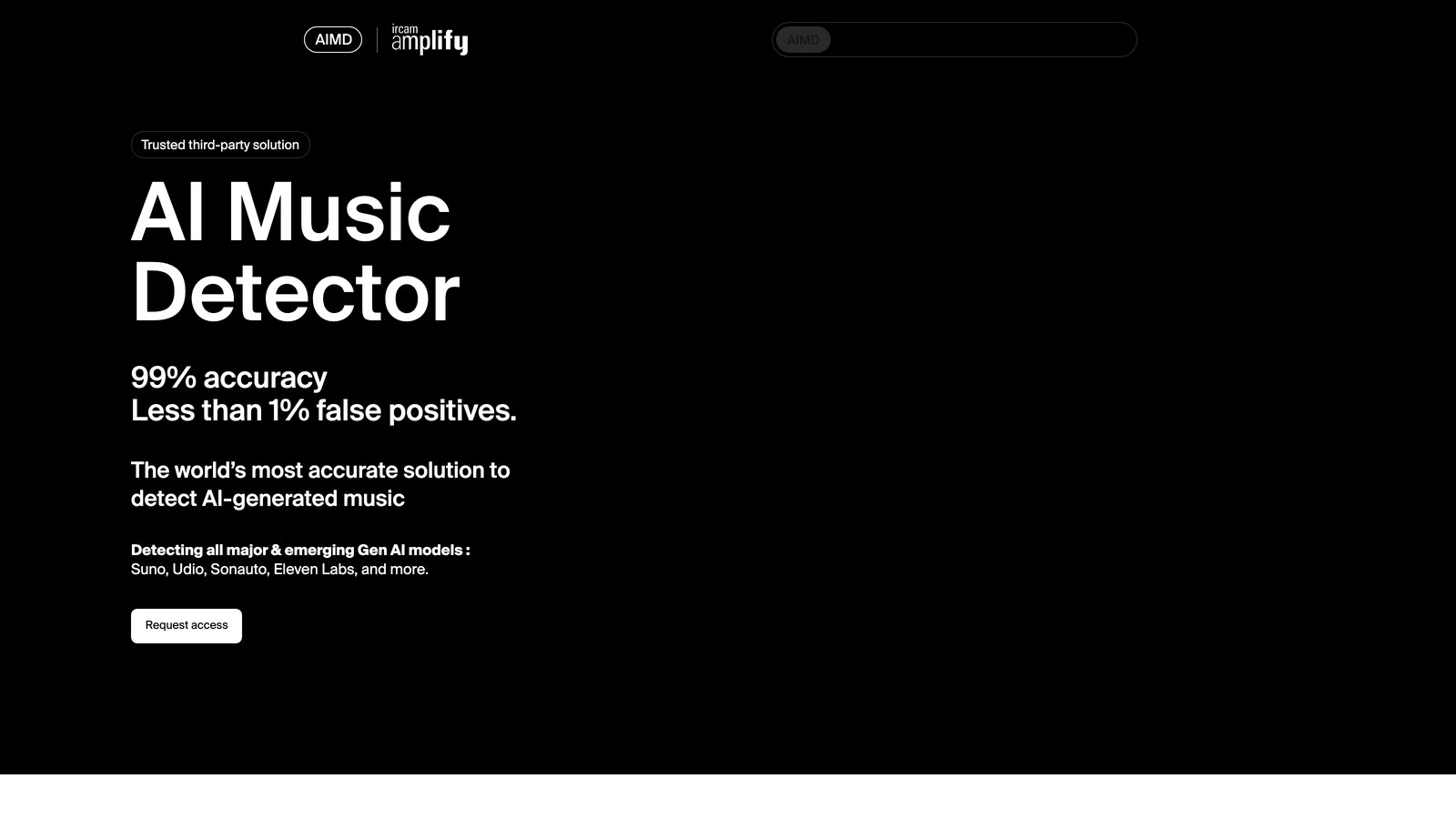
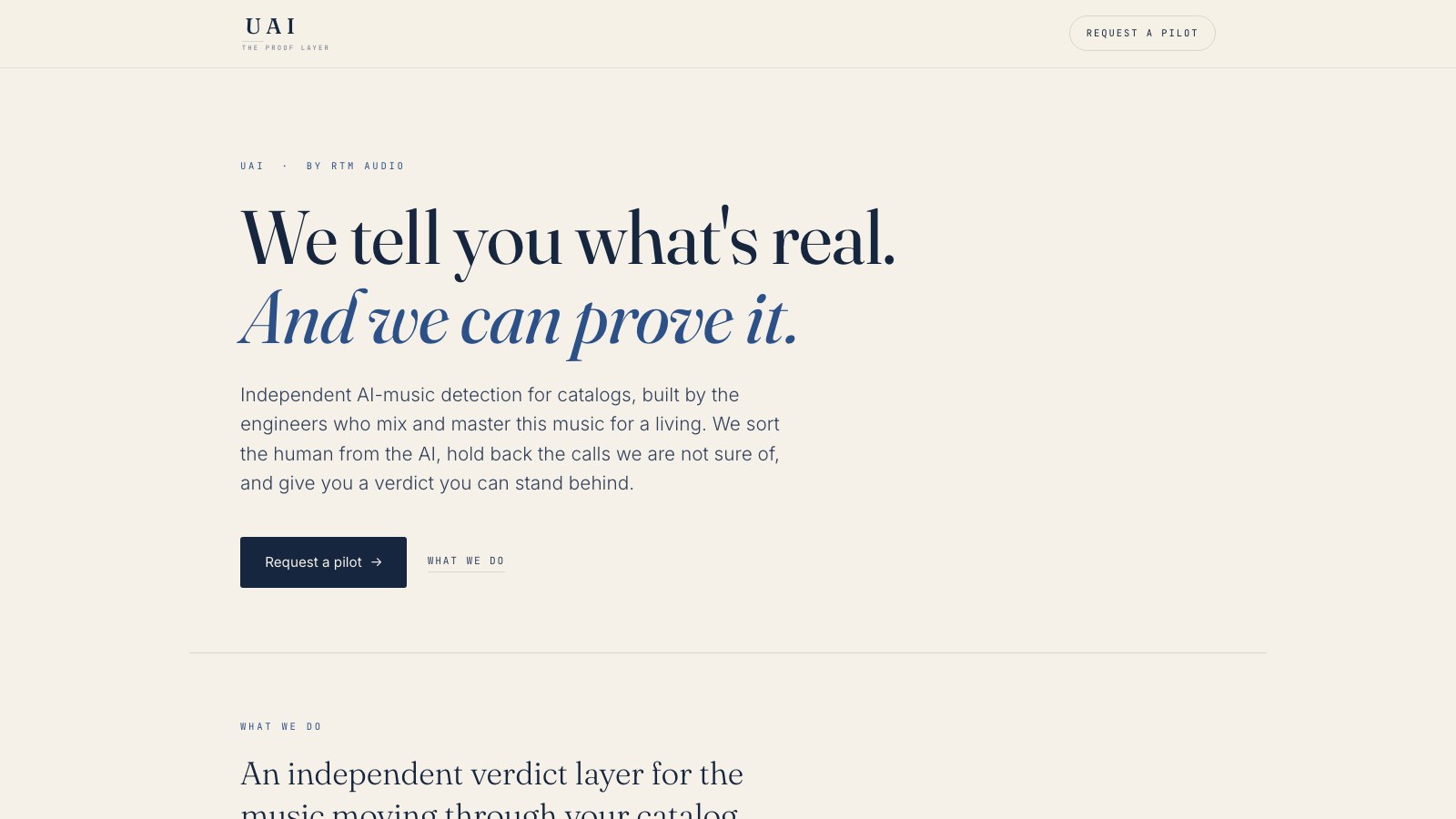
Some are. Deezer runs a free playlist scanner, AHA Music allows a small number of free checks per day, and AudioAuditor is free and open source. The enterprise tools built for catalogue-scale screening, such as Ircam Amplify and UAI by RTM Audio, are access-gated and do not publish pricing.
Why does AI music detection matter for artists and labels?
Detection now carries commercial and legal consequences. EU AI Act transparency rules require AI-generated audio to be labelled, chart bodies have proposed eligibility rules that depend on how a track was made, and streaming services use detection to decide what enters recommendations and what gets demonetised.