






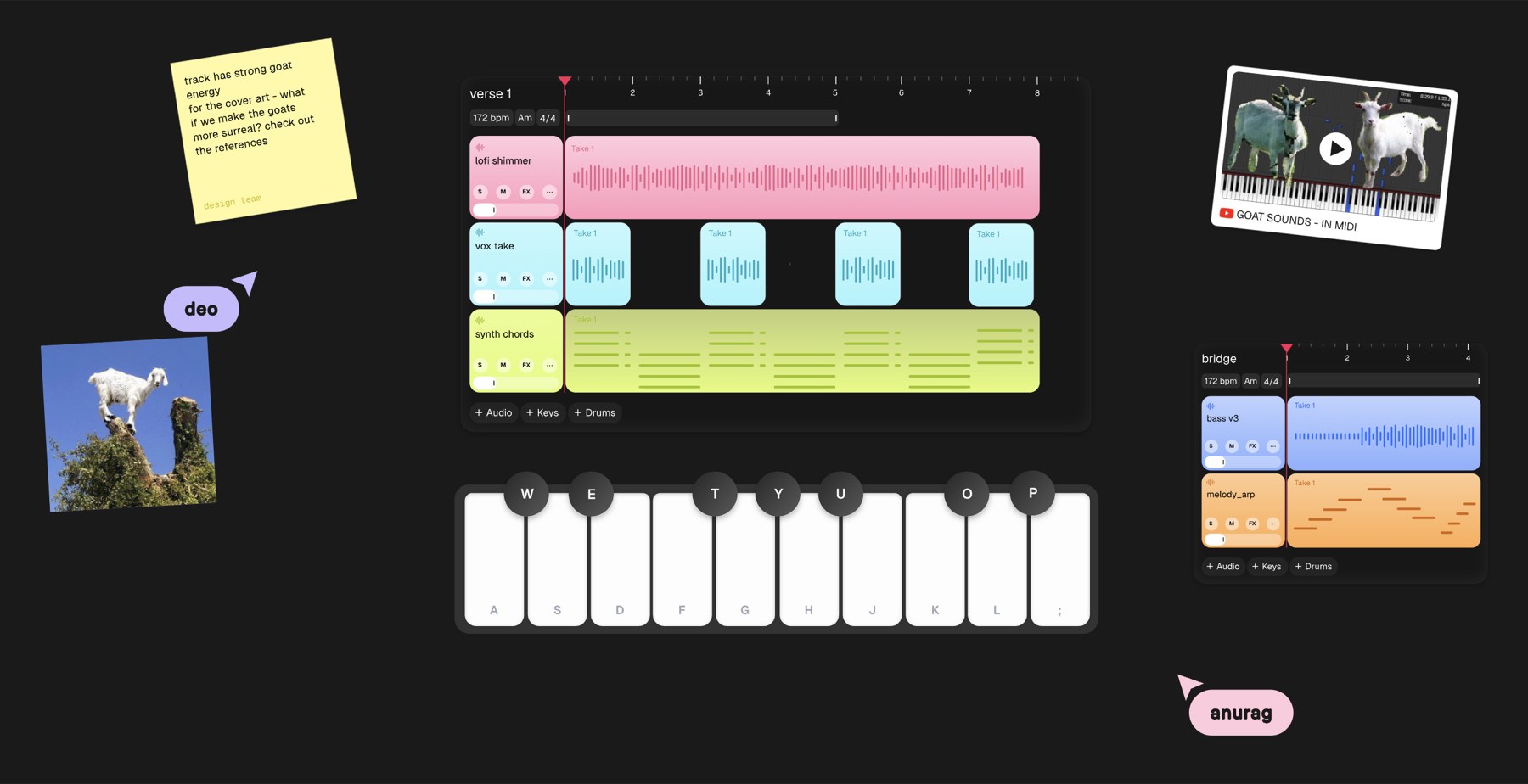
AI Instrumental Generators
An AI instrumental generator produces backing tracks and individual instrument parts without vocals, either from a prompt or from a recording you feed it. Singers, content creators and live performers use it where hiring players is not viable. This directory tracks the tools I follow, what they cost, and what the licence allows at release.
Tools for this job
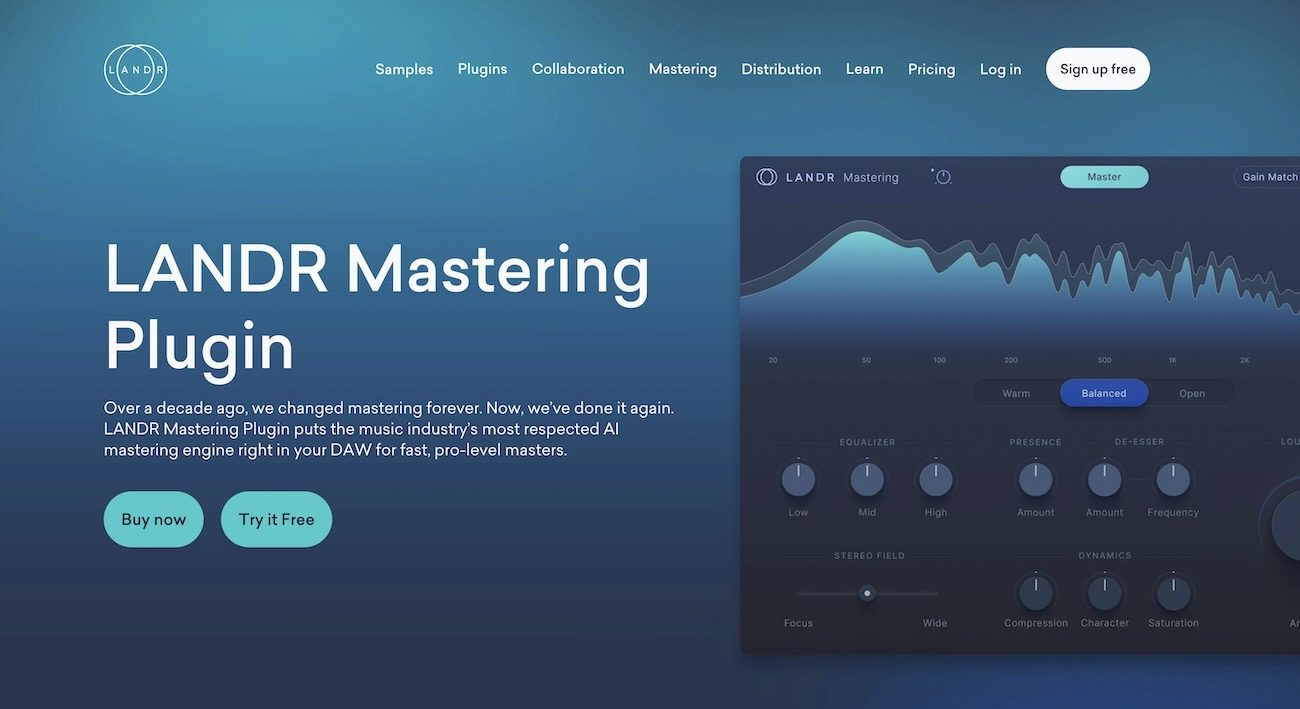
Learn: guides to do it yourself
- Roundup
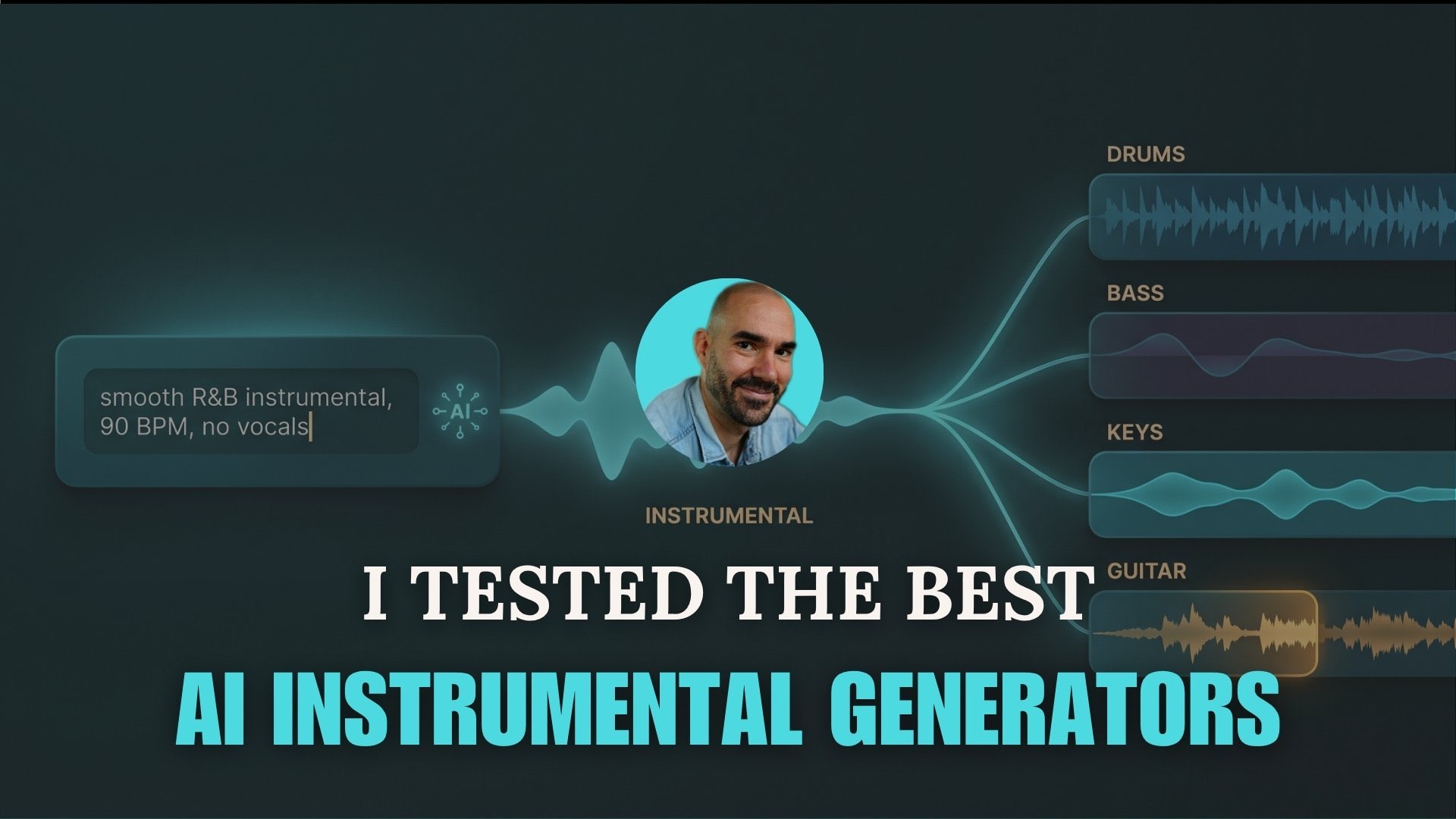
The 7 Best AI Instrumental Generators in 2026 (Free and Paid)
- Tutorial
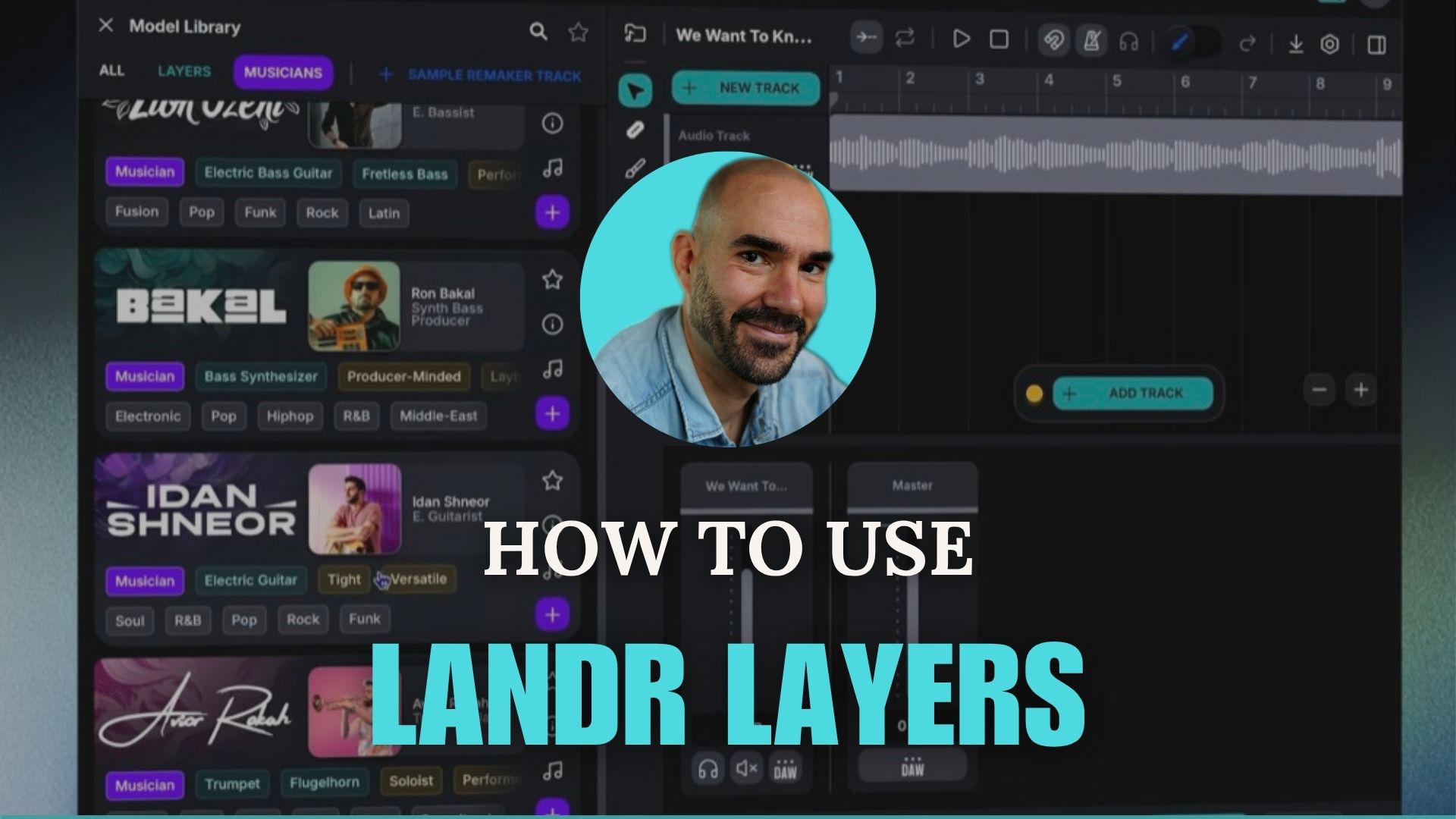
How to use LANDR Layers as your AI instrumental generator (Step-By-Step)
- Tutorial
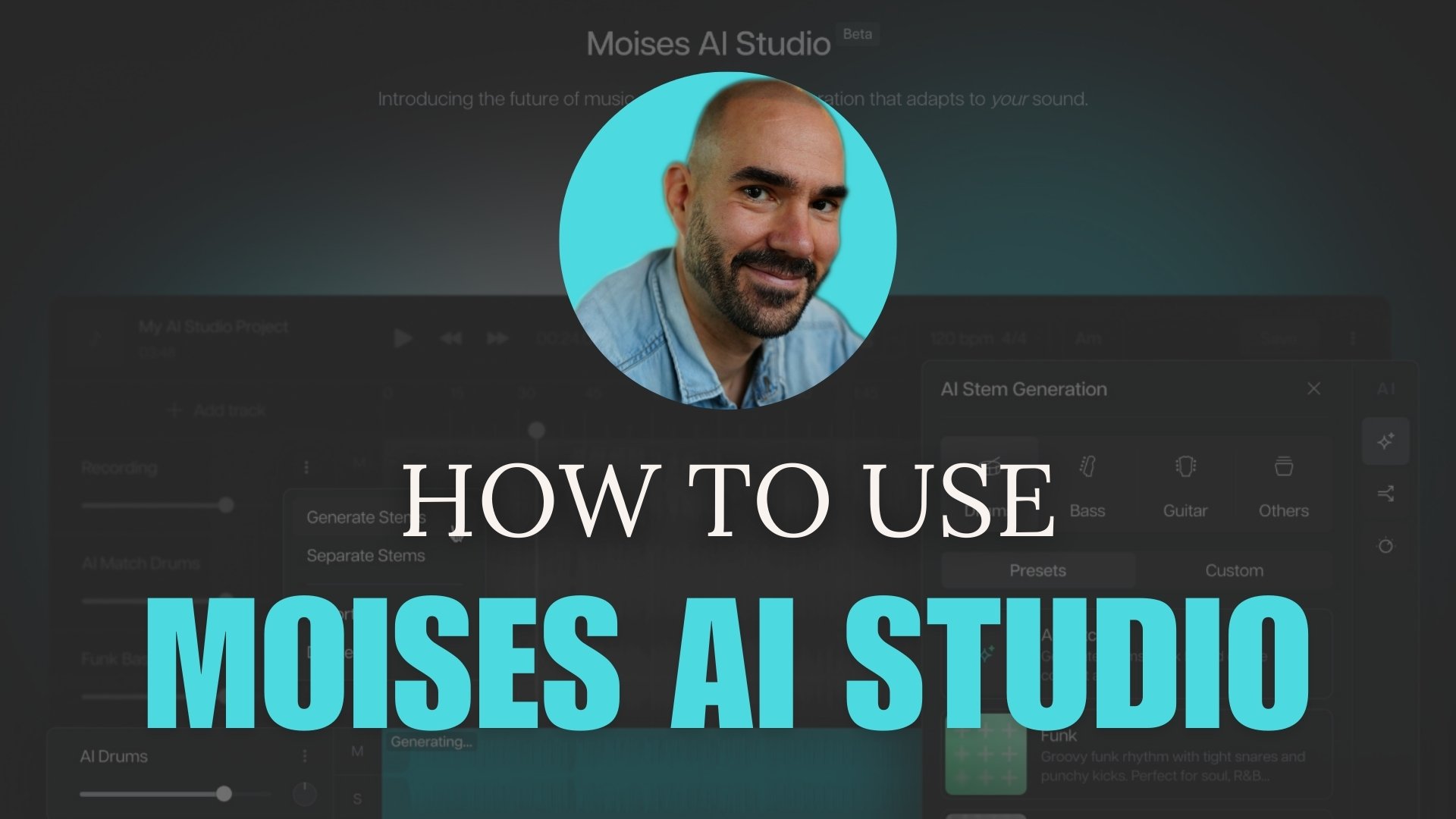
I tested Moises AI studio for music production, so you don’t have to – Here’s what you need to know:
No guides match these filters yet. Reset a filter to see more.
AI Instrumental Generators: common questions
What is an AI instrumental generator?
It produces backing tracks and individual instrument parts without vocals, either from a prompt or from an existing recording. I tested the free and paid options in the 7 best AI instrumental generators roundup.
How do you get an instrumental from a song that already exists?
That is separation rather than generation. Run the track through an AI stem splitter and keep the accompaniment. Moises appears in both categories because it does both jobs.
Can you use AI instrumentals for a commercial release?
Paid tiers on most platforms grant commercial rights. The practical question for a singer is whether an AI backing track can be registered and split like a produced instrumental, since copyright status for fully generated audio is unsettled in several jurisdictions.
Are there free AI instrumental generators?
Riffle is free, and Moises runs a freemium tier. LANDR is subscription based and bundles instrumental generation with mastering and distribution.
What do producers use AI instrumentals for?
Sketching an arrangement before committing, generating reference material for a session, filling a bed under a topline, and producing backing tracks for live performance where hiring a band is not viable.