A YouTuber spent $10,000 on royalty-free music, lost Content ID disputes anyway, and switched to Suno

Black Friday deal · ends Nov 30 My #1 AI music video tool is up to 50% off until Nov 30
Music videos made with Neural Frames
- 50% off when you go yearly
- 25% off monthly plans and credit top-ups
Back to full price after Nov 30. Affiliate link: I earn a commission at no cost to you.
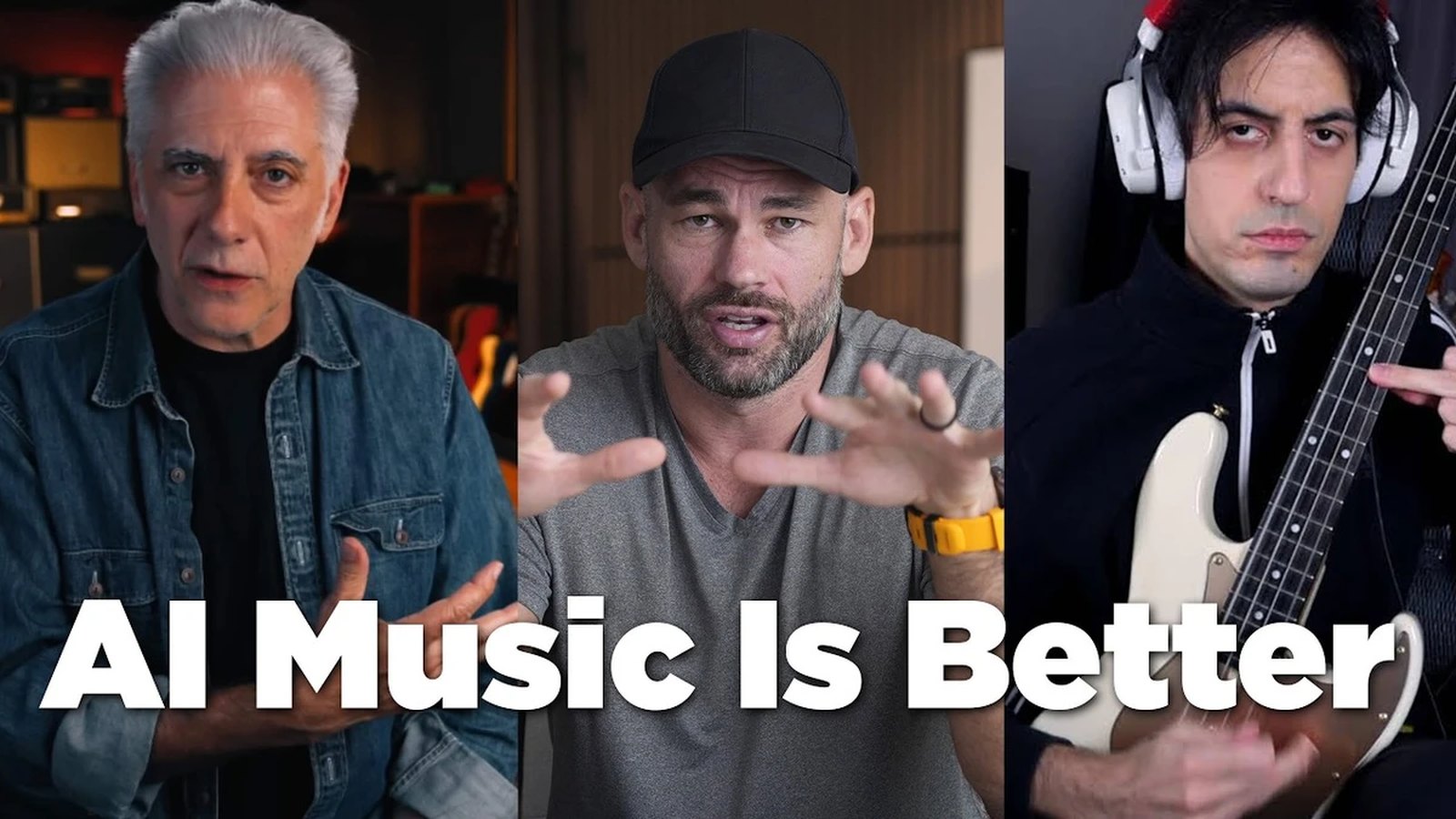
Lee Morris spent more than $10,000 on royalty-free music for his YouTube videos. Then the claims came anyway, and he switched to Suno.
Morris co-founded the photography site Fstoppers and has made YouTube videos for more than 15 years. In a column published on November 22, 2026, he says he used AI-generated music in a video for the first time. He paid $10 or $20 for a month of Suno, and he thinks the songs sound better than anything he bought in 15 years.
If you make music, that’s a production-library sale that went to Suno instead. If you make Suno tracks for videos, the plan you’re on decides whether you can monetize them.
How Lee Morris’s paid royalty-free music still got claimed on YouTube
Morris says he stopped using popular songs about 12 or 13 years ago. Instead, he bought tracks outright from royalty-free sites, with the right to use them in any video.
Here’s how it went wrong, in his telling:
- He bought a track from a royalty-free site and used it in a video where he gave his dad a classic Camaro, his most expensive and most popular video.
- Someone filed a copyright claim saying they owned the song.
- He disputed it with his licence. The reply was one sentence: dispute rejected, and the claimant gets the revenue.
- The video passed about a million views, and he never saw a cent from it.
Later the same thing happened with a song he knows he bought from PremiumBeat, on a video that had been up for years. He lost that dispute too. After that, he writes, the claims came “by the hundreds,” on videos more than a decade old.
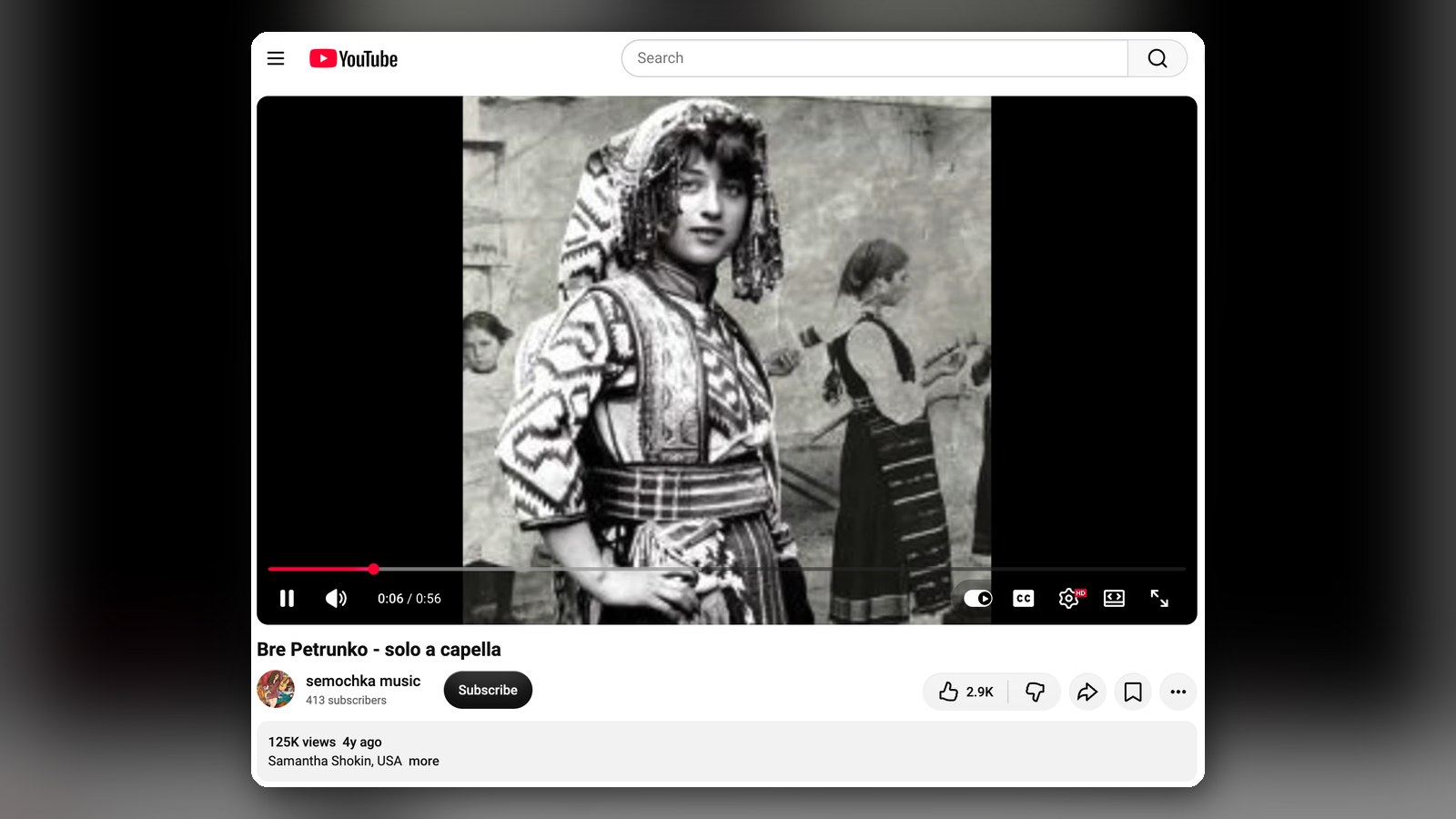
He doesn’t name the claimants. But the pattern matches what I covered last week, when an AI content mill got Samantha Shokin’s public domain cover pulled and YouTube rejected both her counter notices.
Why Lee Morris says Suno beats the library he paid for
The money is the easy part. Morris says a single track on a site like PremiumBeat cost him around $80, and it showed up in thousands of other videos. A month of Suno cost him $10 or $20, and every song is his alone.
The surprise was the reaction. In all his years of stock music, he writes, nobody asked what the songs were. On his first video with Suno music, the top comment asked exactly that, because Shazam couldn’t find them.
He’s conflicted about it. He almost studied music production at Full Sail University before picking photography, and he calls the tech both the most exciting thing he’s seen and “incredibly sad.”
What a Suno download brings into your YouTube video
Morris points readers to Suno’s paid plans for commercial use, and that’s the first thing to get right. Suno’s help center says Pro and Premier songs belong to the subscriber, with commercial use rights. Songs made on the free Basic plan stay Suno’s and are for non-commercial use only. Suno’s own test is “was I subscribed when I made the song?”, and paid-plan rights stay with you even if you cancel later. My breakdown of Suno’s download caps by plan covers how many files each tier gets.
The second thing is what’s inside the file. On November 23 I downloaded one of my own Suno instrumentals and checked it. Its ID3 comment reads “made with suno” with a creation date and song ID, and Adobe’s Content Credentials tool reads it as AI-generated audio, signed by Suno Inc.
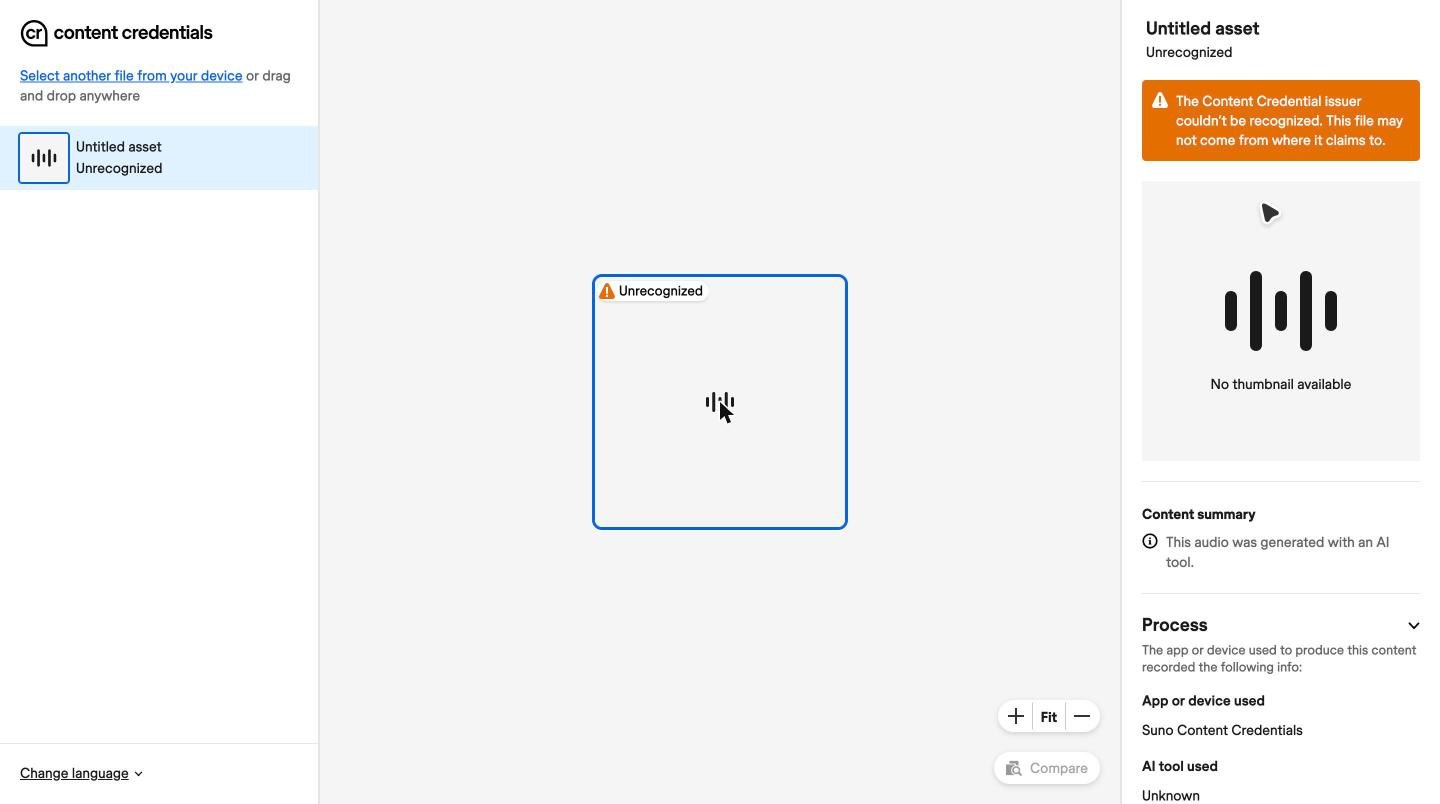
YouTube gives a permanent AI label to content whose C2PA metadata marks it as fully AI-generated. I haven’t tested whether a Suno track’s credential survives a video editor’s export. But the file leaves Suno labelled, and the same file tested clean on TikTok’s new AI checker.
I make my own video beds in Suno too
Morris’s switch matches what I do. When I need a bed under a video, I make it in Suno, and my library shows it: a neo-soul groove with “a modern documentary mix,” a podcast underscore at 72 BPM, and a UK garage intro that leaves “dry center space for speech.”
I write those prompts in played-instrument language and add a long exclude list (corporate, stock music, inspirational, ukulele, whistling), because those words pull any generator straight back to the stock sound Morris left.
Before your next upload, check which Suno plan you made the track on. If it was Basic, remake it on Pro or Premier before the video goes live.
Frequently asked questions
Why did Fstoppers' Lee Morris switch to Suno for his YouTube music?
Because of copyright claims. Morris says tracks he had bought from royalty-free libraries, including PremiumBeat, started getting claimed on YouTube, he lost his disputes, and the claimants took the ad revenue. He tried Suno for $10 or $20 a month and wrote on November 22, 2026 that the songs sounded better than his library.
Can royalty-free music you paid for still get a copyright claim on YouTube?
Yes. Lee Morris describes claims on songs he licensed from royalty-free sites, including a video with about a million views whose revenue went to the claimant after YouTube rejected his dispute. A licence is your proof if you dispute, but it doesn't stop someone else from claiming the track.
Can you use Suno songs in monetized YouTube videos?
Only songs made on a paid plan. Suno's help center says songs made on Pro or Premier belong to the subscriber with commercial use rights, while free Basic songs stay Suno's and are for non-commercial use. The plan that counts is the one you were on when you made the song.
About the author
Covering AI music tools, industry shifts, and news for music creators and professionals. Twice-weekly newsletter at aimusicpreneur.com.