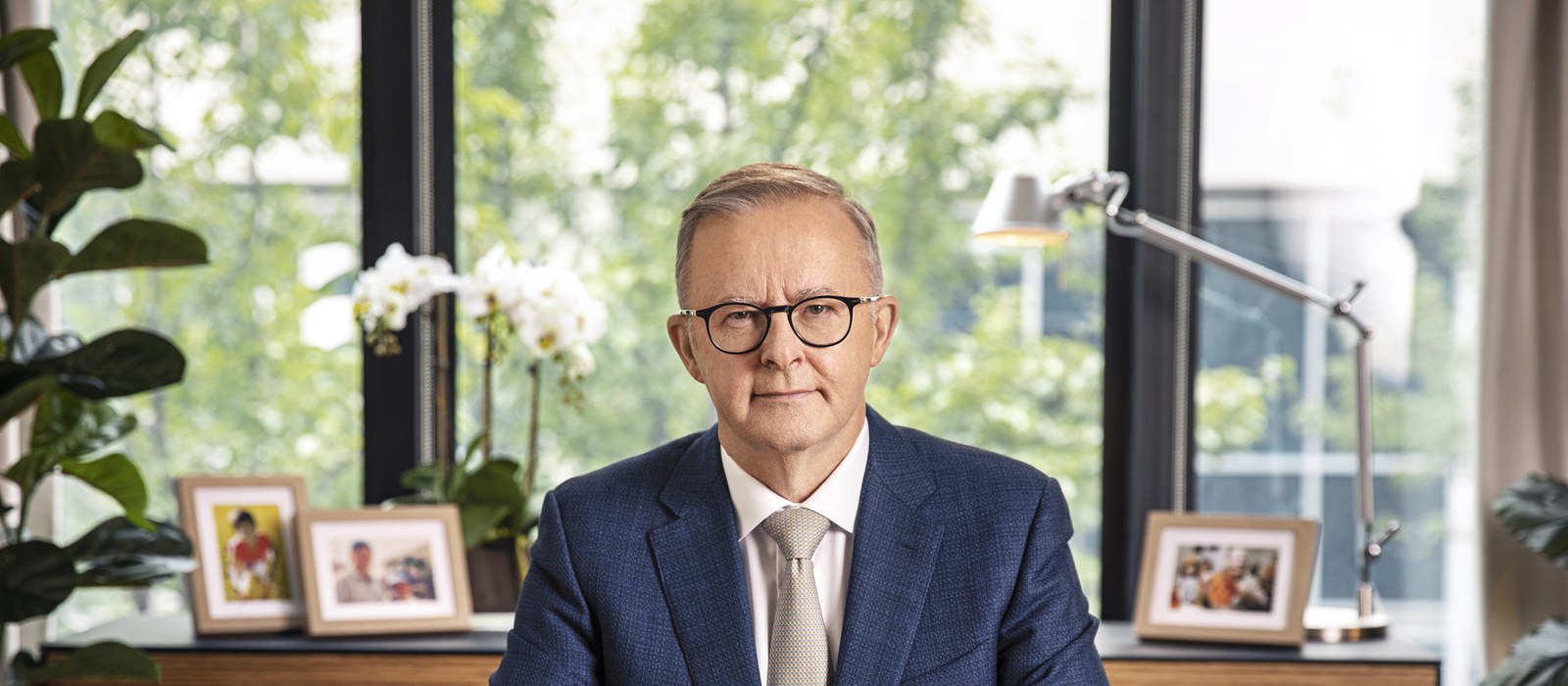
Baroness Keeley urges Andy Burnham to rule out a commercial AI training exception
My stack My fav 6 tools for AI music after testing 70+
-
 ElevenMusic · Music generation
 -
 Moises · Stem separation
 -
 Controlla · Voice swap & cloning
 -
 Cryo Mix · Mixing + mastering
 -
 Neural Frames · Music videos
 -
 ONCE · Distribution
Some links are affiliate links — I earn a commission at no cost to you. Every tool here is one I run myself and truly believe in. This stack is proven.

Baroness Keeley wants the new Prime Minister to close the door on a copyright change UK musicians have fought for two years. Writing in The House on August 17, 2026, the chair of the House of Lords Communications and Digital Committee asked Andy Burnham to firmly rule out a broad commercial text and data mining exception, the carve-out letting AI firms train on copyrighted music without permission or payment.
She opened by naming Burnham as a music fan, then listed the bands she expects him to care about: Oasis, The Smiths, The Stone Roses and Wolf Alice. Her point is blunt. Nobody gets a next generation of those bands if the training question goes the wrong way.
If such an exception is allowed, it would effectively give AI firms free rein to use the work of music creators and others without payment or permission.
What a commercial text and data mining exception would do to UK music licensing
A text and data mining exception lets a company copy protected work for the purpose of analysing it. Applied narrowly to non-commercial research, few people object. Widen it to commercial use and an AI developer no longer needs a licence to train on your catalogue, because the copying is exempt by statute.
Keeley’s committee says the widened version would do three things: weaken UK copyright law, worsen the harms rightsholders already report, and stall the licensing market currently taking shape. The last one is the argument music companies find most useful. A licence has no value if the alternative is free.
The timing is not accidental. Music Business Worldwide reported this month that the government is weighing a commercial research exception, with lawmakers facing a March 18 deadline on copyright reform. British artists have been here before. The government scrapped its AI training opt-out in March 2026 and replaced it with the Creative Content Exchange, which left independent artists without a clear licensing route. Before that came two Lords votes against an exception and a rewritten AI copyright bill.
The three protections Baroness Keeley wants Andy Burnham to legislate
Her article asks for more than a refusal. She sets out what should replace it:
- Licensing as the default, underpinned by a mandatory transparency framework so rightsholders know whether and how their work trained a model.
- Protections against unauthorised digital replicas, giving creators and performers meaningful control over commercial use of their identities.
- A policy and technical standards for labelling AI-generated material.
She adds one lever most copyright arguments skip. Public procurement. If the UK government buys AI services, it can require transparency as a condition of the contract, which reaches international AI firms no domestic copyright rule would touch.
The transparency ask is the one with real teeth for working musicians. The committee’s March report framed the choice as either becoming a base for AI development built on licensing and fair pay, or drifting into large-scale unlicensed use while US-based AI firms take the profit.
Germany has already shown what proof looks like in practice. A Munich court ruled against Suno in GEMA’s case after finding the company took songs off the open web rather than licensing them. Australia’s Prime Minister called unlicensed training theft in July. Keeley is asking Burnham to put the UK on that side of the line before March.
Frequently asked questions
What did Baroness Keeley ask Prime Minister Andy Burnham to do about AI copyright?
In an August 17, 2026 article for The House, Baroness Keeley asked Burnham to firmly rule out adding a broad commercial text and data mining exception to UK copyright law. She also asked him to prioritise licensing, introduce a mandatory transparency framework for AI developers, and legislate protections against unauthorised digital replicas.
Why does the House of Lords Communications and Digital Committee oppose a commercial TDM exception?
The committee argues such an exception would let AI firms use music creators' work without payment or permission. Baroness Keeley says it would weaken UK copyright law, worsen existing harms to rightsholders, and stall the licensing market now forming between AI companies and music companies.
What protections against unauthorised digital replicas does Baroness Keeley want in UK law?
She wants creators and performers to have meaningful control over how their identities are used commercially. For singers that covers voice cloning, where a model trained on a recognisable voice can produce new performances the performer never agreed to.
Who chairs the House of Lords Communications and Digital Committee?
Baroness Keeley, the Labour peer Barbara Keeley, has chaired the committee since January 2025. The cross-party committee published its report on AI, copyright and the creative industries in March 2026, and her August 2026 appeal to the Prime Minister points back to its conclusions.
About the author

Covering AI music tools, industry shifts, and news for music creators and professionals. Twice-weekly newsletter at aimusicpreneur.com.