UK Government Just Overhauled Its AI Copyright Bill — Here’s What Musicians Need to Know Now
My stack My fav 6 tools for AI music after testing 70+
-
 ElevenMusic · Music generation
 -
 Moises · Stem separation
 -
 Controlla · Voice swap & cloning
 -
 Cryo Mix · Mixing + mastering
 -
 Neural Frames · Music videos
 -
 ONCE · Distribution
Some links are affiliate links — I earn a commission at no cost to you. Every tool here is one I run myself and truly believe in. This stack is proven.
Key Takeaways:
- The UK government is adjusting its AI copyright bill after criticism from artists and creators.
- The debate is about balancing tech innovation with protecting creative work.
- The upcoming vote will have a big impact on both the tech and creative industries.
What’s the government actually doing about AI and music rights?
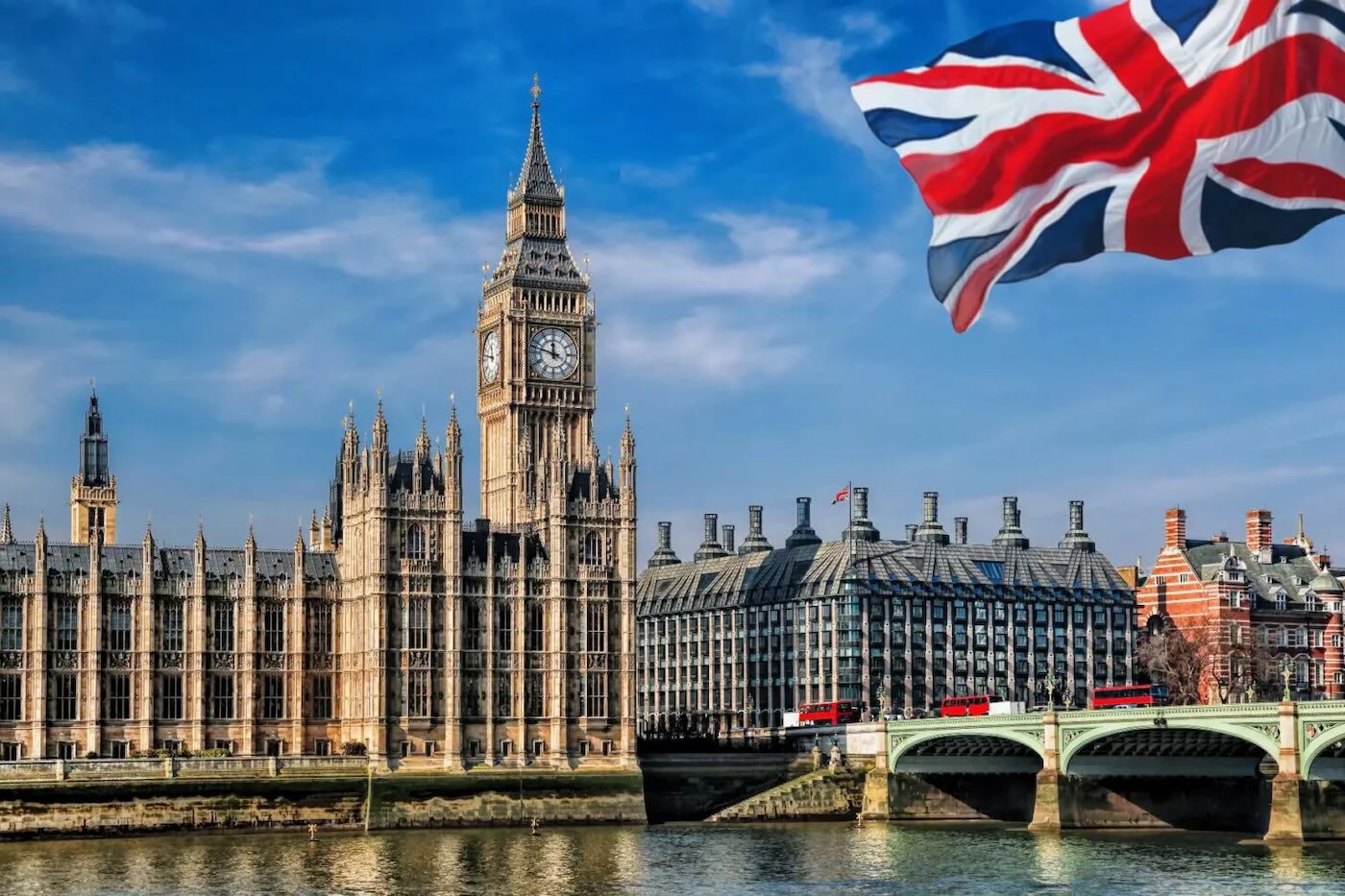
The UK government is making some changes to its proposed Data Bill, which deals with how artificial intelligence (AI) can use creative works like music, writing, and art. These changes come after a lot of pushback from artists and people working in creative industries, who are worried that AI companies could use their work without permission.
If you’re curious about how other countries are handling similar issues, you might want to read about the US court ruling on copyright for AI-generated art, which set a major precedent for creators in 2025.
Why are artists so upset about this bill?
The original plan was to let AI companies use copyrighted material to train their systems unless creators specifically said no. This upset many artists, including well-known names like Paul McCartney and Elton John, who argued that it would hurt their ability to make a living.
In response, the government promised to study the economic impact of these changes and to be more transparent about how AI companies use creative works. They also said they’d publish reports on licensing and data access for AI developers.
How could this affect the future of music and creativity?
This issue is important because it’s about finding a balance between encouraging new technology and protecting the rights of people who create original work. The creative industries are a big part of the UK economy, bringing in over £120 billion a year.
If artists feel their work isn’t protected, it could discourage them from creating new things. On the other hand, AI companies say they need access to lots of data to make their systems better.
For more on how the UK’s approach could change music copyright, read my coverage on how the UK’s new AI consultation could transform music copyright.
What’s next for the bill and the people it affects?
Even with these changes, many in the creative world still feel the government isn’t doing enough to protect their rights. Some lawmakers want to make sure AI companies have to follow the same copyright laws as everyone else. The final vote on the bill is coming up soon, and the outcome could shape how creative work is treated in the age of AI.
There are also new licensing models being discussed, like GEMA’s fair AI licensing model in the music industry that could set important precedents for the future.
About the author

Covering AI music tools, industry shifts, and news for music creators and professionals. Twice-weekly newsletter at aimusicpreneur.com.