A judge denied Donald Passman's late opt-out, binding him to Anthropic's $1.5B settlement
The lawyer who taught the music industry how to protect its rights has lost the right to protect his own. Federal judge Araceli Martínez-Olguín denied Donald Passman’s request for a late opt-out from Anthropic’s $1.5 billion author settlement, in the same order approving the deal.
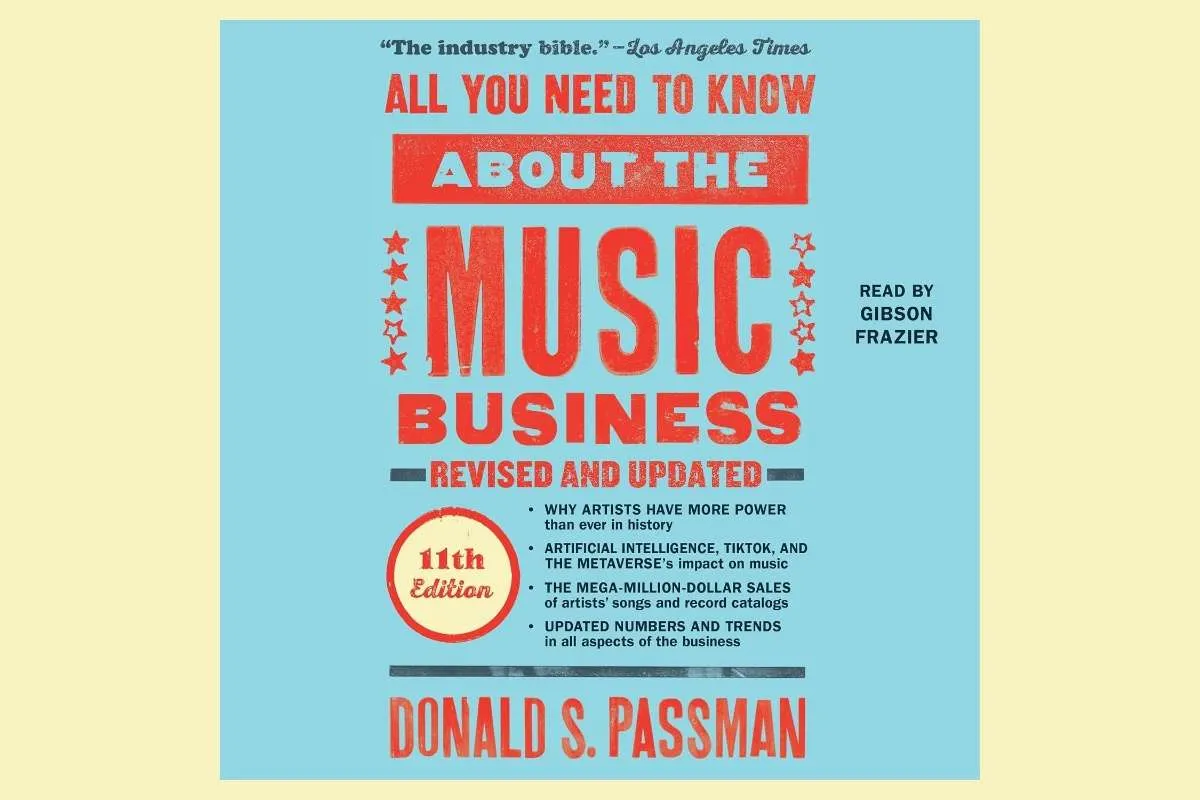
Anthropic trained Claude on ten editions of Passman’s All You Need to Know About the Music Business, the reference that has sold more than half a million copies since 1991. He stays in the class, and Digital Music News puts his payout at around $5,000.
Why the judge denied Donald Passman’s late opt-out
Passman, represented by attorney Kenneth Freundlich, argued he never received direct individualized notice before the February 2026 opt-out deadline. Anthropic countered that Passman is a sophisticated attorney who failed to show “excusable neglect”, and that the court-approved notice campaign satisfied due process.
Martínez-Olguín sided with Anthropic on the record. Settlement-administrator files showed multiple notices mailed to Passman’s address with none returned as undelivered, and she noted he had raised the settlement with his publisher as early as April.
Smaller creators often benefit from class actions. High-profile creators stand to lose significant legal and monetary leverage by being bound to blanket class terms.
What Simon & Schuster’s notice failure cost Passman
Passman’s filing put the gap at his publisher’s door. Simon & Schuster failed to pass on notice of the proceedings, and internal emails showed executives there were unclear about the settlement themselves.
The result is that the substance never got argued. Passman moved to exit the settlement in July and lost on the mechanics of notice, not on whether training Claude on his book was lawful.
What Anthropic gets in exchange for the payout
Anthropic keeps the right to use various editions of the book, cleared through the settlement rather than negotiated with its author. For a title the Los Angeles Times called the industry bible, a standard class payout is what a decade of editions is worth under blanket terms.
The 11th edition covers artificial intelligence and its impact on music. That chapter is now part of what trained a model its author never licensed.
Where this leaves other authors and rights holders
The ruling sets the expectation for anyone else discovering late that their work sat in a training set. A court-approved mailing campaign counts as notice whether or not it reached you, and a publisher who drops the message is not the court’s problem.
Anthropic is separately in dispute with music publishers over lyrics, a case where the rights holders are large enough to run their own process.
Frequently asked questions
Why did the judge deny Donald Passman's late opt-out request?
Judge Araceli Martínez-Olguín pointed to settlement-administrator records showing multiple notices were mailed to Passman's address and none came back undelivered. She also noted he had asked his publisher about the settlement as early as April 2026.
What is Bartz v. Anthropic PBC?
Bartz v. Anthropic PBC is the authors' class action over Anthropic training Claude on copyrighted books without permission. It produced a $1.5 billion settlement covering affected authors, with a February 2026 deadline to opt out.
How much is Donald Passman receiving from the Anthropic settlement?
He receives a standard class payout, reported at roughly $5,000, in exchange for Anthropic retaining the right to use editions of his book. That covers ten editions of a title that has sold more than half a million copies since 1991.
What role did Simon & Schuster play in the Passman opt-out fight?
Passman's filing said his publisher Simon & Schuster failed to notify him of the class action before the opt-out deadline. Internal emails showed confusion among Simon & Schuster staff about the settlement, and Passman said he never learned of it in time.
About the author

Covering AI music tools, industry shifts, and news for music creators and professionals. Twice-weekly newsletter at aimusicpreneur.com.