The AI Music Briefing #29: The 1st AI Music Awards, honestly. The 1st Grammys can relate
The week of November 14 to 20, 2026, when the 1st AI Music Awards put AI artists on stage in LA, Suno launched Visuals for music videos, Warner posted its first $2 billion quarter with Suno money next, and Australia and 14 EU countries asked AI to pay first.

My stack My fav 6 tools for AI music after testing 70+
-
 ElevenMusic · Music generation
-
 Moises · Stem separation
-
 Controlla · Voice swap & cloning
-
 Cryo Mix · Mixing + mastering
-
 Neural Frames · Music videos
-
 ONCE · Distribution
Some links are affiliate links — I earn a commission at no cost to you. Every tool here is one I run myself and truly believe in. This stack is proven.
Issue #29 · the week of November 14 to 20, 2026 · ~7 min read. The Friday read for music industry professionals working at the intersection of AI and the traditional music business. Curated by Christopher Wieduwilt.
What’s in store:
- Top Story: the 1st AI Music Awards, honestly (and what the 1st Grammys looked like)
- Suno now turns your songs into music videos
- Warner’s first $2 billion quarter, with Suno money next
- Australia and the EU want AI to ask first
- 3 Suno lawsuits moved
This week in AI music: Suno started making music videos, and Australia and the EU asked AI to pay first
Suno launched video. Australia’s music industry turned the ARIA Awards into a protest against AI training, and 14 EU countries asked for a copyright law the same day.
Also, Tyrese Gibson has Claude and ChatGPT sending 600 emails a day.
Here’s what mattered:
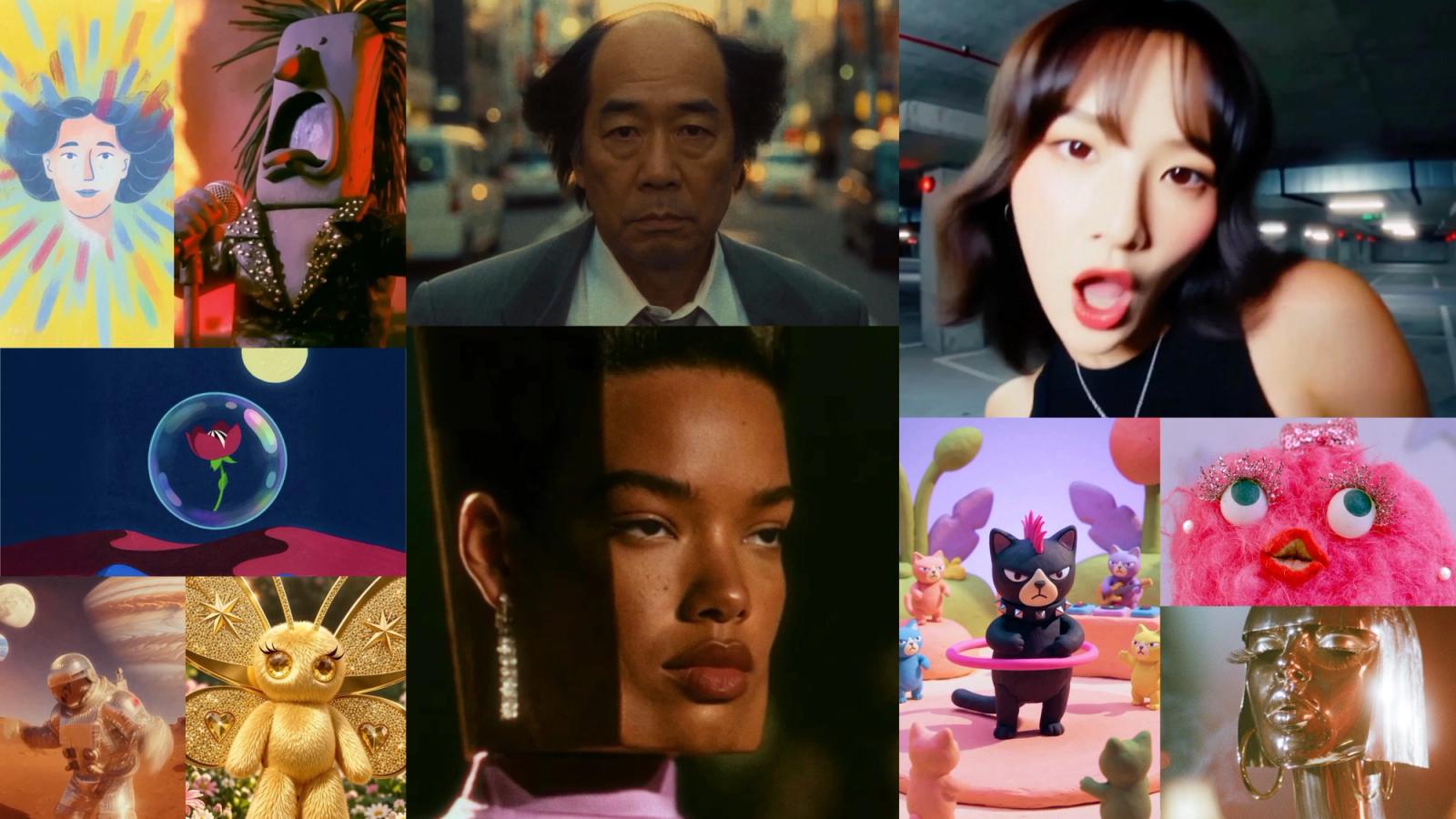
Suno Visuals turns a section of your song into a lip-synced clip of up to 15 seconds
Suno launched Visuals, which turns a section of your song into a lip-synced clip of up to 15 seconds. Video runs on its own credits, from $14.99 for 2,500, and a 10-second clip cost me 300.
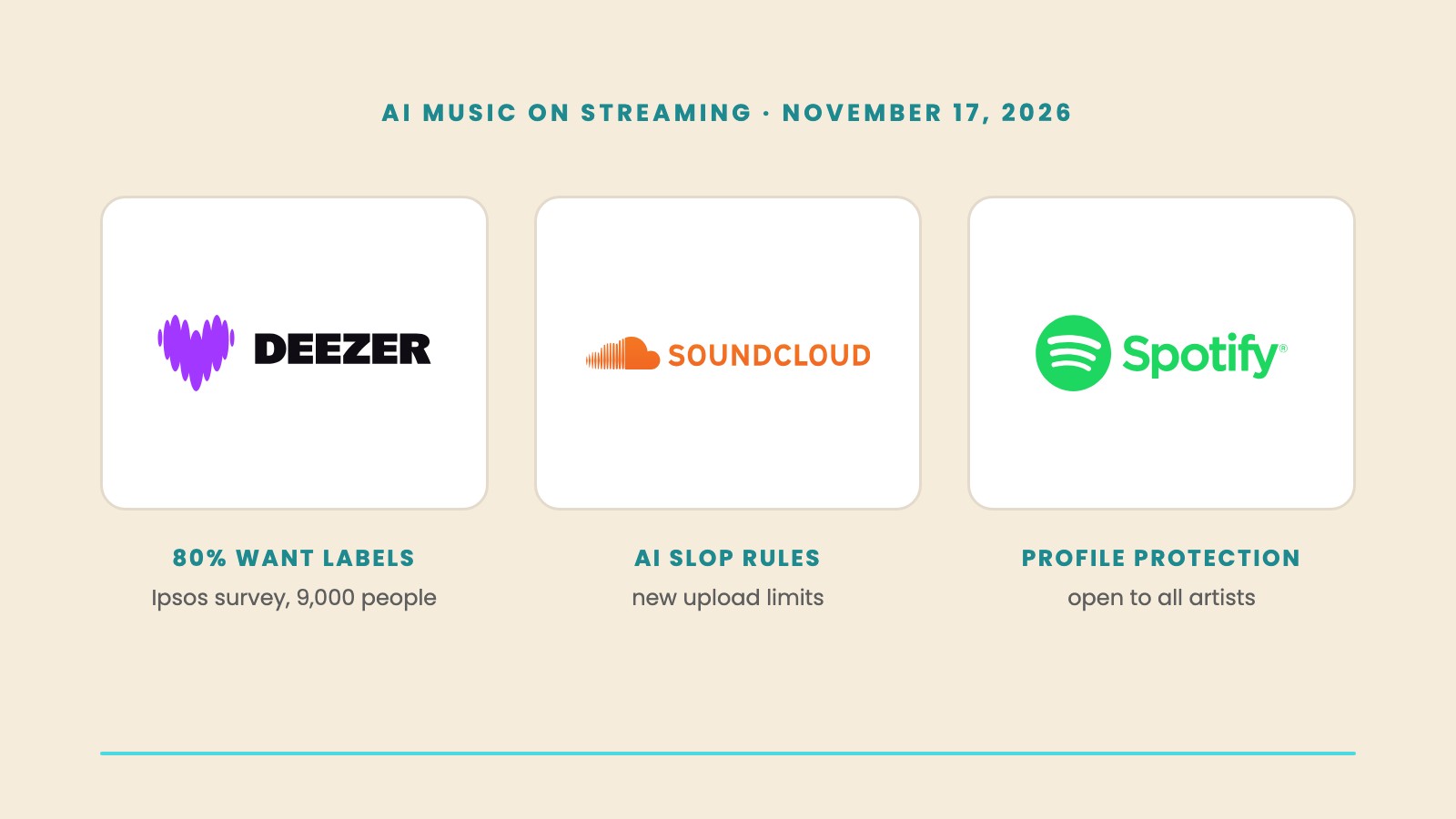
SoundCloud bans AI slop and excessive uploads, and Spotify opens Artist Profile Protection to every artist
SoundCloud banned AI slop and excessive uploads in its new rules. The same day, Spotify opened Artist Profile Protection to every artist, so you can remove yourself from fake releases that list you.
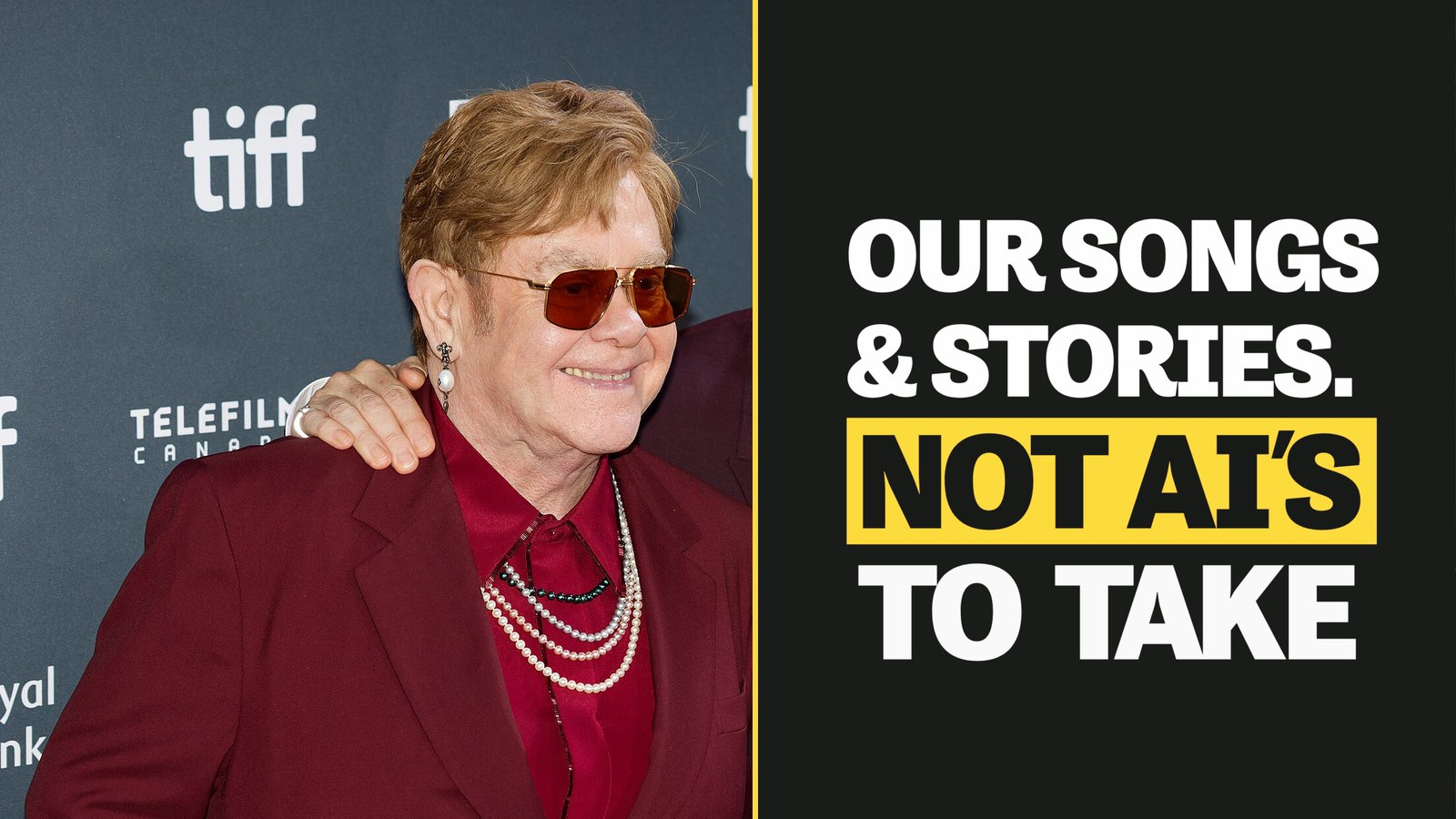
Australia’s Not AI’s to Take campaign turns the ARIA Awards into a protest against AI training
Australia’s music industry turned the ARIA Awards into a protest against AI training on November 18. More than 30 organisations launched Not AI’s to Take, and Elton John told the government not to let AI use artists’ work “without full permission”.
Warner Music posts its first $2 billion quarter, and Robert Kyncl says Suno money turns material in fiscal 2027
Warner Music posted its first $2 billion quarter. CEO Robert Kyncl said Suno money turns material in fiscal 2027, and that Suno has “well over 2 million paying subscribers”. Warner hasn’t said how much reaches its artists.
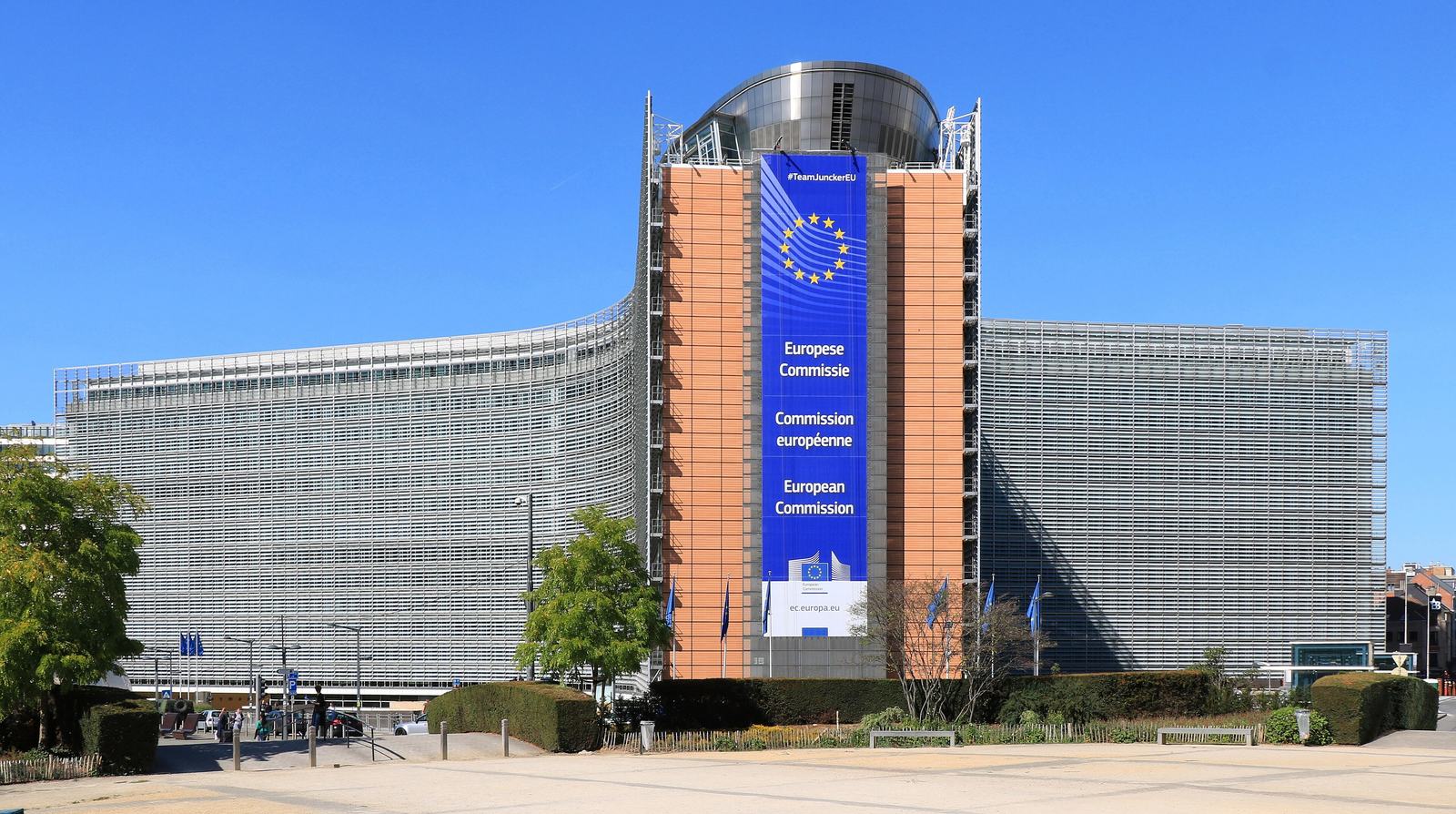
14 EU countries ask the European Commission for an AI copyright law with a working opt-out and pay for creators
14 of the EU’s 27 countries asked the European Commission for an AI copyright law: an opt-out that works, training data you can see, and pay for all creators. It wasn’t a vote, so nothing changes yet.
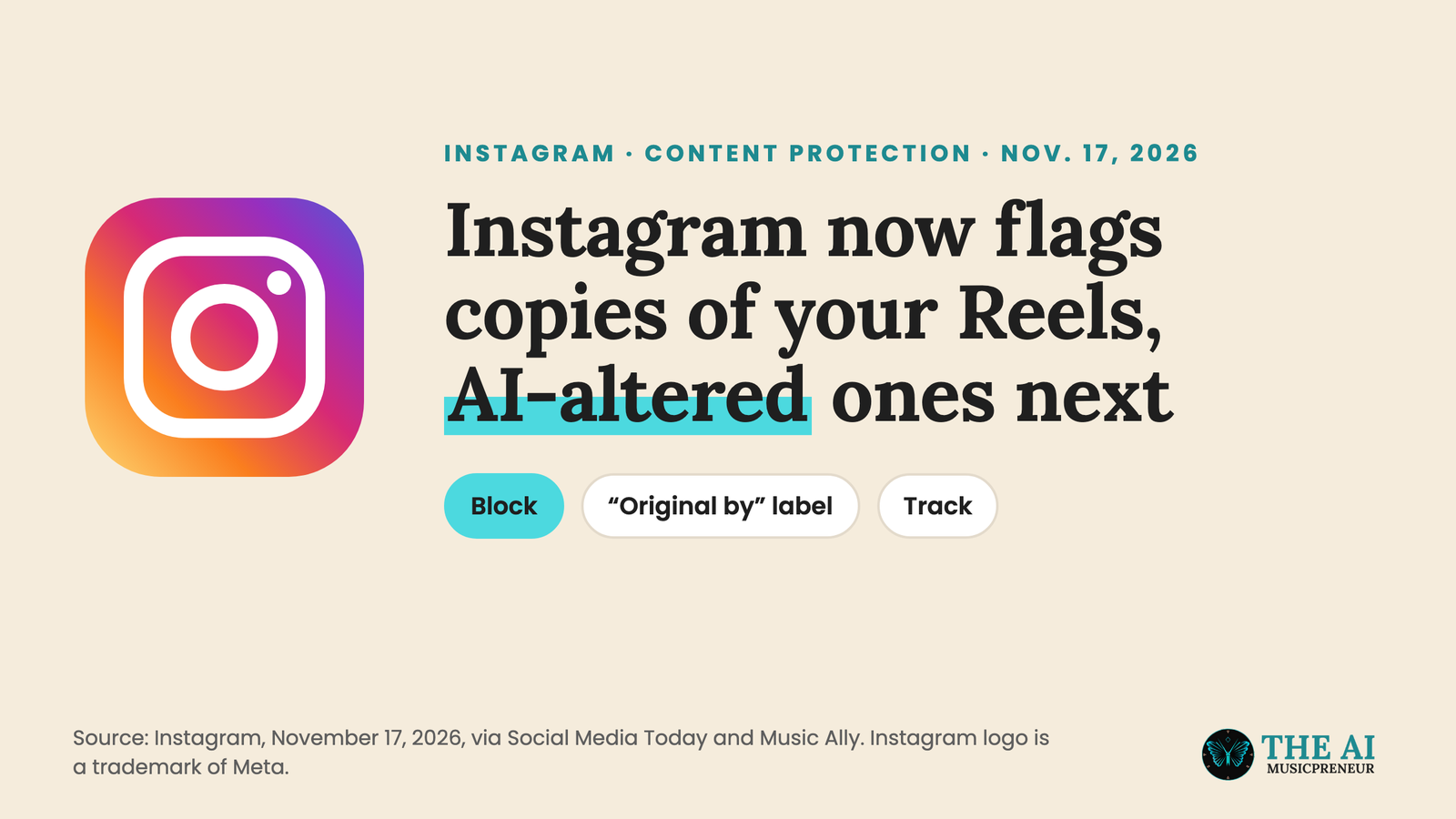
Instagram’s content protection flags copies of your Reels, and AI-altered copies are next
Instagram launched content protection, which flags copies of your Reels so you can block them or label them “Original by” you. It’s also testing a way to catch AI-altered copies that keep your words.
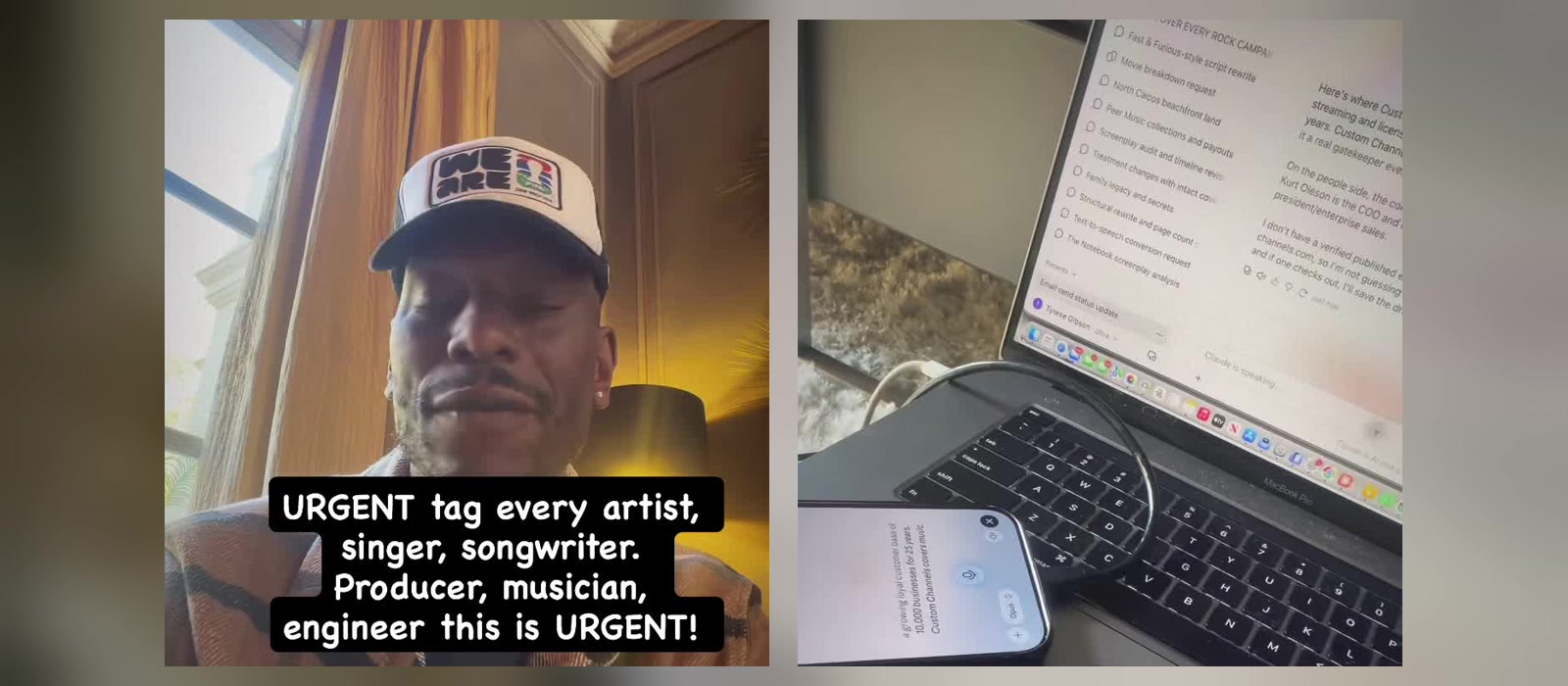
Tyrese Gibson shows Claude and ChatGPT running a “royalty campaign” to about 7,500 companies
Tyrese Gibson showed Claude and ChatGPT running what he calls a “royalty campaign”, writing to about 7,500 companies at roughly 600 emails a day. The video doesn’t show the instructions, the sent emails or any replies.
Sonilo signs Symphonic to train its video-to-music AI only on songs whose artists opt in
Sonilo signed distributor Symphonic to train its video-to-music AI only on songs whose artists opt in, for licensing fees and a share of revenue. Neither company disclosed the rates.
ElevenLabs agrees to buy Tokyo voice AI lab Kotoba for more than $100 million
ElevenLabs agreed to buy Kotoba, a 15-person voice AI lab in Tokyo, for more than $100 million, Nikkei Asia reports. Its CTO says it improves Japanese “across the entire stack”, and that stack includes ElevenMusic.
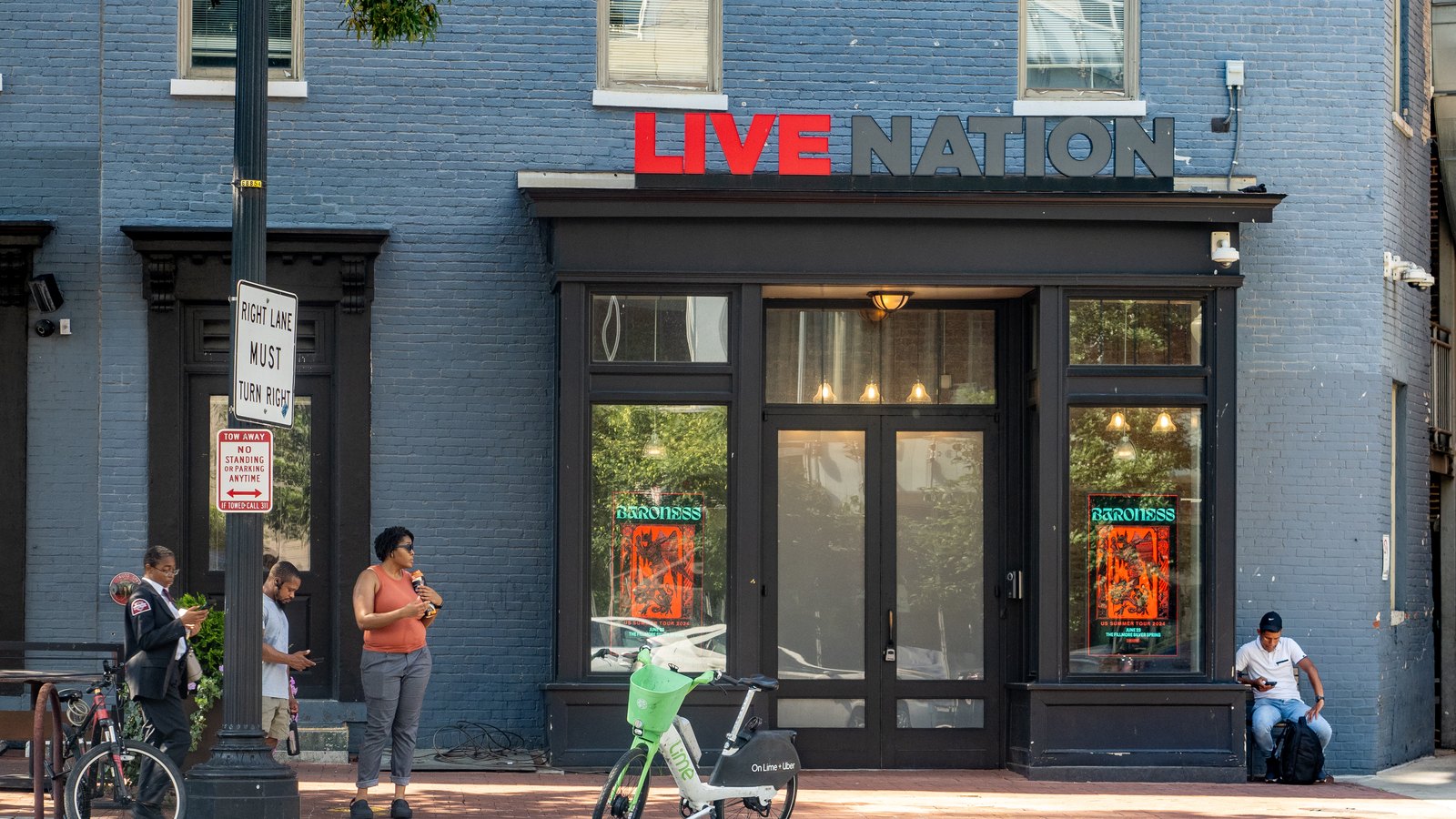
Live Nation CEO Michael Rapino tells investors live music is “not affected by AI” and keeps ticket sales off chatbots
Live Nation CEO Michael Rapino told investors live music is “not affected by AI” the way labels are, and kept ticket sales off chatbots: “We’re not going to give Chat our funnel.” About 98% of Ticketmaster’s engineers use Claude Code daily.
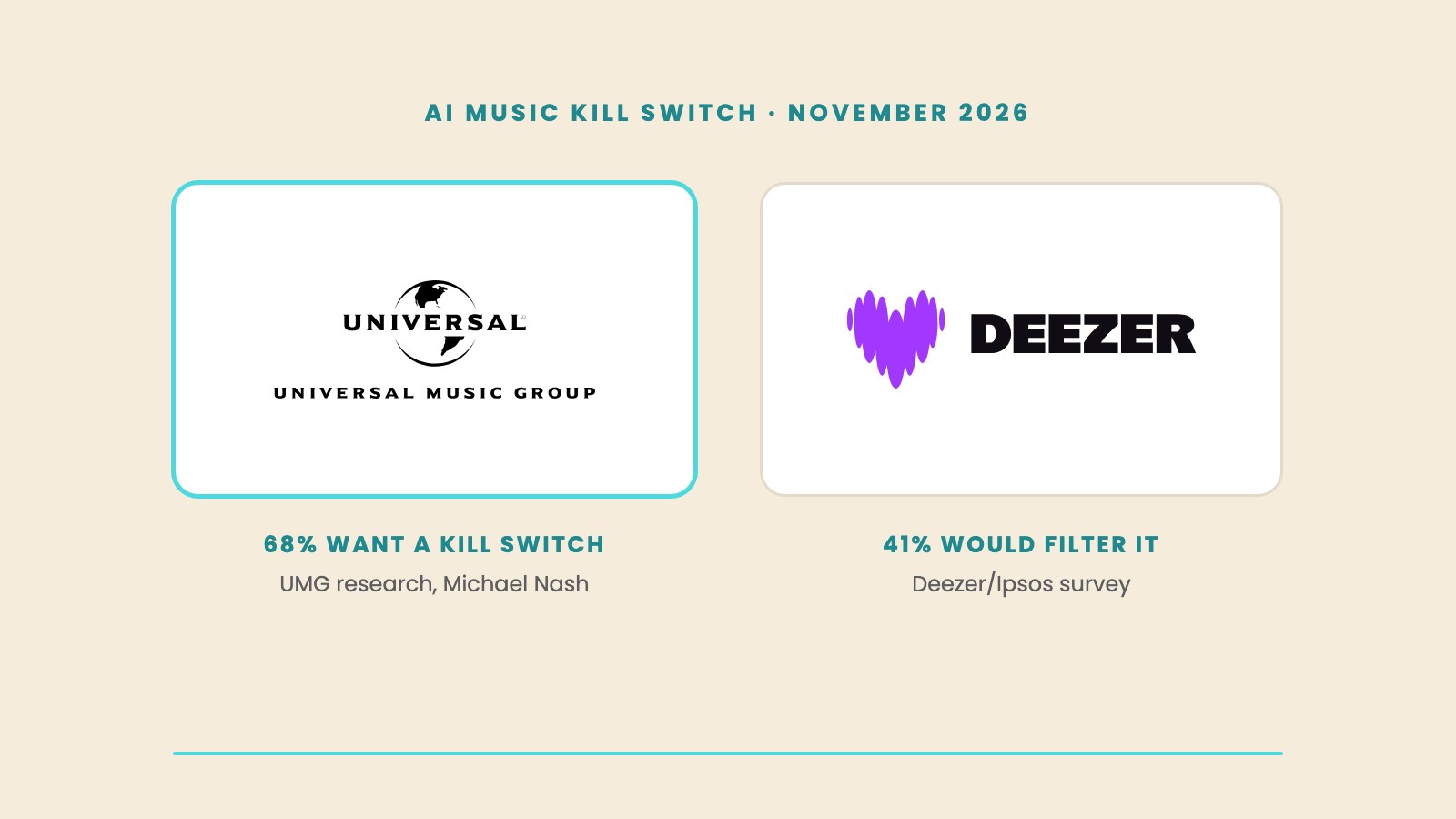
Universal says 68% of listeners want an AI music “kill switch”, and Deezer’s Ipsos survey found 41%
Universal says 68% of listeners want a “kill switch” for fully AI music, from research it hasn’t published. Deezer’s Ipsos survey of 9,000 people, out the day before, found 41%, and 80% want AI music labelled.
Tencent Music calls AI streams “negligible”, and a distributor says 87% of 300 million tracks were never streamed
Tencent Music called AI streams “negligible” and falling on its November 17 earnings call. Meanwhile a major distributor told Digital Music News that 87% of the 300 million tracks it tracks have never been streamed, AI or not.
Top Story: The 1st AI Music Awards, honestly. The 1st Grammys can relate
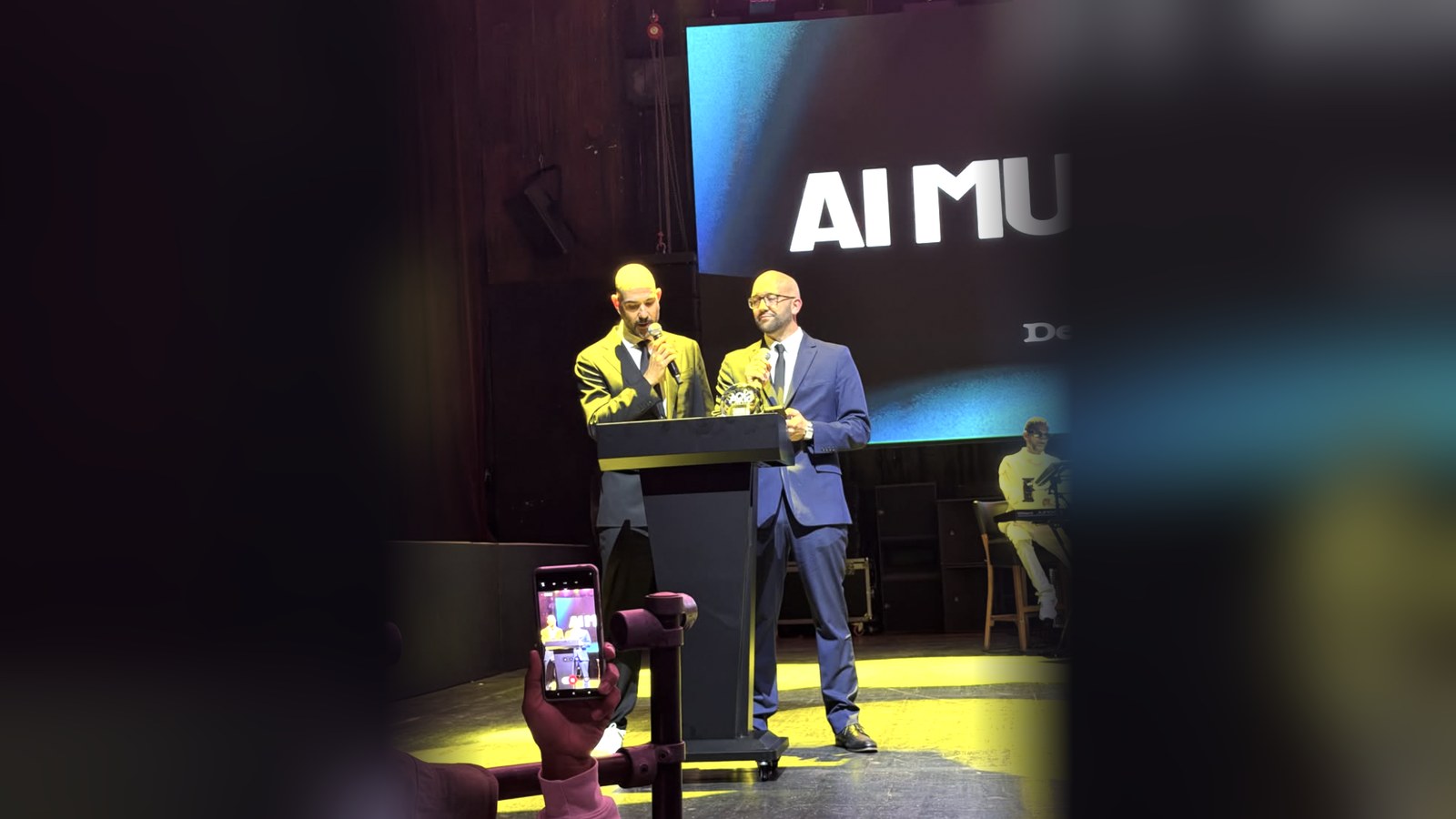
Not everything went to plan at the 1st AI Music Awards.
I was there last Friday at The Mayan in Downtown LA, on stage for 2 of the awards. Here’s how it went, honestly.
The teleprompter had problems, and some nominee announcements didn’t work. The run of show ran a little late, the broadcast wasn’t perfect, and a few segments got mixed up.
Was it perfect? Not at all.
But look at who pulled it off. Timirah James, SIQA’s president, her sister Tamia James and April, SIQA’s executive assistant, had a small team, a small budget and a few months to line up presenters, performers, the venue, catering, press invitations and scripts.
And they still got a live band, dancers who auditioned and rehearsed, and performances from Godfellow, Olivia B. Moore, and Eric Bellinger with Aries Ivory.
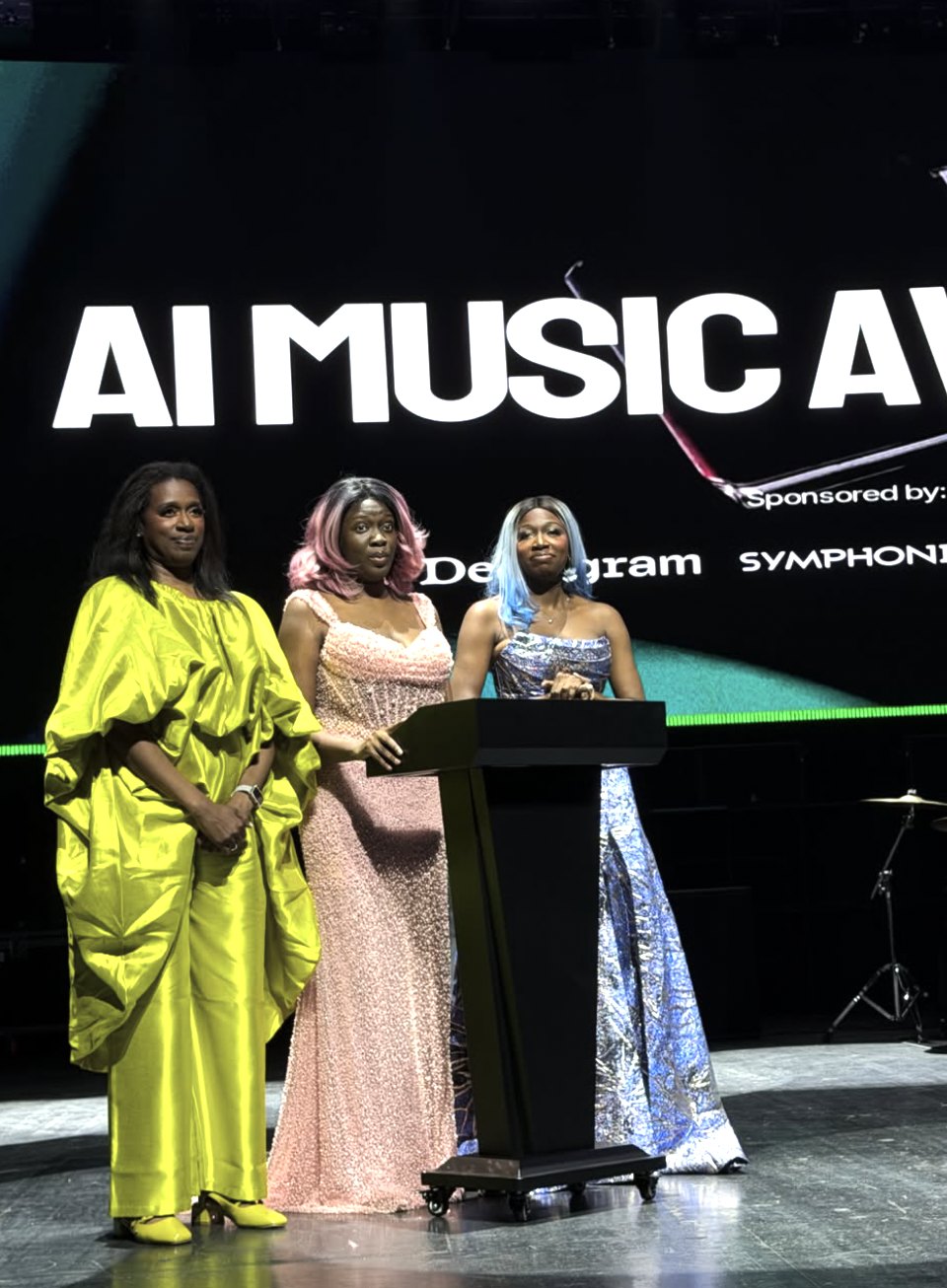
Was it good for a 1st time? Given all that, I think so.
AI artists verified in SIQA’s registry picked almost every winner, and nobody could vote for their own song.
Xania Monet won 4, including AI Artist of the Year. Ava Bently, DJ Shawn Q and Slime Dot took 2 each. (Full winners list)
Marcus Lawrence and I presented the 2 awards that sort songs by how they were made. Best AI-Assisted Song went to The Second Voice, “Let Me Be”. Best Human + AI Hybrid Song went to Aries Ivory featuring Eric Bellinger, “Influence”.
I closed my speech with: “So before you write something cruel under a song online, think about how it was made. Because you might be reading somebody’s diary.”
At the after-party, Timirah told me they’ll come back stronger. On stage, she’d said who it was for: “They didn’t have the vocal. They didn’t have the means to get a live band or be put on a platform like this.”
The 1st Grammy Awards started small too.
On May 4, 1959, the Recording Academy, about 700 members then, held 2 hotel dinners at once, in Los Angeles and New York, and handed out 28 awards.
No TV cameras were there, even though NBC had aired the Oscars since 1953. My guess is the demand wasn’t there yet. The 2nd Grammys, 7 months later, went out as a taped NBC show.
Frank Sinatra led with 6 nominations, then lost every music category. The top award went to an Italian song, “Volare”, and the AP reported the audience “seemed surprised but pleased”.
Today, nobody thinks of the Grammys as small.
Will the AI Music Awards grow the same way? Only time will tell.
(I’ve sat on SIQA’s Creative Advisory Council for over 6 months. I wasn’t involved in planning or running the show.)
My take: Charts and streaming platforms are shutting AI artists out right now, and SIQA gave them a platform anyway. So for everything that didn’t go to plan, I still see it as a great success: they put on a show when no one else did. Watch my full recap.
The first one rarely gets it right.
AI Music Lawsuit Tracker: DistroKid handed over its AI documents, and the labels want answers on Suno v6
3 cases moved this week, all against Suno. The other 13 on my tracker, including GEMA v. Suno, RIAA v. Udio and Eight Mile Style v. Suno, did not.
Here’s what changed:
RIAA v. Suno: the labels withdraw their DistroKid subpoena motion after DistroKid hands over its AI-detection documents
Universal, Capitol and Sony withdrew their motion to make DistroKid comply with a subpoena on November 16, after DistroKid produced documents on its AI-detection data. What the documents show isn’t public.
UMG & Sony v. Suno (v6): the labels agree ownership checks can wait, but want discovery on v6 to continue
Suno wants this second case paused until the first one reaches summary judgment, the stage where a judge can rule without a trial. On November 13 the labels agreed that ownership checks can wait, but want discovery to keep going on v6, Suno’s training-data licensing and its finances. A full pause could run into 2028.
Elvis Presley Enterprises v. Suno: the estate raises the recorded Suno outputs in evidence from 50 to 164
The estate amended its complaint on November 13, one week after filing, raising the recorded Suno outputs in evidence from 50 to 164. The 859 songs and 5 claims stay the same, and none of it has been tested in court.
→ Full case files and timelines
Artist Index: Ava Bently, DJ Shawn Q, Nicola Nicoletti and Shavelle G
4 of this year’s AI Music Awards winners and chart acts got their own profiles this week.
Ava Bently: the AI country singer behind “Back to Tennessee” and a 2-time AI Music Awards winner
Ava Bently is the AI country singer behind “Back to Tennessee”, and a 2-time winner last Friday.
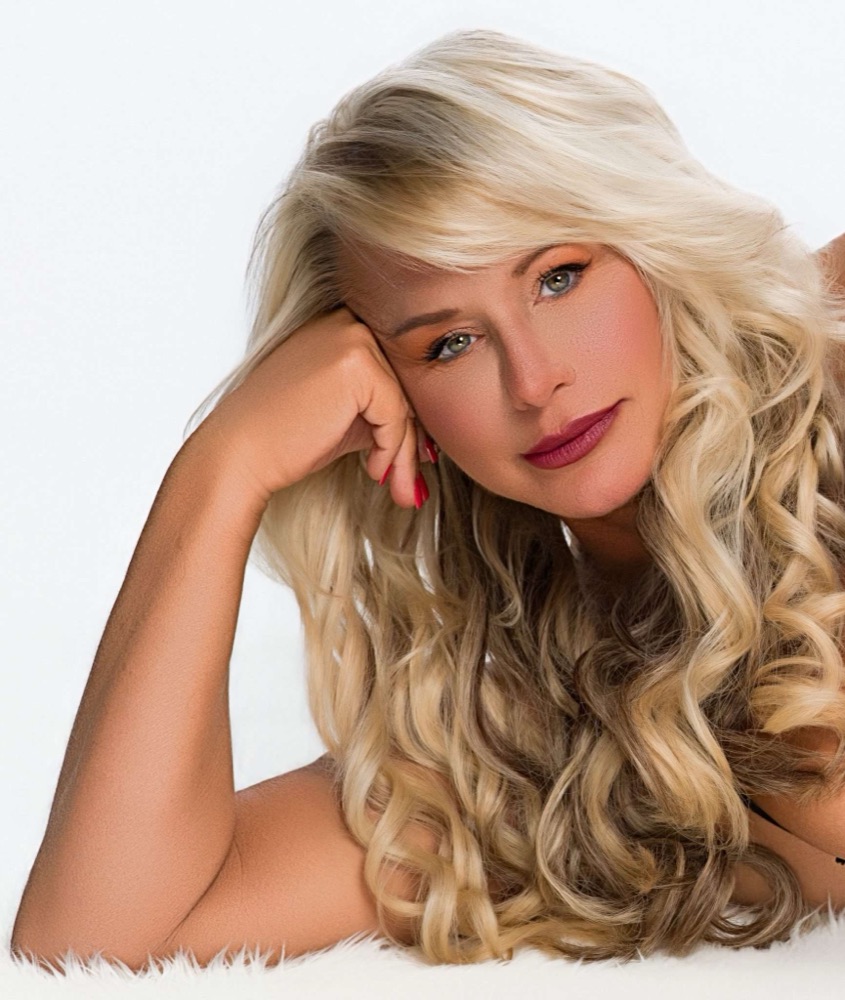
DJ Shawn Q: “Lacin Up” passed 1.2 million YouTube views and 19 weeks on SIQA’s AI gospel chart
DJ Shawn Q’s “Lacin Up” passed 1.2 million YouTube views and spent 19 weeks on SIQA’s AI gospel chart.
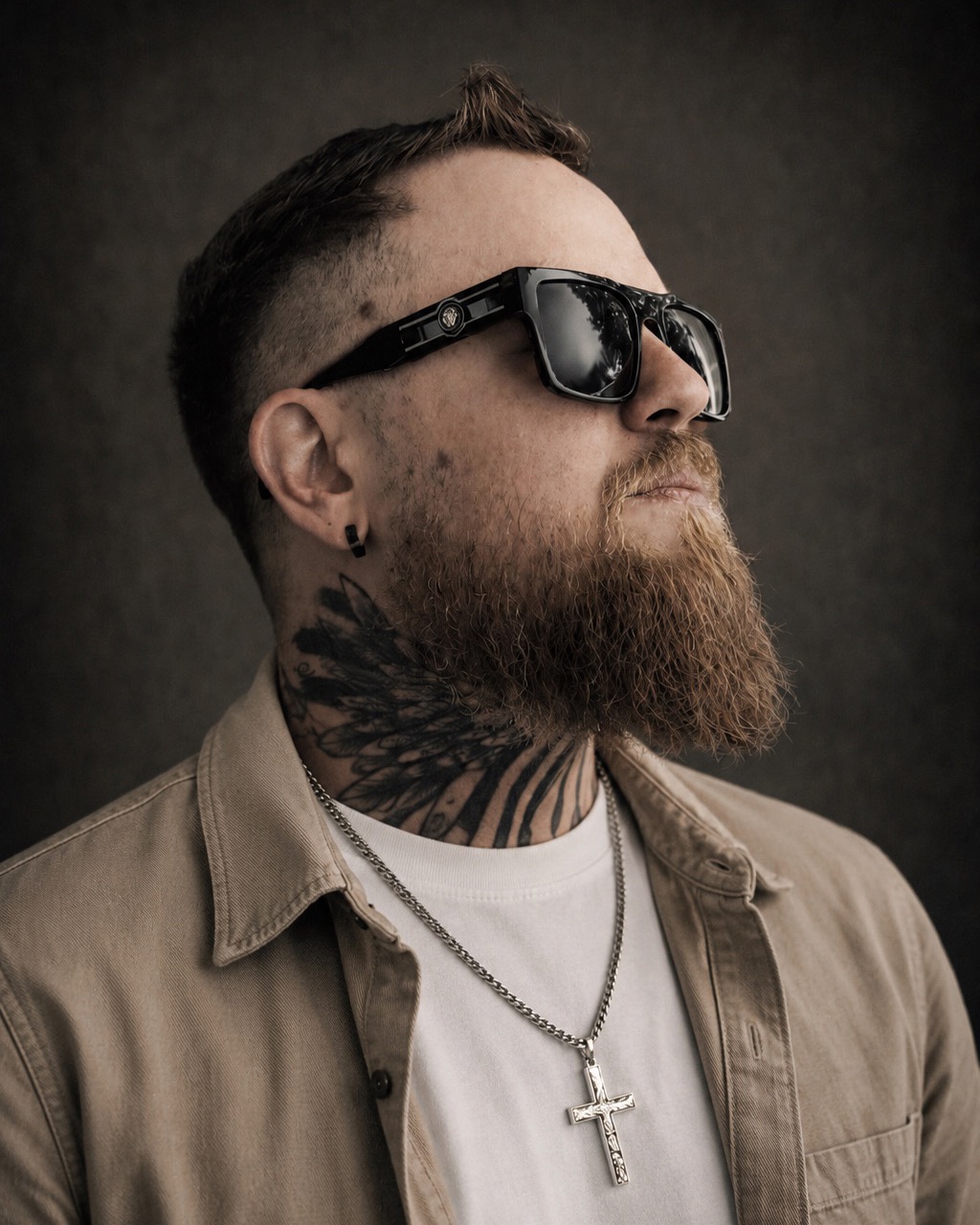
Nicola Nicoletti: a virtual pop artist who sings in 5 languages and won Best AI Pop Artist
Nicola Nicoletti is a virtual pop artist who sings in 5 languages and won Best AI Pop Artist.
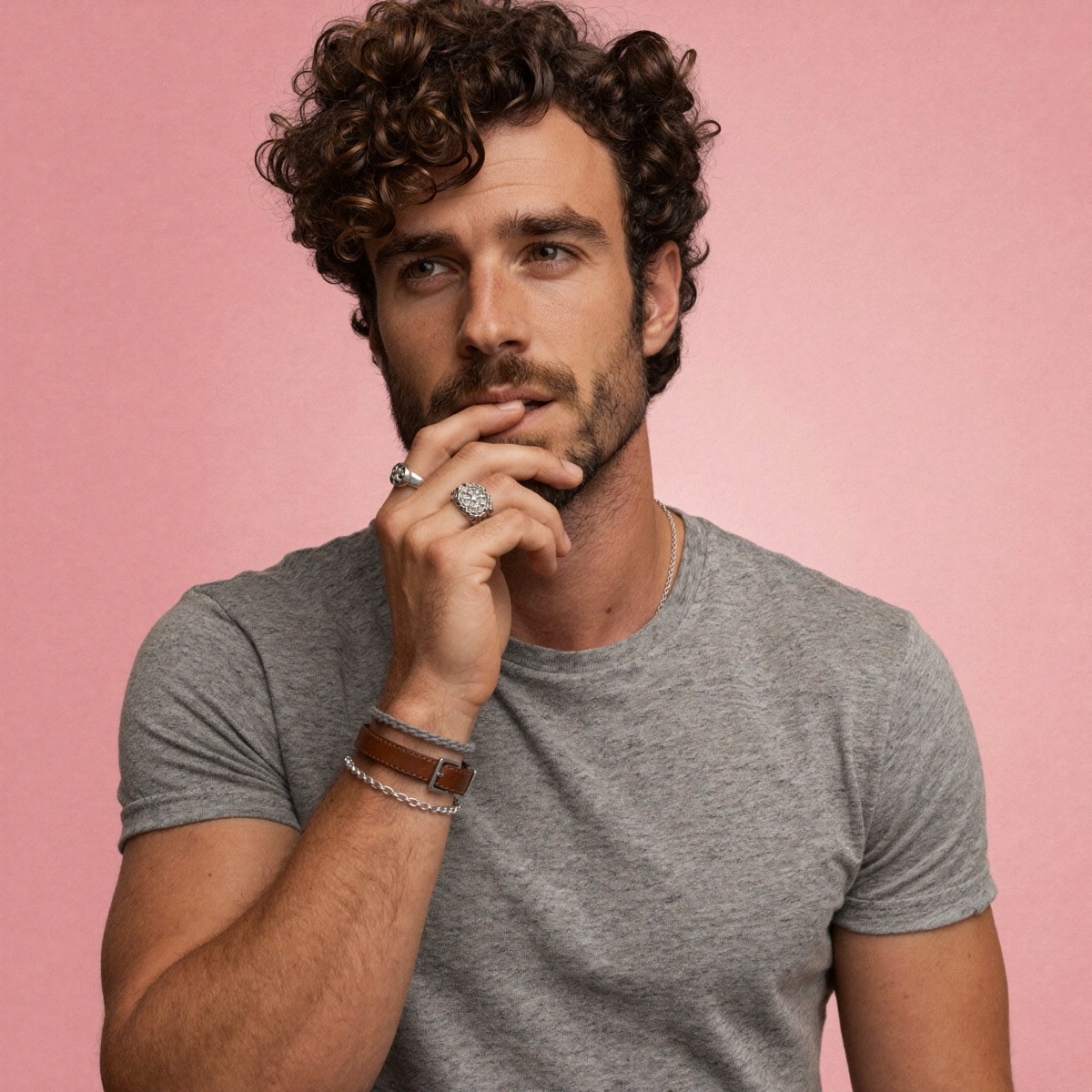
Shavelle G: “This Chapter” hit No. 4 on SIQA’s AI gospel chart and passed 2 million YouTube views
Shavelle G’s “This Chapter” hit No. 4 on SIQA’s AI gospel chart and passed 2 million YouTube views.

Xania Monet, Slime Dot, Olivia B. Moore and 24 more: profiles updated with new releases and awards
I also updated 27 profiles with their new releases and awards, including Xania Monet, Slime Dot and Olivia B. Moore.

→ Browse the full Artist Index
One thing to do this weekend: turn on Spotify’s Artist Profile Protection
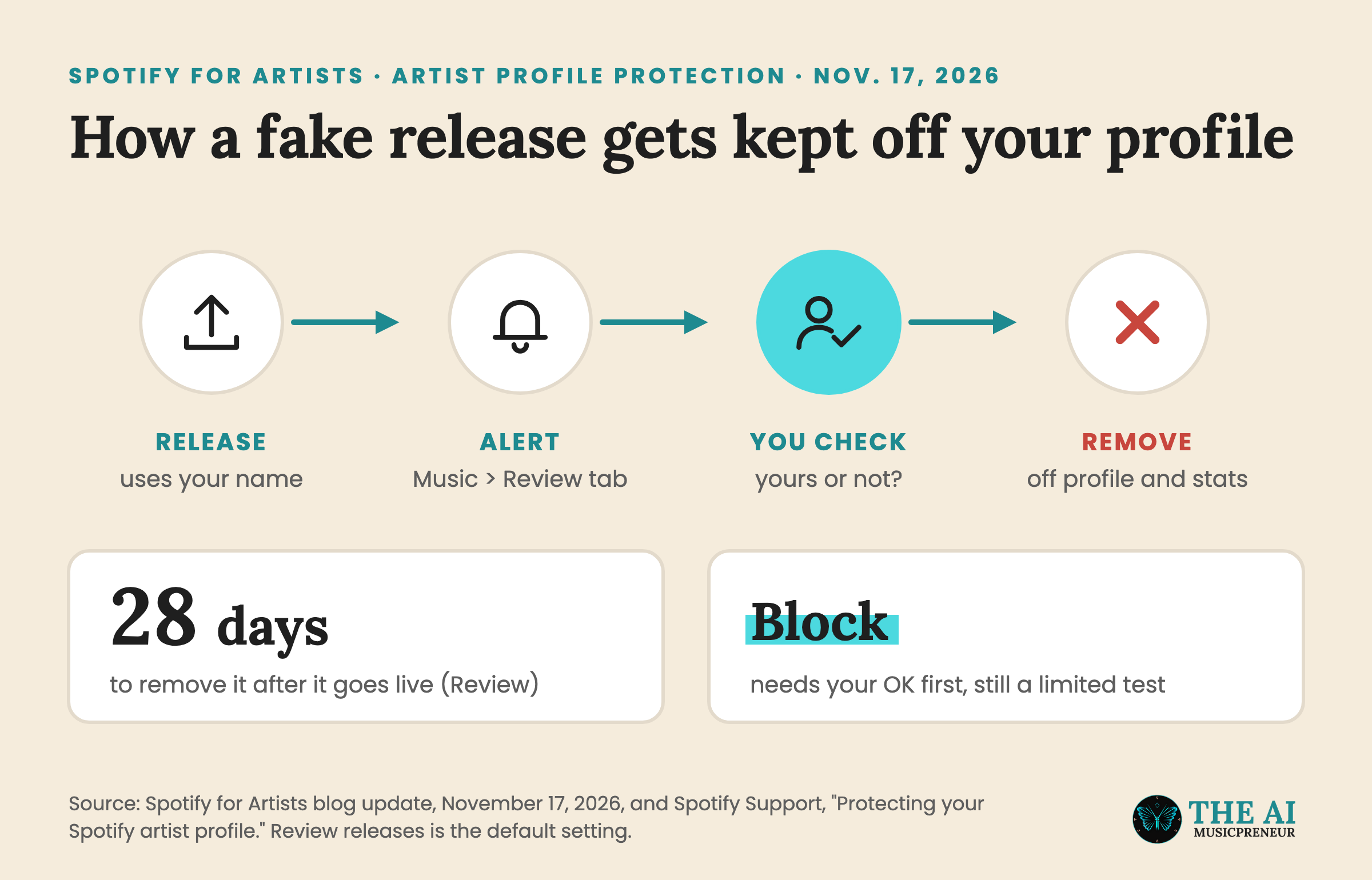
Since November 17, every artist on Spotify can get an alert when a release lists them, and remove themselves if it isn’t theirs. A removed release won’t show on your profile or count toward your stats.
In Spotify for Artists on desktop, open the menu under your avatar and pick Artist Profile Protection (you need Admin or Editor access). Then check Music > Review whenever an alert comes in.
One catch: in the default mode, a release you ignore still goes live with your name on it, and you have 28 days after that to remove yourself.
About The AI Music Briefing
The AI Music Briefing is a weekly Friday read for music industry professionals working at the intersection of AI and the traditional music business. Curated and written by Christopher Wieduwilt, founder of The AI Musicpreneur. Browse every issue of the briefing.
Got a tip, a story, or a partnership idea? Reach out any time. Every message lands directly in my inbox.
— Christopher
About the author
Covering AI music tools, industry shifts, and news for music creators and professionals. Twice-weekly newsletter at aimusicpreneur.com.