Bandcamp AI music ban: what Bandcamp bans, what it leaves unsaid, and how removals work in 2026

SIQA Summit, LA, 12th November 2026 Ozzy Osbourne's former bassist is sharing a stage with Suno. I'm moderating:

Blasko
Bassist (Ozzy Osbourne, Rob Zombie)

Sam Berger
Artist Partnerships at Suno

RoccStar
Grammy Award-winning producer and songwriter

Drake Murphy
A&R at PlayPulse / Create Music Group

Janie Jennings
Founder, Creative's Flow Ecosystem

Chris Wieduwilt
Moderator
Limited capacity only
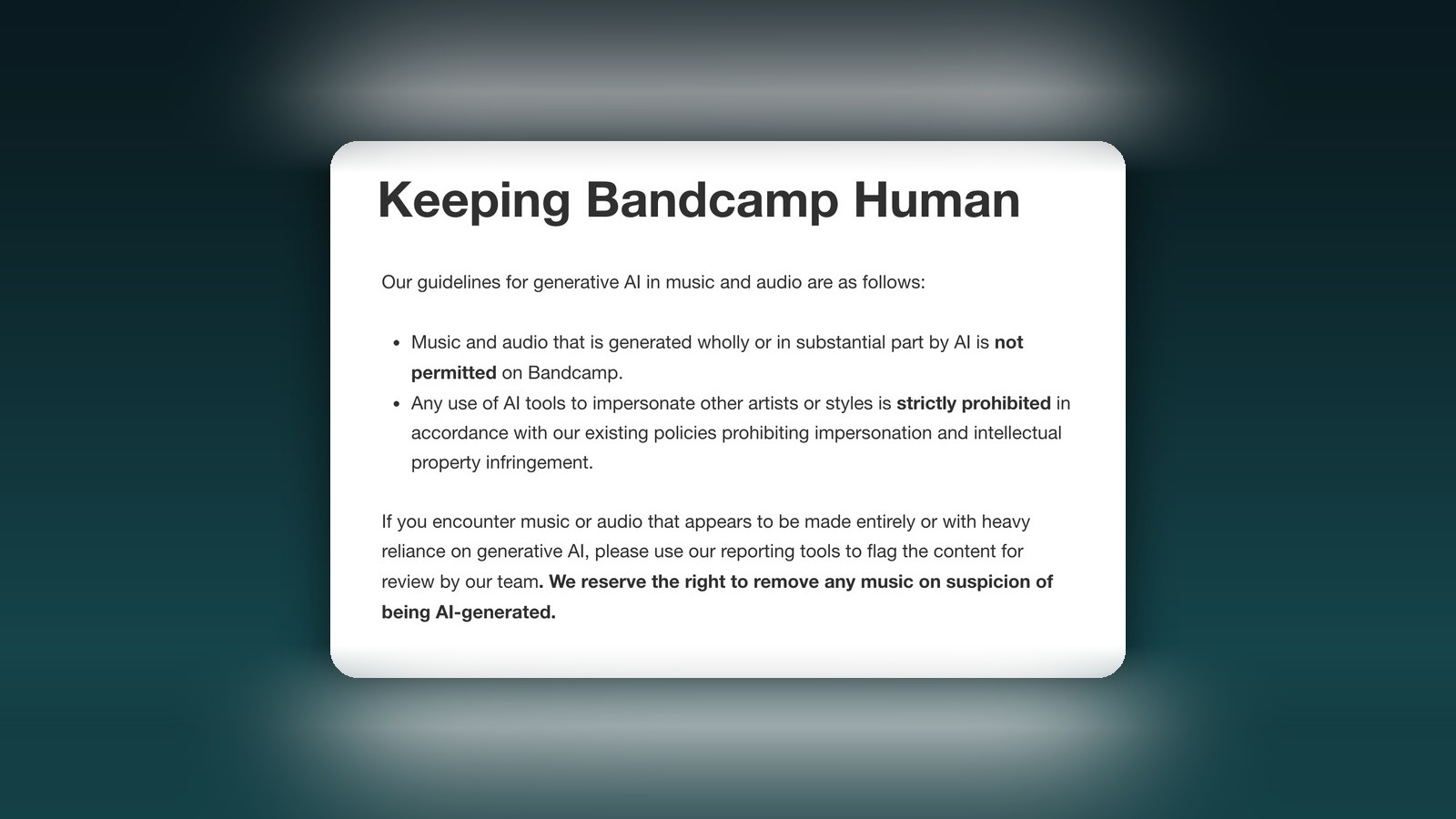
The short answer on Bandcamp AI music: it’s banned.
Since January 13, 2026, music and audio “generated wholly or in substantial part by AI” is not permitted on Bandcamp, and using AI to impersonate other artists or styles is “strictly prohibited”. Bandcamp can also pull a release on suspicion alone, after someone reports it.
That makes Bandcamp the strictest of the big music platforms. Spotify and Apple Music let AI music in and work on labelling it, while Bandcamp keeps it out. My platform-by-platform AI music rules have the side-by-side.
This guide covers what the Bandcamp ban says, what counts as AI music under it, how reports and removals work, and what to do if AI is part of your process.
What is the Bandcamp AI music ban?
Bandcamp’s AI music ban defined
Bandcamp’s AI music ban is the policy Bandcamp published on January 13, 2026. It bans music and audio generated wholly or in substantial part by AI, bans any use of AI to impersonate other artists or styles, and lets Bandcamp remove music on suspicion of being AI-generated after users report it.
Why the Bandcamp AI ban matters if you sell music there
Bandcamp sells your music to fans directly. They buy the album and you keep about 82% of the sale, which is why so many independent artists worry about Bandcamp’s future every time something changes there.
The same rule sits in Bandcamp’s Acceptable Use and Moderation Policy. Its content standards say music and audio must not “be wholly or in substantial part created, composed, or generated by artificial intelligence”.
Breaking those standards can mean a warning, removal of your music, or temporary or permanent loss of your account. So a removal costs you sales and the page your fans know.
Bandcamp’s Terms of Use protect you from the other direction too. Since November 11, 2024, they say Bandcamp won’t use your music to train music-generating AI, or let anyone else do it, without your permission.
The hard part is knowing which side of the line your track sits on.
What the Bandcamp AI music ban covers, track by track
Bandcamp’s Keeping Bandcamp Human post is 2 bullet points long. So does Bandcamp allow AI music at all? Only in the parts its text doesn’t address. Here’s what the 2 rules mean for the AI use you actually run into:
Fully AI-generated Suno or Udio tracks on Bandcamp
Banned. A song you prompt in Suno or Udio and upload as it comes out is music “generated wholly” by AI.
The policy names no tools, and it makes no exception for models trained on licensed music. That’s a real difference from TuneCore, which accepts music from licensed AI models. On Bandcamp, licensed or not, a generated track is out.
Songs made “in substantial part” by AI under Bandcamp’s rule
Also banned, but Bandcamp hasn’t said where the line sits. Think of an AI-generated vocal on an instrumental you played, or AI stems mixed into a human arrangement.
Bandcamp gives no percentage and no examples. One commenter under the January post asked straight out whether AI lyrics, AI artwork or one AI-played instrument would count. Bandcamp’s post doesn’t answer, and I couldn’t find a Bandcamp definition anywhere as of November 10, 2026.
AI-assisted mastering and stem separation on Bandcamp
Not addressed. The text talks about music “generated” by AI. It never mentions AI mastering, stem splitting, noise removal or pitch correction.
The report wording points at music that “appears to be made entirely or with heavy reliance on generative AI”. A mastering chain on a song you recorded doesn’t fit that description, but Bandcamp hasn’t confirmed it in writing.
AI impersonation of other artists or styles on Bandcamp
Strictly prohibited, under Bandcamp’s existing rules against impersonation and intellectual property infringement. That covers a voice clone of a real singer, and the words “or styles” take the rule beyond voices.
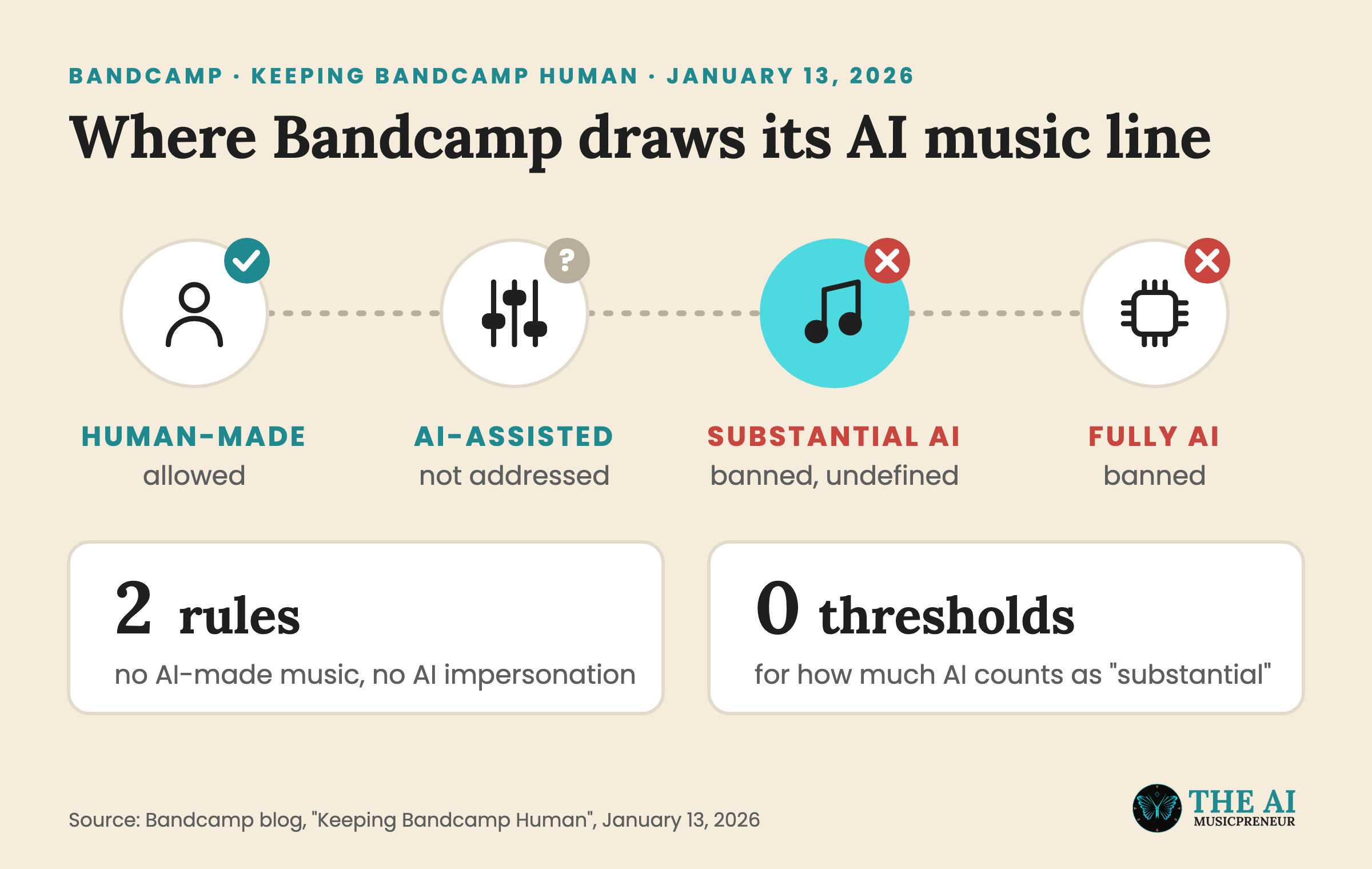
Knowing the rule is half of it. The other half is how Bandcamp finds AI music, and there’s no scanner involved.
How Bandcamp bans AI music in practice: reports, review and removal
Bandcamp’s AI policy runs on reports. Its published policies describe no upload filter.
Anyone can flag a release with the “report” link on the page or by email to terms@bandcamp.com. A report has to include the URL and the rule it breaks. Then, in the moderation policy’s own words, “a team of humans will review your report (no decisions like this are automated)”.
If Bandcamp removes your music, it says it will send you a Statement of Reasons that explains the decision. The appeal route it writes out is for EU citizens:
- Email terms@bandcamp.com within 6 months of the decision. A member of the legal team aims to reply within 8 weeks.
- If you still disagree, email terms-escalation@bandcamp.com for senior management. Again, the reply should come within 8 weeks.
- After that, an EU out-of-court dispute body (Bandcamp says the certified list isn’t out yet), or a court.
The policy doesn’t spell out a separate route for artists outside the EU.
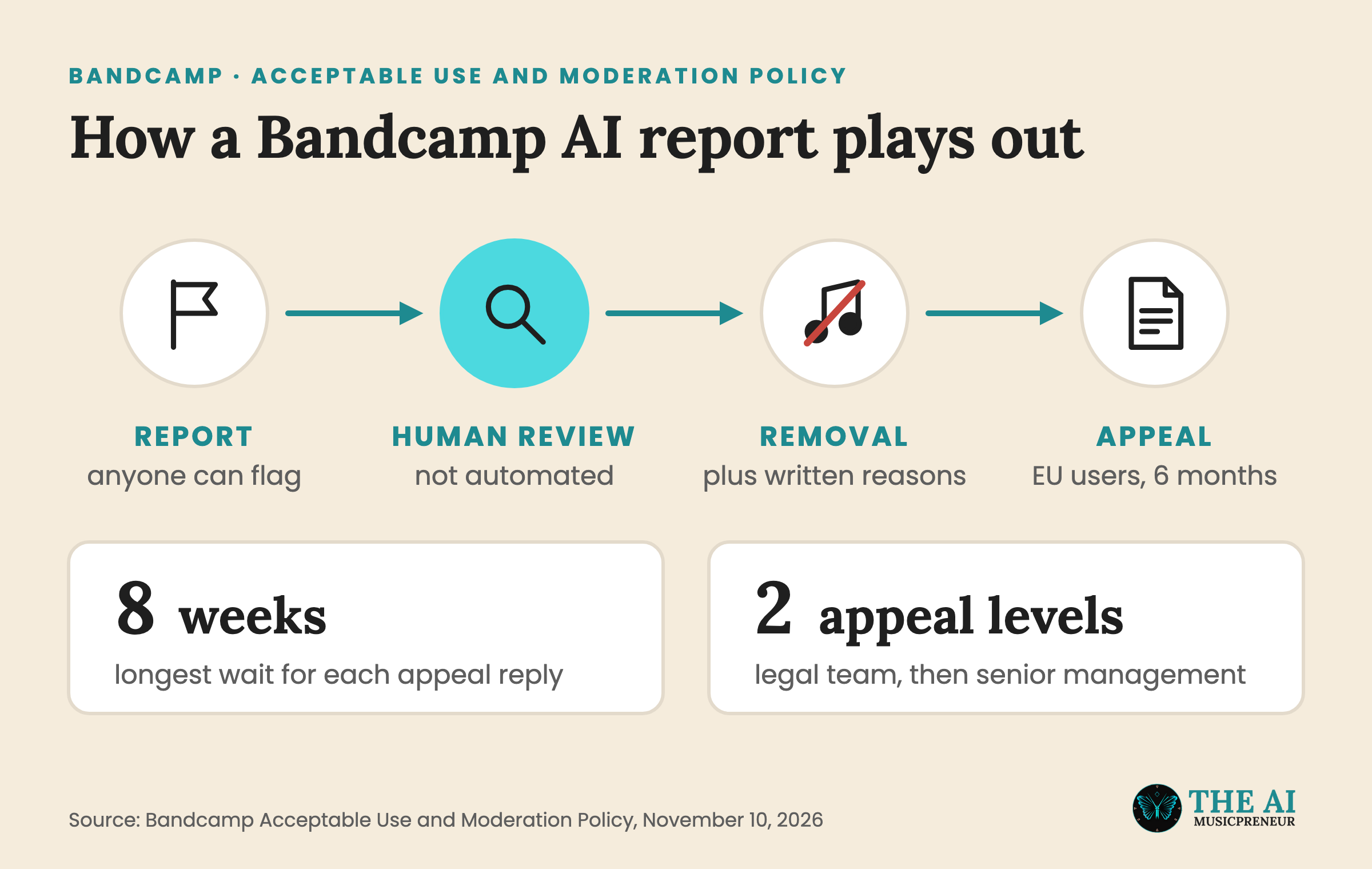
We reserve the right to remove any music on suspicion of being AI-generated.
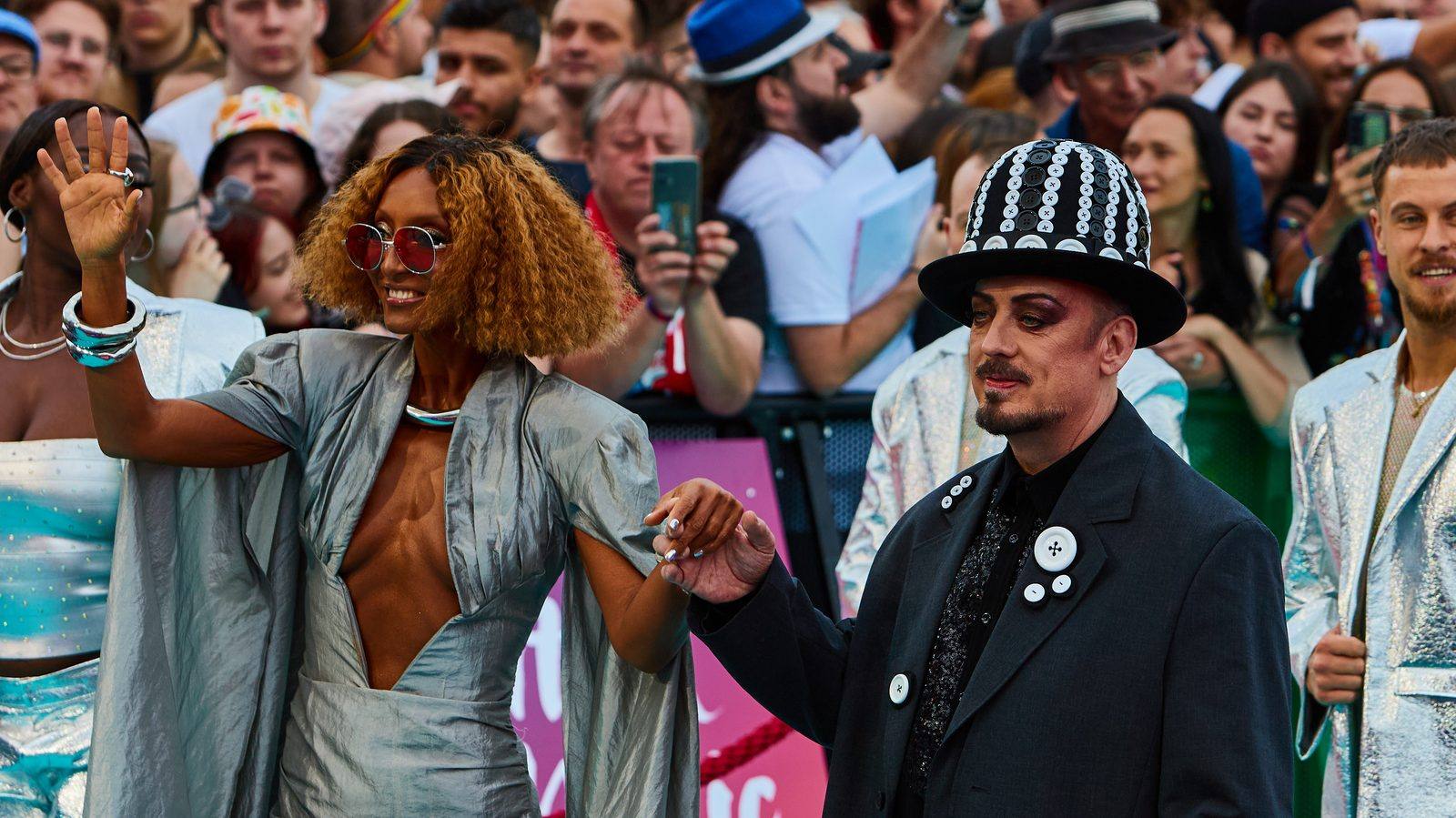
The best-known removal so far is Boy George’s “We Will Dance Again”. Bandcamp pulled it in August 2026, he confirmed the track was made with AI, and he still said the takedown was political. Here’s how Boy George’s removal played out.
Smaller artists have had it rougher. On February 5, 2026, Side-Line collected posts from artists who said their accounts were deleted, their pages hidden from search or their whole catalogues wiped after being reported as AI-assisted. Those are the artists’ claims, and Bandcamp hasn’t published removal numbers.
How to release AI-assisted music on Bandcamp without losing it
If AI sits somewhere in your process, these 4 steps keep your Bandcamp page safer. None of them is a guarantee, because Bandcamp can still act on suspicion.
Step 1: Check your track against both Bandcamp AI rules
Ask 2 questions. Did AI generate the sound itself, wholly or in a big part? Does any part copy a real artist’s voice or style?
If the answer to either is yes, that release doesn’t belong on Bandcamp. If you only used AI to master, split stems or clean up noise, you’re in the zone Bandcamp’s text doesn’t address.
Step 2: Keep the files that prove you made your Bandcamp release
Save your project files, stems, raw takes and session dates. A human reviews every report, and your files are what you can show if a reviewer gets it wrong.
AI detectors have already flagged handmade music, like the Coloured Tears covers SubmitHub marked as AI. Anyone can run your song through one of those tools and then hit report.
Step 3: Know the Bandcamp appeal route before you need it
Write down terms@bandcamp.com and terms-escalation@bandcamp.com now. If something gets removed, ask for the Statement of Reasons, and send your appeal with your files well inside the 6-month window.
Step 4: Put fully AI-generated releases on platforms other than Bandcamp
A Suno track has a home, just not on Bandcamp. Spotify and Apple Music accept AI music from distributors, and SoundCloud now takes songs published straight from ElevenMusic.
Bonus tips for Bandcamp artists who use AI
Beatport checks at upload, Bandcamp checks after a report
Beatport is the other store with a hard line. Since August 12, 2026, it withholds fully or majority AI-generated tracks during ingestion and tags AI-assisted ones. Bandcamp lets the release go live and acts once someone reports it, so a Bandcamp problem can show up months after release day.
A Bandcamp-only release carries the most risk
Coloured Tears sells its 2 Twice a Man tribute albums only on Bandcamp. If a page like that comes down, the whole store goes with it. A release that also sits on other platforms keeps earning while you appeal.
Key takeaways on Bandcamp AI music
Bandcamp’s AI music ban fits in 2 bullet points, and most of the uncertainty sits between them:
- Bandcamp bans music and audio generated wholly or in substantial part by AI, since January 13, 2026.
- AI impersonation of other artists or styles is strictly prohibited.
- Mastering, stem separation and other assistive tools aren’t addressed in Bandcamp’s text, and “substantial” has no threshold.
- Enforcement runs on reports and human review, with removal possible on suspicion alone.
- Keep your project files, and know the appeal emails before you need them.
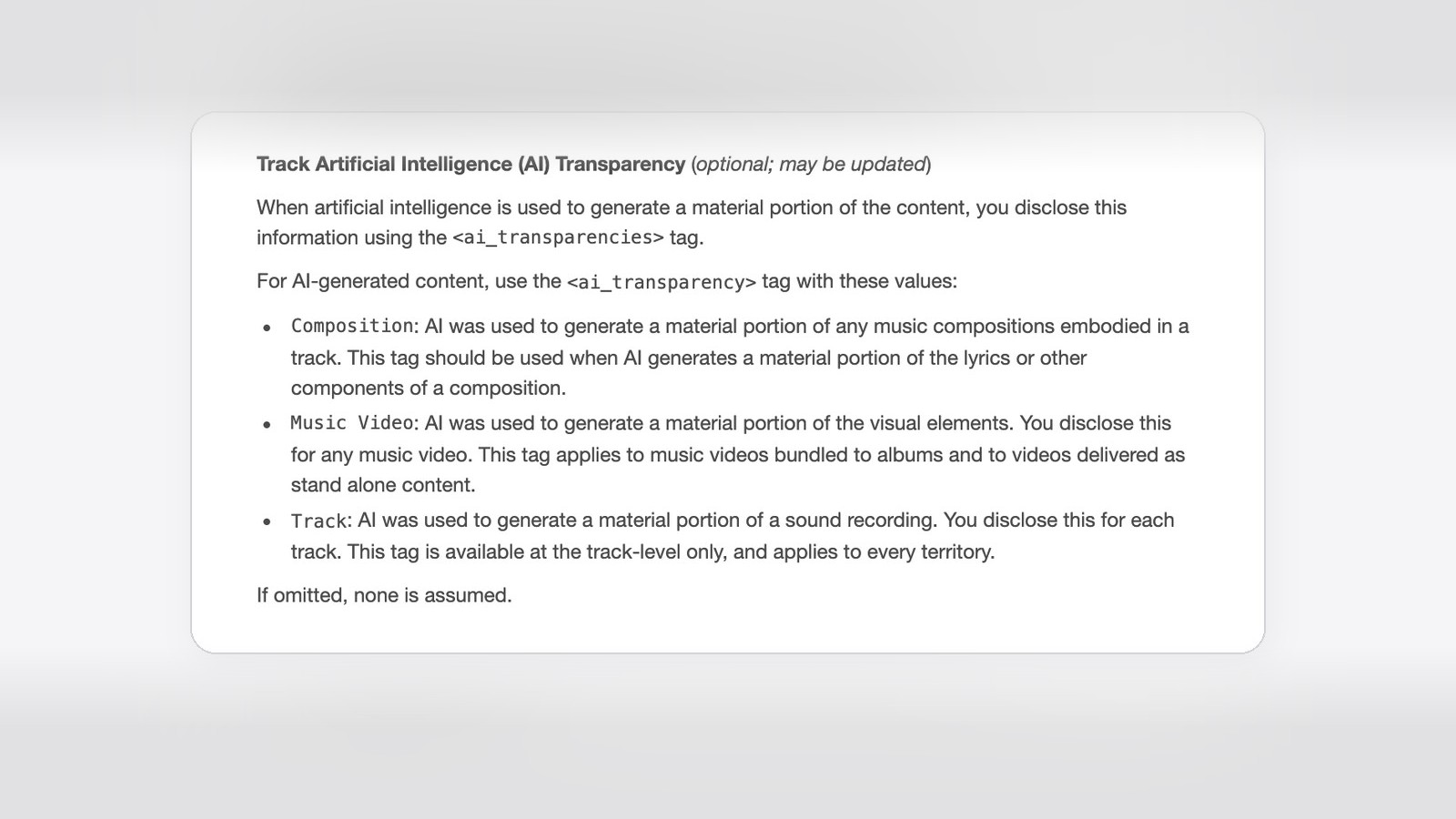
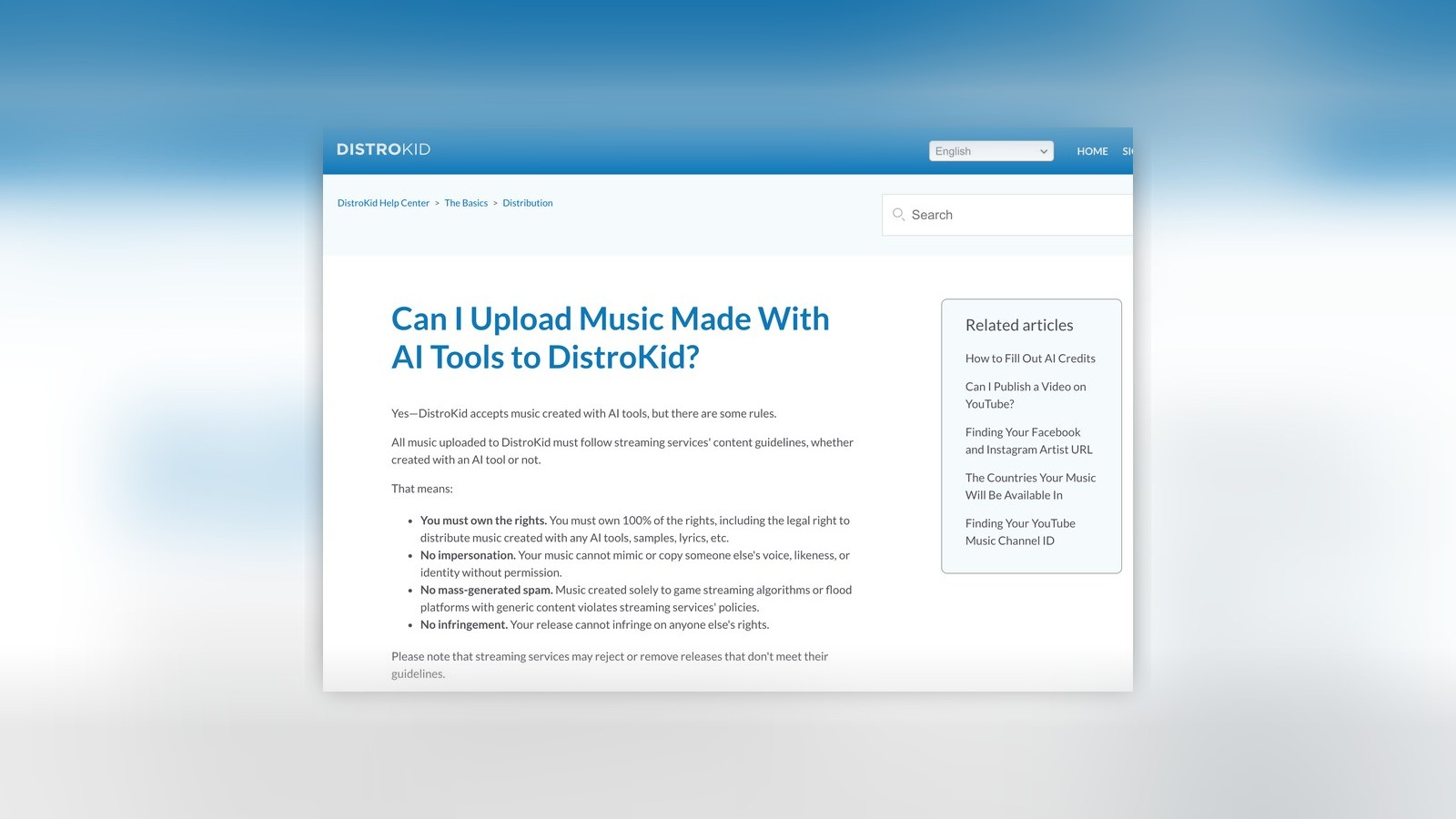
The rules work very differently elsewhere: DistroKid, Spotify, TuneCore and Apple Music each have their own AI music policy.
Frequently asked questions
When did Bandcamp ban AI-generated music?
Bandcamp published the ban on January 13, 2026, in a blog post called Keeping Bandcamp Human. The same rule now sits in the content standards of its Acceptable Use and Moderation Policy, which says music and audio must not be wholly or in substantial part created, composed or generated by artificial intelligence.
Does Bandcamp's AI ban cover AI-generated album artwork?
Bandcamp's written AI rules cover music and audio. Neither the January 13, 2026 blog post nor the AI clause in its Acceptable Use and Moderation Policy mentions cover art, and I found no separate Bandcamp rule on AI artwork as of November 10, 2026.
Does Bandcamp let AI companies train on artists' music?
No. Bandcamp's Terms of Use, updated November 11, 2024, say it will not use or let others use an artist's music to train models that generate music without the artist's express permission. Its Acceptable Use and Moderation Policy also bars anyone from scraping the site or training a machine learning or AI model on its content.
Does Bandcamp's AI ban apply to music uploaded before January 13, 2026?
Bandcamp's policy doesn't exempt older releases. It says Bandcamp reserves the right to remove any music on suspicion of being AI-generated, and it names no cut-off date, so a release from 2024 can be reported and reviewed the same way as one uploaded today.
About the author
Covering AI music tools, industry shifts, and news for music creators and professionals. Twice-weekly newsletter at aimusicpreneur.com.