The AI Music Briefing #17: Why a zero-royalty rule for AI music can't find its target
The week of August 24–28, 2026, when Luminate, ARIA and KOMCA each answered AI authorship differently on the same day, Universal, Sony and Warner bought into Stability AI's $76M round, and a zero-royalty rule ran into the 81.4% of AI tracks with a human author.
My stack My fav 6 tools for AI music after testing 70+
-
 ElevenMusic · Music generation
 -
 Moises · Stem separation
 -
 Controlla · Voice swap & cloning
 -
 Cryo Mix · Mixing + mastering
 -
 Neural Frames · Music videos
 -
 ONCE · Distribution
Some links are affiliate links — I earn a commission at no cost to you. Every tool here is one I run myself and truly believe in. This stack is proven.
Issue #17 · the week of August 24–28, 2026 · ~8 min read. The Friday read for music industry professionals working at the intersection of AI and the traditional music business. Curated by Christopher Wieduwilt.
I re-tested the AI stem splitters this week, and the test I trust is the boring one
This week I sat down and re-tested some stem splitters to see where everything lands right now. Genuinely interesting space.
I’m not an engineer, so I can’t judge a separation on a technical level. What I can judge is the part you actually hit: how fast you get a file in and stems out, and whether the parts come back with pieces missing or artifacts on them.
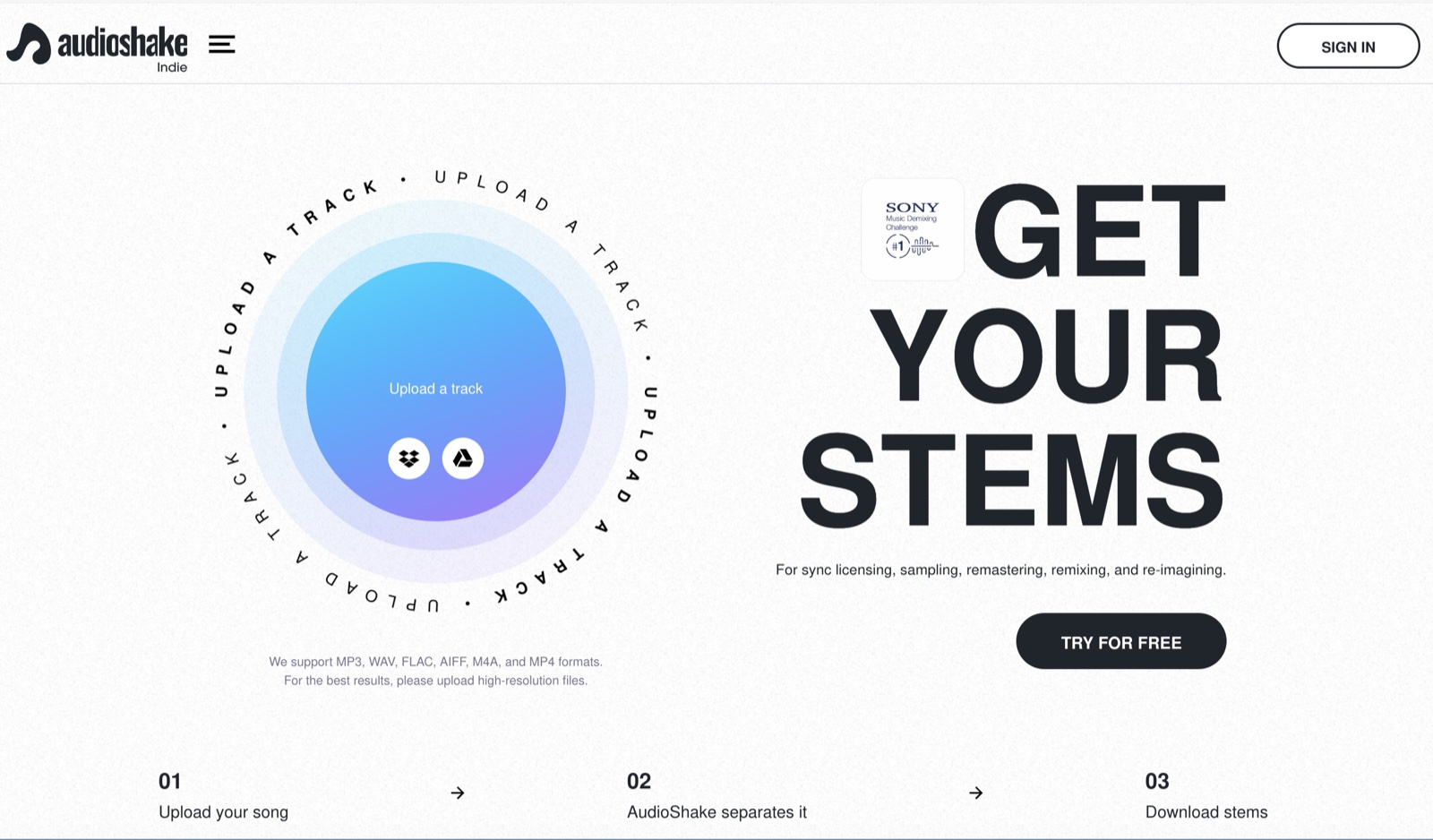

That’s the test I trust. :)
What’s in store:
- Top Story: why a zero-royalty rule for AI music can’t find its target
- Luminate’s single “AI Generated” label, wired into the Billboard charts
- Australia’s chart ban starts on today’s charts, with no threshold published
- Universal, Sony and Warner all buy into Stability AI’s $76M round
- Suno lost a motion, and Round Hill wants the model weights
High Signal News: Luminate’s label, ARIA’s ban, and the majors’ Stability AI stake
Luminate will tag AI-generated songs inside CONNECT with one “AI Generated” label
Luminate will flag AI-generated songs and artist profiles inside CONNECT with a single “AI Generated” label later this year. That dataset has powered the Billboard charts for over 30 years.

ARIA bans wholly AI-generated recordings from the Australian charts
ARIA banned wholly AI-generated recordings from the Australian charts, starting with the charts published today. It can pull songs and revoke awards, and it published no threshold for “substantially human-made.”

Universal, Sony and Warner buy equity in Stability AI’s $76 million Series B
Universal, Sony and Warner all bought equity in Stability AI’s $76 million Series B, 2 years after the majors were mostly suing generative AI companies. Getty Images is still suing Stability.

KOMCA withdraws its AI registration rules 22 days after they took effect
KOMCA, Korea’s songwriter collecting society, withdrew its AI registration rules 22 days after they took effect, after the culture ministry asked for wider consultation. 100% AI songs stay unregistrable.

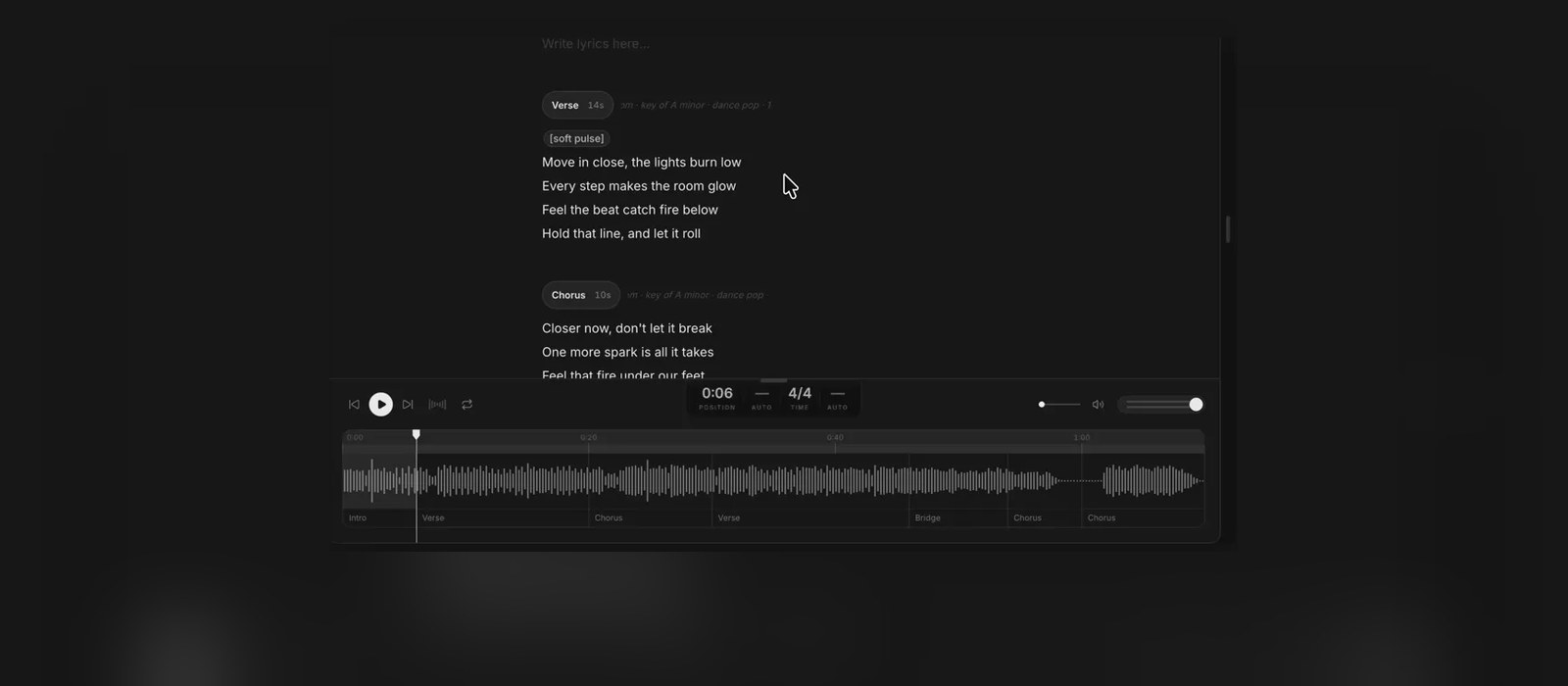
ElevenLabs launches Composer for section-by-section song editing inside ElevenMusic
ElevenLabs launched Composer inside ElevenMusic. It splits a track into sections, so you rewrite one verse or reroll one chorus without regenerating the song.
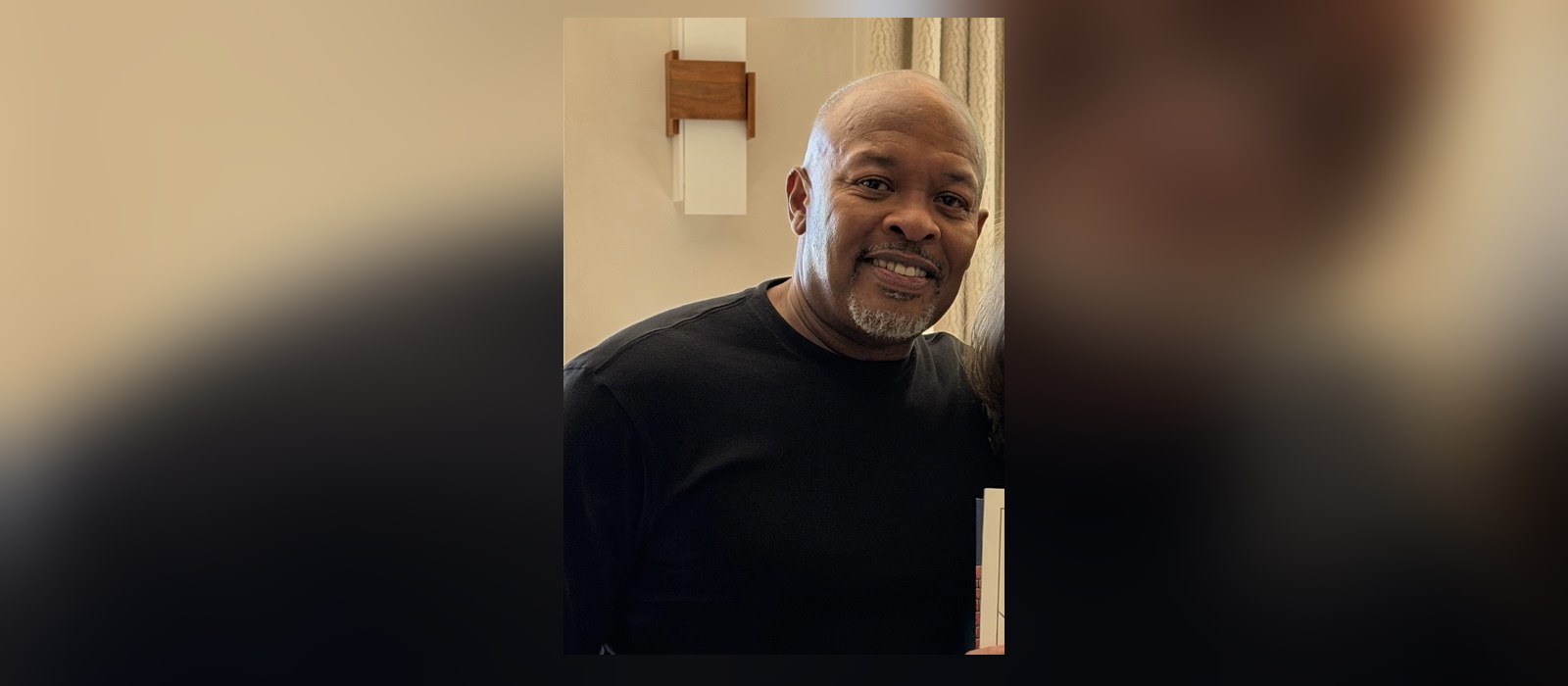
Dr. Dre confirms he uses AI in the studio, and consent goes unmentioned
Dr. Dre confirmed to the New York Times that he uses AI in the studio, and said the only people who see it as a threat are the ones who have trouble creating. Consent and training data went unmentioned.
5 producer surveys check Dr. Dre’s line: 73.9% use AI for stem separation, 3% for a whole song
A data check on Dre’s line against 5 producer surveys found that 73.9% of producers using AI use it for stem separation and 3% use it to make a whole song. It also found where his line breaks: 77% of 1,194 creators name loss of originality as their top concern, ahead of job displacement at 42%.
Timbaland corrects the Jimmy Iovine “closet AI producers” story under my TikTok
Timbaland corrected the story that Jimmy Iovine had outed him as a closet AI producer, in the comments under my TikTok. I had run that version too, and I corrected the article.

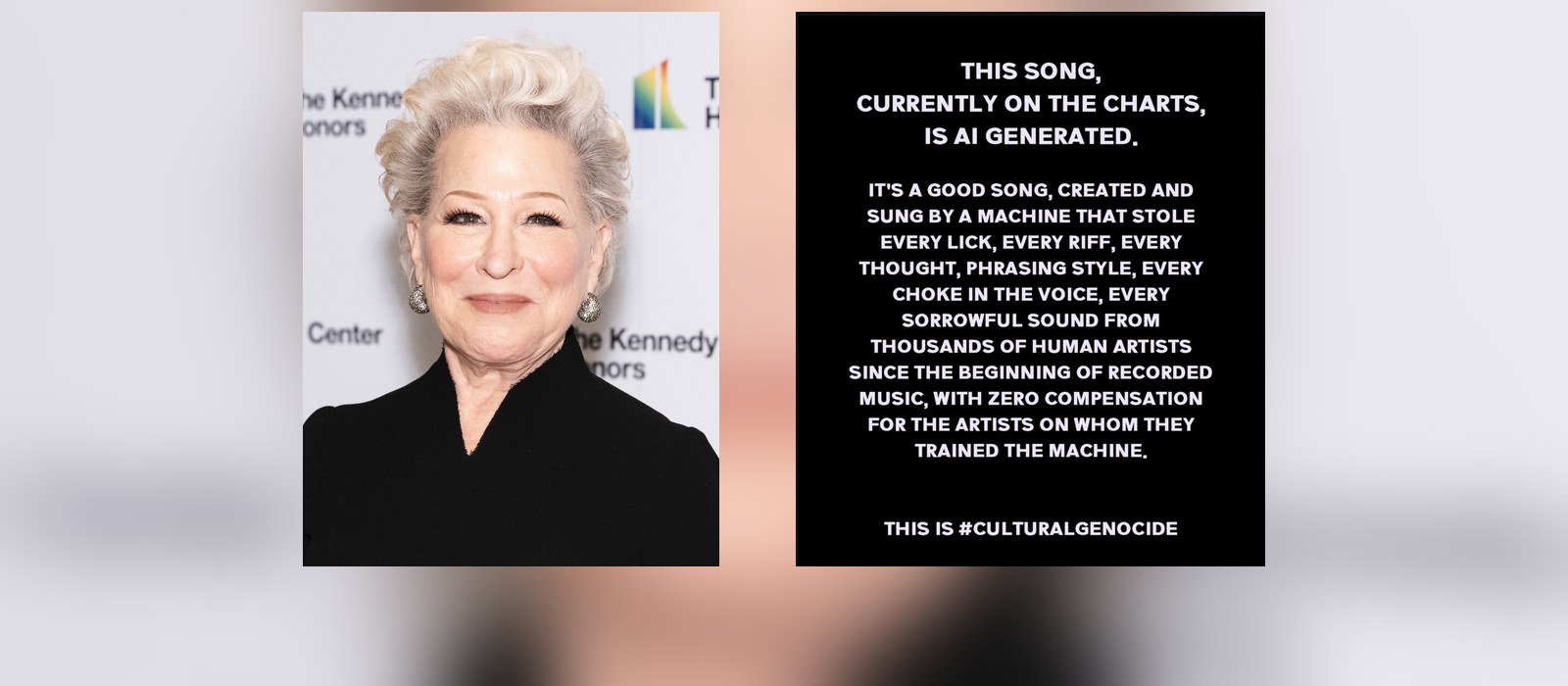
Bette Midler’s “cultural genocide” post targeted IngaRose’s “Celebrate Me”
Bette Midler’s “cultural genocide” post targeted “Celebrate Me” by IngaRose, a Suno-built act that hit No. 1 on the US iTunes chart in April. Tyrese Gibson argued the other side in the comments. Midler is right about the training, and her post still can’t tell a machine-written song from a human-written one sung by a machine.
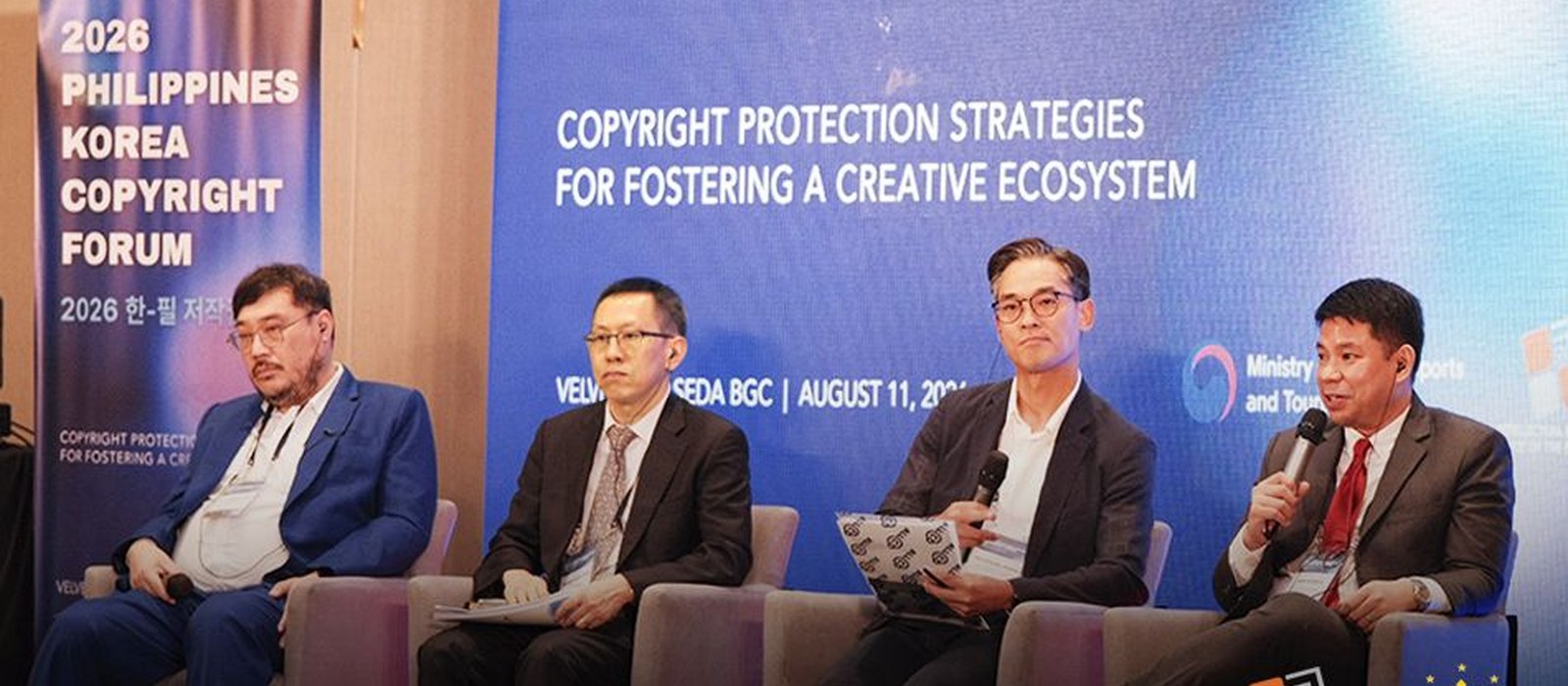
The Philippines-Korea Copyright Forum puts rights data at the centre of the AI payment problem
The Philippines-Korea Copyright Forum put rights data at the centre of the AI payment problem: uploads with wrong or missing ownership can’t be matched, so the money sits unpaid. The Mechanical Licensing Collective has held hundreds of millions in unmatched funds since before AI. Korea built a national rights database in 2020.
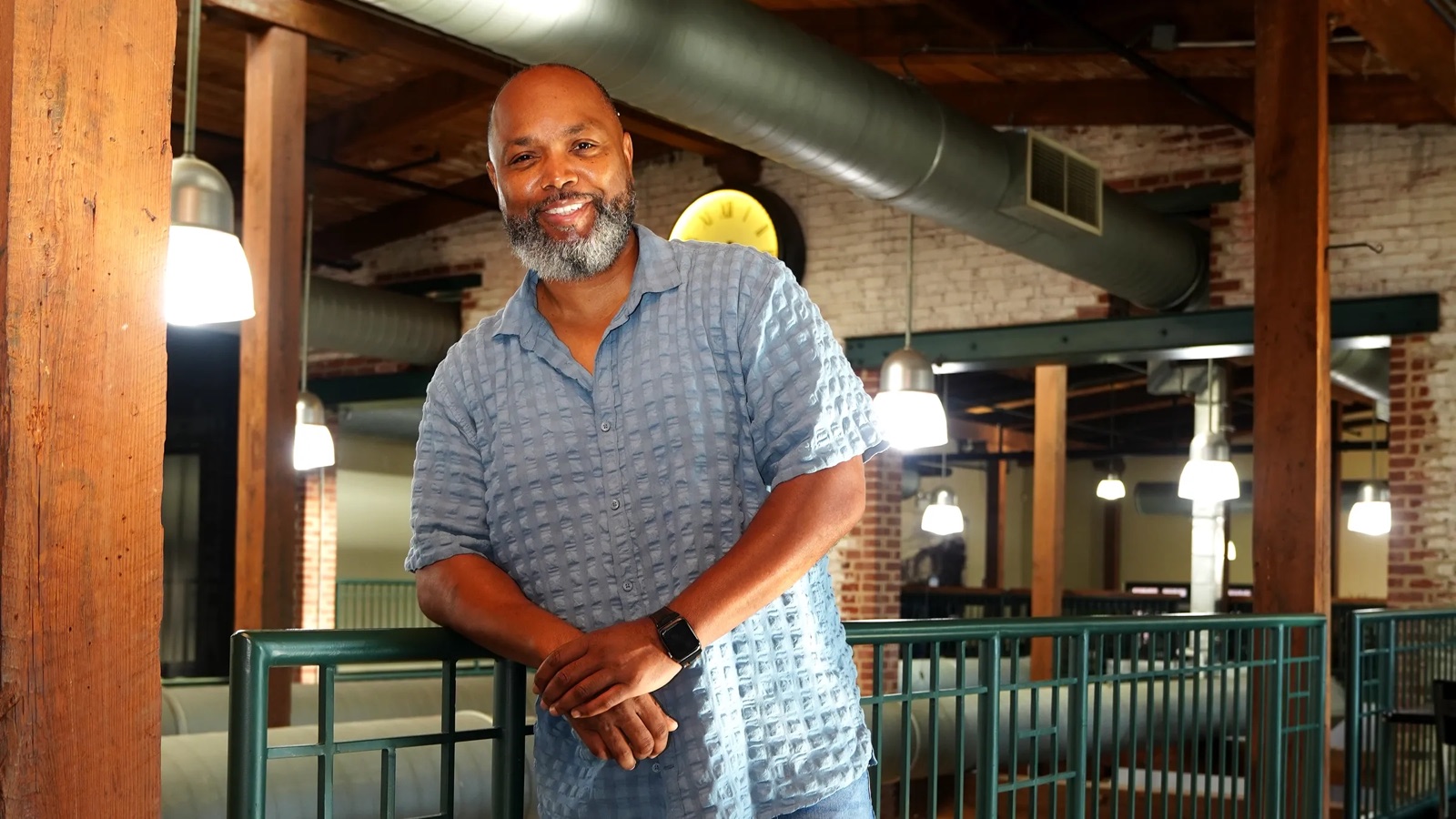
Samori Coles directs AI music videos after 30 years making records
Samori Coles, 30 years a record producer, now directs AI music videos, including the video for “Love Notes,” the No. 1 record on the SIQA AI R&B chart. His line: “I don’t chase the tools. I direct them.”
Top Story: a zero-royalty rule for AI music has to find its target first

AI music should be labelled and still paid. The money to cut off belongs to the farms, and you can find them without touching the format.
Gust Moons, a Belgian artist manager, argued the opposite in Hypebot on August 25. He argues honestly, so he gets a real answer. He bundles 3 decisions into one sentence: label it, keep it off charts, pay it nothing. Labels are done: Spotify, Apple Music, Tidal and Luminate all ship one. Charts should stay open, because a chart records what reached listeners. Payment is the only decision still live.
“My opinion is simple: fully AI-generated tracks shouldn’t earn royalties. Not fewer royalties. None,” Gust Moons wrote in Hypebot.
His rule rests on 2 beliefs. A prompt isn’t effort, so it shouldn’t earn like effort. And fully AI output carries stolen training data, so cutting it off is how the industry refuses to pay for theft.
Effort stopped being measurable before AI arrived, and “Espresso” shows it
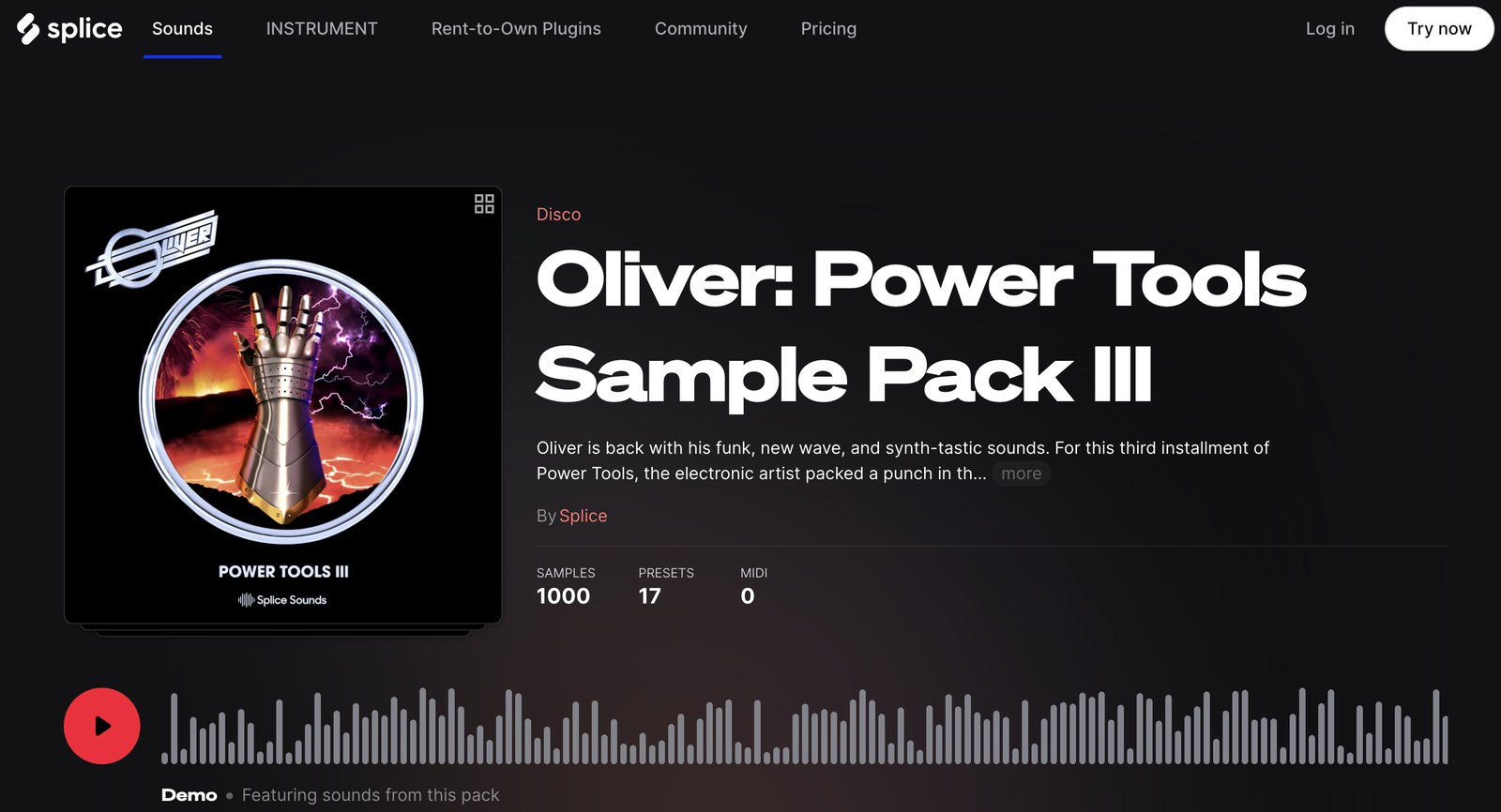
Open Splice, find Oliver’s Power Tools Sample Pack III, and play “105 Drum Loop Disco Live Feel.” That’s the beat of Sabrina Carpenter’s “Espresso,” a Grammy winner and a Billboard Global 200 No. 1. The record sits on 3 licensed loops, and nobody has ever questioned its royalties. A loop bought from Splice and a loop generated by a licensed model are the same object: cleared, credited, and paid for. Whatever effort a rule wants to reward sits in the song written on top, and the master doesn’t record it.
Delphos, Veena, Lemonaide AI and Eleven Music broke the theft link
Delphos, Veena, Lemonaide AI and Eleven Music all generate from licensed or owned data. A track out of a cleared model has nothing stolen in it. Unlicensed scraping is still theft. A ban on the output is the wrong tool for that fight.
81.4% of classified AI music carries a human author
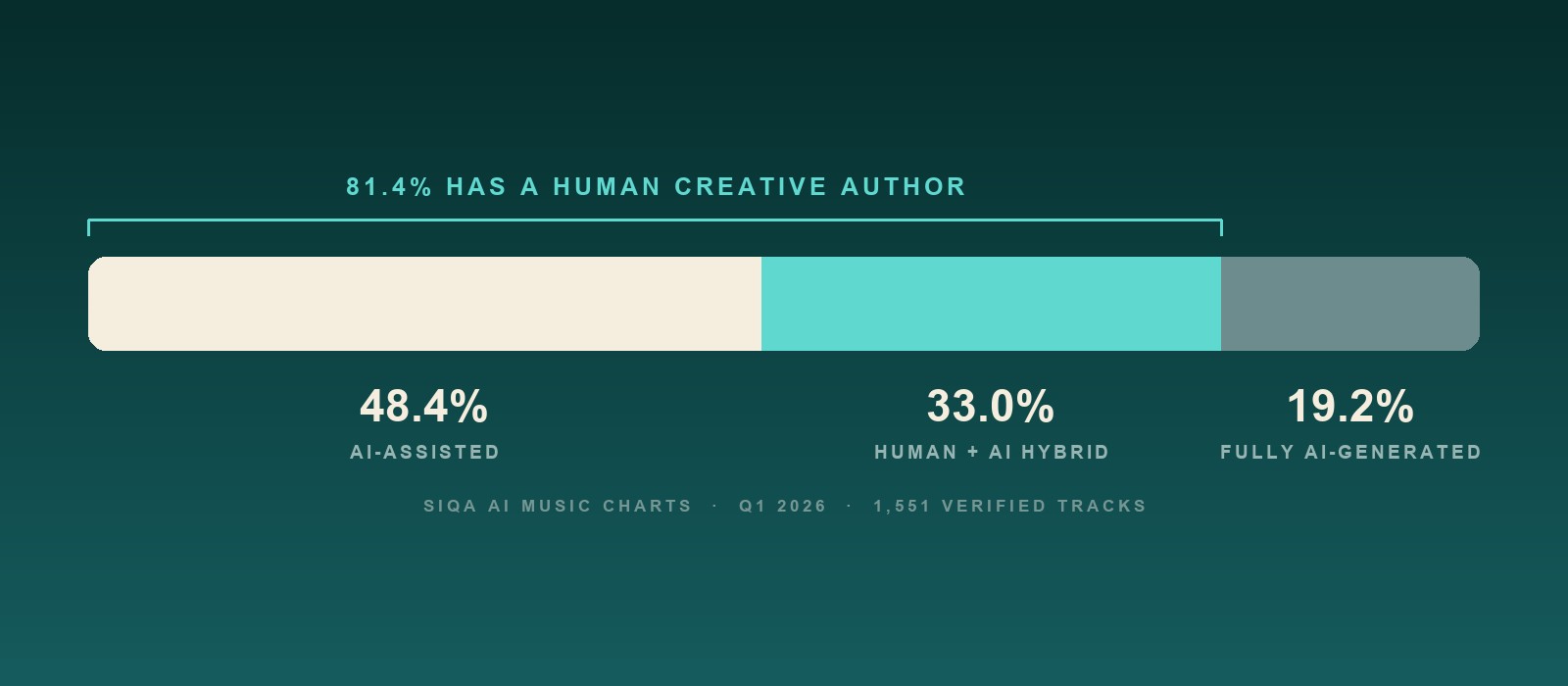
81.4% of classified AI music carries a human author: 48.4% AI-assisted plus 33.0% hybrid, across 1,551 verified tracks in SIQA’s Q1 2026 dataset. Fully AI-generated is 19.2%. China Styles and Xania Monet write their own words and let the machine sing them. Nobody sees their struggle, and I don’t believe silencing them is the way to go. A zero-royalty rule has to find the 19.2% by listening to the master, and no audio file records who wrote the lyrics.
Cut the behaviour, keep the format: 4 things a rule can actually check
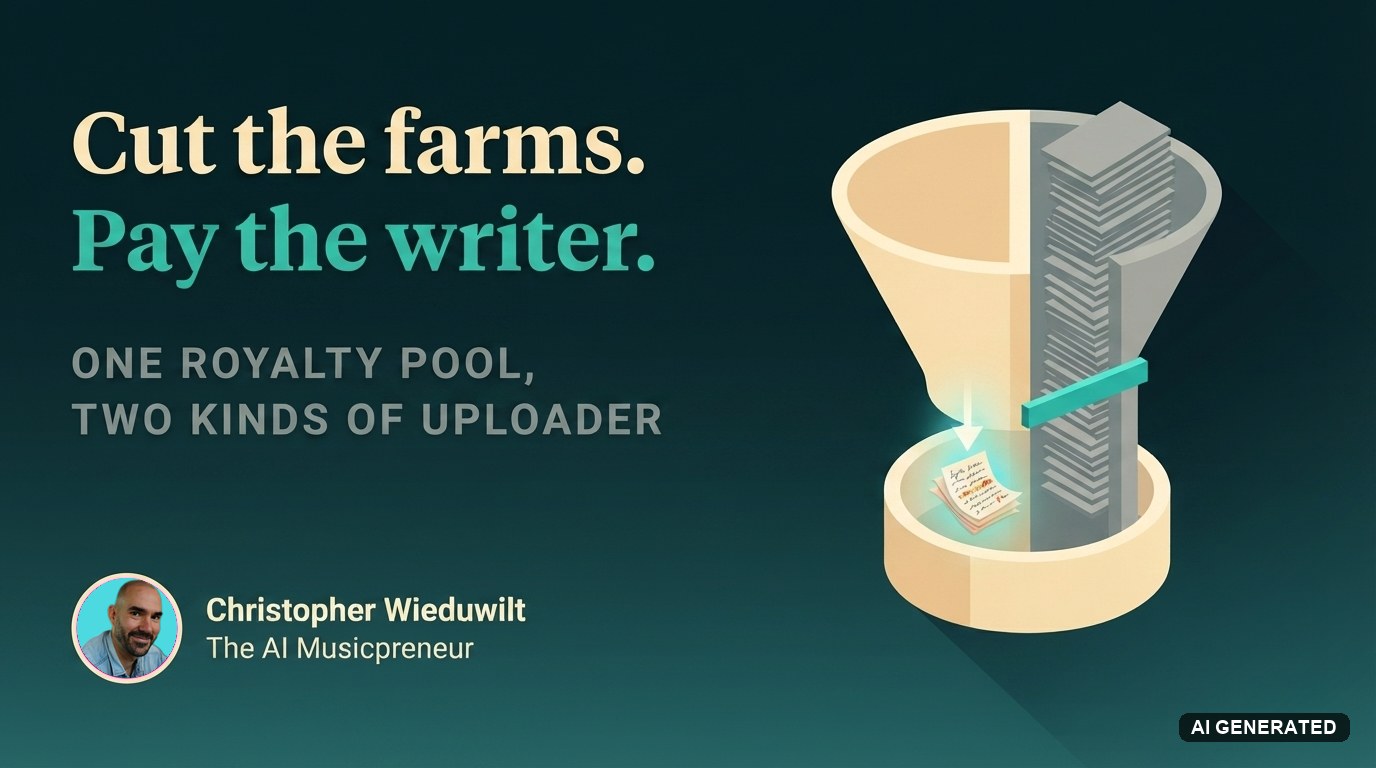
Four things are checkable:
- Volume farming: hundreds of uploads a month with no release intent
- Undisclosed AI where the operator denies it
- Bot-driven streams
- Fabricated credentials
River Cain is the line. 5 charting singles as an AI country act is fine. The fabricated America’s Got Talent footage is a claim about the physical world, and it’s false.
Pay by behaviour and some farm money gets through. I’ll take that. Cutting off 81.4% of the field to catch one operator is the more expensive mistake.
Label the track. Pay the songwriter. Chase the farms.
→ The full argument, including the 4 voice cases
AI Music Lawsuit Tracker: Suno lost a motion, and Round Hill wants the model weights
Three cases moved this week. RIAA v. Suno, RIAA v. Udio, GEMA v. Suno and the indie artists’ case against Udio did not.
Indie artists v. Suno: dismissal denied, copyright and DMCA claims head to discovery
Judge Saylor denied Suno’s motion to dismiss the indie artists’ copyright and DMCA claims on August 26, and killed only the Tennessee consumer protection count. Suno had argued an artist must produce the AI song built from their music before the case can start. The judge rejected that, so the case heads into discovery. My full breakdown of the ruling.
Round Hill v. Suno and Round Hill v. Anthropic: the complaints ask for the model weights
Round Hill’s complaints against Suno and Anthropic ask the court to seize or destroy model weights and servers, not only training files, and claim $75 million from Bright Data alone (500 works at the $150,000 statutory maximum). On August 27, Suno and Anthropic each opposed treating the 2 suits as related.
AFM v. the majors: Warner Music Group Corp. dropped, 3 labels stay in
The musicians’ union dropped Warner Music Group Corp. from its case against the majors on August 24, leaving Warner Records, Atlantic and Universal in. Bookkeeping, not a settlement: the July 27 amended complaint had already swapped the parent out.

→ Full case files and timelines
One thing to do this weekend: pull a record you know inside out into its separate parts
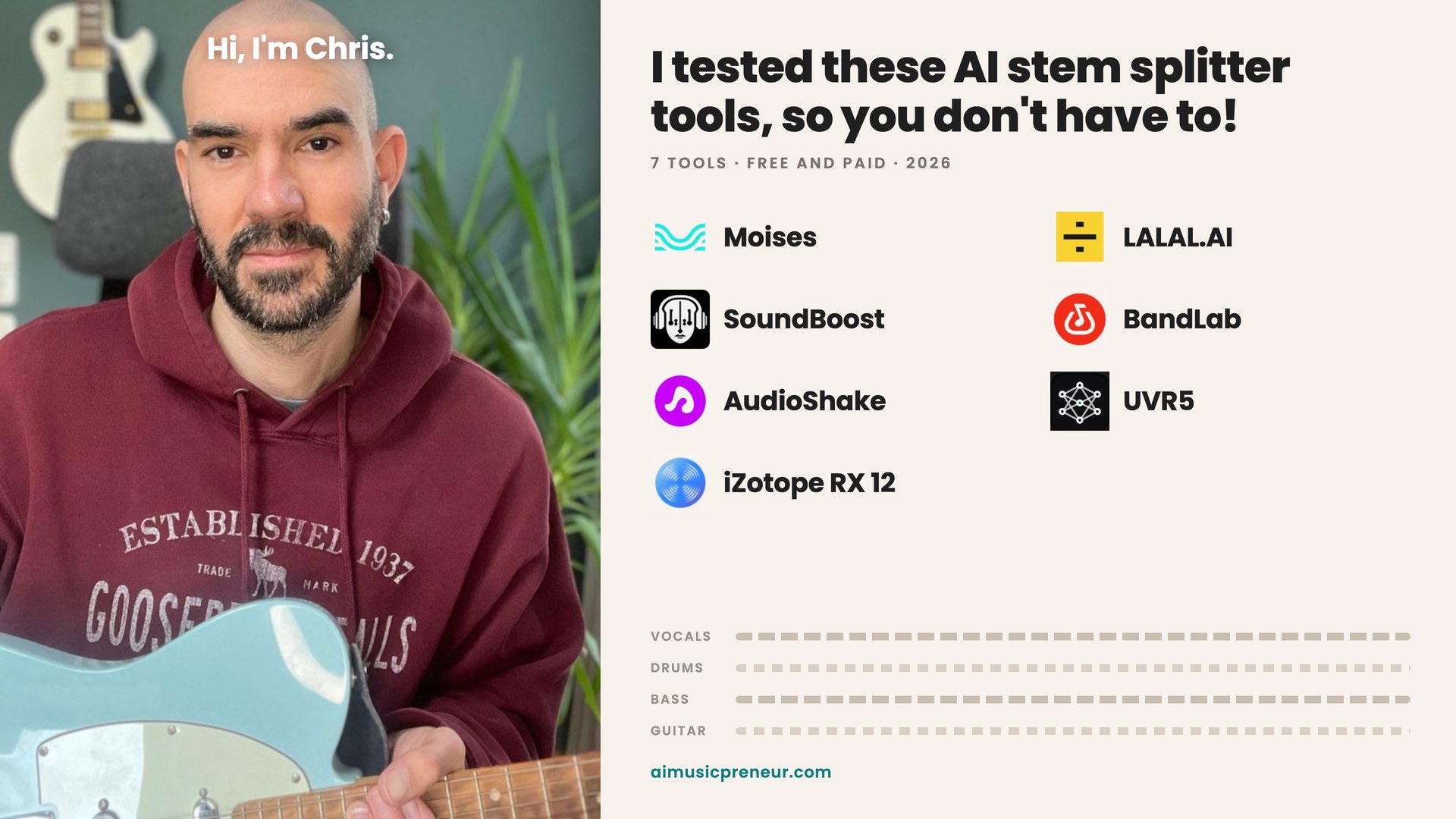
My Top Story argues the work in AI music happens in the deciding. A stem splitter proves that in 5 minutes: it pulls a song into its separate parts, vocals on one track, drums on another.
My updated roundup of the best AI stem splitters went live today. Pick one, run a track you know well, and solo each part. You hear what the producer kept and what they killed.
Free start: SoundBoost gives you 5 stems with MP3 export and no signup for the preview. It genuinely does a good job if you feed it a proper WAV file (a file without any effects will be best). 7-stem splits and HD WAV exports need a subscription, from $16 a month.
About The AI Music Briefing
The AI Music Briefing is a weekly Friday read for music industry professionals working at the intersection of AI and the traditional music business. Curated and written by Christopher Wieduwilt, founder of The AI Musicpreneur. Browse every issue of the briefing.
Got a tip, a story, or a partnership idea? Reach out any time. Every message lands directly in my inbox.
— Christopher
About the author
Covering AI music tools, industry shifts, and news for music creators and professionals. Twice-weekly newsletter at aimusicpreneur.com.