Label AI music, don't demonetize it. Take the money from the farms instead
My stack My fav 6 tools for AI music after testing 70+
-
 ElevenMusic · Music generation
 -
 Moises · Stem separation
 -
 Controlla · Voice swap & cloning
 -
 Cryo Mix · Mixing + mastering
 -
 Neural Frames · Music videos
 -
 ONCE · Distribution
Some links are affiliate links — I earn a commission at no cost to you. Every tool here is one I run myself and truly believe in. This stack is proven.
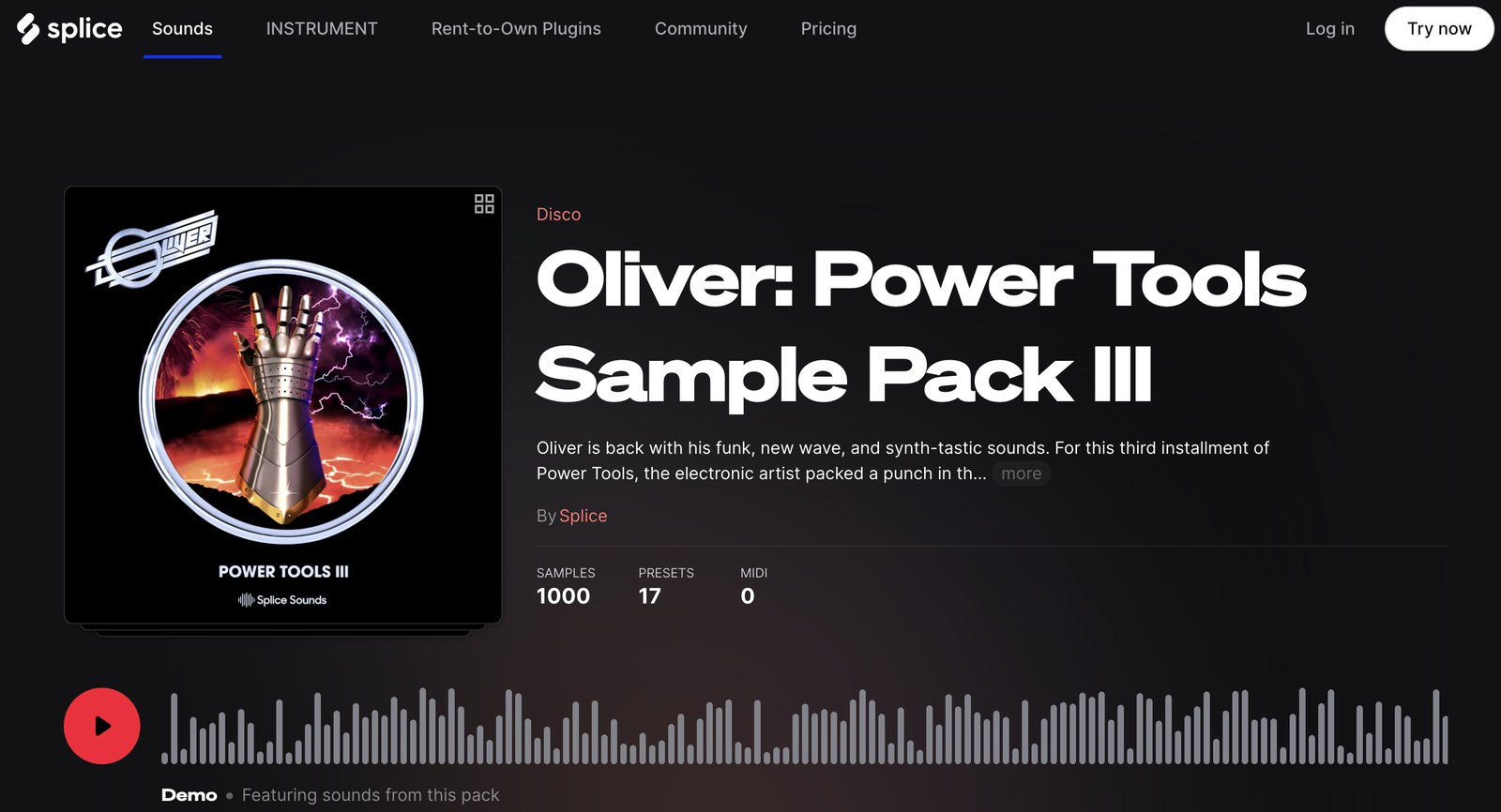
Open Splice. Search for Oliver’s Power Tools Sample Pack III, and just play the loop called 105 Drum Loop Disco Live Feel.
You’re now listening to the beat of Sabrina Carpenter’s “Espresso,” a Grammy winner for Best Pop Solo Performance and a No. 1 on the Billboard Global 200.
Hold onto that for a minute, because it decides the argument I want to have with Gust Moons.
Moons is a Belgian artist manager and music marketer. On August 25 he published a piece in Hypebot arguing gen-AI music is the end of the artist economy, and his central proposal is about money.
My opinion is simple: fully AI-generated tracks shouldn't earn royalties. Not fewer royalties. None.
I’m answering this one and not the twenty other pieces saying something similar, because Moons argues honestly. He tells you where his money comes from, he concedes the parts that hurt his case, and he does not pretend the people he disagrees with are stupid. That deserves a real answer rather than a subtweet.
Where Gust Moons is right
He made the case on camera before he wrote it down, so you can hear him make it himself rather than take my summary for it.
He is right that deception needs consequences. He is right that AI work passed off as human is a problem with a name and a fix. He is right that these companies can be regulated, since they run on servers, distributors and platforms, all of which answer to somebody.
He also draws a line most of his critics never notice he draws.
I'm not against AI as a whole. I use it for practical things all the time. Using AI to help with a boring task is not the same as generating an entire song, uploading it under an artist name and pretending you made it.
He carves out the human who used AI as one part of the process and calls it “a different conversation.” So the gap between his position and mine is narrower than the volume of this whole debate suggests. What’s left is who lands inside that carve-out, and whether anyone downstream can tell.
Three separate proposals get argued as one
Moons bundles three decisions into a single sentence: label it, keep it off charts and recommendations, pay it nothing.
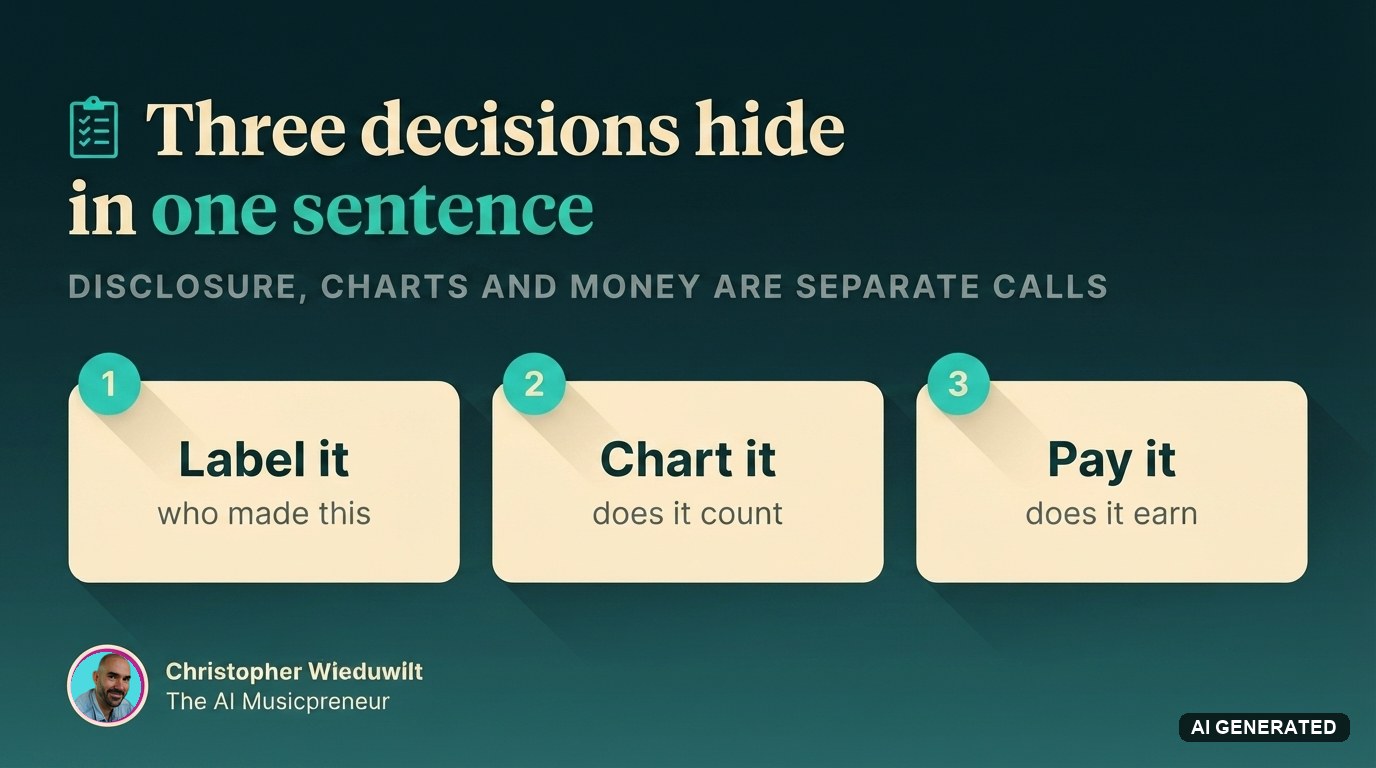
Disclosure is finished as an argument. Spotify is badging AI personas, Apple Music is tagging tracks, Tidal labels wholly AI-generated music, and Luminate is flagging AI inside CONNECT. The platforms decided. Arguing about whether a tag should exist is arguing about last year.
What the tag says is the live question, and one flat “AI generated” mark across everything erases the lyric writing, the prompting of individual stems in Suno Studio, and the 150 takes thrown away to keep one.
Charts are a third call. I’m against pulling AI music out of them. A chart records what reached listeners, and if a song is connecting with people, the number is the number. Put the label on it and let it stand.
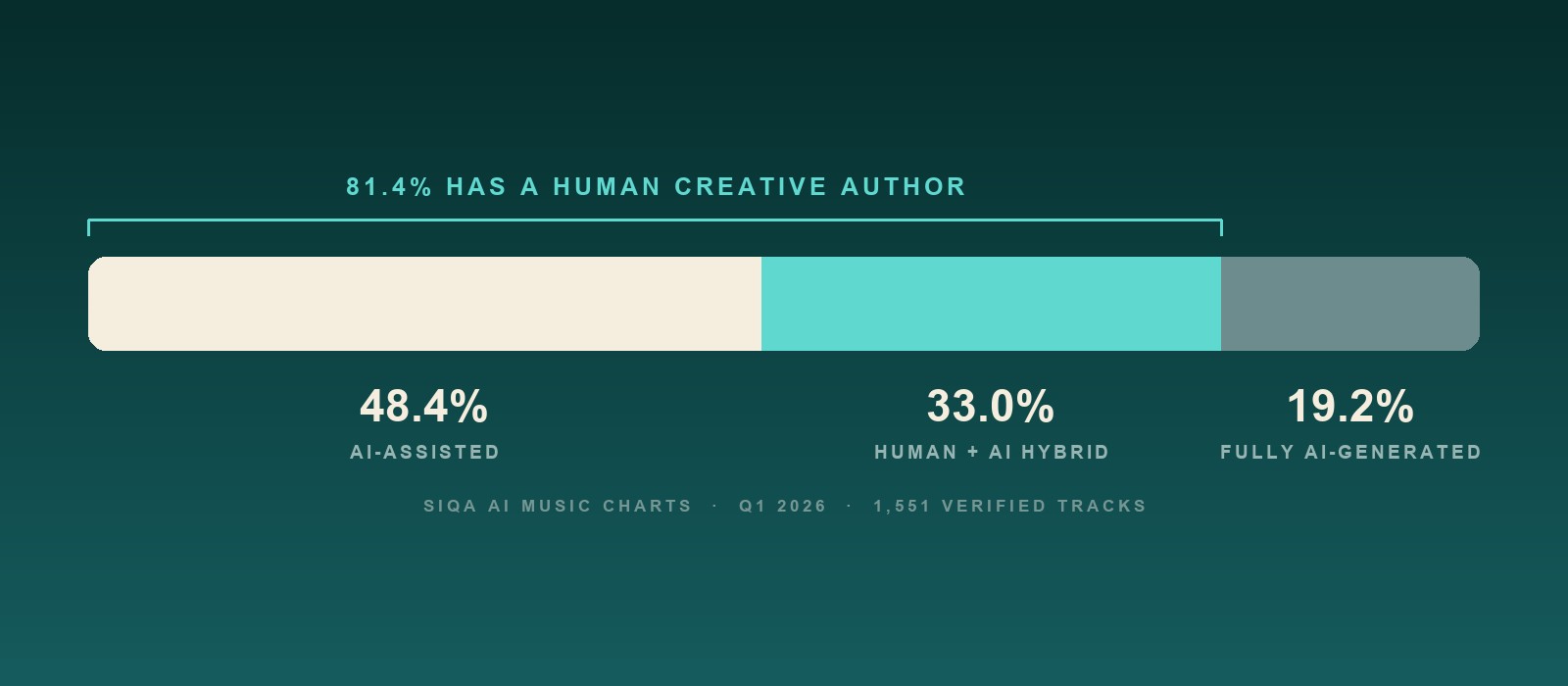
81.4% of charting AI music has a human author
Here’s what the zero-royalty rule runs into.
SIQA classified 1,551 verified tracks in Q1 2026 and split them three ways. Fully AI-generated came in at 19.2%. AI-assisted, where a human supplied the original creative input and usually wrote the lyrics, came in at 48.4%. Human and AI hybrid took 33.0%.
Two caveats, both mine to declare. I sit on SIQA’s Creative Advisory Council, so weigh the source accordingly. And that’s Q1 data. I don’t have a Q3 breakdown, I can’t tell you whether the split has moved since, and I’d want a fresh one before anyone writes a rule on top of it.
What I can tell you is who sits in the 81.4%. Xania Monet and China Styles write their own words and let the machine sing them. So do Olivia B. Moore and Delana Hope. Under Moons’ own carve-out, every one of them should be paid.
Effort stopped being measurable long before AI arrived
The moral engine of the zero-royalty argument is effort. Typing a prompt is not writing, singing and producing, so it shouldn’t earn like writing, singing and producing.
Back to that Splice loop.
“Espresso” is built on three loops anyone can license, all from Oliver’s Power Tools Sample Pack III, and producers rebuilt the track from them on TikTok once they worked it out. MusicRadar covered the discovery and the loops are logged on WhoSampled. Julian Bunetta produced it, the bassline was played in the studio, and Carpenter wrote the song with Amy Allen and Steph Jones. A real record, a real hit, and nobody has ever questioned its royalties.
Splice put a camera on Oliver, the producer whose pack those loops came from, and let him hear where they ended up.
Critics did not treat it as a lesser record for being built that way. Lindsay Zoladz put it at No. 1 in her New York Times songs of 2024. The Guardian had it 2nd, Billboard 3rd, Rolling Stone 4th, Pitchfork 7th. A beat assembled from three loops off a subscription site swept the year-end lists, and the question of how the drums got there never came up.
There’s one more turn in this. Splice, the platform those loops came from, is now an AI company itself. It cut staff to refocus on AI tools and bought Kits AI for voice cloning. So the same catalog feeding a Grammy-winning single is being fed into models. Drawing a hard line between “sample marketplace” and “AI company” stopped being possible somewhere around last year.
Now swap those three Splice loops for three AI-generated loops. Same producer, same played bassline, same four writers, same vocal on top. Does it stop earning?
Of course it doesn’t. It’s AI-assisted, exactly as it was Splice-assisted. The only thing that changed is where the loop came from, and pre-made loops have been fine since the Amen break.
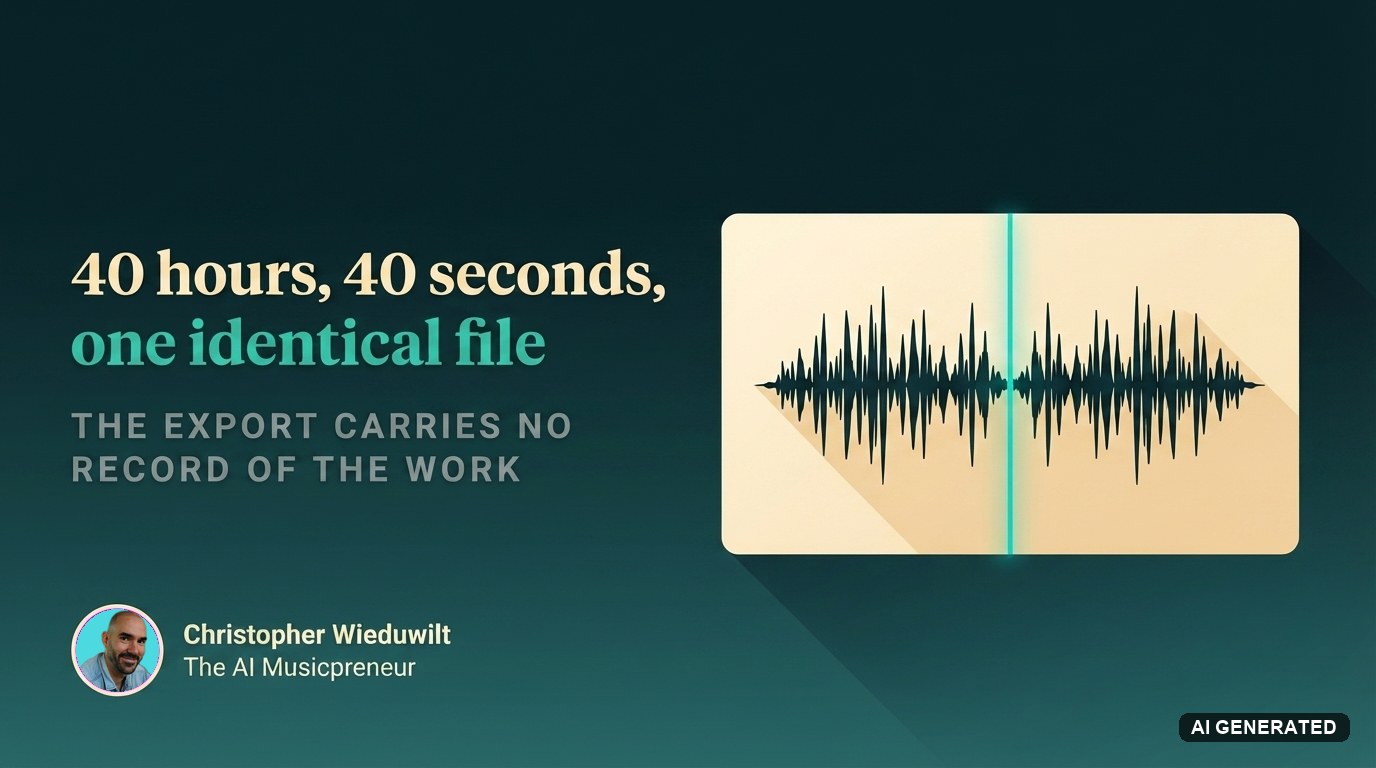
Which brings me to the thing I should admit before I go further, because it undercuts my own side as much as his. I cannot hear the difference. Play me a track a songwriter wrote and rebuilt across 40 hours of prompting and stem surgery, then play me one somebody generated in 40 seconds, and I will get it wrong a decent share of the time. Neither can Spotify. Neither can a distributor. Neither, I would bet, can Moons. A finished master is a photograph of the studio after everyone’s gone home: you can see the desk, you cannot see the 149 takes in the bin.
So any royalty rule sorted by effort ends up sorted by whatever the operator typed into a metadata field at upload. It lands on the honest and slides straight past the liar.
Licensed generators broke the “fully AI means stolen” link
The second engine of the argument is theft. Fully AI-generated output carries stolen training data inside it, so cutting it off is how the industry declines to pay for what was taken.
Training provenance and output category stopped being the same axis. Delphos, Veena, Lemonaide AI and Eleven Music all generate from licensed or owned data with rights holders paid. A fully AI-generated track out of a cleared model has nothing stolen in it. A human-performed record, meanwhile, can carry a scraped model in the demo phase or inside one replaced stem.
None of that softens the training fight. Unlicensed scraping is theft dressed up as innovation and I’ve never argued otherwise. It does mean a ban on the output is the wrong instrument for it.
The drum machine was going to end session drumming, and drummers still play on hit records and still fill rooms. Napster was going to end recorded music. Sampling was going to be uncontrollable theft, and clearance turned it into a licensing market inside a decade. AI is a bigger beast than any of those, and the pattern I trust is a fix arriving through licensing plumbing rather than prohibition.
Facelessness was settled decades ago
Peel the money argument back and a lot of the anger at AI artists is pointed somewhere else: at an act with no person visible behind it.
Gorillaz are four drawings. Hatsune Miku is a voice bank with a hologram tour. Daft Punk spent a career in helmets, Deadmau5 wore a mouse head for years, and Slipknot perform in masks. Not showing your face has been an accepted choice for as long as there has been a music industry, and in several of those cases it was the entire appeal.
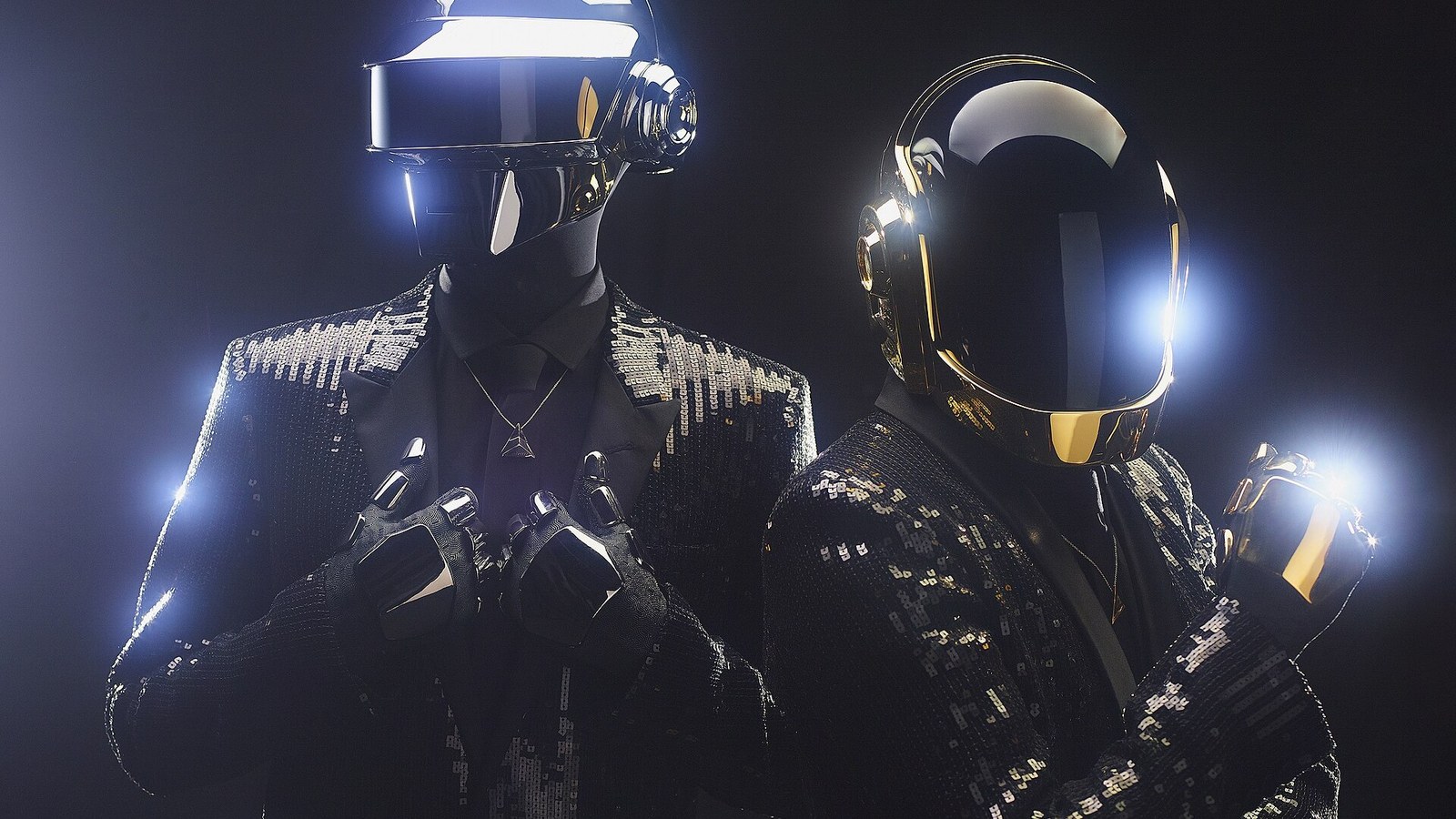
So the objection is not anonymity. Strip that away and what’s left is the voice.
So is the objection the synthetic voice?
Four cases, and they are not equivalent.
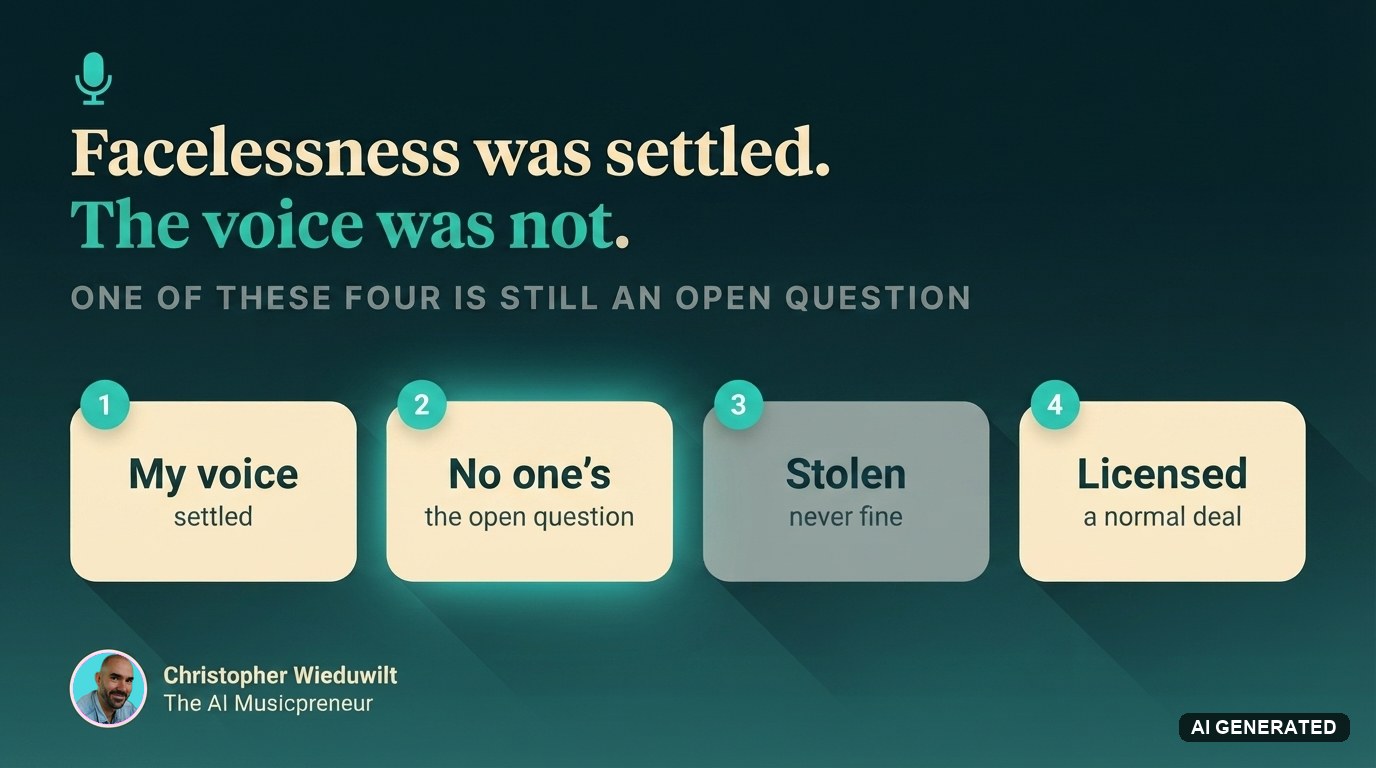
- Your own voice, cloned. Settled. This is processing your own performance, the same lineage as Auto-Tune, the vocoder and Melodyne. An AI avatar fronting a clone of its operator’s own voice is a mask over a real performance, which is Gorillaz with better tooling.
- A wholly synthetic voice belonging to nobody. Unsettled, and this is where the discomfort sits. No performance underneath it, no person whose instrument it is. I don’t think it’s wrong. I think it’s new, and neither camp has argued it honestly yet because both keep arguing about facelessness instead.
- Someone else’s voice without consent. Not fine, and not a grey area. It’s why SIQA excludes fraudulent covers from its charts.
- Someone else’s voice, licensed. A commercial deal like any other, fine when the artist said yes.
Naming the voice question moves this from taste to consent. Authenticity arguments have lost every time a new instrument showed up. Consent arguments win.
Who should lose the money
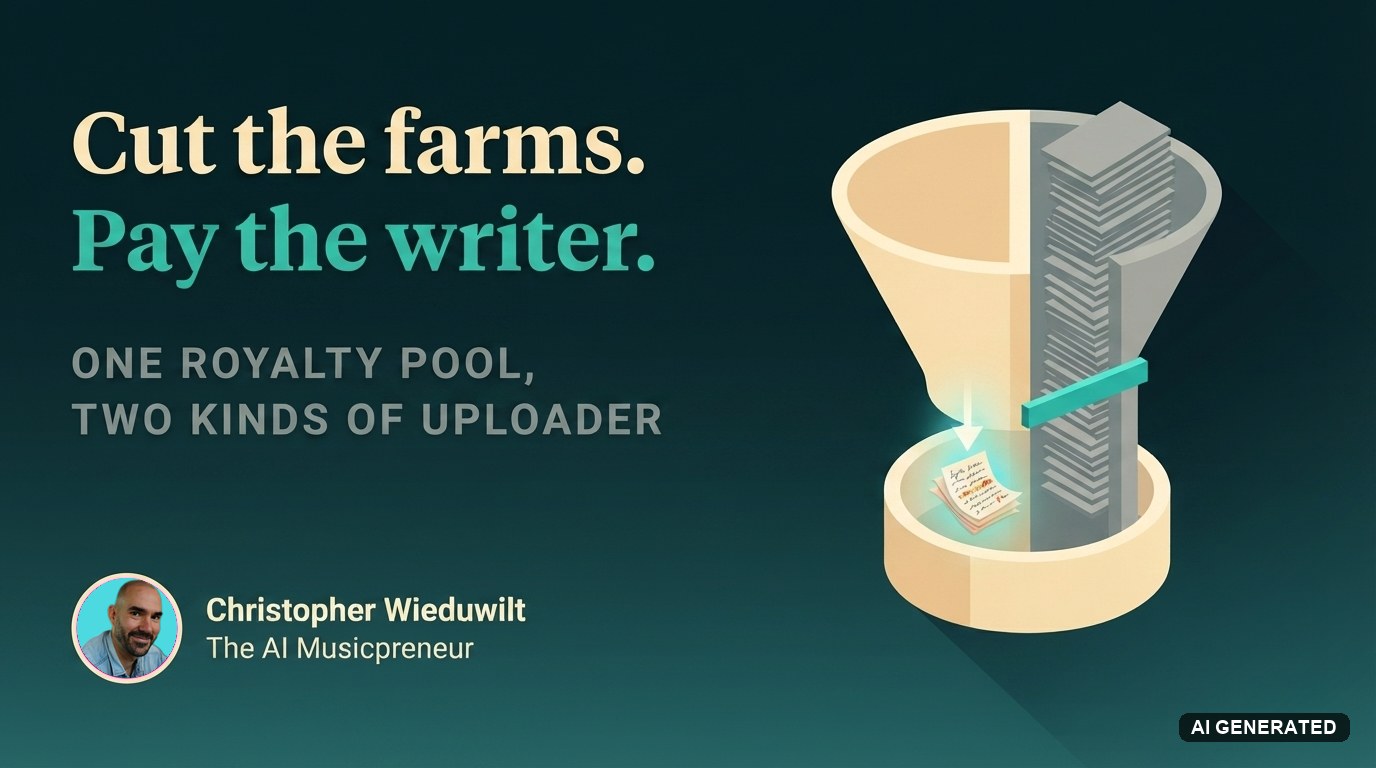
There are people who should be cut off, and you can find them without touching the format.
Volume farming, meaning hundreds of uploads a month with no release intent, built to harvest fractions of a cent at scale. Undisclosed AI where the operator denies it outright. Bot-driven streams. And fabricated credentials, which do the most reputational damage of the four.
River Cain is the example I keep returning to. Five charting singles as an AI country act, and I have no problem with any of that. The problem is the fabricated America’s Got Talent footage: a performance on a stage the act never stood on, in front of judges who never saw it. A fictional persona is a creative choice as old as Ziggy Stardust. A fabricated television appearance is a claim about the physical world, it’s checkable, and it’s false.
That behaviour poisons the well for every AI artist releasing honestly. It hands critics a real example and turns their weakest argument into their strongest.
Here’s the cost of my own position, and I’d rather name it than have it named for me. If you pay by behaviour instead of by category, some farm money gets through. A patient operator who uploads at a human pace, declares the AI, and never fakes a credential will collect. I think that’s the cheaper mistake. Cutting off 81.4% of the field to catch that person is the expensive one.
The other half needs saying too. Plenty of principle-writing about AI music comes from people with no working contact with the artists doing it. They rule on the category from outside, describe the people inside it as garbage, and produce standards nobody in the practice recognises. Stigmatising a whole group is not enforcement, and it makes honest operators less likely to disclose anything, which sinks the labelling project everyone claims to want.
Where Gust Moons and I part
Moons closes by saying a future where artists use new technology can still be a future for music, and a future where the artist is no longer needed is something else. I agree with the sentence. I don’t agree the second future arrives by withholding royalties from the people who wrote the words.
The case I can’t close is the second one on that list of four, a voice belonging to nobody. I don’t have a clean answer to it, and I’d rather say so than pretend all four resolve neatly.
None of that is why this piece exists, though. I’m writing it because I keep meeting people who found a way to say something they’d been carrying for years, and the first thing this industry did was argue about whether they deserve to be paid for it.
Frequently asked questions
What did Gust Moons argue about AI music royalties in August 2026?
Writing in Hypebot on August 25, 2026, the Belgian artist manager argued fully AI-generated tracks should earn no royalties at all, in his words "not fewer royalties, none." He also called for AI music to be labelled, excluded from charts and recommendation systems, and for consequences when AI work is passed off as human.
What share of charting AI music is fully AI-generated?
SIQA classified 1,551 verified tracks in Q1 2026 and found 19.2% fully AI-generated, 33.0% human and AI hybrid, and 48.4% AI-assisted. That puts 81.4% of the field in categories where a human supplied creative authorship, most often by writing the lyrics.
Can a streaming platform tell whether a song was made with AI or by a human?
Not from the audio. A track written over 40 hours and rebuilt stem by stem exports as the same file as a one-prompt generation. Platforms rely on what the distributor declares at upload, which is why a royalty rule based on how much AI was used gets enforced on the honest and missed on the dishonest.
Should AI-generated songs be banned from the charts?
I argue no. A chart records what reached listeners. If a song is connecting with an audience, the number is the number, and the honest fix is a label on it rather than removal from it. Australia's ARIA took the opposite route in August 2026 by barring wholly AI-generated recordings.
Which AI music tools are trained on licensed data?
Delphos, Veena, Lemonaide AI and Eleven Music all state they train on licensed or owned material with rights holders paid. Their output is fully AI-generated and carries no scraped catalog inside it, which separates the training question from the output question.
About the author

Covering AI music tools, industry shifts, and news for music creators and professionals. Twice-weekly newsletter at aimusicpreneur.com.