Jamendo refiles its AI-training lawsuit against Nvidia days after dropping the first, still seeking €17.8M
My stack My fav 6 tools for AI music after testing 70+
-
 ElevenMusic · Music generation
 -
 Moises · Stem separation
 -
 Controlla · Voice swap & cloning
 -
 Cryo Mix · Mixing + mastering
 -
 Neural Frames · Music videos
 -
 ONCE · Distribution
Some links are affiliate links — I earn a commission at no cost to you. Every tool here is one I run myself and truly believe in. This stack is proven.
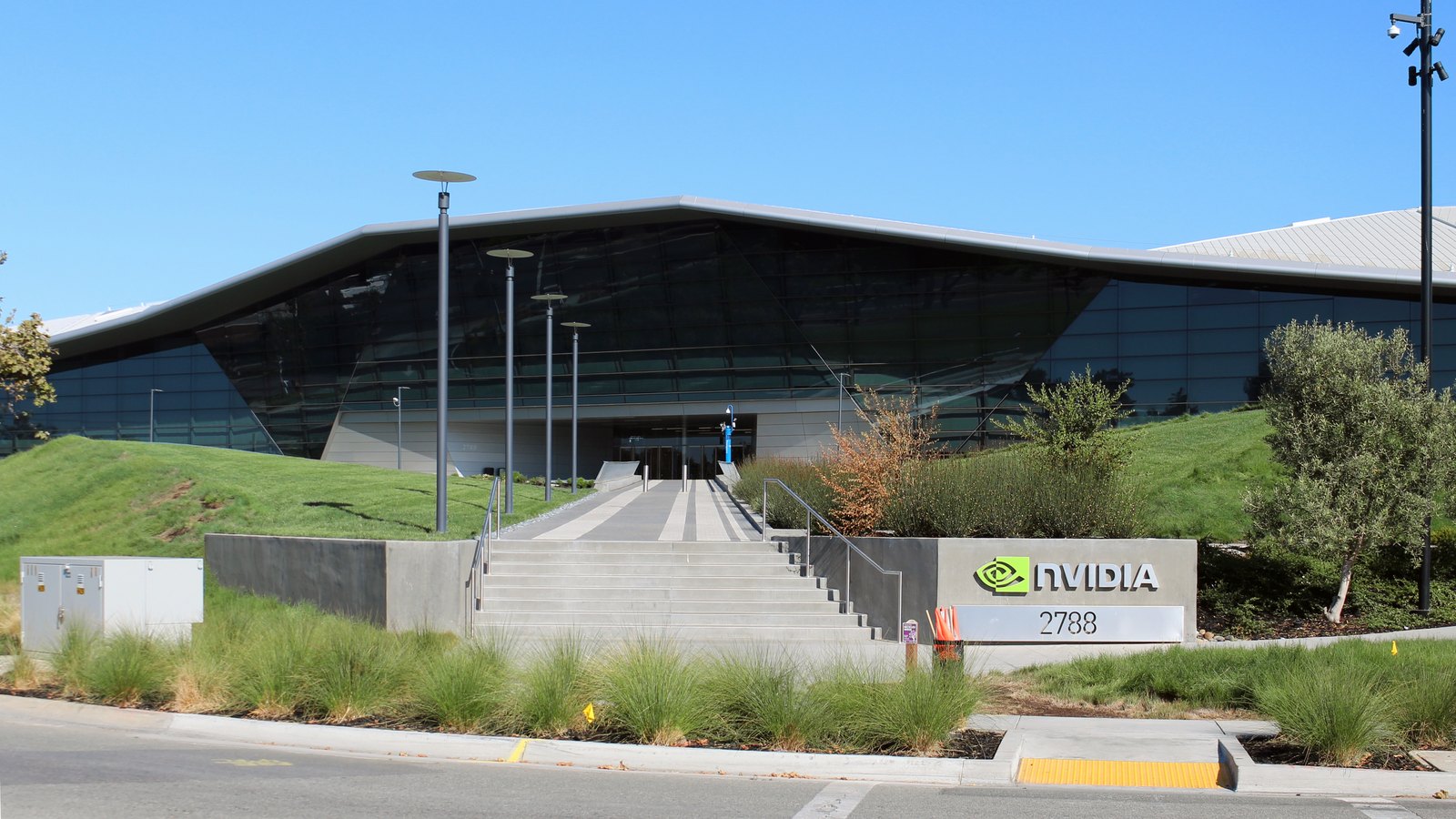
Jamendo is suing Nvidia again. The Winamp-owned music licensing platform filed a new copyright complaint against Nvidia in the Northern District of California on October 12, 2026, days after it voluntarily dismissed the case it filed in June.
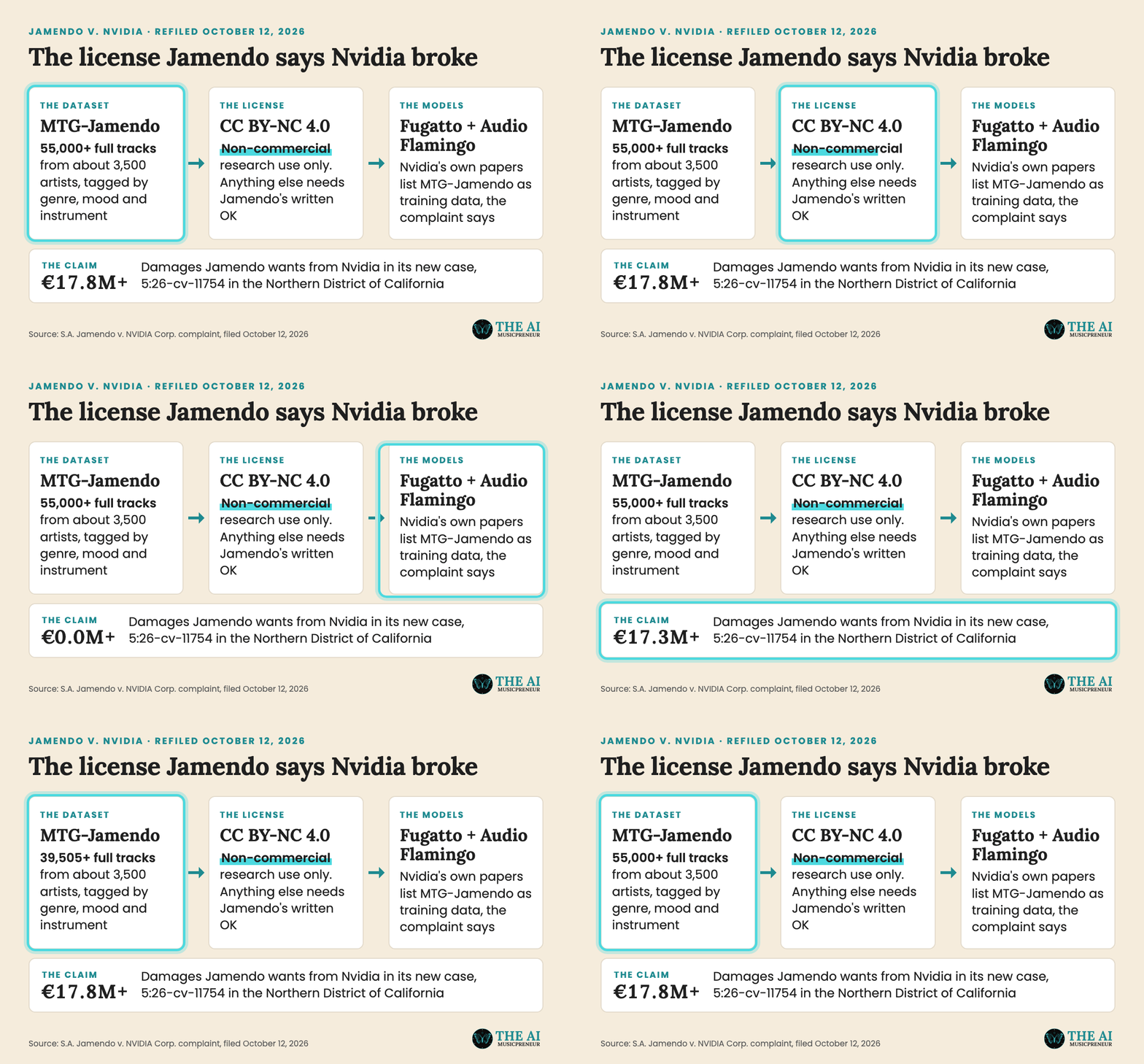
The claim itself hasn’t moved. Jamendo says Nvidia trained its Fugatto and Audio Flamingo audio models on the MTG-Jamendo dataset, which was licensed for non-commercial research only, and it wants no less than €17.8 million.
So why start over? Nobody has said. The litigation tracker ChatGPT Is Eating the World called it odd that Jamendo filed a fresh case instead of amending the old one.
The new case runs as 5:26-cv-11754, and it starts from the beginning.
What Jamendo’s new complaint against Nvidia says
The case still turns on one license. The MTG-Jamendo dataset was built around 2019 with the Music Technology Group at Universitat Pompeu Fabra in Barcelona. It holds more than 55,000 full tracks from about 3,500 artists, tagged by genre, instrument and mood, and it sits on GitHub under a Creative Commons BY-NC 4.0 license.
That “NC” means non-commercial. The repository adds that the dataset is for non-commercial research and academic use only, and that anything else needs Jamendo’s written authorization.
Jamendo says Nvidia’s own research papers name MTG-Jamendo as a training source for Fugatto and Audio Flamingo. Nvidia has described its training data as “exclusively comprised of open source data.” The complaint answers that a license restricting commercial use isn’t open source under the Open Source Initiative’s definition.
The new complaint carries the same 6 counts my June coverage of the first filing listed: 2 for copyright infringement, 2 for breach of contract, 1 for unjust enrichment and 1 for unfair competition.
One copyright count covers the dataset as a compilation. The other covers individual songs and recordings in an Exhibit A, tracks whose artists gave Jamendo the exclusive right to license them commercially. More than 65,000 artists have authorized Jamendo to license their music that way, according to the filing.
How Jamendo v Nvidia got here, from invoices to a Belgian court
The US case is the second front. Jamendo says it learned in March 2024 that Nvidia had used its data, then tried to negotiate a license through June 2025. When that failed, it sent invoices and took Nvidia’s Belgian subsidiary to court.
Nvidia answered the invoices only after notices of default, the complaint says, by arguing that no contract ever existed between the 2 companies. The Belgian case continues on its merits.
Jamendo has already walked away from one AI case this year. In August it dropped its lawsuit against Suno, which also claimed training on research-only Jamendo data. The Nvidia fight is still on, now under a new case number, and the question at its center is whether a “research only” tag on music binds the company that trains on it.
Frequently asked questions
Why did Jamendo refile its lawsuit against Nvidia in October 2026?
Jamendo has not said publicly. It voluntarily dismissed the case it filed on June 22, 2026 and filed a new complaint against Nvidia on October 12, 2026, case 5:26-cv-11754 in the Northern District of California, with the same core claims.
What did the Ghent court decide in Jamendo's case against Nvidia Belgium?
On June 11, 2026, the court in Ghent rejected Nvidia Belgium's objection to its jurisdiction and ordered the case to be heard on its merits. Nvidia Belgium still disputes Jamendo's invoice for commercial use of the MTG-Jamendo dataset.
When did Jamendo first ask Nvidia to pay for the MTG-Jamendo dataset?
Jamendo says it tried to negotiate a license from 2024 through June 2025, then invoiced Nvidia and Nvidia Technologies Belgium on September 29, 2025. A formal notice on October 14, 2025 demanded about €17.8 million, including 12% default interest and a 10% lump-sum indemnity.
What does the CC BY-NC 4.0 license on the MTG-Jamendo dataset allow?
It allows use for non-commercial purposes only. The dataset's GitHub page adds that it is made available solely for non-commercial research and academic use, and that any other use needs prior written authorization from Jamendo.
About the author

Covering AI music tools, industry shifts, and news for music creators and professionals. Twice-weekly newsletter at aimusicpreneur.com.