Jamendo sues Nvidia, claiming it trained AI audio models on a research-only dataset
My stack My fav 6 tools for AI music after testing 70+
-
 ElevenMusic · Music generation
 -
 Moises · Stem separation
 -
 Controlla · Voice swap & cloning
 -
 Cryo Mix · Mixing + mastering
 -
 Neural Frames · Music videos
 -
 ONCE · Distribution
Some links are affiliate links — I earn a commission at no cost to you. Every tool here is one I run myself and truly believe in. This stack is proven.
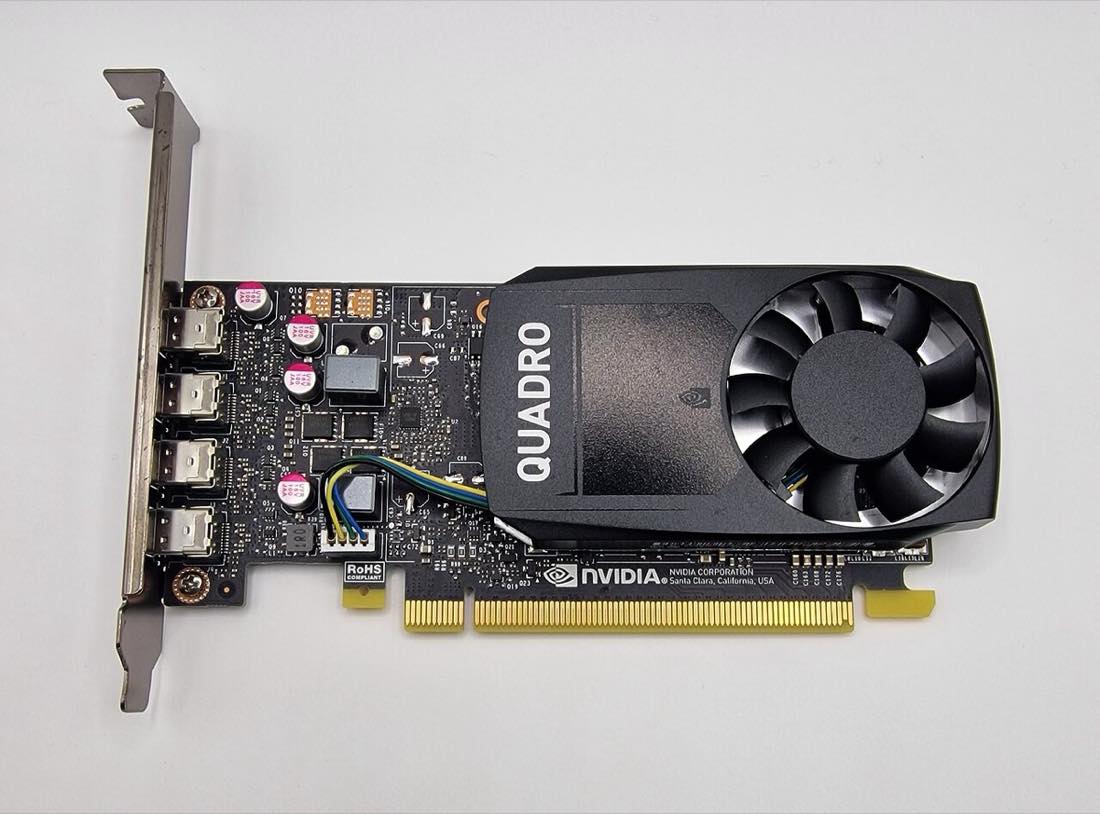
Jamendo, the music licensing platform owned by Winamp Group, sued Nvidia on June 22, 2026, claiming the chipmaker trained two of its AI audio models on Jamendo’s music without permission. The suit, filed in California federal court, targets a dataset that came with one clear string attached: research use only.
What Jamendo says Nvidia did
The complaint, filed in the Northern District of California, alleges Nvidia trained its Fugatto and Audio Flamingo audio models on the MTG-Jamendo Dataset. Jamendo says Nvidia’s own published research papers name that dataset as a training source for both models.
It brings six counts: two for copyright infringement, two for breach of contract, one for unjust enrichment, and one for unfair competition under California law. Jamendo is seeking an injunction plus actual damages and Nvidia’s profits of “no less than” €17.8 million (about $20.3 million), or statutory damages instead. It alleges the infringement was willful, which would push statutory damages up to $150,000 per work.
Why a ‘non-commercial only’ dataset is the crux
Here’s the detail that matters. The MTG-Jamendo Dataset isn’t a pile of scraped files. It was built around 2019 with the Music Technology Group at Barcelona’s Universitat Pompeu Fabra, posted on GitHub, and made of more than 55,000 Creative Commons tracks. It was released for non-commercial, research use only.
That’s the whole case in one line. The music was free to study. It was not free to train a commercial product on. Jamendo’s argument is that Nvidia took a research-only resource and fed it into models inside the world’s most valuable company.
This is the second front Jamendo signaled a year ago, when it threatened to sue both Nvidia and Suno. The filed complaint names only Nvidia.
What the Jamendo v Nvidia suit means for AI training
The defendant is the news. Most music AI-training fights so far have targeted the music-AI startups: Suno, Udio, the generators. This one points straight at the infrastructure layer, the company whose chips power most of the AI industry.
If a “non-commercial research” license is enforceable against a model trainer, every dataset built on those terms becomes a liability for whoever trained on it. That’s a much wider net than 560 label recordings.
Frequently asked questions
What is Jamendo's lawsuit against Nvidia about?
Jamendo, a music licensing platform owned by Winamp Group, sued Nvidia on June 22, 2026 in the Northern District of California. It alleges Nvidia trained two AI audio models, Fugatto and Audio Flamingo, on the MTG-Jamendo dataset without authorization, a dataset released for non-commercial use only.
What is the MTG-Jamendo dataset?
It's a research dataset of more than 55,000 full tracks tagged by genre, instrument, and mood, built around 2019 with the Music Technology Group at Universitat Pompeu Fabra in Barcelona and posted on GitHub. The music is Creative Commons licensed and the dataset was released for non-commercial use.
How much is Jamendo seeking from Nvidia?
Jamendo wants an injunction plus actual damages and Nvidia's profits of no less than €17.8 million (about $20.3 million), or statutory damages instead. Statutory damages run up to $30,000 per work, or $150,000 where infringement is willful, which Jamendo alleges.
About the author

Covering AI music tools, industry shifts, and news for music creators and professionals. Twice-weekly newsletter at aimusicpreneur.com.