The Philippines-Korea Copyright Forum 2026 put metadata at the centre of the AI music payment problem
My stack My fav 6 tools for AI music after testing 70+
-
 ElevenMusic · Music generation
 -
 Moises · Stem separation
 -
 Controlla · Voice swap & cloning
 -
 Cryo Mix · Mixing + mastering
 -
 Neural Frames · Music videos
 -
 ONCE · Distribution
Some links are affiliate links — I earn a commission at no cost to you. Every tool here is one I run myself and truly believe in. This stack is proven.
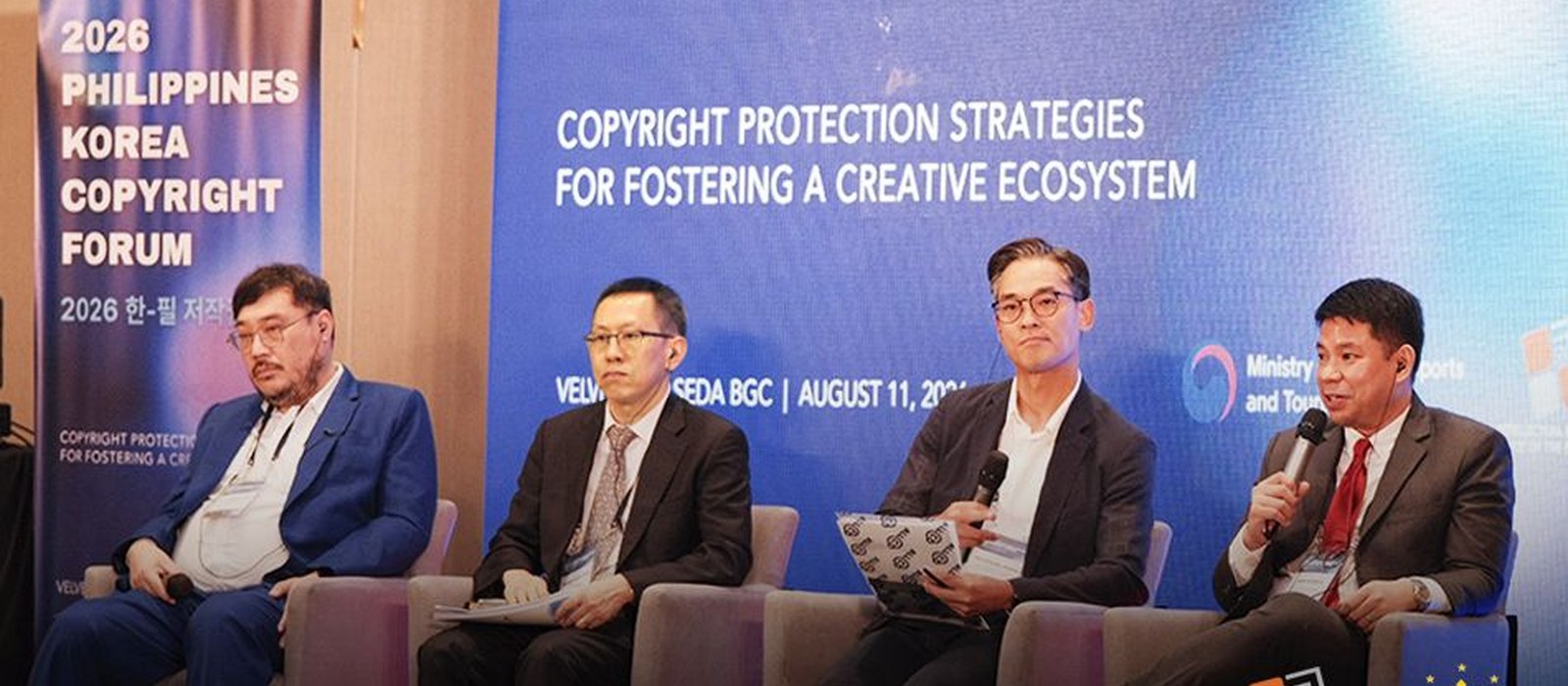
Officials from the Philippines and South Korea spent a day on AI music copyright and came out pointing at the same thing: the rights data. The 2026 Philippines-Korea Copyright Forum ran in Bonifacio Global City on August 11, 2026, organised by the Intellectual Property Office of the Philippines with South Korea’s Ministry of Culture, Sports and Tourism and the Korea Copyright Protection Agency, Newsbytes.PH reported.
That number is already behind. Deezer’s own reporting has since put AI past 50% of its daily uploads, and SubmitHub found 23.2% of a million July releases were fully AI-generated. The direction is settled. What the forum argued about is what happens to the money once that volume arrives.
Digital rights management is no longer just an administrative necessity, but the foundation for trust, accountability, and innovation.
Where AI uploads break the royalty chain
Ace Acosta, general manager of Philippines Recorded Music Rights, laid out the damage in three parts: royalty hijacking and fraud, manipulation of search algorithms, and revenue pools drained away from human creators. The pro-rata pool every legitimate artist is paid from is the same pool the spam is dipping into.
The mechanism underneath is duller than fraud and does more damage. Mass-produced uploads arrive carrying rights information that’s wrong, missing, or in conflict with catalogue entries already in the system. A platform that can’t match a recording to a verified owner can’t settle the performance rights or the royalty claim attached to it. The money doesn’t get stolen. It sits.
Lawyer Oliver Xavier Reyes of Disini Buted Disini Law Offices walked the room through the Philippine position on fair use, data scraping and human authorship, plus the takedown machinery and the protections platforms get. On the Korean side, the revised 2026 Copyright Act now lets the culture ministry order a site blocked before a committee deliberates, when the infringement is clear and nothing else will stop the harm in time. KCOPA says it’s built for overseas piracy sites that keep changing shape to stay ahead of enforcement.
What South Korea built that other markets have not
Korea’s contribution to the forum was infrastructure rather than argument. It stood up a national music rights database by 2020, then built a platform that collects usage information across services and feeds it back in. The stated purpose is transparent payment, royalty distribution someone can verify, and policy written off real numbers.
Korean music bodies have kept moving since. Six of them, KOMCA included, formed an AI coalition with a blockchain royalty plan, and KOMCA opened copyright registration to AI-assisted work while asking creators for their prompt logs. Whatever you make of the blockchain part, the country is treating identification as the job.
Frequently asked questions
What was the 2026 Philippines-Korea Copyright Forum about?
The forum, organised by IPOPHL with South Korea's Ministry of Culture, Sports and Tourism and the Korea Copyright Protection Agency, covered copyright enforcement, AI-generated content, data scraping, fair use, human authorship, and the role collective management organisations play in paying rightsholders. It was held in Bonifacio Global City on August 11, 2026.
What did IPOPHL director general Teodoro Pascua say about AI-generated music?
Pascua said digital rights management has stopped being an administrative task and become "the foundation for trust, accountability, and innovation" in an era where an AI-generated song can reach millions of listeners and platforms carry both human and AI-assisted work.
How does bad metadata on AI uploads stop musicians getting paid?
Mass-produced uploads often arrive with inaccurate rights information, or with data that conflicts with existing catalogue entries. When a platform cannot match a recording to a verified owner, the performance rights and royalty claims attached to it cannot be settled, so the money sits unmatched instead of reaching a creator.
What is South Korea's emergency site-blocking mechanism under its 2026 Copyright Act?
The revised act lets the Ministry of Culture, Sports and Tourism order access to an infringing site blocked before a committee deliberates, provided the infringement is clear, intervention is needed to prevent irreparable harm, and no other effective remedy exists. The Korea Copyright Protection Agency says it targets overseas piracy sites that keep changing configuration to dodge enforcement.
About the author

Covering AI music tools, industry shifts, and news for music creators and professionals. Twice-weekly newsletter at aimusicpreneur.com.