Themed A Rising Tide: Growing Music, Growing Value. Merck Mercuriadis of Hipgnosis Artist Partnerships keynotes. The first wave of 24 speakers spans ElevenLabs, Musical AI, Roland, Roblox, NetEase Cloud Music, Sub Pop, Loma Vista, LyricFind, beatBread and seven venture funds.
Music Tectonics
Music Tectonics 2026 runs 27-29 October in Santa Monica. What a ticket costs, who it is really for, and how much AI is on the programme.
Getting in Open registration, no qualification needed — buy a ticket and go. Startup pitches are a separate application.
What Music Tectonics offers
Checked against the published programme. Struck-through items are confirmed absent, not merely unlisted.
- Conference sessions
- No showcases
- No trade show floor
- Startup pitch competition
- No under-30 or student rate
- Official hotel block
What is Music Tectonics?
The music technology conference that stays small on purpose.
- Three days in Santa Monica each autumn, one subject, and no parallel tracks pulling the room apart.
- Founded in 2019 by Dmitri Vietze, who runs the music-tech PR firm Rock Paper Scissors. The first edition ran at the Skirball Cultural Center in Los Angeles.
- Startup founders, label executives and investors end up in the same conversations rather than in separate rooms — which is the entire design.
What actually happens across the three days?
Sessions, pitches and a lot of unstructured time, which is the point.
- The 2026 theme is “A Rising Tide: Growing Music, Growing Value” — the argument that the industry punches above its cultural weight and below its commercial one.
- Announced sessions include “Investor Confidential: Where the Money’s Moving in Music Tech”, “Startup Hotbox: Labels React to Music Tech Startups”, “Rising Tide, Uneven Boats: Closing the Royalty Collection Gap”, and a session on Roblox’s 123 million daily players.
- Swimming with Narwhals, the startup pitch competition run with the Yamaha Music Innovations Fund, has its final on stage. The 2026 edition opened entries to companies up to a year old.
- Merck Mercuriadis keynotes on the value of music and why catalogues need a different approach for artists and songwriters.
It has openly repositioned. In its own words it has “evolved from being known as a music tech and startup conference to being the conference where the whole music industry comes to grow its market.” If your impression is of a startup showcase, that is no longer quite what it is.
The first speaker wave runs to 24 names, and the mix tells you more than the session titles:
- AI and audio tech: Bridget Ferris of ElevenLabs, Matt Adell of Musical AI, Allen Schrott of Xperi
- Instruments and hardware: Paul McCabe of Roland, Andrew Kahn of Yamaha Music Innovations Fund
- Platforms: Jessica Meehan of Roblox, Vivian Wei of NetEase Cloud Music
- Labels: Heather Johnson of Sub Pop, Rian Rochford of Loma Vista Recordings
- Data and finance: Darryl Ballantyne of LyricFind, Matthew Tilley of beatBread, Jason Feinberg of KOSIGN
- Investors: Deciens Capital, A26 Ventures, Triptyq Capital, Structure VC, Patron Fund, Jakota Capital and Creator Partners
Seven venture funds on a first-wave speaker list at a three-day conference is the clearest signal of what this event is for.
Is it worth booking early?
Yes — early booking is the only lever you have.
- All three days
- Swimming with Narwhals final
- The same access, $100 more
- Regular-price tickets are $449 and expire about two weeks before the event.
- Walk-up tickets are $549 after that.
- No membership tier to navigate and no member discount to chase. One ticket, two prices.
Who should actually book this trip?
Book it if you are:
- A founder or service provider. You can pitch a label executive in a hallway and have them actually answer, which is not true at a 300,000-person festival.
- A label, publishing or distribution executive who wants to see what is coming. The startup-facing sessions make incumbents react to new tools in public, which is more informative than a panel about the future.
- An investor. Openly so — the money-flow sessions are on the published programme rather than happening only in side rooms.
- An artist who wants to understand the machinery your income runs through. Three days here does more for that than a showcase festival.
Skip it if you are:
- Looking for A&R, showcases or a performance slot. There are none. Indie Week or SXSW are those trips.
- After hands-on time with tools. Music Tectonics talks about technology at a business level; it is not a gear event. The NAMM Show is.
How much AI is on the programme?
Present throughout, but framed as a business question rather than a technology showcase.
- No named AI track, which is why this rates as some AI sessions rather than a dedicated track.
- 2026 sessions include “Context Without Compromise: The Music Executive’s Guide to Safe and Effective AI Operations” and “What if AI Grows the TAM? A New Licensing & Royalty Paradigm”.
- That second one is the most interesting framing on any programme this year, because it treats AI as a market-expansion question rather than a threat. It is the argument I made in 4 times the music industry survived disruptive tech, put on a conference stage.
- The speaker roster is the stronger signal. Bridget Ferris of ElevenLabs and Matt Adell of Musical AI mean the companies building the models are in the room rather than discussed in absentia.
- The full grid was still publishing when this was written, so the depth here may look different once it lands.
The distinction against SXSW: SXSW is where platforms and policymakers argue about AI in public. Music Tectonics is where the people building and funding the tools talk about unit economics. If you want to know whether an AI licensing model can actually pay, this is the smaller and more useful room.
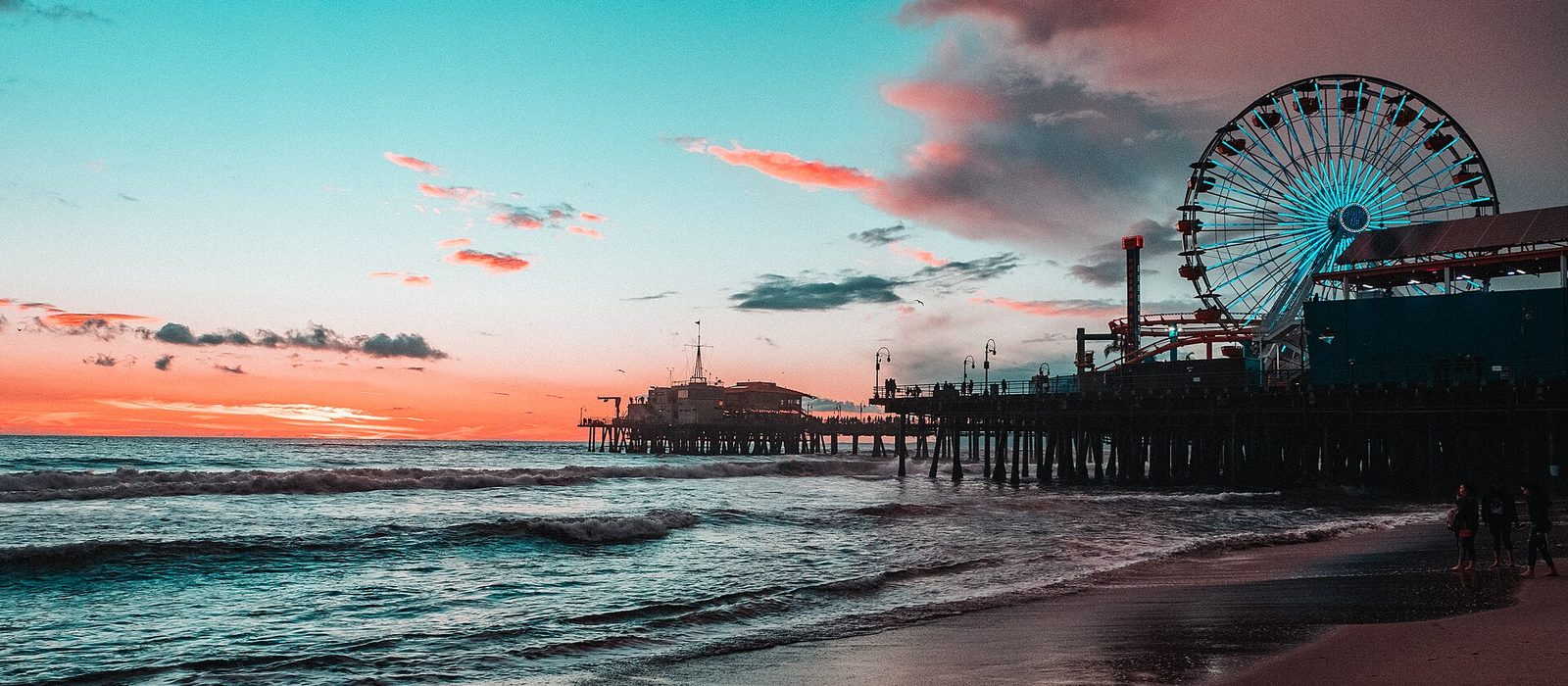
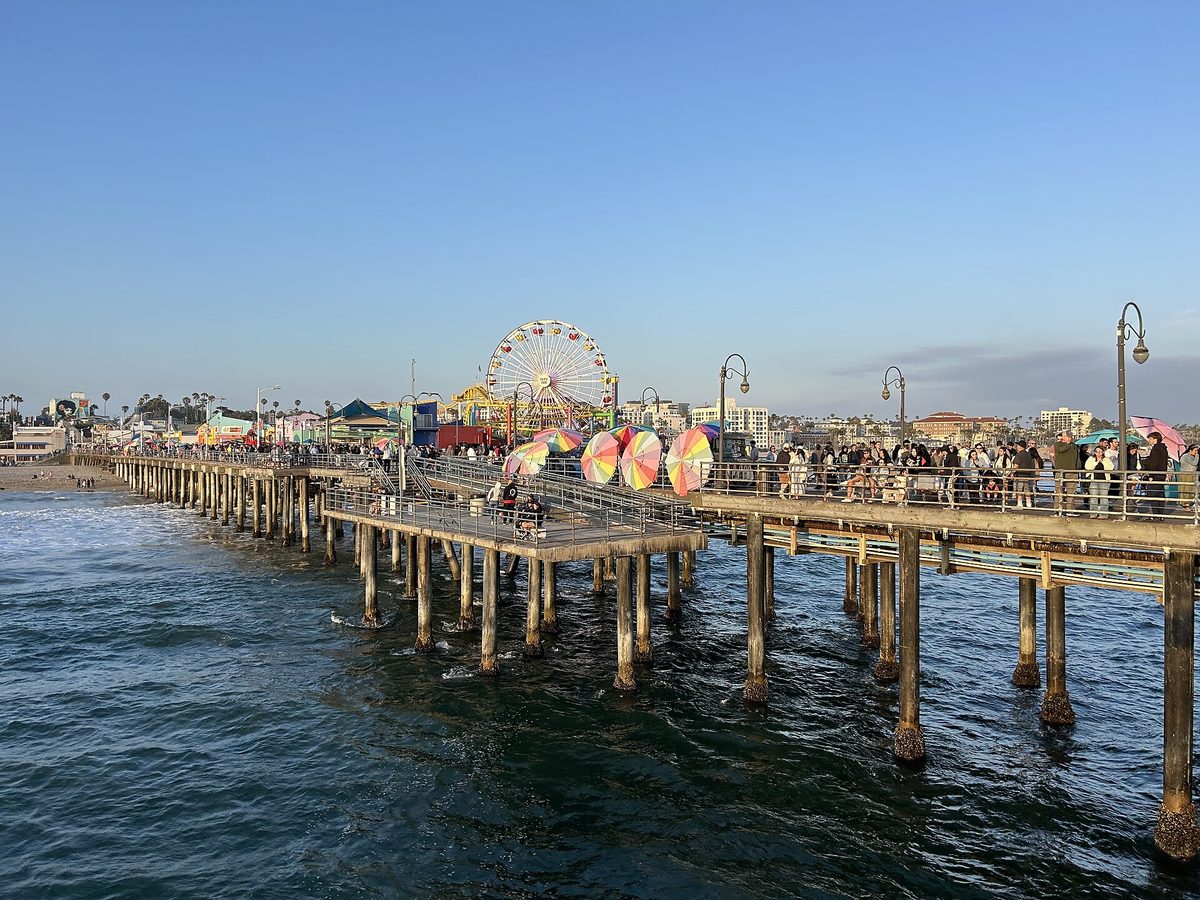
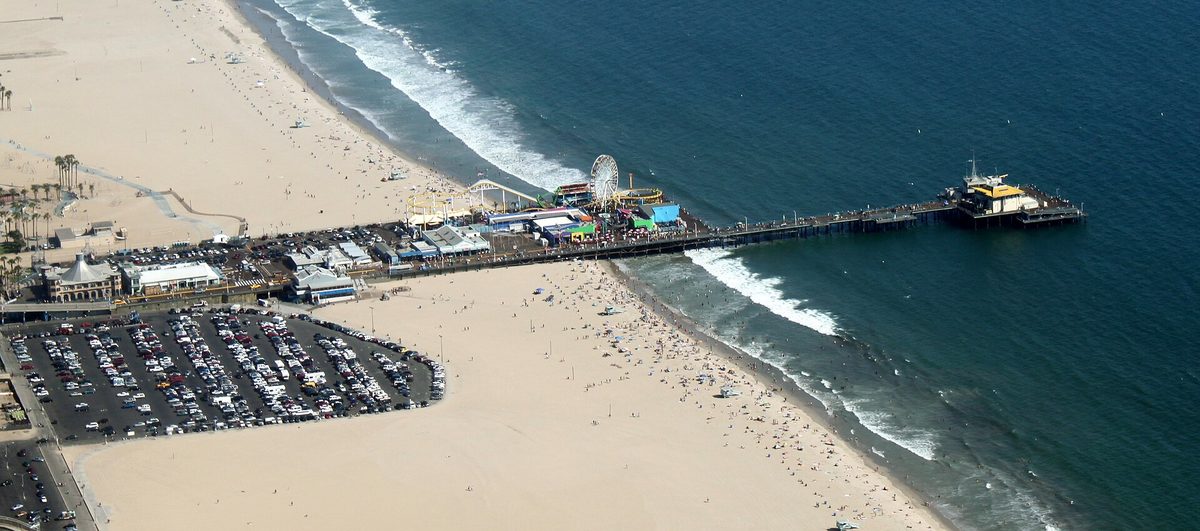
What does it actually look like?
Where is it, and can you walk between venues?
Venues around downtown Santa Monica and the beach, Santa Monica, California, USA Map data © OpenStreetMap contributors.
Get directions →- Several venues around downtown Santa Monica and the beach rather than one convention centre, so the walk between sessions is part of the format.
- A discounted room block runs at the Shore Hotel on Ocean Avenue, close to the venues — it sells out well before the conference.
- Santa Monica in late October is not cheap. Staying further inland and commuting is the realistic budget option.
- LAX is about 30 minutes by car outside peak traffic. The Metro E Line reaches downtown Santa Monica if you would rather not drive.
When are the next editions?
Common questions
What is Music Tectonics?
An annual music technology conference in the Los Angeles area, founded in 2019 and run by the music-tech PR firm Rock Paper Scissors. It brings together startup founders, label and publishing executives, and investors for three days of sessions on where music technology and music revenue are heading. Nothing to do with plate tectonics.
How much does a Music Tectonics ticket cost?
$449 at regular price, rising to $549 for walk-up tickets. Regular pricing expires in mid-October, roughly two weeks before the conference. There is no membership requirement, so the ticket price is the whole cost of entry.
Who runs the Music Tectonics conference?
Dmitri Vietze and his team at the music-tech PR firm Rock Paper Scissors. The first Music Tectonics conference ran in October 2019 at the Skirball Cultural Center in Los Angeles, and it has stayed in the LA area since.
What is Swimming with Narwhals?
Music Tectonics' startup pitch competition, run with the Yamaha Music Innovations Fund. The final happens on stage at the conference. The 2026 edition opened entries to companies up to a year old.
How is Music Tectonics different from SXSW?
Scale and focus. SXSW is a seven-day city-wide festival with over 100 music sessions among thousands of events. Music Tectonics is three days, one subject, and small enough that you can actually meet the people you came to meet.
Is Music Tectonics worth it for an independent artist?
Only if your interest is the business and technology layer rather than performing. There are no showcases and no A&R. It is the right room for an artist who is building a product or company alongside the music, and the wrong one for an artist looking for a deal.