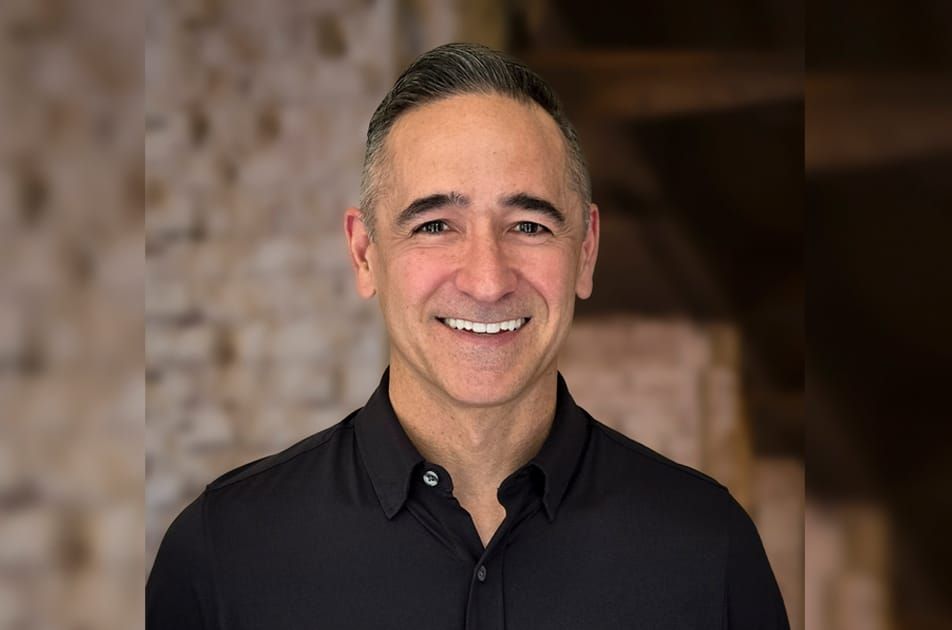
Symphonic CEO Jorge Brea says AI's bigger risk is how easy it made launching a distributor
My stack My fav 6 tools for AI music after testing 70+
-
 ElevenMusic · Music generation
 -
 Moises · Stem separation
 -
 Controlla · Voice swap & cloning
 -
 Cryo Mix · Mixing + mastering
 -
 Neural Frames · Music videos
 -
 ONCE · Distribution
Some links are affiliate links — I earn a commission at no cost to you. Every tool here is one I run myself and truly believe in. This stack is proven.

Jorge Brea has spent 20 years running Symphonic, one of the larger independent distributors, and on September 10 he published an argument that points the AI panic somewhere else. Writing for MBW Views, he said the wave of AI-generated tracks arriving at streaming services is survivable. What worries him is that AI also made it cheap and fast to launch the companies that deliver those tracks.
His framing is simple. Making music got cheaper, and the industry lived through that before with home recording gear and production software. Making a music company got cheaper too, and nobody planned for that one.
What Jorge Brea says a distributor actually has to handle
Distribution looks like a short list from the outside: upload a track, send it to platforms, collect royalties, show a dashboard, answer support tickets. Brea lists what sits underneath. Rights ownership. Platform rules. Content verification. Payment compliance. Takedowns. Metadata. Royalty processing. Fraud patterns.
His line is that a small team can now build the visible half in weeks. Customer tools, marketing workflows, support systems and a clean interface no longer need a big budget or a big staff. The invisible half still needs people who have seen fraud before.
A professional-looking front end can create the impression that a business is ready for responsibilities it is not prepared for.
He then names the pressure AI adds. Bad actors can generate large volumes of music, imitate artists, spread activity across accounts, and test where a system is easiest to get into. A process built on trust, speed and a tidy dashboard does not hold against that for long. The Michael Smith streaming fraud case ran on exactly that combination of AI-generated volume and thin account checks.
Why Symphonic wants direct DSP access to be earned
Brea’s proposal has two halves. Distributors should treat identity verification and account review as core work, so they know who is delivering music and who controls the rights. Streaming services should be more careful about which companies get a direct delivery relationship in the first place.
Worth saying plainly: he runs a distributor, so a stricter door benefits Symphonic. That does not make the argument wrong, and the evidence keeps arriving from other directions. Believe and TuneCore ended up in the middle of an unlicensed AI music row, SoundOn paired with ACRCloud on fraud detection, and AI uploads hijacked the streaming profiles of dead jazz musicians. Every one of those problems entered through a delivery pipe.
How to check a distributor before you upload a catalogue
Brea’s fix list is aimed at companies, but three items translate straight to a release decision. Accurate information collected before a release goes live. An AI disclosure field platforms can actually read. Monitoring that catches suspicious activity before royalties get reversed or a catalogue gets suspended.
Test a distributor against that in about a minute. Open its help centre and search for “AI” and for “fraud”. A distributor that has thought about this has a written policy on both, names what it reports to platforms, and says what happens to your payments if another account on the same service gets flagged. Silence on all three is the answer.
If you are choosing now, my roundup of AI music distribution services covers who accepts AI-assisted releases and on what terms. Brea closes his piece with a sentence that will get quoted plenty: “AI will not break music, but abandoning standards might.” The harder question is who enforces a standard that nobody has written down yet.
Frequently asked questions
What did Symphonic CEO Jorge Brea argue in his September 2026 MBW op-ed?
Brea argued that the wave of AI-generated music heading for streaming services is not the main danger. His concern is that AI has made it cheap to launch a music company, so a professional-looking distribution front end can hide a business with no rights verification, compliance, royalty processing or fraud detection behind it.
What work does Jorge Brea say a music distributor has to handle?
He lists rights ownership, platform rules, content verification, payment compliance, takedowns, metadata, royalty processing and fraud patterns. His point is that all of this sits below the surface, while the visible part of a distributor is an upload form, a dashboard and a support inbox.
What does Jorge Brea want streaming services to change about direct access?
He wants direct delivery relationships with major platforms to come with real scrutiny, so access is earned through operational readiness rather than granted to any new company with a working product. He also calls for identity verification, account review and shared knowledge across companies so bad actors cannot move from one distributor to the next.
Is Jorge Brea calling for AI music to be banned from streaming services?
No. He writes that artists should be free to experiment with AI and that entrepreneurs should be free to build new companies around it. His proposal is about disclosure and controls: collecting accurate information before release, asking artists to declare AI involvement in a way platforms can read, and watching for suspicious activity before royalties are reversed.
About the author

Covering AI music tools, industry shifts, and news for music creators and professionals. Twice-weekly newsletter at aimusicpreneur.com.