TikTok SoundOn’s ACRCloud deal makes distributors the gatekeepers of AI music fraud detection in 2026
My stack My fav 6 tools for AI music after testing 70+
-
 ElevenMusic · Music generation
 -
 Moises · Stem separation
 -
 Controlla · Voice swap & cloning
 -
 Cryo Mix · Mixing + mastering
 -
 Neural Frames · Music videos
 -
 ONCE · Distribution
Some links are affiliate links — I earn a commission at no cost to you. Every tool here is one I run myself and truly believe in. This stack is proven.
Key highlights
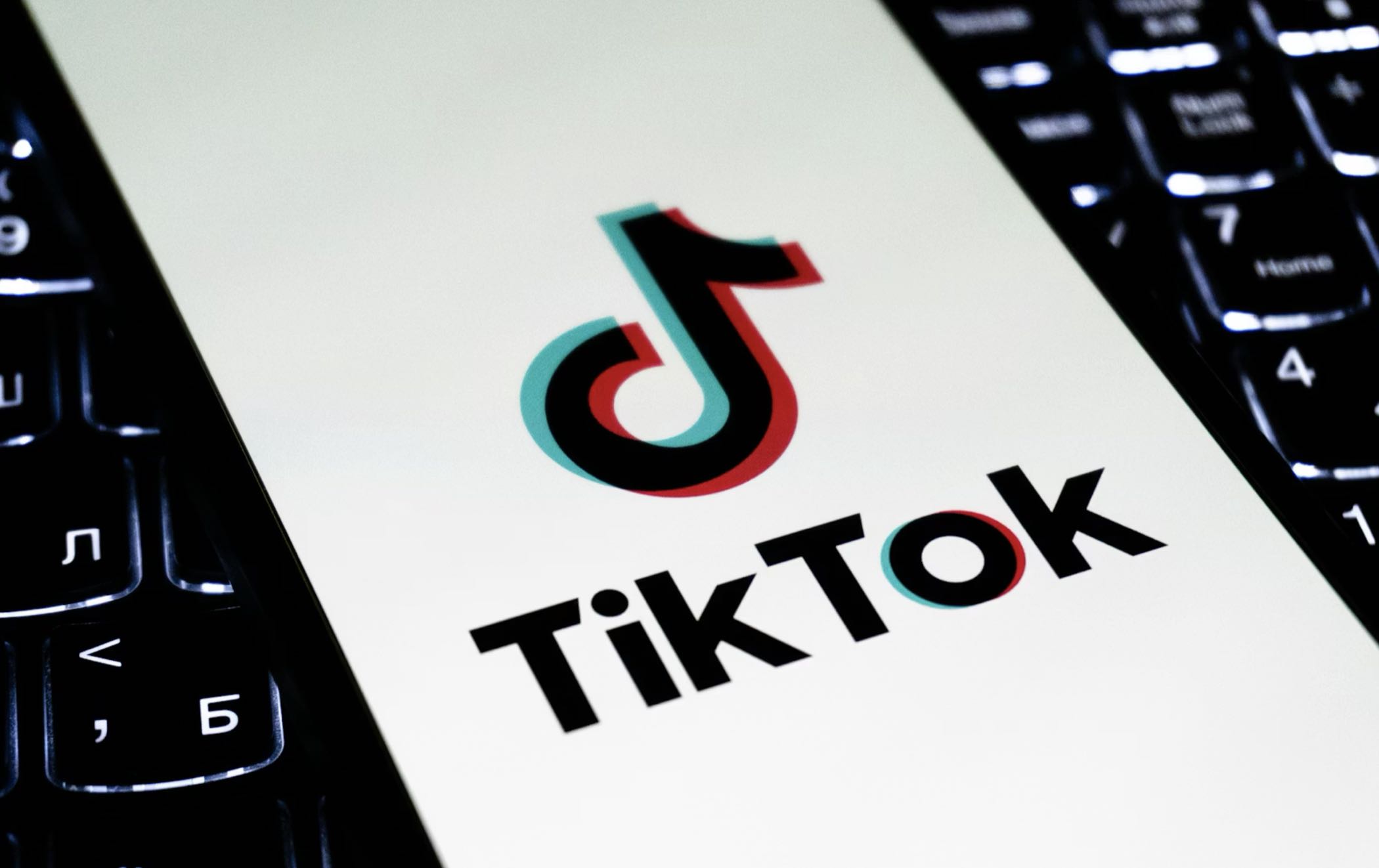
- SoundOn integrated ACRCloud Derivative Works Detection on April 2, 2026, targeting speed-shifted and pitch-shifted audio before distribution
- Flagged content goes to human review before reaching Spotify, Apple Music, and Amazon Music; photo ID verification is now required for all uploads
- This is pre-distribution detection — a more aggressive posture than platform-level takedowns like Deezer’s or Spotify’s reactive systems
SoundOn blocks manipulated audio before it reaches streaming
TikTok’s music distribution platform SoundOn has integrated ACRCloud’s Derivative Works Detection tool, adding audio fingerprinting that identifies copyrighted recordings even when significantly altered through speed or pitch shifting. Announced April 2, 2026, the system screens uploads before they reach downstream platforms. Flagged content goes to human review, not automatic rejection.
SoundOn also now requires photo ID verification from uploaders. Nichal Sethi, Head of SoundOn EMEA, called it “a true best-in-class technology solution” combined with in-house detection systems.
The scale of the problem this addresses: Deezer’s detection tool receives roughly 60,000 AI-generated tracks daily, with up to 85% of streams on fraudulent AI content demonetized. The Michael Smith fraud case — $8 million stolen via AI-generated songs and bot accounts — established the criminal stakes.
Distributors are becoming copyright enforcement agents
The move matters because it inverts the standard DMCA model. DMCA notice-and-takedown gives platforms immunity in exchange for acting on infringement reports after the fact. Pre-distribution screening means the distributor acts first, without any rights holder complaint.
SoundOn has 1.1 million registered artists. Applying fingerprint-based blocking at this layer is a different order of intervention than the streaming platform rules that govern AI uploads at the destination level. DistroKid and TuneCore are watching. Expect similar moves across major distributors within 12 months.
The chilling effect risk: ACRCloud’s system targets manipulated audio, but there’s no published threshold distinguishing fraudulent pitch-shifting from legitimate creative transformation. Producers using pitch-shift creatively may get flagged by the same system targeting Spotify AI crackdown evasion tactics.
Frequently asked questions
What does ACRCloud Derivative Works Detection do?
ACRCloud uses audio fingerprinting to identify copyrighted recordings even when significantly altered through speed or pitch shifting. SoundOn uses this to flag potentially infringing uploads before they are distributed to streaming platforms like Spotify and Apple Music.
Does SoundOn block all AI-generated music?
No. SoundOn’s ACRCloud integration targets AI-manipulated versions of existing copyrighted recordings, specifically speed-shifted and pitch-shifted tracks. Original AI-generated music — text-to-music tools like Suno — is a separate category and is not what this detection system targets. Read how IFPI 2026 AI findings document the broader fraud scale.
How is pre-distribution detection different from DMCA takedowns?
DMCA takedowns are reactive: a rights holder spots infringing content after it’s live, files a complaint, and the platform removes it. SoundOn’s ACRCloud system is proactive: it screens uploads before they reach any streaming platform, acting without a rights holder complaint. Spotify’s artist priorities for 2026 describe the downstream platform perspective that makes this upstream enforcement significant.”
About the author

Covering AI music tools, industry shifts, and news for music creators and professionals. Twice-weekly newsletter at aimusicpreneur.com.