
How Forte! AI makes music mixing 100x faster in Pro Tools
As a music producer or mixing engineer, you’re all too familiar with the challenges importing audio files into Pro Tools, organizing your session, and mastering the art of music mixing. Hours spent on tedious tasks can be frustrating and time-consuming.
Take it from Grammy winner Cameron Craig (Adele, Amy Winehouse)
“I spend from 8 to 10 hours mixing each time, and 3 hours taking out bulls**t (30%).”
He points out that these operational tasks result in significant financial losses due to the time spent on non-creative work.
But what if there was a way to streamline your workflow and focus on what truly matters – creating great music? Enter Forte!, an AI-powered assistant that’s revolutionizing the way music mixing engineers and producers work with Pro Tools.
Here’s what you’ll learn inside:
- The pain points of music mixing:
- Introducing Forte! AI: Your new AI music mixing assistant for Pro Tools
- Key features of Forte! AI
- How to import audio files into Pro Tools with Forte! AI
- How much does Forte! AI cost?
- The impact of AI on music mixing
- Don’t look away! Embrace the future of AI music mixing
- Frequently asked questions about mixing music with Forte!
The pain points of music mixing:

For many music producers and mixing engineers, learning how to import audio into Pro Tools can be a nightmare. Let’s explore the five key challenges faced during the setup phase of the mixing process:
1 – Bad naming causes track-by-track listening:
Poorly labeled tracks create confusion and waste valuable time. Many producers receive files simply named “Track 1”, “Track 2”, etc., or with cryptic preset names like “Storm of Daze”. This lack of clear labeling forces engineers into a time-consuming process:
- They must listen to each audio file individually
- Decipher the content of each track
- Rename each file properly to reflect its contents
- Color-code tracks for visual organization
- Arrange tracks in a logical order for mixing
Only after completing this tedious process can the engineer begin the actual music mixing work. This extensive preparation delays projects and frustrates all parties.
What should be a smooth transition into mixing becomes a time-consuming obstacle, potentially affecting the final product’s quality.
2 – Inconsistent color coding:
The lack of a standardized color scheme makes visual organization challenging.
Without a consistent system, engineers struggle to quickly identify and group related tracks, slowing down their workflow and increasing the chances of overlooking important elements in complex mixes.
3 – Disorganized instrument categorization:
Improperly grouped tracks lead to a cluttered mixing environment.
This disorganization makes it difficult to apply processing across similar instruments efficiently and can lead to a lack of cohesion in the final mix.
4 – Manual silence removal:
The lack of an automated strip silence feature forces mixing engineers to manually cut silent sections track by track.
This is especially time-consuming for multi-track recordings with numerous takes and overdubs. Cleaning up a 24-track pop song—removing silence across all tracks—can be long and boring, requiring tedious work using strip silence in Pro Tools track by track.
This significantly delays the actual mixing process and hampers creativity.
5 – Imprecise silence detection tools:
Pro Tools’ strip silence feature lacks precision and full customization.
Its limited parameters prevent setting exact silence detection values. In pop songs, this might incorrectly cut vocal reverb tails or miss inter-chord noise.
Engineers must manually adjust cuts track by track, as Pro Tools can’t dynamically detect silences across multiple tracks. This tedious process wastes mixing time and can compromise the song’s flow.
Forte! solves these issues with precise value selection and dynamic, multi-track silence detection, streamlining workflow and preserving creativity.
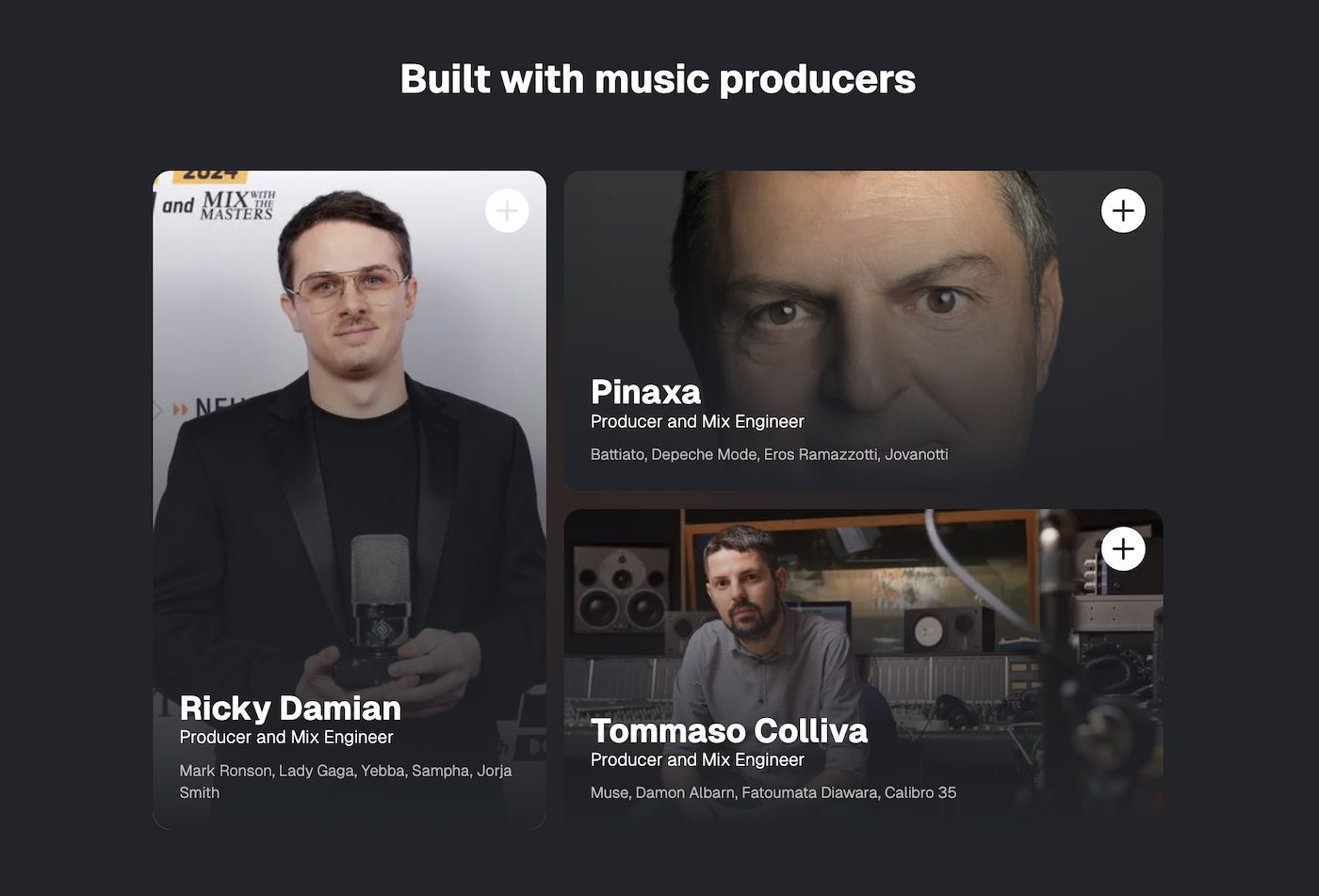
These issues significantly impact productivity and creativity. Riccardo Damian, a Grammy-winning mix engineer (Mark Ronson, Lady Gaga), shares his frustration:
“Mixing a song takes me from 10 to 15 working hours. In the first 2 in preparing everything, and throughout the work, I wish many tasks were automated. A plug-and-play service that could alleviate that burden would be priceless.”
6 – Incorrect stereo/mono file formats:
Tracks are often shared incorrectly as mono or stereo, leading to inconsistencies and additional work for engineers. Common issues include:
- Fake Stereo (Double Mono): Identical channels simulating stereo without true separation
- Stereo Hard Panned Left: Audio present only in the left channel, right channel silent.
- Stereo Hard Panned Right: Audio present only in the right channel, left channel silent.
Converting these files to the correct format is time-consuming and error-prone, potentially compromising the mix’s spatial integrity.
This technical hurdle diverts attention from creative decisions, further delaying the mixing process.
Forte! AI offers seamless conversion solutions for these scenarios, allowing engineers to focus on creative tasks.
Introducing Forte! AI: Your new AI music mixing assistant for Pro Tools
Enter Forte!, an AI-powered assistant that’s revolutionizing the way mixing engineers & music producers work with Pro Tools DAW.
This innovative tool leverages cutting-edge artificial intelligence to automate time-consuming aspects of your workflow, allowing you to focus on the creative process of mixing music.
Key features of Forte! AI
| Feature | Benefit |
| Unlimited stems import | Allows users to import as many audio files as needed, supporting complex projects and enhancing creative possibilities without limitations. |
| Smart naming, coloring & categorizing | Automatically organizes tracks with intelligent naming, color-coding, and categorization, saving time and enhancing workflow efficiency. |
| Renaming & categorizing in batch | Enhances workflow efficiency by allowing users to rename and categorize multiple tracks simultaneously, minimizing tedious tasks and increasing productivity. |
| Instrument recognition | Quickly identifies instruments, vocals, backing vocals and SFX, improving track management and speeding up the production process. |
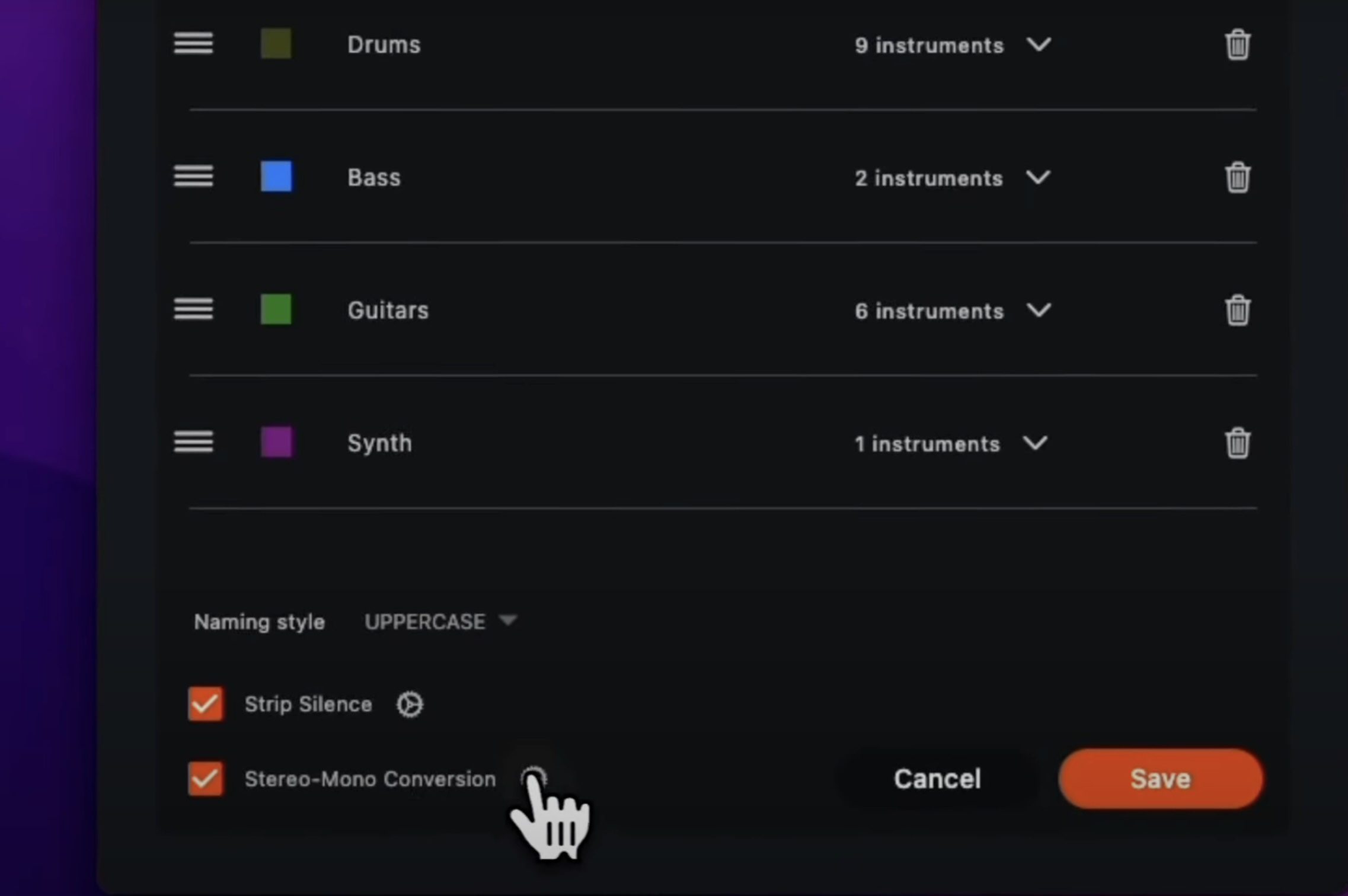
| Stereo-mono conversion | Seamlessly converts tracks with incorrect stereo or mono formats, such as fake stereo (double mono), stereo hard panned left, and stereo hard panned right, ensuring proper audio file consistency and saving valuable time. |
| Sample rate and bit depth recognition | Efficiently identifies and processes audio specifications, reducing unnecessary imports and ensuring accurate track processing. |
| Multitracks recognition | Streamlines the process of identifying and organizing multiple tracks, saving time and reducing stress associated with complex projects. |
| Strip silence automation | Automatically removes unwanted silences, improving audio quality and reducing manual editing time. Enhances overall project clarity and efficiency. |
| Waveform display and audio playback | Provides visual tools for better track identification and management. Enhances visual understanding and improves workflow by offering immediate audio information. |
| Customizable settings | Offers greater control and customization, allowing users to personalize their workflow. Enables creation of templates and custom settings, improving user satisfaction and efficiency. |
How to import audio files into Pro Tools with Forte! AI
1 – Learn how to import audio into Pro Tools using Forte!:
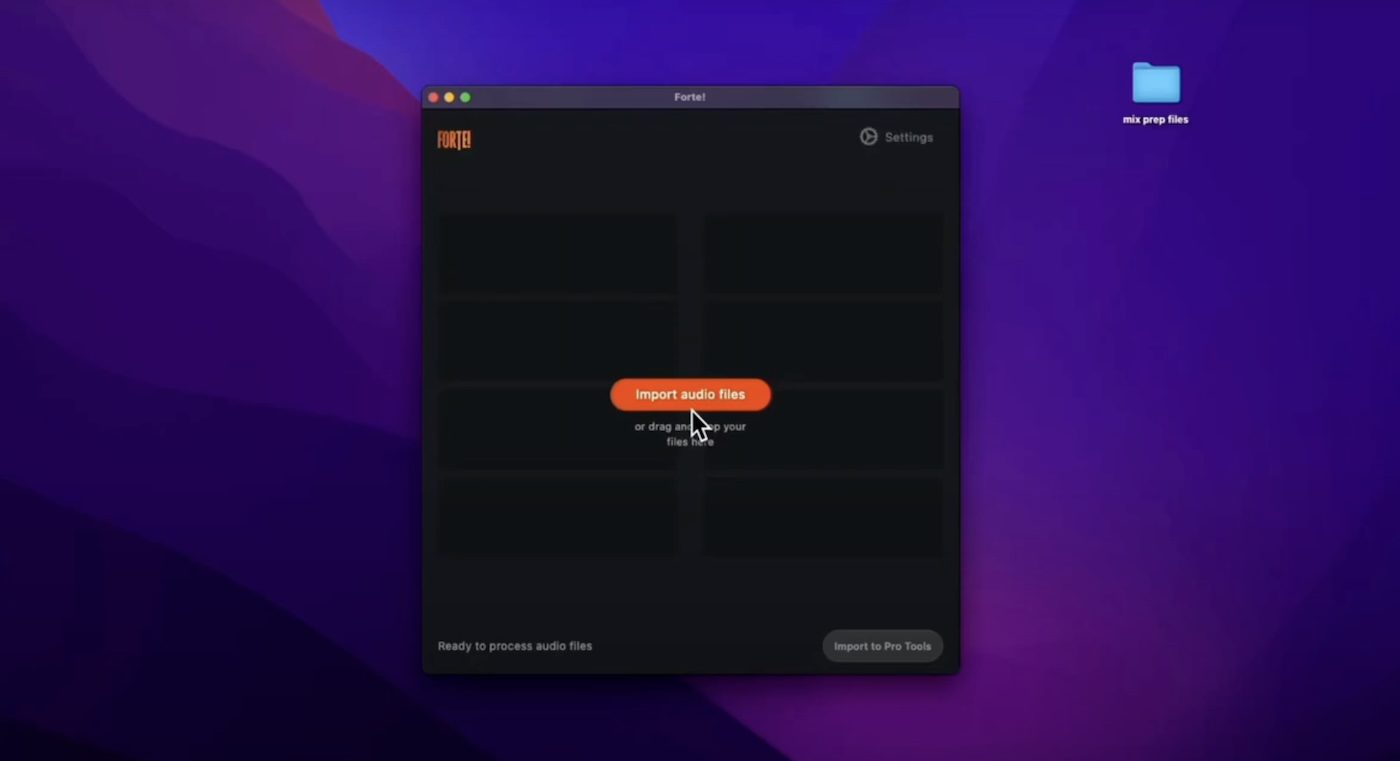
Sign up for a Forte! account and download the software.
Then, simply drag and drop your .wav files.
The AI will instantly analyze your audio, identify instruments, and automatically organize your files without any related copyright problems.
This process respects intellectual property rights while streamlining your workflow.
2 – Let AI analyze and organize your tracks:

Forte!’s advanced AI identifies each audio file, applies Smart Naming, and categorizes your tracks.
It uses its Instrument Recognition Model to identify each track, then automatically cleans up and organizes track names without any manual intervention.
Forte! also categorizes and colors your tracks, making them easily identifiable when you import audio to Pro Tools for your mixing session.
3 – Import directly into Pro Tools:
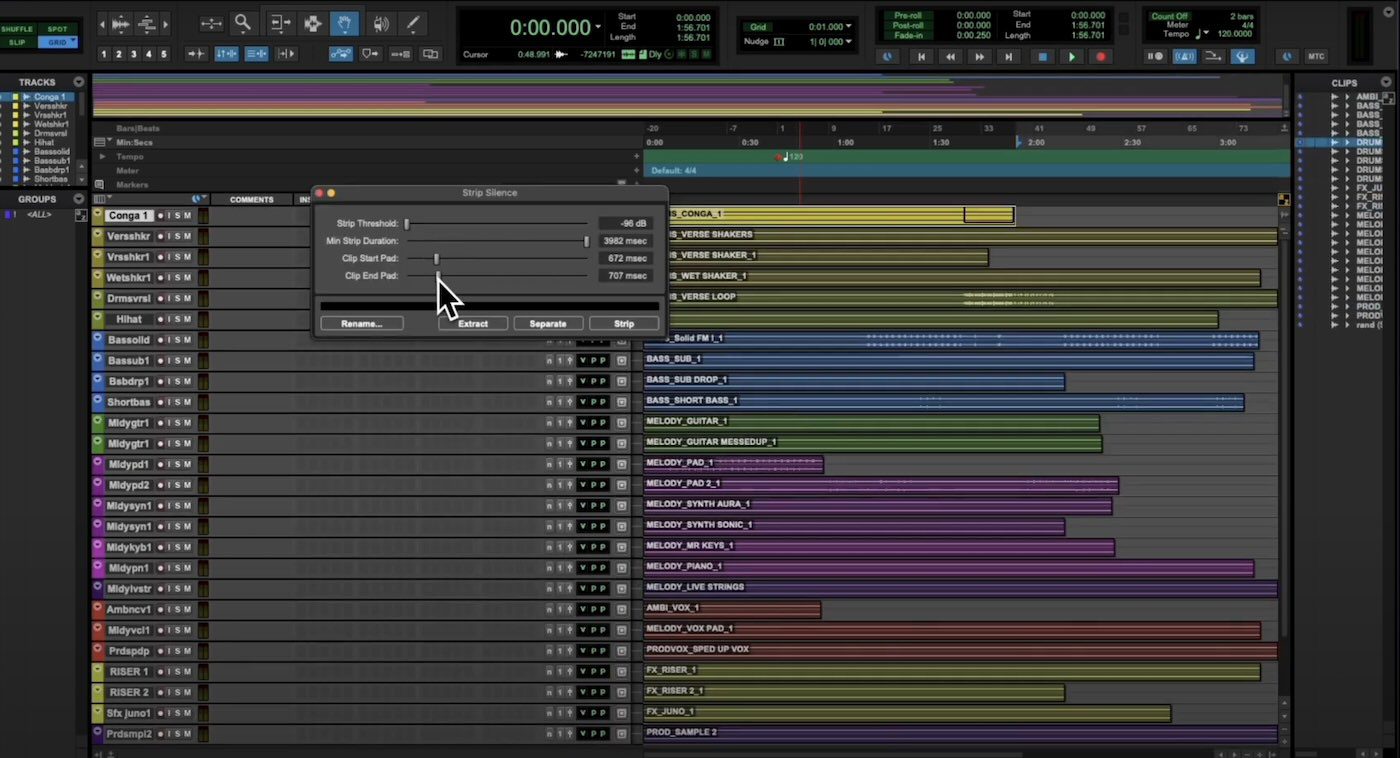
With a single click, import your perfectly organized tracks directly into Pro Tools.
The integration is seamless, ensuring that all your tracks are imported with the correct names, colors, and order.
This streamlined process of importing audio files into Pro Tools saves mixing engineers countless hours on every project.
4 – Focus on mixing and creativity:
With the tedious work out of the way, you’re free to concentrate on what you do best – mixing music and creating great sound.
No more wasting hours on setup and organization.
Forte! has given you back that valuable time to pour into your craft, allowing you to make the most of your music mixing programs.
How much does Forte! AI cost?
Forte! AI offers a monthly and an annual plan.
| Feature | Monthly Plan | Annual Plan |
| Price | €10/month | €100/year (Save €20) |
| Unlimited Stems Import | ✓ | ✓ |
| Smart Naming, Coloring & Categorizing | ✓ | ✓ |
| Renaming & Categorizing in batch | ✓ | ✓ |
| Instrument recognition | ✓ | ✓ |
| Sample Rate and bit depth recognition | ✓ | ✓ |
| Multitracks recognition | ✓ | ✓ |
| Strip Silence Automation | ✓ | ✓ |
| Stereo to mono conversion | ✓ | ✓ |
| Waveform display and audio playback | ✓ | ✓ |
| Customizable settings | ✓ | ✓ |
🎉 Free 15-day trial available for all plans! 🎉
Imagine slashing your audio file organization time from 2 hours to 2 minutes.
That’s not a typo – it’s a 100x time-saving potential for each project.
With an average of 200 audio files per project, these savings add up fast.
For just 100€ a year, Forte! revolutionizes your workflow.
| Scenario | Time spent without Forte! | Time spent with Forte! | Time saved per year | Annual cost of Forte! |
| Mixing 120 projects per year | 240 hours/year | 4 hours/year | 236 hours/year | 100€ |
But here’s the thing – it’s not just about time.
It’s about focusing on what truly matters in mixing.
Why waste hours organizing files when you could be fine-tuning EQs, perfecting dynamics, or dialing in that perfect reverb?
And the cost per project? A mere 0.83€ (120 projects / 100€).
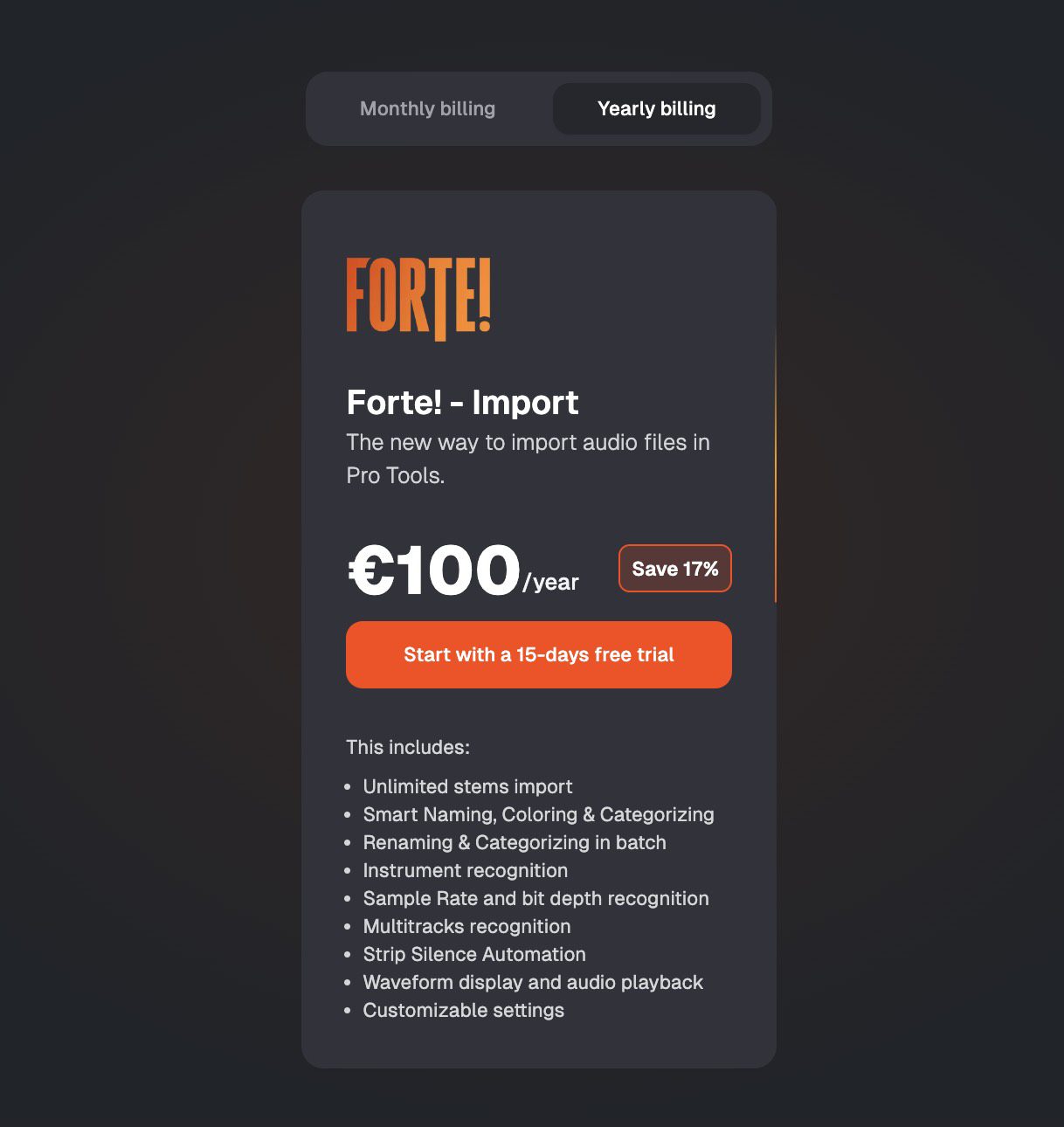
Can you afford not to invest in your productivity? Get started for free.
Special Offer: Use code “AIMUSIC20” for a 20% discount on your subscription FOREVER (not just on your first purchase) to save even more.
The impact of AI on music mixing
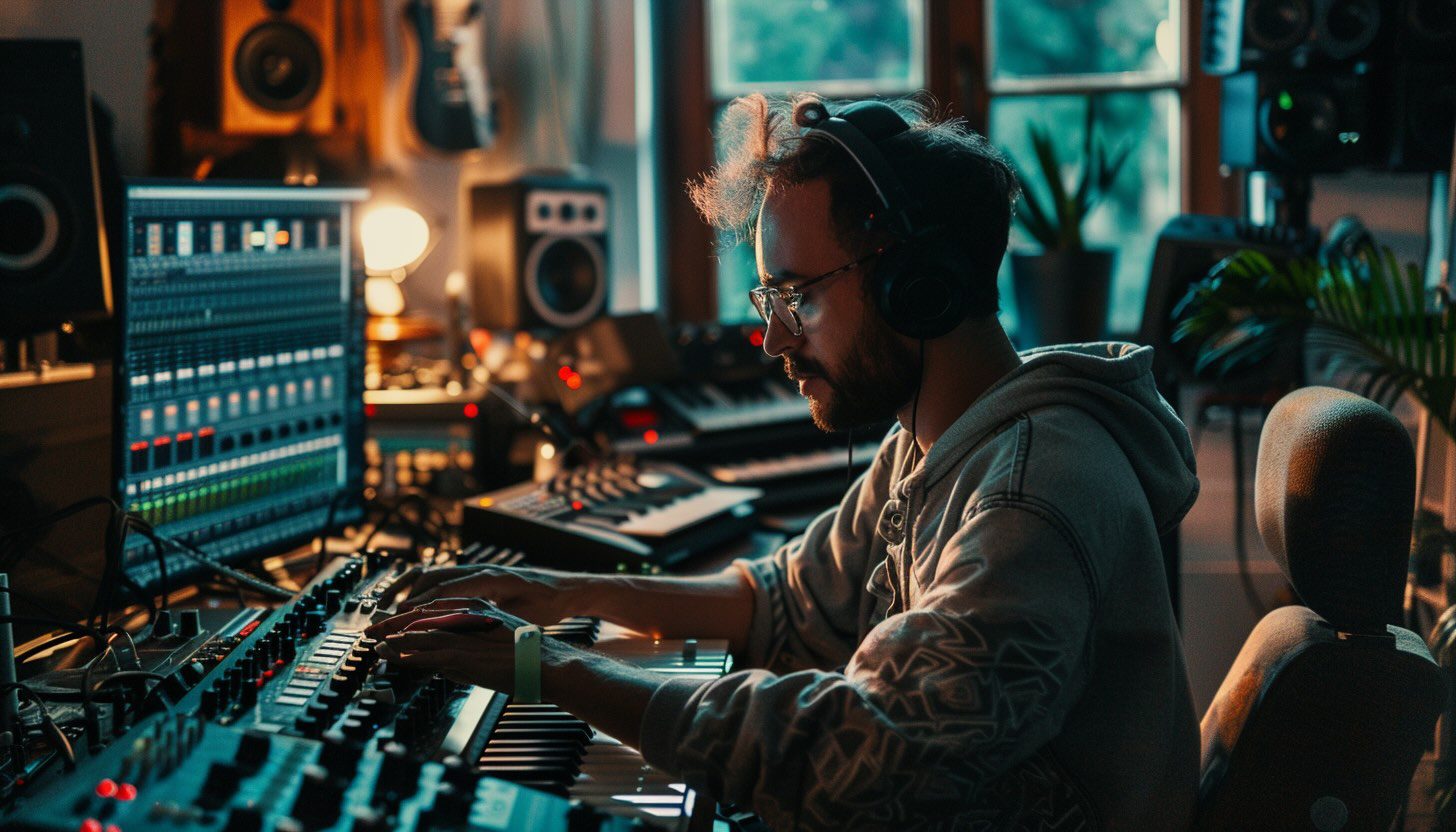
The introduction of AI tools like Forte! into the music production process represents a significant shift in how professionals approach their work. By automating time-consuming tasks, AI is freeing up music producers and mixing engineers to focus more on the creative aspects of their jobs.
This shift has several implications for the industry:
- Increased productivity: With AI handling routine tasks, professionals can take on more projects or spend more time refining their mixes.
- Democratization of professional techniques: AI tools make professional-level organization and workflow optimization accessible to a broader range of producers and engineers, potentially raising the overall quality of music production.
- Evolving skill sets: As AI takes over certain tasks, music professionals may need to adapt their skills, focusing more on creative decision-making and less on technical organization.
- Cost efficiency: By reducing the time spent on non-creative tasks, AI tools like Forte! can help studios and freelance engineers improve their profitability.
Don’t look away! Embrace the future of AI music mixing
By leveraging AI to handle time-consuming tasks like importing audio files into Pro Tools, Forte! AI allows you to save hours on every project and focus on the creative aspects of music production. The seamless integration with Pro Tools ensures a smooth transition from import to mixing, enabling you to work more efficiently than ever before.
As the music industry continues to evolve, embracing AI tools like Forte! can give you a competitive edge. Not only will you save time and increase productivity, but you’ll also be able to focus more on the aspects of music production that truly require your expertise and creativity, such as music mixing.
Are you ready to transform your workflow and reclaim your creative time?
Try Forte! AI today with their 15-day free trial and experience the future of music production.
Don’t forget to use the code “AIMUSIC20” for a 20% discount on your subscription forever.
Your future self will thank you for the hours saved and the increased productivity in your studio.
For more detailed guidance on mixing music and how to import audio files into Pro Tools, check out resources on mixing rock music, pro tools automation, and best software for mixing music.
Whether you’re a seasoned mixing engineer or an aspiring music producer, Forte AI is set to revolutionize your approach to music mixing.
Frequently asked questions about mixing music with Forte!
Frequently asked questions
What is mixing music?
Mixing music is the process of blending individual tracks in a recording to create a balanced, cohesive final product. It involves adjusting levels, panning, EQ, compression, and effects to enhance the overall sound. During mixing, engineers work to create depth, clarity, and emotional impact in the recording. This process requires both technical skill and artistic judgment to ensure that each element of the song sits well in the mix and contributes to the overall vision of the track. Mixing is a crucial step in music production that can significantly influence how listeners perceive and experience a song.
How to start mixing music in Pro Tools?
Starting your journey in music mixing begins with understanding your Digital Audio Workstation (DAW) like Pro Tools, including how to import audio into Pro Tools. However, the initial hurdle of importing and organizing audio files can be daunting. This is where Forte! AI shines. It simplifies the process of importing audio files into Pro Tools, automatically organizing and labeling tracks. With Forte!, you can focus on learning essential mixing techniques like EQ, compression, and effects, rather than getting bogged down in file management. This efficient start allows you to dive into the creative aspects of mixing music faster, accelerating your learning curve.
How to learn music mixing?
Learning music mixing involves understanding audio principles, mastering your DAW, and developing critical listening skills. Start by studying the basics of sound and acoustics. Familiarize yourself with key mixing tools like EQ, compression, and reverb. Practice regularly with different types of music to train your ear. Analyze professional mixes to understand industry standards. Take online courses or attend workshops to learn from experienced professionals. Experiment with different mixing techniques and don’t be afraid to make mistakes – they’re part of the learning process. Join online communities to share your work and get feedback. Remember, developing your unique style takes time and patience.
How to mix music for beginners?
For beginners, mixing music can seem overwhelming. Start by mastering the basics of your DAW, like Pro Tools. Forte! AI can simplify your initial steps by automating the import and organization of audio files, allowing you to focus on learning mixing techniques. Begin with balancing levels and panning to create a basic mix. Then, explore EQ to shape tones and create space in your mix. Gradually introduce compression and effects. Practice critical listening by comparing your mixes to professional tracks. Remember, a well-organized session is crucial for a good mix, and Forte! ensures you start on the right foot every time.
About the author

Covering AI music tools, industry shifts, and news for music creators and professionals. Twice-weekly newsletter at aimusicpreneur.com.


