
Sony Music files a second Udio lawsuit, putting 30,117 blocked recordings back in play
My stack My fav 6 tools for AI music after testing 70+
-
 ElevenMusic · Music generation
 -
 Moises · Stem separation
 -
 Controlla · Voice swap & cloning
 -
 Cryo Mix · Mixing + mastering
 -
 Neural Frames · Music videos
 -
 ONCE · Distribution
Some links are affiliate links — I earn a commission at no cost to you. Every tool here is one I run myself and truly believe in. This stack is proven.
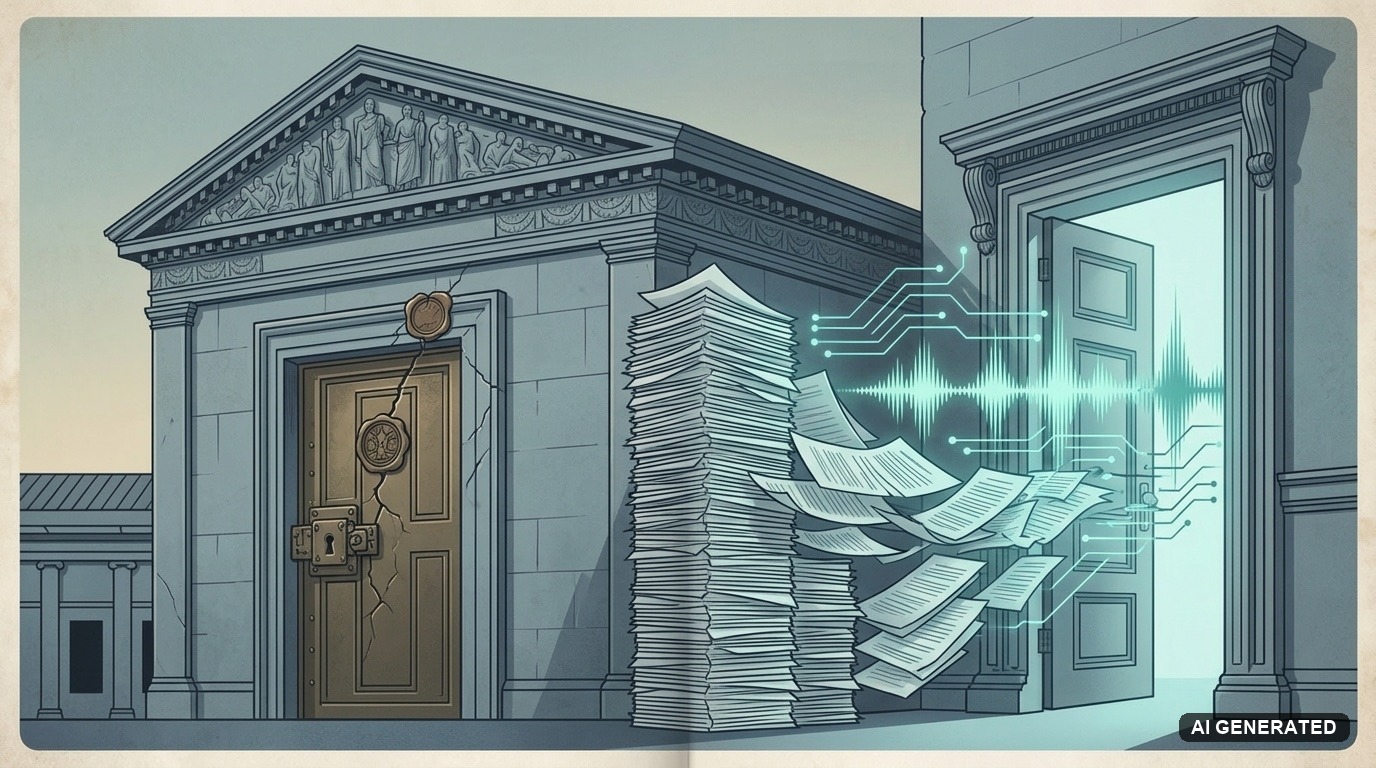
Sony Music has sued Udio a second time. The new complaint, filed July 20, 2026, in the US District Court for the Southern District of New York, asserts 30,117 sound recordings Sony says Udio copied without permission to train its AI models. They are the same recordings a judge refused to let Sony add to its original case weeks earlier.
Sony Music Entertainment filed alongside nine affiliated labels, including Arista Records and LaFace. Discovery in the original case gave Sony access to Udio’s training data, where audio fingerprinting surfaced hundreds of thousands of matches. The complaint calls the 30,117 works in suit “only a small portion” of what it found.
Why the barred recordings get their own lawsuit
When the court denied Sony’s expansion motion, it kept the original case at 333 works to protect the schedule. But the ruling handed Sony a map: plaintiffs “have the right to seek to stop infringement of, and recover damages for, all copyrighted works,” the court wrote, adding there is “no requirement that it be done in [that] lawsuit.”
Sony cites those lines as the basis for the new action. At up to $150,000 per work in statutory damages, 30,117 recordings rebuild a theoretical exposure above $4.5 billion, the multiplier the denial had taken off the table. The complaint also renews claims over how Udio sourced its training audio, the same DMCA territory already alive in the first case.
Sony is the last major without a Udio license
Since the original lawsuit, Udio has signed licensing deals with Universal, Warner, Merlin, Kobalt, Believe, and the NMPA’s publishers. Sony alone kept litigating, and the new complaint turns Udio’s dealmaking into an exhibit.
Udio's belated embrace of licensing only underscores the unlawfulness of its decision to copy Plaintiffs' copyrighted sound recordings, without a license, in the first place.
Udio itself admitted in the original case its models were “constructed by showing the program a vast amount of different kinds of sound recordings,” which “presumably included” the plaintiffs’ works. The full case history lives in my RIAA v. Udio tracker.
Frequently asked questions
Why did Sony Music file a second lawsuit against Udio in July 2026?
Because the court blocked its first attempt to grow the original case. A judge denied Sony's motion to add over 30,000 recordings to its 2024 lawsuit, ruling the expansion would derail the schedule, but noted nothing required those claims to be brought in the same case. Sony took the hint and filed a fresh complaint on July 20, 2026.
How many recordings does Sony Music assert in its second lawsuit against Udio?
30,117 sound recordings. Sony says it identified them by audio fingerprinting Udio's training data during discovery in the original case, and describes the number as "only a small portion" of the matches it found.
Which labels joined Sony Music's second lawsuit against Udio?
Sony Music Entertainment filed alongside nine affiliated labels, including Arista Records and LaFace Records. It is the same corporate family behind the original 2024 case coordinated by the RIAA.
About the author

Covering AI music tools, industry shifts, and news for music creators and professionals. Twice-weekly newsletter at aimusicpreneur.com.