Grammys on the Hill 2026: the TRAIN Act is the AI bill the music industry should be watching
My stack My fav 6 tools for AI music after testing 70+
-
 ElevenMusic · Music generation
 -
 Moises · Stem separation
 -
 Controlla · Voice swap & cloning
 -
 Cryo Mix · Mixing + mastering
 -
 Neural Frames · Music videos
 -
 ONCE · Distribution
Some links are affiliate links — I earn a commission at no cost to you. Every tool here is one I run myself and truly believe in. This stack is proven.
Key highlights
- The Recording Academy lobbied Congress April 21-23, 2026 around three coordinated AI bills: NO FAKES, TRAIN, and CLEAR Acts.
- The TRAIN Act gives creators a legal mechanism to subpoena AI training data — forcing companies to disclose what music they used and when.
- CISAC and PMP Strategy project €4 billion in creator revenue losses by 2028 if no legislation passes.
AI legislation has a poster child and a sleeper hit
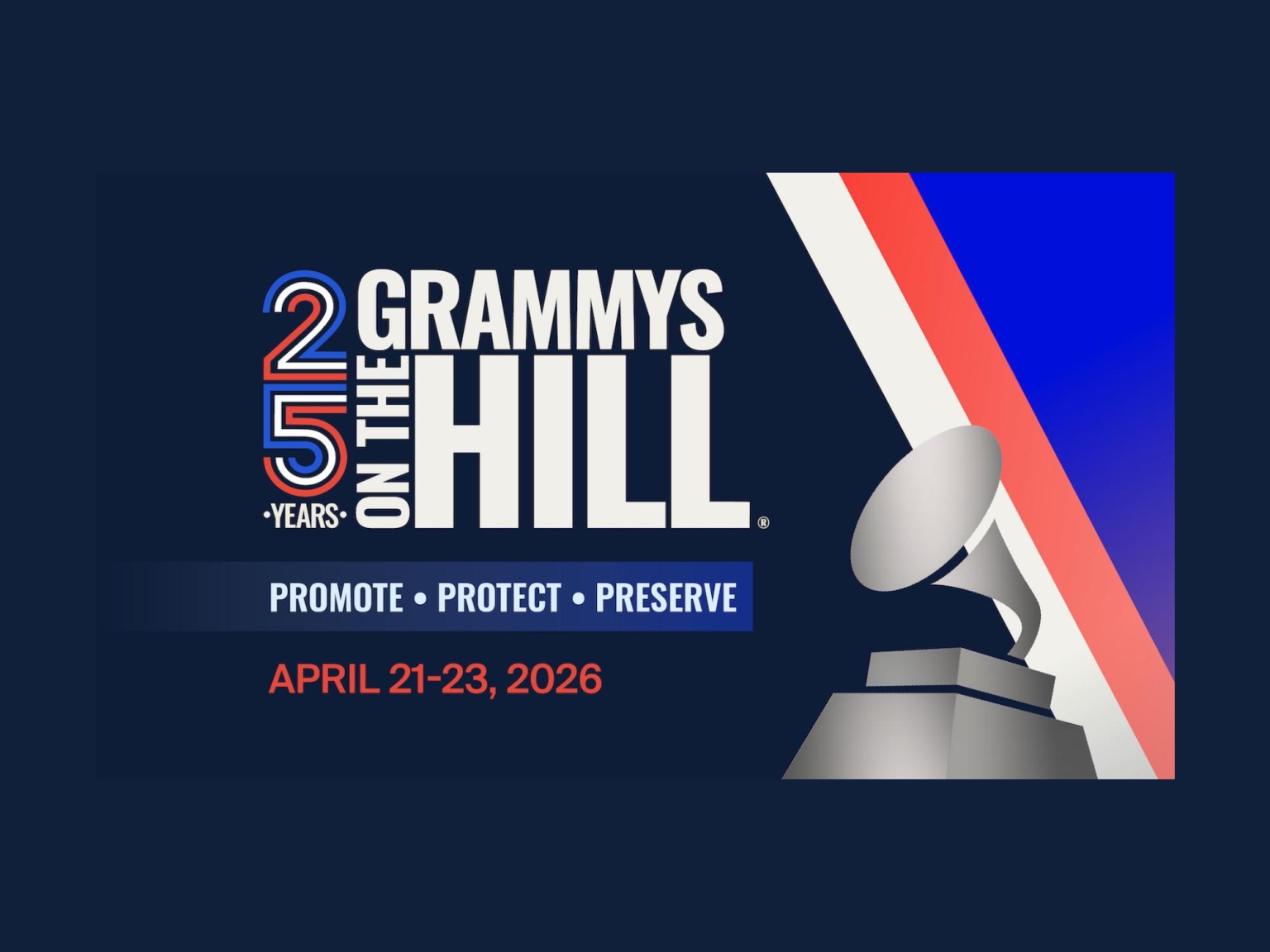
More than 200 Recording Academy members descended on Capitol Hill this week for the 25th Grammys on the Hill. The three-day event (April 21-23, Washington D.C.) was the first time a single technology issue has dominated all three of the Recording Academy’s legislative priorities. The target: three coordinated AI bills designed to protect music creators at the federal level.
Sen. Chris Coons (D-DE) and Rep. María Elvira Salazar (R-FL) were honored for their work on the NO FAKES Act, the bill that gets all the headlines. It would create a federal property right over a person’s voice and likeness, giving every artist a legal tool against unauthorized AI cloning. The bipartisan recognition signals genuine cross-aisle momentum. On the Grammys on the Hill 2026 stage, Recording Academy CEO Harvey Mason jr. framed it plainly: “Music creators must remain at the center of every conversation shaping the future of the industry.”
Three bills, one coordinated push
The Recording Academy recap confirms the three-bill strategy covers distinct ground:
- NO FAKES Act — federal property right over voice and likeness; stops AI cloning without consent
- TRAIN Act — gives creators an administrative subpoena process to discover what copyrighted works were used to train AI models
- CLEAR Act — requires AI companies to notify the US Copyright Office of all copyrighted material used in training
Advocacy Day (April 22) brought artists, producers, and songwriters directly to Congressional offices. Senators Marsha Blackburn and Peter Welch participated in the parallel Future Forum on April 23, alongside Lyor Cohen, Global Head of Music at Google & YouTube. As Music Ally reported, the three bills represent the most coordinated legislative push from the music industry on AI to date.
The TRAIN Act is the bill tech companies fear most
The takeaway: NO FAKES gets the emotional coverage. TRAIN has the structural teeth.

Media attention gravitates toward NO FAKES because voice cloning is visceral and easy to explain. A deepfake incident like the one that hit deadmau5 lands harder than a disclosure requirement. But the TRAIN Act’s subpoena power is the mechanism that actually threatens the AI industry’s core business model.
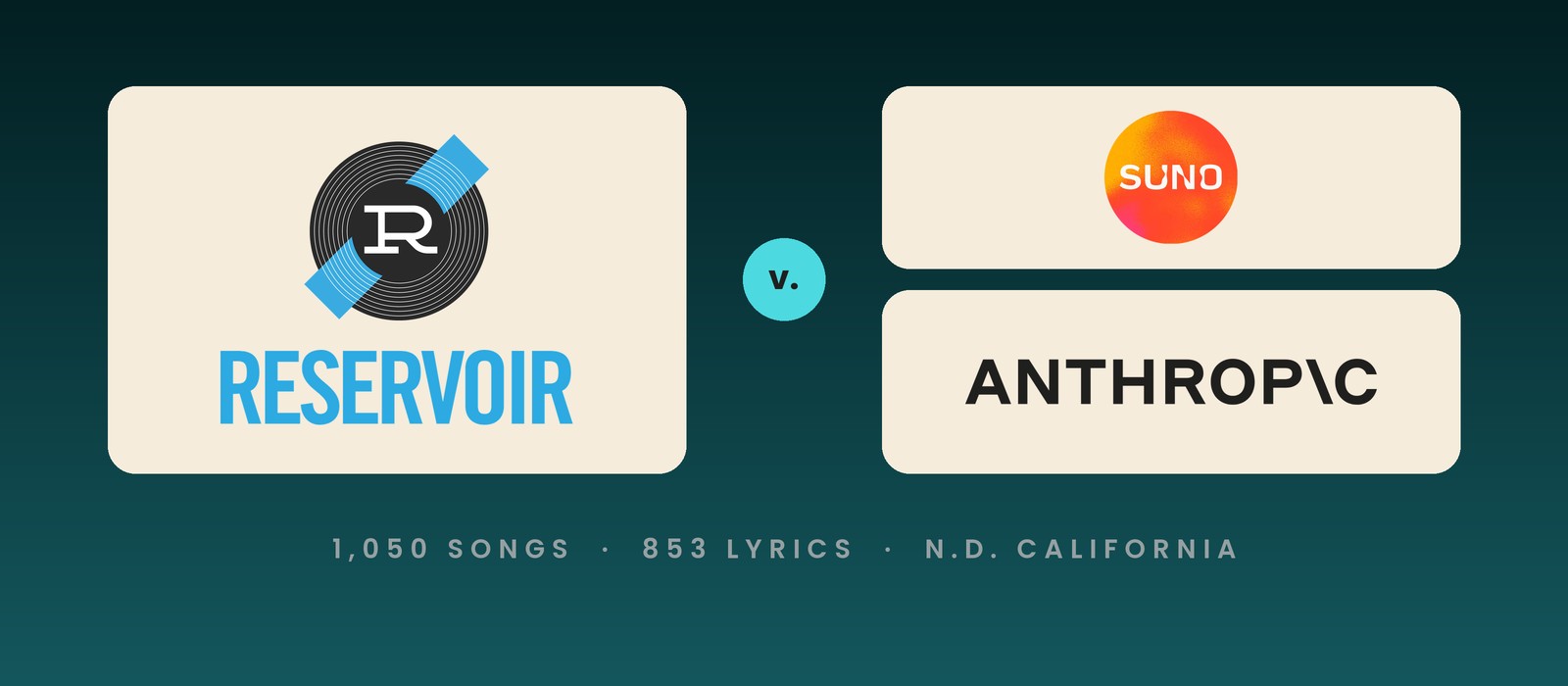
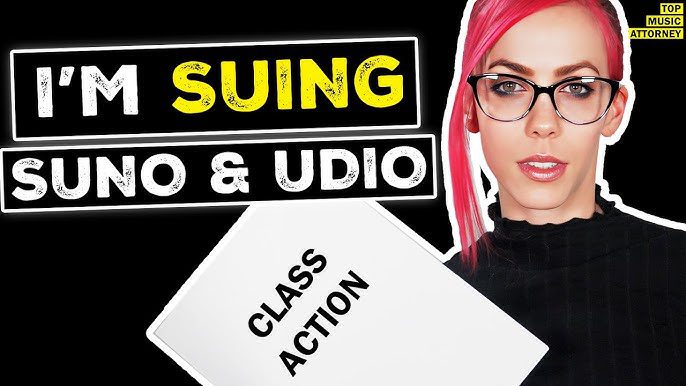
AI companies have guarded their training datasets as trade secrets. The TRAIN Act would allow any creator to launch an administrative process to find out whether their specific recordings were used. That’s not a hypothetical risk for companies like Suno and Udio, who are already in court. The indie class action against Suno and Udio relies on circumstantial evidence because creators currently have no legal mechanism to compel disclosure. TRAIN would change that.
The CISAC/PMP Strategy projection of €4 billion in creator revenue losses by 2028 gives legislators an economic argument that goes beyond artists’ rights. This isn’t about feelings. It’s about a documented financial transfer from creators to AI companies with no compensation mechanism in place.
For context: when the DMCA passed in 1998, the music industry was reacting to digital disruption. In 2026, the Recording Academy is trying to shape the rules before the damage compounds. The UK government’s retreat on AI copyright opt-out shows how quickly legislative momentum can evaporate. The 6-month forecast is cautious: NO FAKES has the strongest political momentum, but the TRAIN Act faces the most organized opposition from the tech lobby and may be scaled back or bundled into broader AI legislation.
What independent artists should do right now
The legislative window for influencing AI law is narrow. Once frameworks are set, they tend to stick for decades — the DMCA is 28 years old and still governing disputes that its drafters could not have anticipated.
The streaming platform AI rules already in place were set without federal law requiring them. Federal legislation would create binding standards that platforms couldn’t simply adjust in their terms of service.
If any of these three bills matter to you, contact your congressional representatives directly. The TRAIN Act in particular would give individual artists a legal tool to determine whether their specific music was used to train AI models. That right is worth fighting for before it gets negotiated away in a broader tech industry deal. The Hill’s coverage lists the lawmakers who showed up. Find yours.
Frequently asked questions
What is the TRAIN Act in music?
The TRAIN Act is a proposed US law that would give music creators an administrative subpoena process to discover whether their copyrighted recordings were used to train AI models. If passed, it would force AI companies to disclose their training datasets on request, removing the trade secret protection those companies currently rely on.
How does the NO FAKES Act differ from the TRAIN Act?
Both are 2026 AI bills the Recording Academy backs, but they target different problems. The NO FAKES Act creates a federal right over a person’s voice and likeness, aimed at deepfakes and voice cloning. The TRAIN Act gives creators a subpoena process to find out whether their music trained an AI model. NO FAKES protects identity, the TRAIN Act exposes training data.
What is the CLEAR Act?
The CLEAR Act would require AI companies to notify the US Copyright Office of all copyrighted works used in AI training. It creates a legal paper trail that labels and individual creators could use in future copyright infringement cases.
What happened at Grammys on the Hill 2026?
The Recording Academy held its 25th annual Grammys on the Hill event April 21-23, 2026 in Washington D.C. More than 200 music creators and industry leaders met with lawmakers to advocate for three AI bills: the NO FAKES Act, TRAIN Act, and CLEAR Act. Sen. Chris Coons and Rep. María Elvira Salazar were honored for their bipartisan work on the NO FAKES Act.
Will any of the three AI music bills pass in 2026?
NO FAKES has the strongest political momentum given its bipartisan support and broad public appeal beyond the music industry. The TRAIN Act faces the most organized tech industry opposition and may be scaled back or bundled into broader AI legislation. The CLEAR Act could potentially be implemented administratively by the Copyright Office even without full legislation passing.
About the author

Covering AI music tools, industry shifts, and news for music creators and professionals. Twice-weekly newsletter at aimusicpreneur.com.