Suno and Udio face new Class Action Lawsuit from Independent artists – And you can be part of it
My stack My fav 6 tools for AI music after testing 70+
-
 ElevenMusic · Music generation
 -
 Moises · Stem separation
 -
 Controlla · Voice swap & cloning
 -
 Cryo Mix · Mixing + mastering
 -
 Neural Frames · Music videos
 -
 ONCE · Distribution
Some links are affiliate links — I earn a commission at no cost to you. Every tool here is one I run myself and truly believe in. This stack is proven.
Key Takeaways:
- Independent artists represent the majority of music used in AI training datasets but lack representation in major label lawsuits
- Recent Copyright Office guidance strengthens legal arguments against fair use defenses by AI companies
- The case could establish crucial precedent for creator compensation in the AI era, with affected artists able to join through Miss Krystle’s campaign website
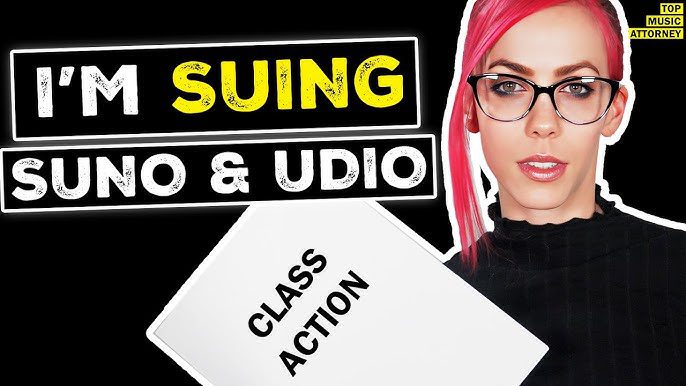
Phoenix-based Miss Krystle, who has built a 500,000-strong social media following as “Top Music Attorney,” has launched class action lawsuits against AI music platforms Suno and Udio on behalf of independent artists. The dark pop artist and entertainment lawyer argues that while major record labels have their own litigation against these companies, independent creators—whose music comprises the majority of training data—have been “left without a seat at the table”.
Miss Krystle’s dual identity as both creator and legal advocate uniquely positions her for this fight. Her music appears on Disney+, Hulu, and primetime television, and she runs her own record label with producer That Orko. As a TEDx speaker and Arizona State University law graduate with a decade of practice, she has consistently championed independent artist rights.
The lawsuit, filed through her firm Delgado Entertainment Law in partnership with class action specialists EKSM, was triggered by a May 2025 US Copyright Office report suggesting AI training on expressive works like music likely doesn’t qualify for fair use protection. Miss Krystle demands damages for creators and permanent injunctions against unauthorized music usage, declaring “these companies committed copyright infringement and now they owe you money“.
Independent artists can join Miss Krystle’s legal fight by visiting her campaign website at indieailawsuit.com, where they can register as plaintiffs through an online form to participate in the class action lawsuit. This grassroots approach allows individual creators to band together against AI companies that have allegedly used “tens of millions” of publicly available songs without authorization or compensation.
About the author

Covering AI music tools, industry shifts, and news for music creators and professionals. Twice-weekly newsletter at aimusicpreneur.com.