AudioShake CEO Jessica Powell on the 2026 AIMS: AI Music Summit, where AI helped an ALS patient sing again
My stack My fav 6 tools for AI music after testing 70+
-
 ElevenMusic · Music generation
 -
 Moises · Stem separation
 -
 Controlla · Voice swap & cloning
 -
 Cryo Mix · Mixing + mastering
 -
 Neural Frames · Music videos
 -
 ONCE · Distribution
Some links are affiliate links — I earn a commission at no cost to you. Every tool here is one I run myself and truly believe in. This stack is proven.
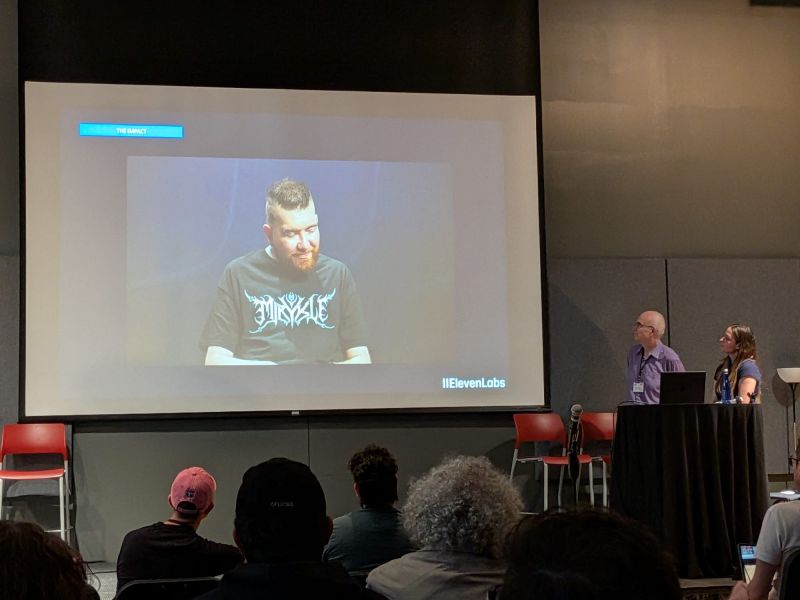
AudioShake co-founder and CEO Jessica Powell recapped the 2026 AIMS: AI Music Summit on June 8, 2026, and the scene she described split in two. Outside the venue, Berklee College of Music students stood in the Boston heat with “No AI Music” signs, singing and playing live. Inside, the talks were calmer and more technical than those signs would lead you to expect.
You can dislike something and still be fascinated by it. Be wary but still be curious.
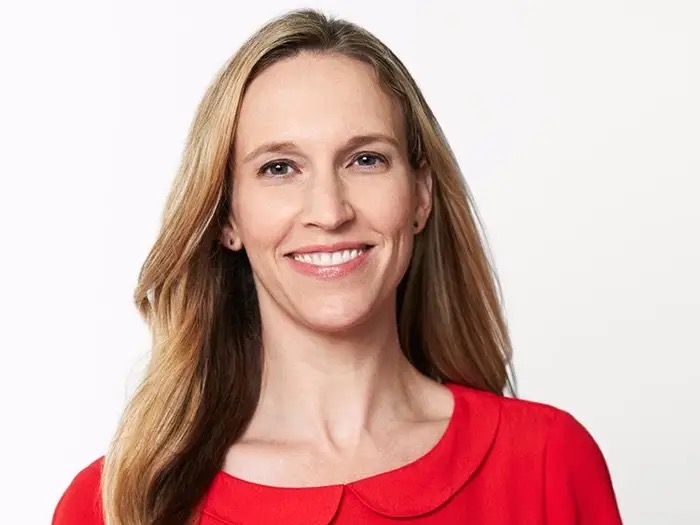
Berklee students protested outside while the AIMS: AI Music Summit panels dug into detail
Powell, writing on LinkedIn, said the program ran across licensing frameworks, real-time generation, mastering, the need for diverse training data, and how and when AI should surface inside a DAW. One presentation stood out. Researcher Richard Cave showed how he used AudioShake to isolate a voice and ElevenLabs to clone it, restoring the singing voice of a patient with ALS so he could perform with his band again.
The same generative voice tech that draws objection for creative work is the tech that gave a man his voice back. There was also a live jam session built on Suno, the company facing the loudest creator backlash of the year.
Why nobody on the AIMS: AI Music Summit 2026 panels was asking for AI
On the CEO panel, Powell sat with Constantin Koehncke, Jeff Wright, Pascal Pilon, and Bill Putnam Jr. The question put to them: what AI are your users actually asking for? The answer was that nobody asks for “AI.” People surface a problem they want solved, usually a tedious or once-impossible task, and the tool is whatever clears it.
That reframes the protest outside. The students singing “No AI Music” are reacting to a category, while the people using these tools are reacting to specific jobs: clean stems, a usable master, a voice that illness took away. Both reactions are real. The catch is that nuance never fits on a protest sign, including the long history of new tools getting called fake before they became normal.
Powell closed on the contradiction rather than resolving it: people love this stuff, they hate it, and most are still trying to make sense of it. Her words, “what an interesting moment in time it will be to look back on in ten years.”
This story was covered in The AI Music Briefing, the weekly Friday read on AI music news.
Frequently asked questions
What is the AIMS: AI Music Summit?
The AIMS: AI Music Summit is a music and AI conference. The 2026 edition was held in early June. AudioShake co-founder and CEO Jessica Powell attended and recapped it on LinkedIn, describing sessions on licensing frameworks, real-time generation, mastering, training data, and how AI should surface inside DAWs.
How did Richard Cave use AudioShake and ElevenLabs at the AIMS: AI Music Summit?
Researcher Richard Cave presented work in which he used AudioShake to isolate a singing voice and ElevenLabs to clone it, restoring the singing voice of a patient with ALS so he could perform with his band again.
Why did Berklee students protest outside the AIMS: AI Music Summit?
A group of Berklee College of Music students stood outside the venue with "No AI Music" signs, singing and playing live. Powell framed their protest as understandable while arguing the conversation inside the room was more nuanced than the signs suggested.
About the author
Covering AI music tools, industry shifts, and news for music creators and professionals. Twice-weekly newsletter at aimusicpreneur.com.