How I'd launch a single in 30 days with AI in 2026
My stack My fav 6 tools for AI music after testing 70+
-
 ElevenMusic · Music generation
 -
 Moises · Stem separation
 -
 Controlla · Voice swap & cloning
 -
 Cryo Mix · Mixing + mastering
 -
 Neural Frames · Music videos
 -
 ONCE · Distribution
Some links are affiliate links — I earn a commission at no cost to you. Every tool here is one I run myself and truly believe in. This stack is proven.
Most guides on how to release a single hand you a checklist and skip the part that decides everything: the order. This is a 30-day single release plan that takes one track from a blank screen to a real release, then to your first income by day 45, with AI doing the heavy lifting at every phase. You need 30 to 45 minutes a day, no label, no PR budget, and no existing following.
You bought the plugins. You watched the tutorials. You dropped a song last month and 11 people heard it.
I’ve tested every tool in this plan and shipped 144+ newsletter issues pulling them apart. This takes 30 days. The song still has to be good. AI gets you most of the way, and the last stretch is you.
How to release a single in 30 days: the 5-phase plan
Most artists start with the last step. They finish a song, hit release, then go looking for listeners the same day. That is backward.
A release is not a starting line. It is the payoff for two weeks of warming people up. The song is 20% of the work. The 30 days around it are the other 80%.
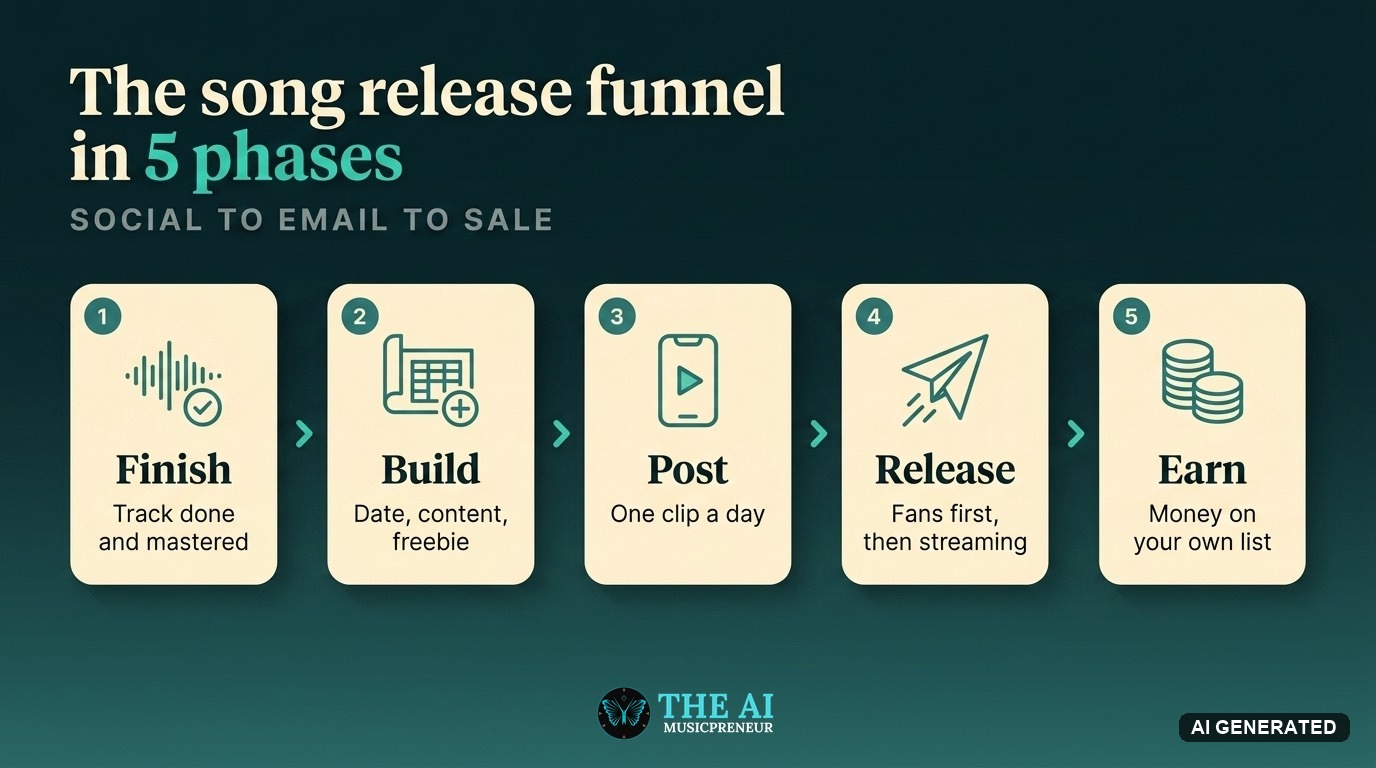
Here is the sequence:
- Finish (days 1-10): get the track done and mastered with the tools you already have.
- Build (days 8-14): set the date, write the content, and put up the freebie before you post once.
- Post (days 15-27): one clip a day, turn viewers into emails.
- Release (day 28): sell to your fans first, then drop on streaming.
- Earn (days 29-45): the money comes last, on your own list, on purpose.
Miss a day? Do it tomorrow and move on. Nobody is grading you.
The music release strategy behind the plan: attention, email, income
The warming up has one shape. A funnel:
- Get attention with content on social. That is the top.
- Turn that attention into an email address. That is the middle, and it is the part people skip.
- Sell to that email list. That is the bottom, where the money is.
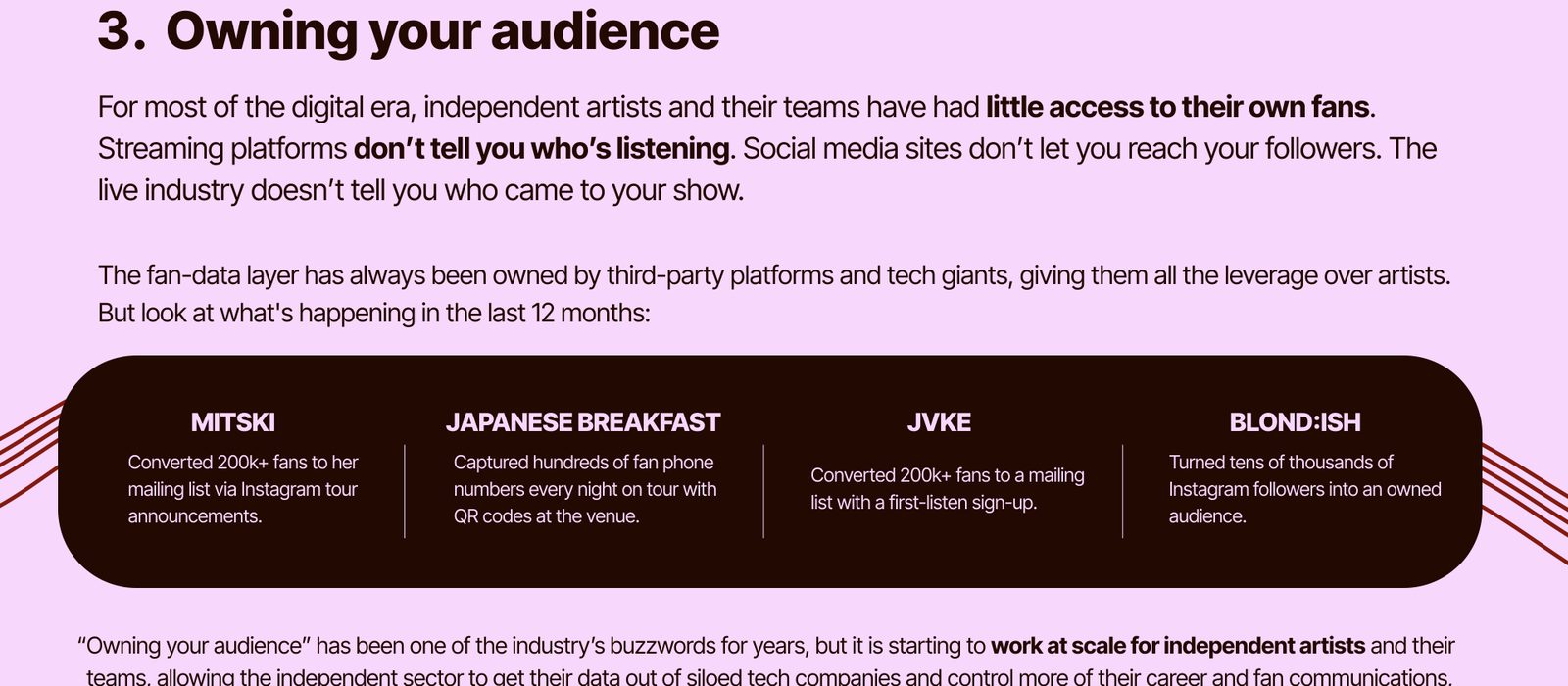
Social reach is rented. The platform decides who sees you, and tomorrow it changes its mind. An email address is yours. You can reach the same person for this song, the next one, the merch, the show.
This is why I do not send people to a pre-save link. A pre-save buys you one small algorithm nudge on release day, then the fan is gone. A freebie that trades a download for an email buys you that fan for years.
I’ve made thousands from my own newsletter this exact way. I did it for my mom too, a cosy-crime author, into five figures. Same funnel. Different product.
Social gets the attention. Email keeps it. Email is where you get paid.
1. Finish the track with AI production tools (days 1-10)
This phase produces one mastered .wav you are proud of. It comes first because everything after it is promotion, and you cannot promote a song that does not exist.
The work:
- Use what you already have. FL Studio, Ableton, Logic, or Suno. The tool that gets you to a finished song is the right tool. Do not go shopping for a new one this week.
- Sketch in Riffle first if you want. I like Riffle for the idea stage: it runs free in your browser, you play and arrange parts, and the sous chef fills gaps on request. I develop the idea there, then finish it properly in my DAW. My full walkthrough: how to make a song in your browser with Riffle.
- Stuck on the words? Turn your story into lyrics that scan and rhyme with my song-lyrics skill, free on GitHub.
- Hand the stems to RoEx or Cryo Mix. Both mix and master in one pass, so you skip two separate tools. Cryo Mix mixes from a text prompt with its Nova agent, you describe the sound in words. RoEx is the mixing engine behind Music.AI and Moises, and it masters for UnitedMasters, so the output holds up next to paid records.
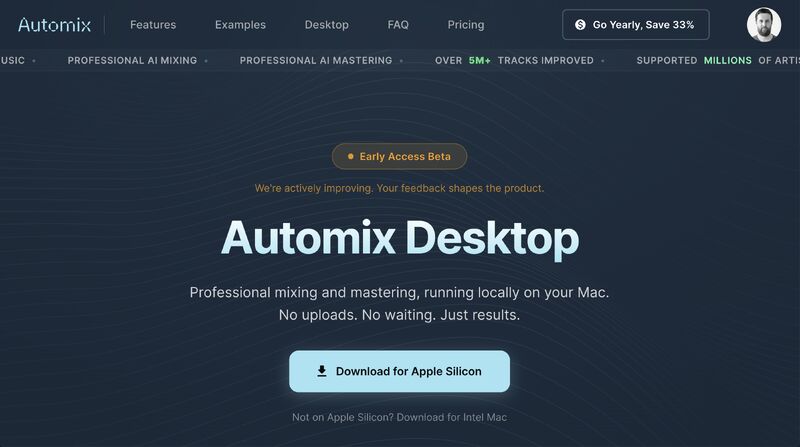
A prompt that works in Cryo Mix: “Mix this track for streaming. Keep the lead vocal on top and clear. Tighten the low end so the kick and bass stop fighting. Add light warmth across the mix. Master it to -14 LUFS so it sits right on Spotify without sounding squashed.”
The fear: “My mix still won’t sound pro.” It will not be a $2,000 studio master. It will clear the bar for a first single, and you can pay a human engineer later once the song earns it.
By day 10 you have: one finished, mastered single as a .wav, made with tools you already own, and zero new software bought.
2. Build the freebie and content engine before release (days 8-14)
This phase produces a locked release date, two weeks of content, and a freebie that captures emails. All before you post anything. Posting with nothing to capture the attention is how you waste it.
The work:
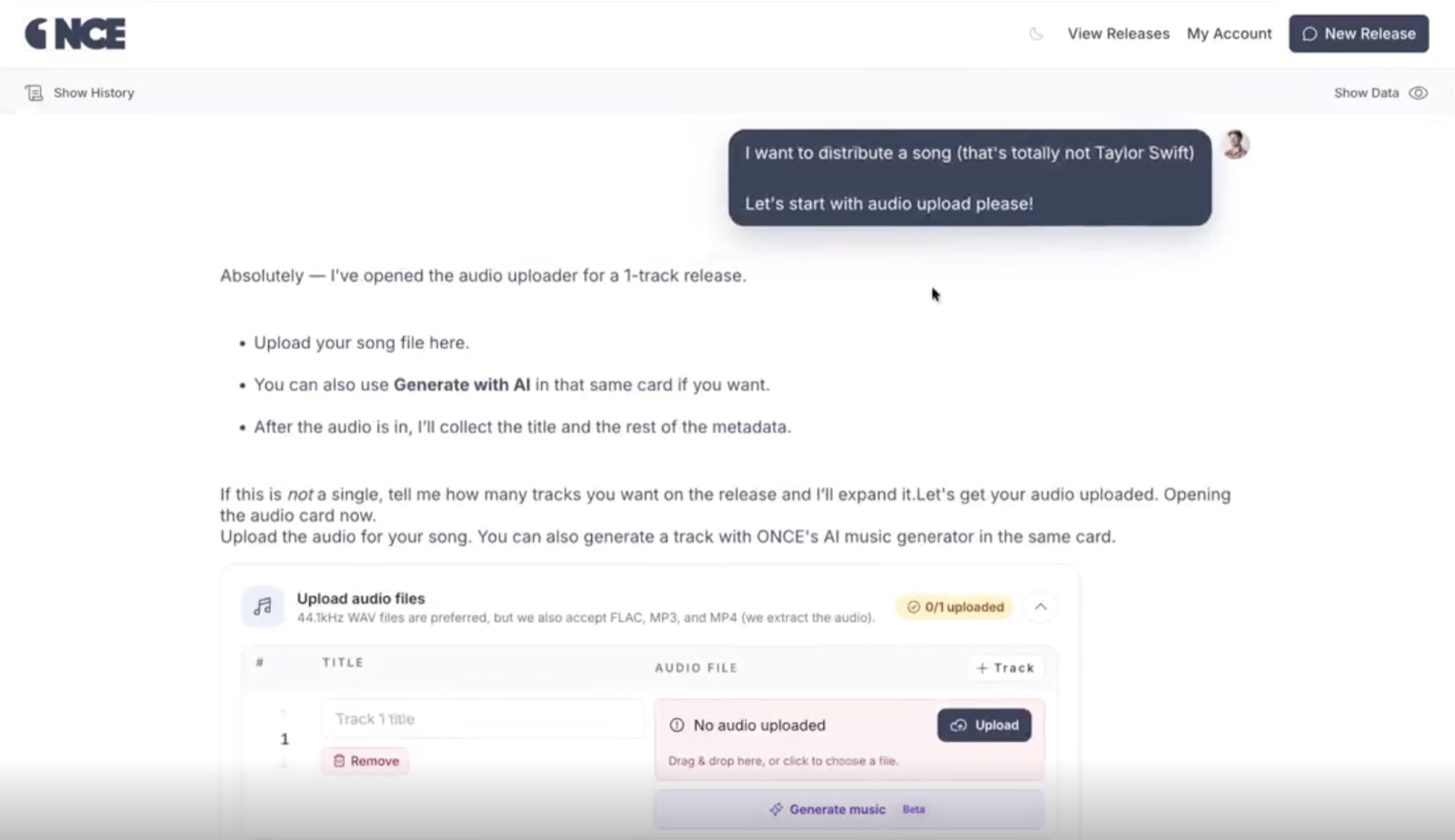
- Schedule the release on ONCE. Set the date 2 to 3 weeks out. ONCE is an AI music distribution chatbot: you talk to it, it handles the metadata and copyright clearance, and it ships your single to 30+ platforms. My full review: ONCE review.
- Turn your song into content ideas. My song-release-strategy skill takes what the song is about, the lyrics, and your bio, and hands back 16 content ideas built on the story, not on “go stream my song.” Free on GitHub.
- Turn the ideas into scripts. Run those ideas through my reel-script-writer skill and it writes each one as a short video script you can shoot, hook first. Also free.
- Build one freebie worth an email. An acoustic version, a stem pack, a lyric booklet, the story behind the song. Put it behind a simple email signup. This is the thing every post sends people to. If email is new territory, start with email marketing for musicians.
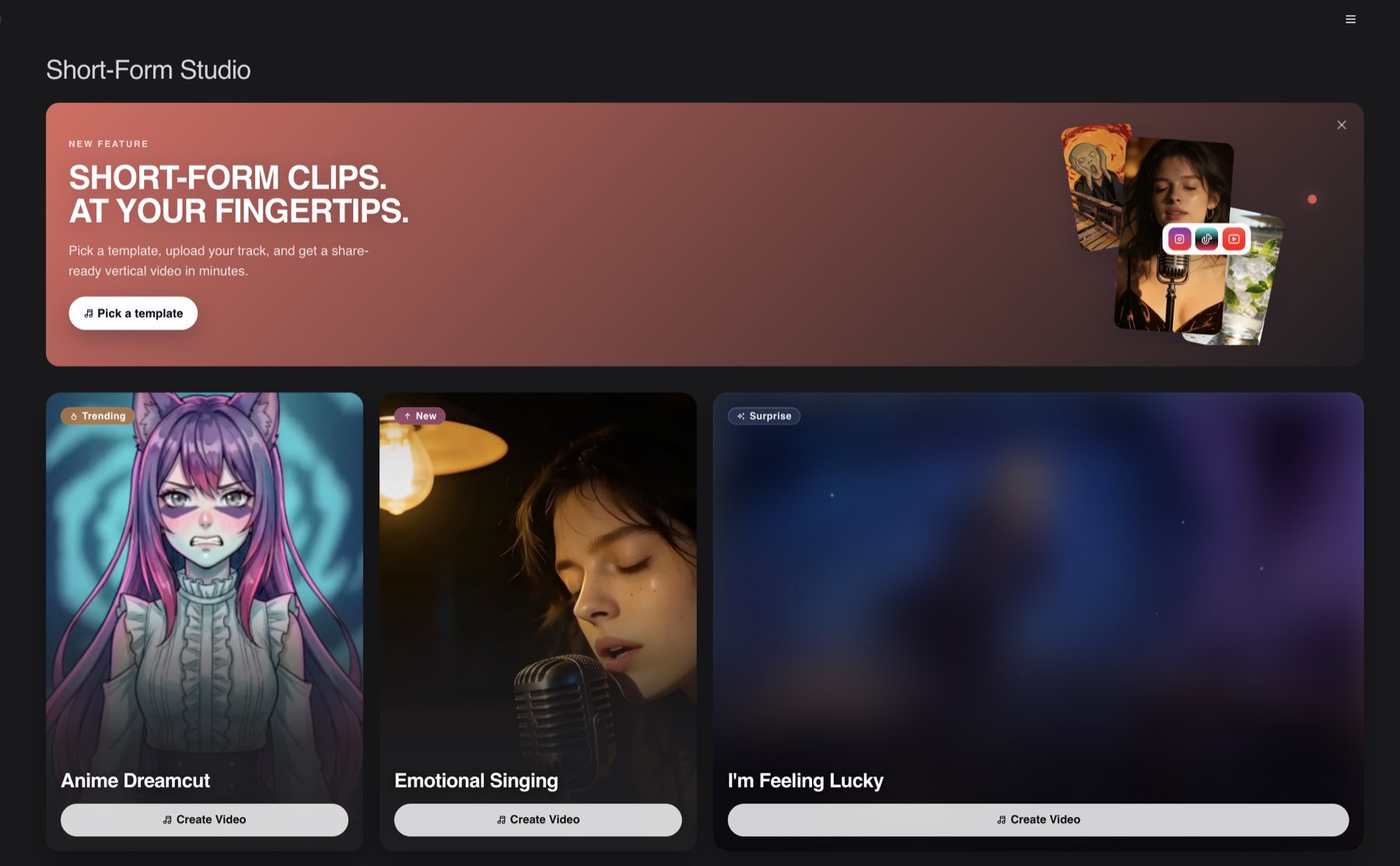
- Want visuals for the clips? Neural Frames now has a short-form studio that builds vertical visuals for a snippet of your song, ready to post on TikTok, Reels, or Shorts. It is a fit if you run an AI artist or a virtual character, and just as useful for a working musician who does not want to clone themselves but still wants an immersive visual to post the song with. It also builds a full audio-reactive lyric video from your .wav, from $39 a month. Here is how to make AI music videos with Neural Frames.
The fear: “A freebie feels like giving work away.” You are trading one free thing for an email address you keep. That address is worth more than one stream, because you can use it a hundred times.
By day 14 you have: a release date locked on ONCE, 16 content ideas turned into shootable scripts, and a freebie live behind an email signup.
3. Promote the single daily and turn viewers into emails (days 15-27)
This phase produces an email list that did not exist two weeks ago. The goal of a post is not a view. It is an email. Views you rent, emails you own. This is where AI music promotion earns its keep: the scripts are written, so you shoot, post, and talk to people.
The work:
- Post one clip a day from your scripts. Different hook, same destination.
- Send every clip to the freebie. One call to action, every time: the free thing, in exchange for an email.
- Watch which hook lands. The clip that outruns the rest tells you the angle for release day.
- Reply to every comment. The first 50 subscribers come from conversations, not reach.
The fear: “What if the clips flop?” Some will. You are running 13 cheap tests to find the 2 hooks that work, and every email you capture stays even when a video dies.
By day 27 you have: 13 posts live, a growing email list, and a read on which hook pulls hardest.
4. Release day: sell direct-to-fan first, then hit streaming (day 28)
This phase produces a live single, released in the order that pays.
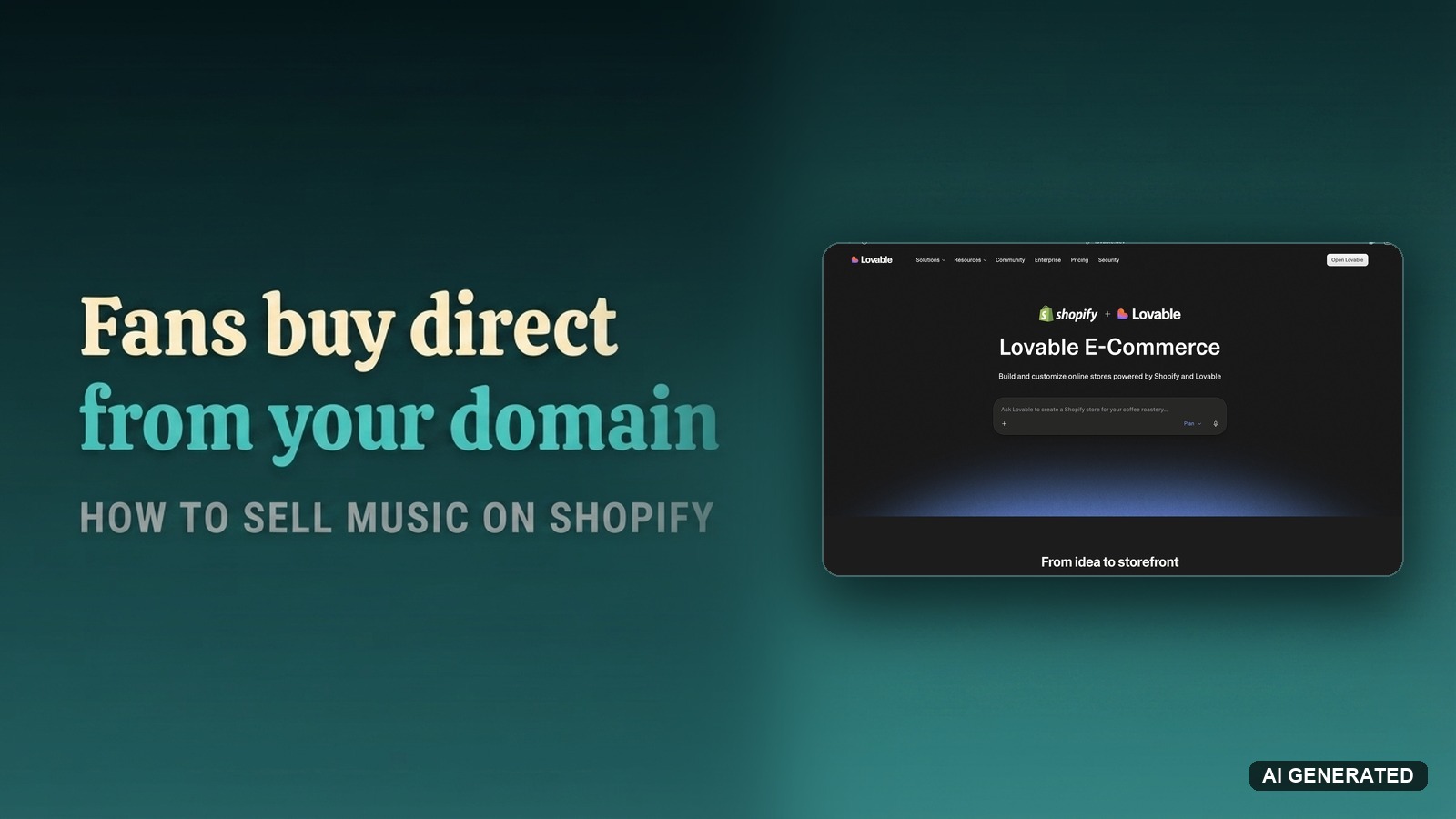
Sell music directly to fans on EVEN or OpenStage (advanced)
Skip this step if this is your first release and you have no list yet. It only pays off when you have fans you can mobilise.
If you do have a list, sell the song to them before Spotify ever sees it:
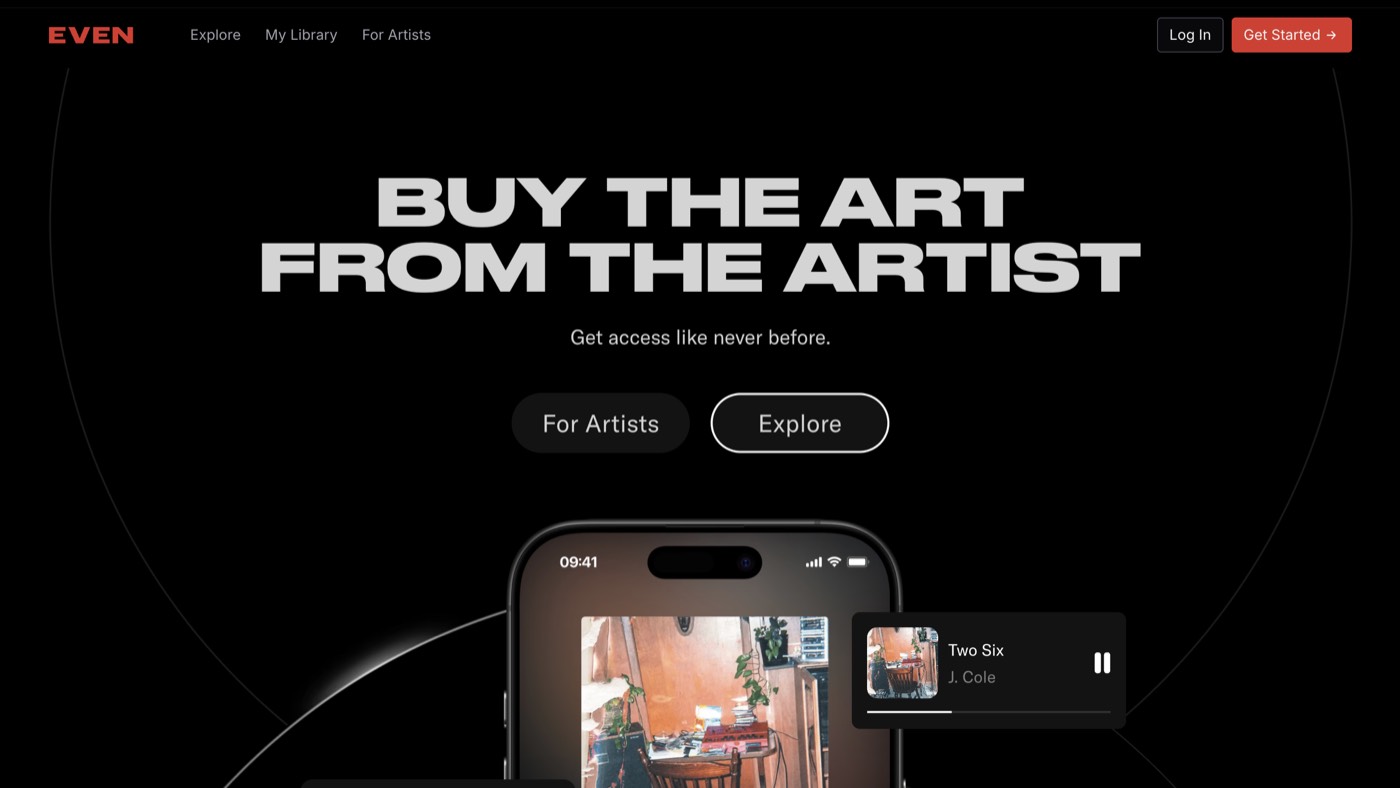
- EVEN is the indie route. Fans pay to own the release before it hits streaming, around $20 each, you keep the revenue and their email, EVEN takes about 20%, and payouts land daily. Those sales can even count toward the Billboard and UK charts.
- OpenStage is the route for established acts. It runs presales and fan clubs off your own fan data, and artists like Lana Del Rey, Radiohead, and Oasis use it. Reach for it once you are at that scale.
Selling here first means your truest fans pay real money for the song while it is still exclusive. Then you drop it wide on the DSPs.
Then release everywhere
- Confirm it went live across your platforms on ONCE.
- Post your best video, the hook that won in phase 3.
- Email your list. Ask for a save and a share on day one. Day-one saves teach the algorithm to keep pushing.
- Then stop refreshing. The launch is a checkpoint, not the finish.
By day 28 you have: a single live on 30+ platforms, your best video posted to a warmed-up audience, and day-one saves from your email list.
What to expect from your first single release
Honest numbers, not guru numbers. A first single run like this gets you a few hundred real listeners, a handful of saves, and a small email list of people who care. That is on track. That list is the base you build the next release on.
Anyone promising 100k streams from one 30-day plan is selling you something.
5. Earn from your email list (days 29-45)
This phase turns your email list into income. It comes last for a reason: you sell to people who trust you, and trust took the last four weeks to build.
The work:
- Pick one goal. A paid membership, merch, or show tickets. One, not all three.
- Send a welcome sequence to everyone who grabbed the freebie. Start with the story behind the song, keep it personal, and only pitch in the final email. A 3 to 5 email sequence is enough.
- Keep selling direct on EVEN or OpenStage if you have the base for it. Direct-to-fan pays daily, streaming pays in months.
The fear: “This is slow.” It is. The 1,000 true fans math still holds: 500 to 1,000 people who pay beats a million who scroll past. This is day 1 of building that, and the email list is what makes it repeatable.
By day 45 you have: your first income from the single, an email list you own, and one paid offer live.
Your single release checklist, compressed
- Finish the track in your own DAW or Suno, sketch in Riffle, master in RoEx or Cryo Mix (days 1-10)
- Schedule on ONCE, turn the song into 16 ideas and scripts with the free Claude skills, put up a freebie (days 8-14)
- Post one clip a day and turn viewers into emails (days 15-27)
- Sell to your fans first on EVEN or OpenStage, then release on streaming (day 28)
- Earn from your own email list (days 29-45)
The whole plan lives or dies on the order. Finish before you promote, build the funnel before you post, capture emails before you sell. Get the sequence right and a first single with no fanbase still ends with real listeners, an owned email list, and your first income by day 45.
Pick your song today. Start day 1.
Frequently asked questions
How do I release a single independently in 30 days?
Work in 5 phases: finish the track with AI production tools in days 1-10, build a freebie and 2 weeks of content in days 8-14, post daily and collect emails in days 15-27, release on day 28, and monetize your list by day 45. The order matters more than any single tactic.
How much does it cost to release a single with AI tools?
The floor is $2, the flat ONCE distribution fee for an AI release, with 100% of royalties kept. Production runs free in Riffle and browser tools, RoEx and Cryo Mix have free tiers for mixing and mastering, and a Neural Frames lyric video adds $39 a month only if you want one.
Do I need a pre-save campaign to release a single?
No. A pre-save buys one small algorithm nudge on release day and then the fan is gone. A freebie that trades a download for an email address keeps that fan reachable for every future song, show, and merch drop, which is why this plan sends every post to an email capture instead.
Can I use AI to promote my music?
Yes. In this plan AI turns the song's story, lyrics, and artist bio into 16 content ideas, writes the short-video scripts for each one, and generates the lyric video in Neural Frames. You still shoot and post the clips, and you still answer every comment yourself.
How do I sell my music directly to fans?
Use a direct-to-fan platform before the streaming release. EVEN lets independent artists sell a release early, keep the fan emails, and get daily payouts, with fans paying around $20 to own it. OpenStage runs presales and fan clubs for established acts like Lana Del Rey and Radiohead.
About the author

Covering AI music tools, industry shifts, and news for music creators and professionals. Twice-weekly newsletter at aimusicpreneur.com.