A fake artist took 94% of Makeshift Hammer's Spotify royalties with a sped-up copy of their own album
My stack My fav 6 tools for AI music after testing 70+
-
 ElevenMusic · Music generation
 -
 Moises · Stem separation
 -
 Controlla · Voice swap & cloning
 -
 Cryo Mix · Mixing + mastering
 -
 Neural Frames · Music videos
 -
 ONCE · Distribution
Some links are affiliate links — I earn a commission at no cost to you. Every tool here is one I run myself and truly believe in. This stack is proven.
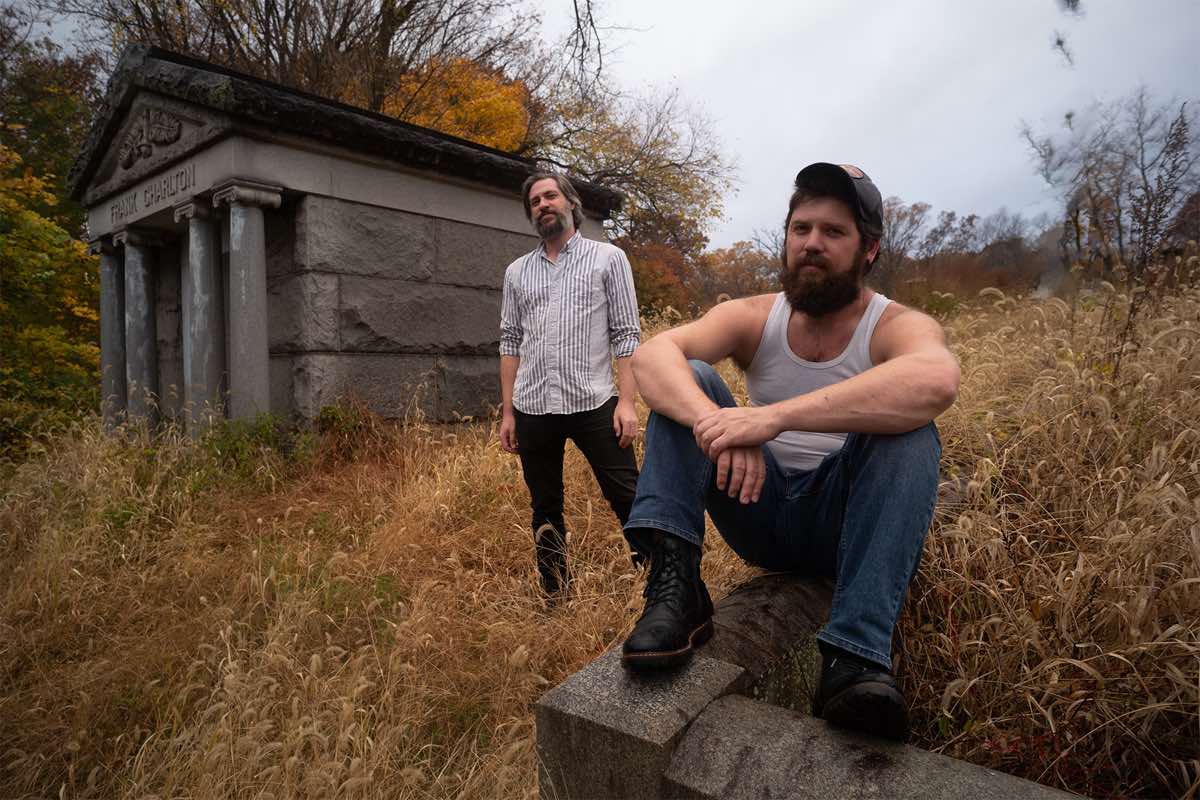
A fake artist named Carey Dupont took 94% of the Spotify royalties earned by Philadelphia folk duo Makeshift Hammer, using an album of the band’s own songs at altered speed. Band member Owen Lyman-Schmidt told the story in Philadelphia Magazine on July 10, 2026, and Digital Music News picked it up two days later.
The discovery came from a fan, not a fraud filter. A longtime listener messaged Lyman-Schmidt about an album called Blue Road, credited to an artist he’d never heard of, sounding like Makeshift Hammer “distorted a bit.”
The clone barely bothered to hide. The track titles were the band’s own with a word shaved off: “All My Friend” instead of “All My Friends,” “Banker and a Liar” instead of “Bankers and Liars.” The recordings were the band’s actual masters, sped up or slowed down, with AI-generated cover art on top. Carey Dupont had no website, no social media, and no other releases.
The fake outperformed the original by a wide margin. In the year before discovery, the Blue Road tracks collected close to 50,000 listens each. Many of the originals sat between 1,000 and 2,000, despite a 4-year head start.
Someone was using our music to play the streaming game and was massively outperforming us.
Why a sped-up copy slipped past Spotify’s fraud systems
The scam needed no music generation at all. A speed change alters a recording’s audio fingerprint enough to break exact-match detection, and the fingerprint is what fraud detection systems compare. AI’s only job here was the cover art.
Small catalogs carry a second weakness: they often sit outside the audio content recognition databases distributors use to flag copies. Folk musician Murphy Campbell hit the same gap in April, when a copyright troll claimed her recordings because her songs were never fingerprinted. Spotify’s impersonation policy targets profile hijacks like the Bridgit Mendler fake EP. A clone under a brand-new name touches none of those tripwires.
What the Carey Dupont clone means for independent artists
Ask your distributor whether your catalog is registered with audio content recognition services, and get it registered if the answer is unclear. Registration is what turns “someone stole my album” from a support ticket into an enforceable claim.
Your audience is a detection layer no platform offers. The tip came from a fan who knew the songs well enough to hear the distortion, which is one more argument for owning a direct line to your listeners. Spotify’s fraud crackdown works the aggregate. Nobody at the platform is listening for your record specifically.
Frequently asked questions
Who is Carey Dupont, the fake artist behind the Blue Road album on Spotify?
Carey Dupont is an invented artist name someone used to re-upload Makeshift Hammer's music at altered speed with AI-generated cover art. The profile had no website, no social media, and no other releases. The album Blue Road was its only footprint, and it appeared on every major streaming service.
How did Makeshift Hammer find out their album was cloned on Spotify?
A longtime fan messaged band member Owen Lyman-Schmidt about an album on Spotify sounding like Makeshift Hammer's music, distorted a bit. No platform filter or distributor check flagged the copy. By then the cloned tracks had gathered close to 50,000 listens each.
How much did the Carey Dupont clone earn compared to Makeshift Hammer's originals?
The cloned tracks on Blue Road were played close to 50,000 times each in a year, while many of the band's original recordings sat between 1,000 and 2,000 listens despite a 4-year head start. By Owen Lyman-Schmidt's account, the fake collected 94% of the royalties his band's music generated.
Can a speed-altered copy of a song evade Spotify's duplicate detection?
In this case it did. Speeding up or slowing down a recording changes its audio fingerprint enough to slip past exact-match systems, and Makeshift Hammer's catalog was small enough to sit outside the audio content recognition databases distributors use to catch copies.
About the author

Covering AI music tools, industry shifts, and news for music creators and professionals. Twice-weekly newsletter at aimusicpreneur.com.