Top 5 AI Music News (Feb 16th – Feb 22nd 2026)
My stack My fav 6 tools for AI music after testing 70+
-
 ElevenMusic · Music generation
 -
 Moises · Stem separation
 -
 Controlla · Voice swap & cloning
 -
 Cryo Mix · Mixing + mastering
 -
 Neural Frames · Music videos
 -
 ONCE · Distribution
Some links are affiliate links — I earn a commission at no cost to you. Every tool here is one I run myself and truly believe in. This stack is proven.
1. SoundBreak Lets Fans Co-Write Songs With AI Versions of Real Artists
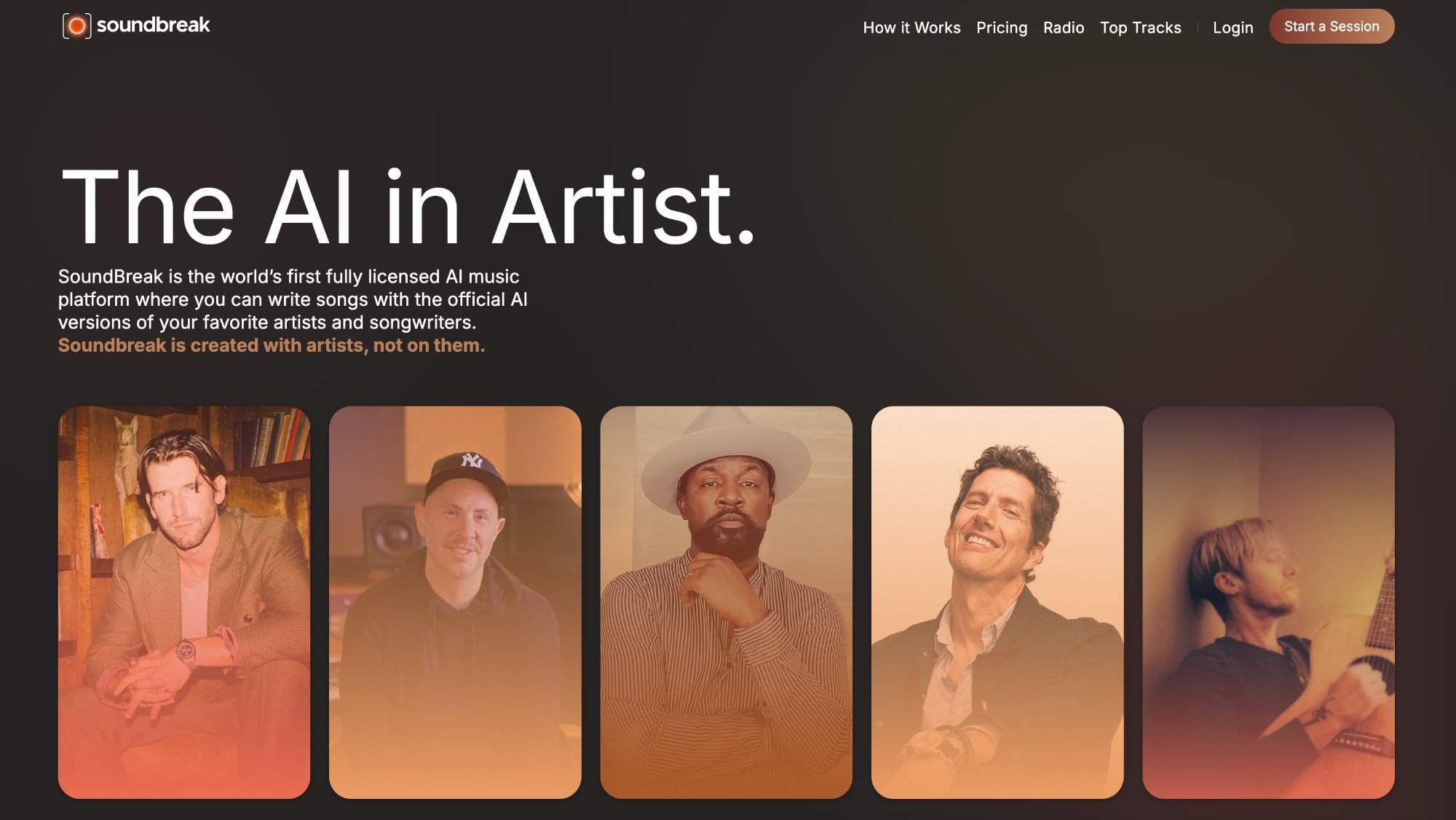
SoundBreak launched a platform where you co-write songs with AI models trained on authorized music from artists who opted in. The roster includes songwriters and producers who have worked with Taylor Swift, Panic! At The Disco, One Direction, and Andrea Bocelli.
You enter a 3D virtual studio, input lyrics or concepts, and receive melodies shaped by your chosen artist’s style. Finished tracks distribute to Spotify, Apple Music, and TikTok through built-in release tools. The service charges $29 monthly for Artist Mode, which includes 100 tracks and full distribution.
Royalties split between you and the original artists. This approach mirrors how sampling clearinghouses resolved hip-hop’s legal battles decades ago. If you create music, register your rights clearly and set boundaries for how third parties use your stems. Ethical AI tools prove you can monetize your sound on your terms.
2. AI Song Contest Seeks Head of Sponsorships
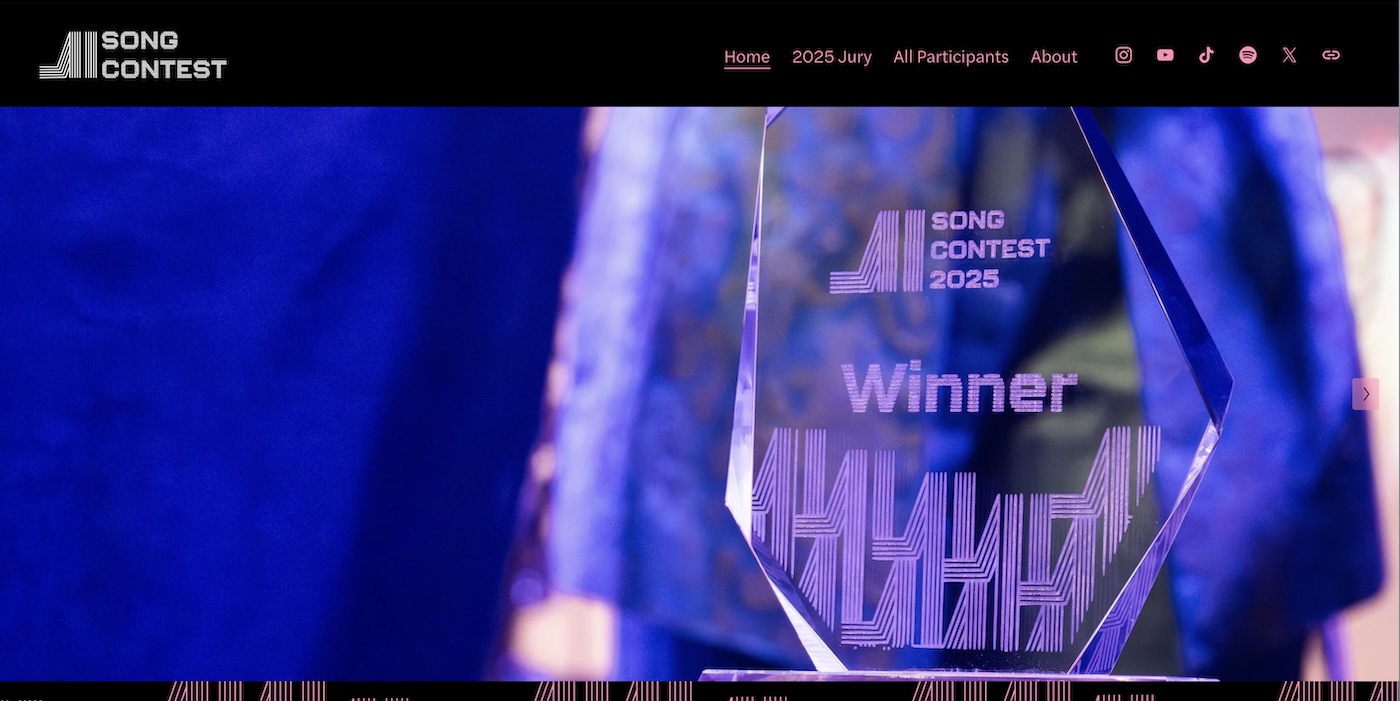
The AI Song Contest opened applications for a Head of Sponsorships and Funding position to secure financing for its 2026 edition. The international competition, now in its seventh year, supports over 150 teams exploring ethical AI music creation.
The six-month contract offers a 1,000 euro monthly retainer plus commission. You need five years of fundraising experience in arts or music festivals to qualify.
3. Google Adds Lyria 3 Music Generator to Gemini
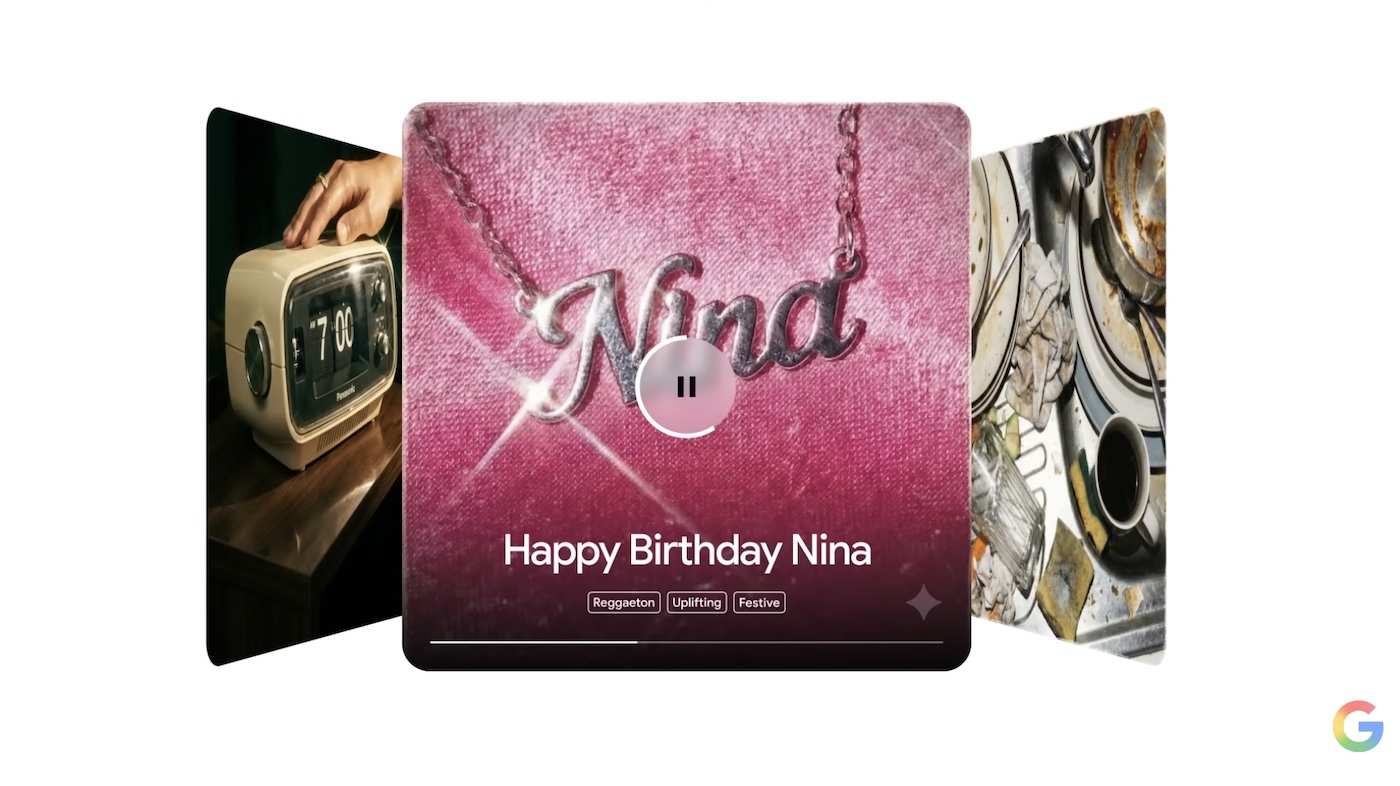
Google turned its Gemini chatbot into a music studio on February 18. The DeepMind Lyria 3 model now lets you type a prompt, upload a photo, or share a video to generate a complete 30-second song with vocals, lyrics, and cover art.
The model trained on over 2 million tracks. Output quality jumped to 24-bit audio. Every generated file carries an invisible SynthID watermark. You can upload any audio to Gemini and ask if Google AI created it.
Your workflow changes today. You generate scratch ideas in seconds instead of hours. Competing platforms like Suno and Udio now face Google’s distribution advantage across 750+ million users. The Music Generation API streams real-time audio to your applications.
4. Hook Raises $10M for Licensed AI Remix Platform
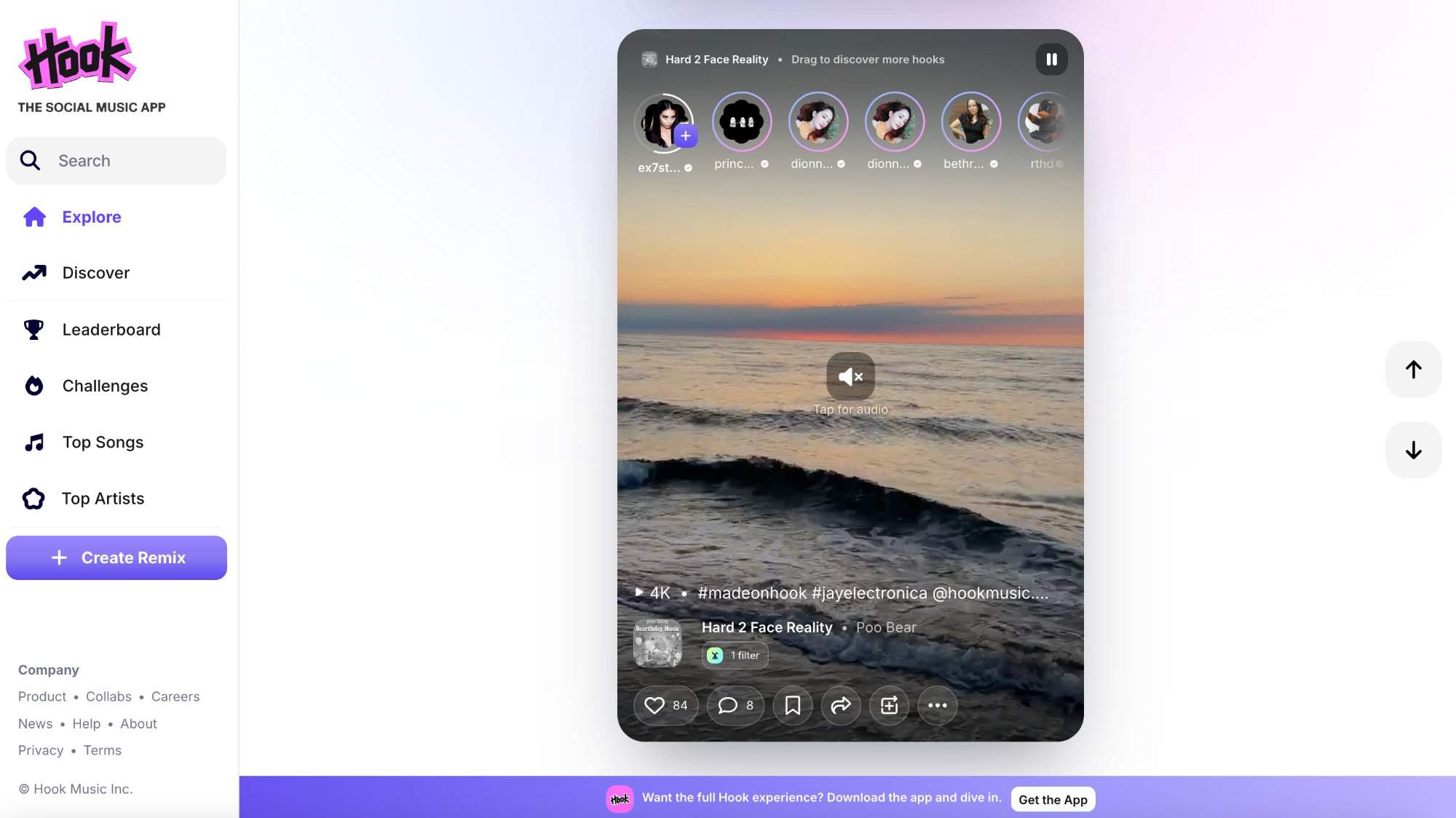
Hook secured $10 million in Series A funding led by Khosla Ventures, bringing total funding to $16 million. The AI remix app partners with Universal Music Group and Downtown Music, providing access to over 20 million licensed songs.
Active users grew 45 times in 12 months. Campaigns have generated 250 million social media views. The platform lets users create remixes while rights holders maintain ownership and earn revenue from each creation.
This fair AI licensing approach contrasts with unlicensed AI platforms facing copyright lawsuits. If you distribute music, ensure your metadata is accurate to capture royalties from licensed derivative tools. Independent artists distributing stems to platforms like Hook gain a new path to viral growth.
5. Diplo Posts Fake AI Video From Bad Bunny’s Super Bowl
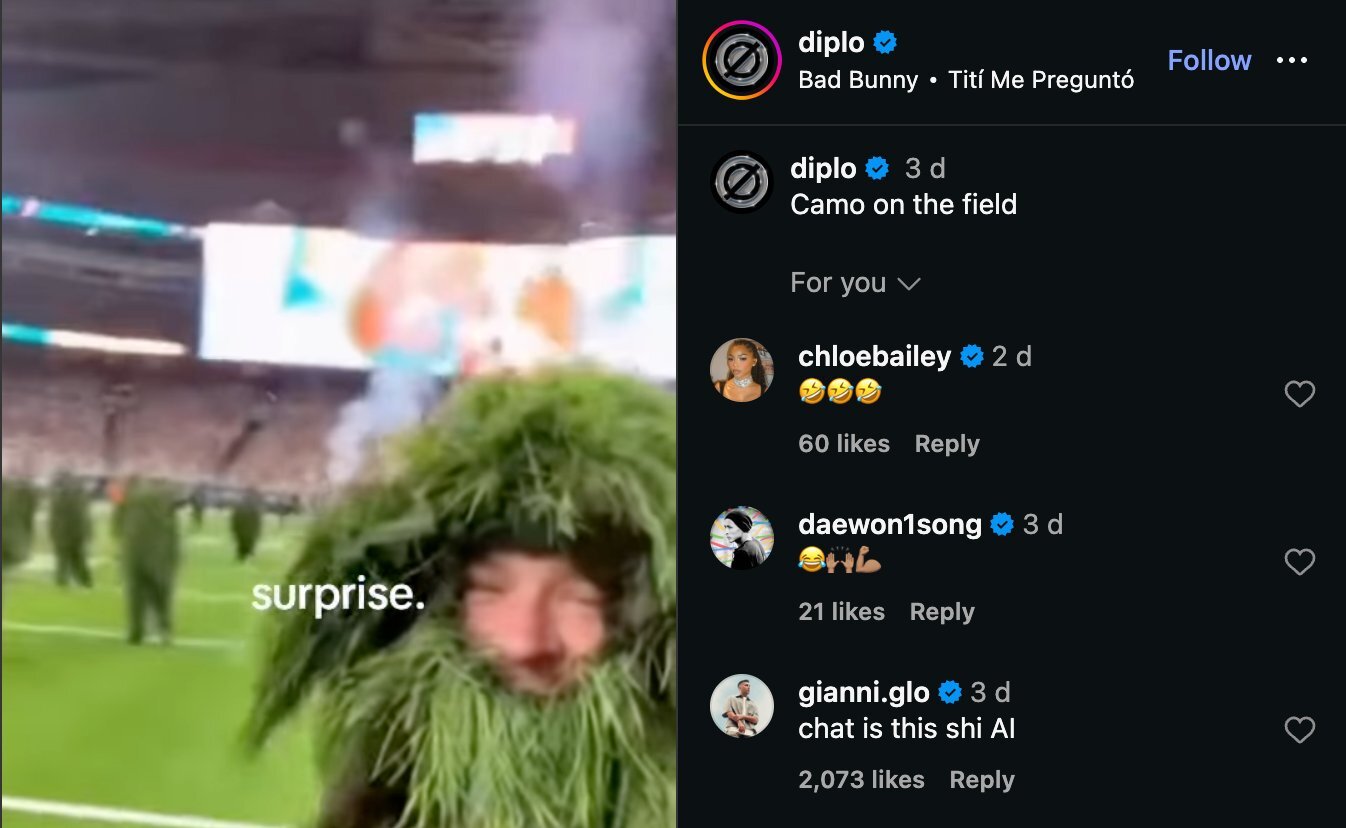
Days after Bad Bunny’s historic Super Bowl LX halftime performance, Diplo posted a video appearing to show himself inside one of the show’s famous bush costumes. The clip went viral. Then viewers noticed the stadium in Diplo’s video had a roof. Levi’s Stadium does not.
The costume Diplo wore didn’t match the taller, spikier designs from the actual performance. His video also lacked the elaborate staging elements that defined Bad Bunny’s set.
This stunt shows AI can now fabricate physical presence at real events. Green Day recently called out Will Smith for allegedly using AI to fake enthusiastic concert crowds. The pattern is emerging.
Your contracts need updating. Ensure they explicitly address who can generate your image. Tennessee’s ELVIS Act now explicitly targets voice and likeness misuse by AI. Protecting your likeness is no longer optional.”
About the author

Covering AI music tools, industry shifts, and news for music creators and professionals. Twice-weekly newsletter at aimusicpreneur.com.