4 ethical AI music tools that actually pay artists
My stack My fav 6 tools for AI music after testing 70+
-
 ElevenMusic · Music generation
 -
 Moises · Stem separation
 -
 Controlla · Voice swap & cloning
 -
 Cryo Mix · Mixing + mastering
 -
 Neural Frames · Music videos
 -
 ONCE · Distribution
Some links are affiliate links — I earn a commission at no cost to you. Every tool here is one I run myself and truly believe in. This stack is proven.

While debates rage over AI’s role in music, several companies are pioneering ethical models that compensate artists fairly.
These platforms show how innovation and creator rights can coexist — unlike controversial services like Suno and Udio, which face lawsuits for training on unlicensed music.
1. Voice-Swap: Artist-Approved Voice Cloning

Developed by producer Dan “DJ Fresh” Stein, Voice-Swap partners directly with singers like Ayah Marar (Calvin Harris) and Liam Bailey (Chase & Status) to create licensed AI voice models. Artists earn a 50% revenue share from subscriptions whenever their voice is used. The platform also uses watermarking to track misuse, ensuring accountability. They’re building a future where AI empowers artists instead of exploiting them.
2. Vocalist AI: Royalty-Free Professional Voices
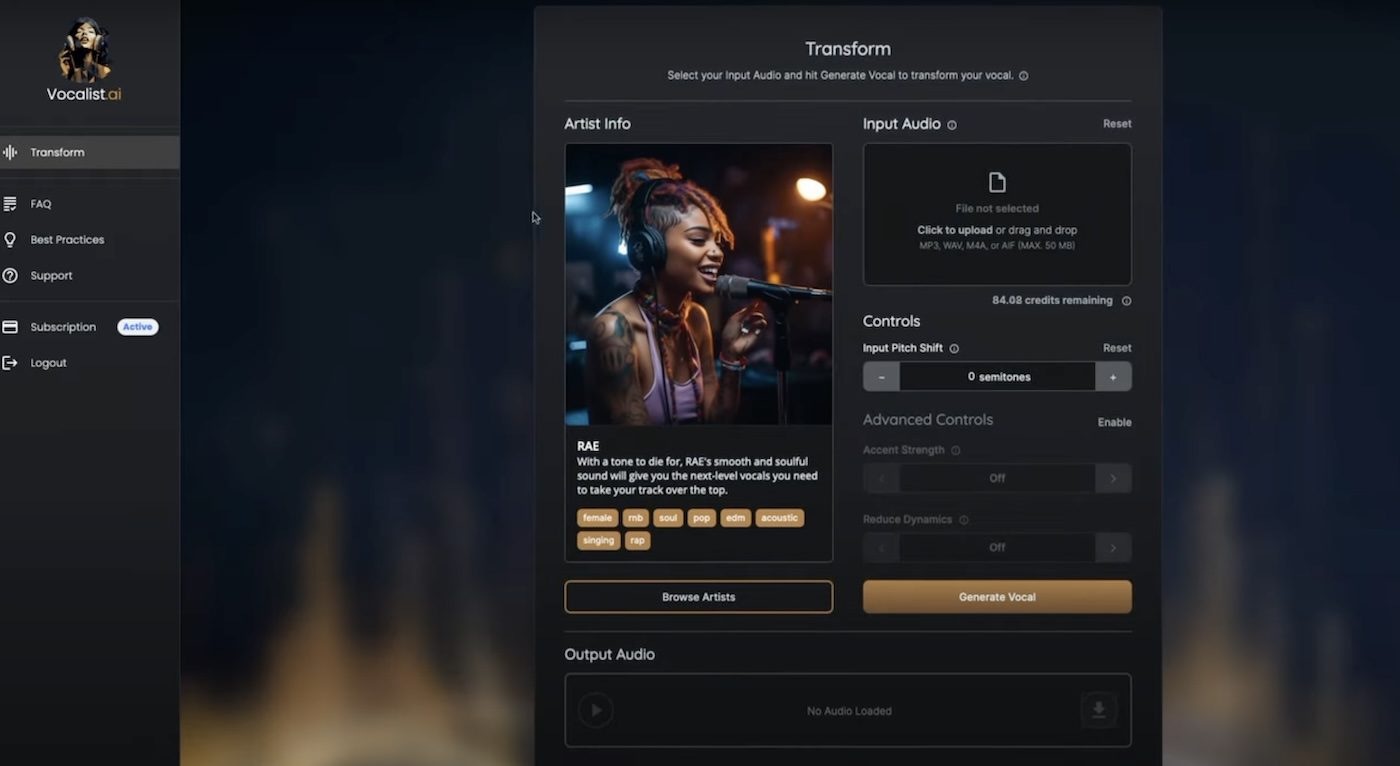
Launched in 2024, Vocalist AI lets creators transform vocals into styles resembling Beyoncé or Lizzo—but only with consent. Session singers receive a cut of subscription fees when their AI voice is used. While payment details remain vague, co-founder Andrew Frampton (The Script, Lewis Capaldi) stresses their goal is “to address real challenges in music production ethically”
3. Kits.AI: Passive Income for Voice Actors
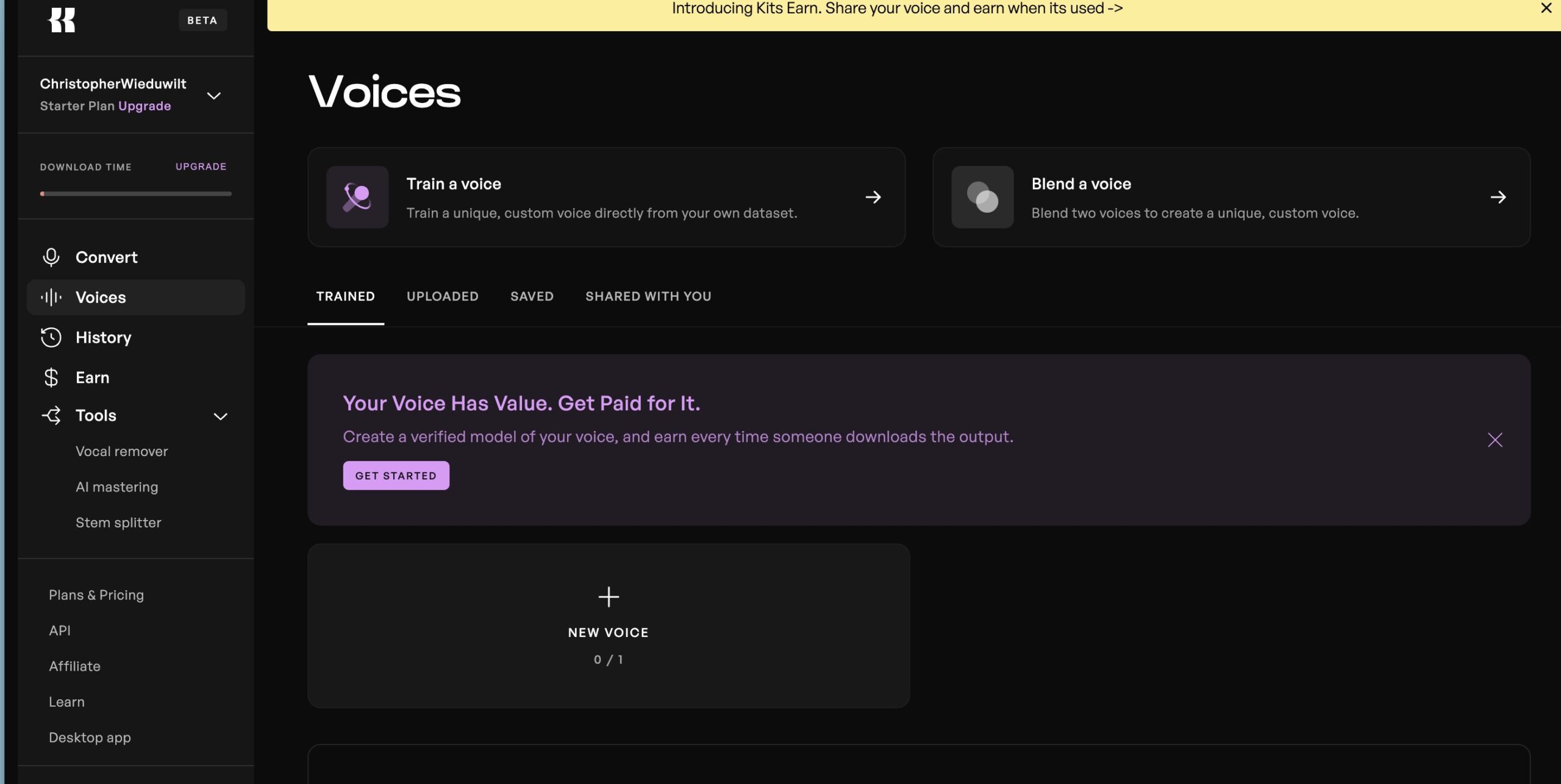
Kits.AI’s Earn program allows singers to monetize their voice clones. Artists upload vocal samples, set usage terms, and earn royalties each time their AI voice is used. For example, indie artists can license their voice for commercial projects without losing ownership.
4. Beatoven & Musical AI: Licensed AI Music
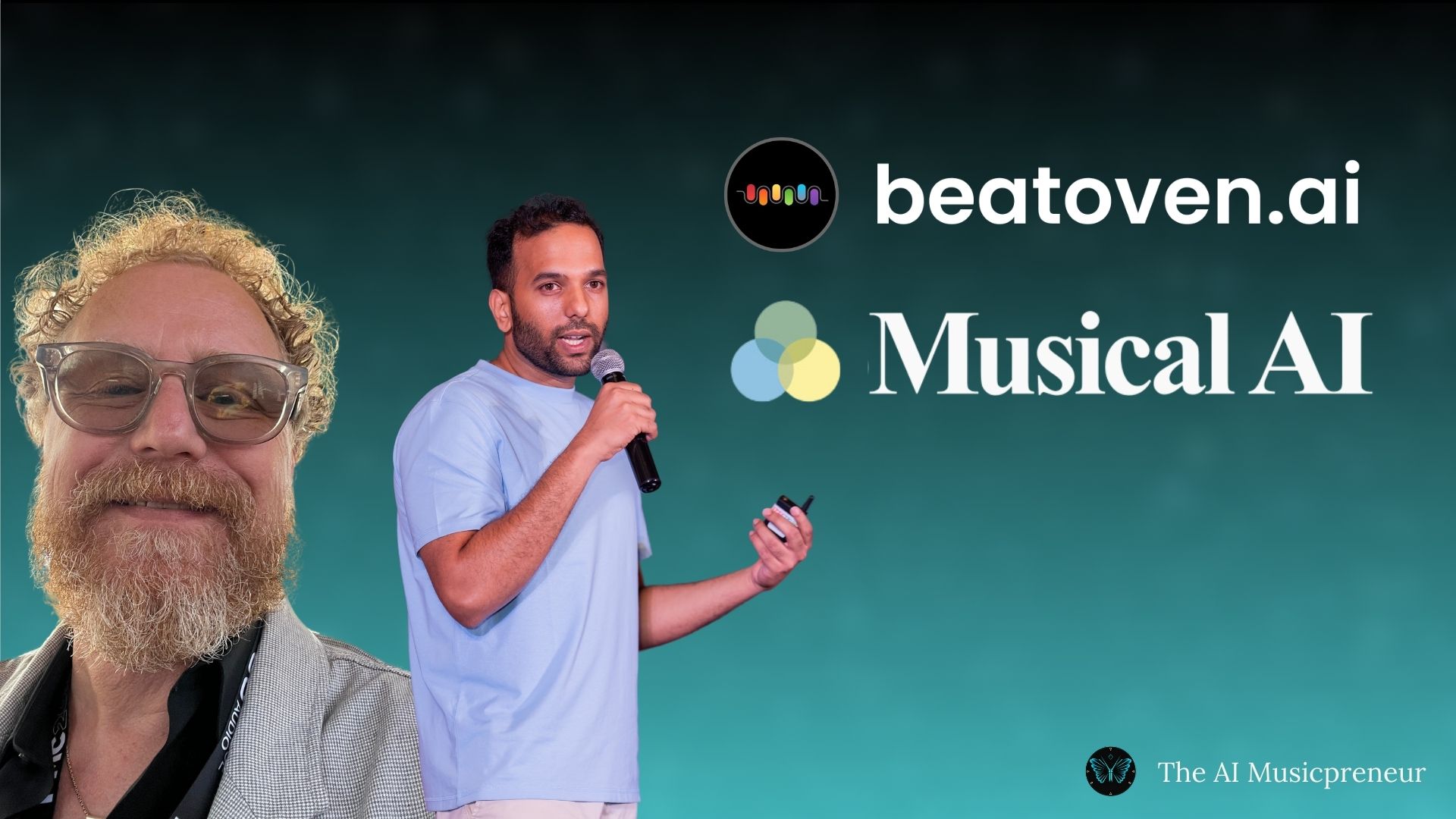
Upcoming partners Beatoven.ai and Musical AI aim to launch the first fully licensed AI song generator in 2025. Their model will pay artists when their music trains AI systems, addressing gaps left by services like Suno, which admits using “all accessible internet music” without compensation.
The controversial actors in AI music
- Suno & Udio: Sued by major labels for training on copyrighted tracks. Suno CEO Mikey Shulman claims their practices are “industry standard,” but the RIAA calls it “theft on an unimaginable scale”
- Riffusion: Offers no commercial rights for AI-generated songs, limiting usability for professionals.
The Ethical Advocates
Fairly Trained: Certifying Ethical AI
Nonprofit Fairly Trained certifies AI companies that obtain proper consent for training data. Their “Licensed Model” badge helps users identify platforms like Voice-Swap that respect copyrights, contrasting sharply with uncertified tools like Riffusion (currently in beta with no commercial rights).
Groups like AI:OK educate creators on balancing AI tools with ethics.
By supporting platforms that prioritize consent and compensation, artists can harness AI’s potential while safeguarding their craft. As the EU’s AI Act tightens rules, these models may soon set the global standard.
About the author
Covering AI music tools, industry shifts, and news for music creators and professionals. Twice-weekly newsletter at aimusicpreneur.com.