Thomas Bangalter says he is not interested in the creative use of AI, and the reason is prompting
My stack My fav 6 tools for AI music after testing 70+
-
 ElevenMusic · Music generation
 -
 Moises · Stem separation
 -
 Controlla · Voice swap & cloning
 -
 Cryo Mix · Mixing + mastering
 -
 Neural Frames · Music videos
 -
 ONCE · Distribution
Some links are affiliate links — I earn a commission at no cost to you. Every tool here is one I run myself and truly believe in. This stack is proven.
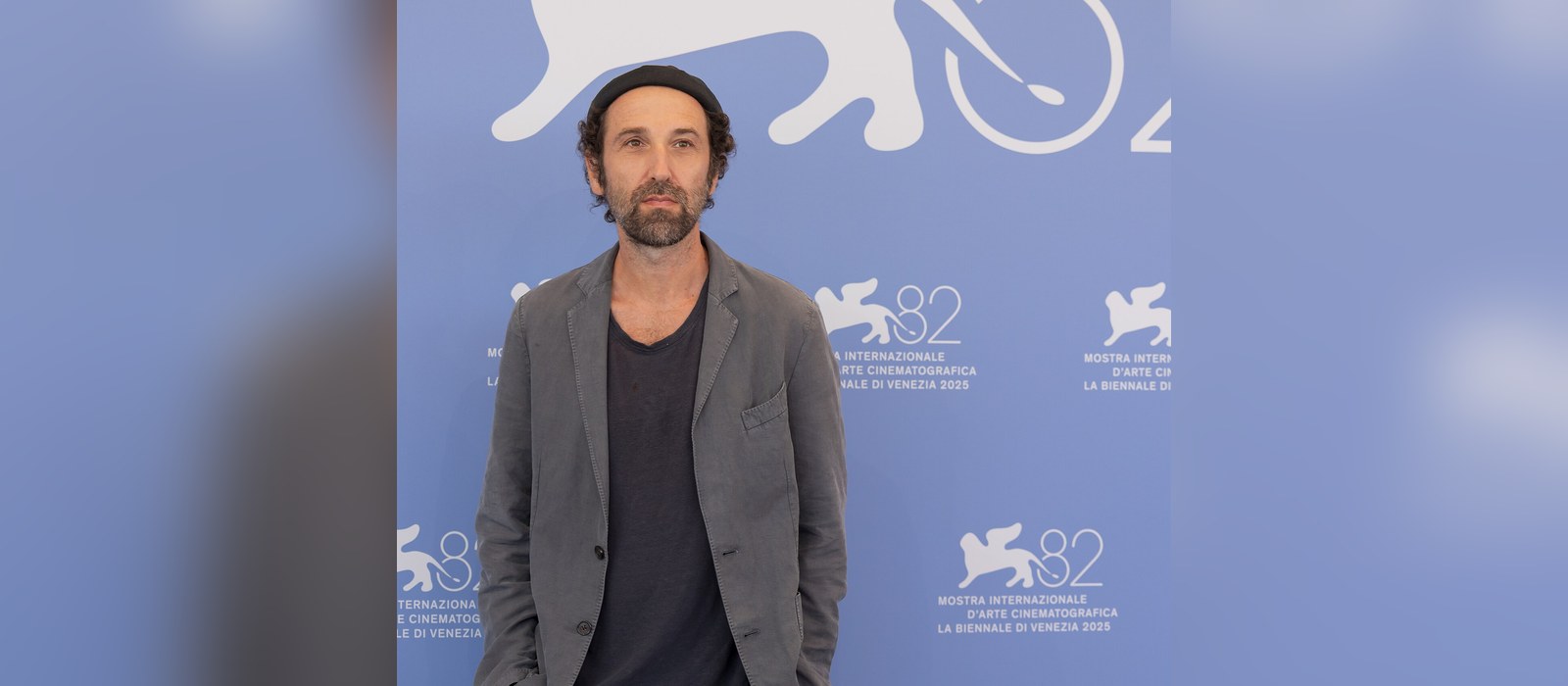
Thomas Bangalter, one half of Daft Punk, said he is not interested in the creative use of AI in an interview given to Chanel and reported by MusicTech on August 11, 2026. His reason is not the one the industry has spent two years arguing about.
Bangalter did not mention training data, consent, or compensation. He objected to prompting.
Why Thomas Bangalter rejects prompting rather than AI ethics
The problem, as he describes it, is that a prompt asks you to put the thing into words first. “My relationship to creation and my relationship to art is mostly happening at a deeper level, which does not express itself through words,” he told Chanel.
We need to surprise ourself and to be more and more unpredictable, and we can't have technology do that for us.
Read that next to how these tools work and the mismatch is clear. A generator takes a description and returns something close to it. Bangalter wants the opposite result, the thing he did not describe and could not have.
His position separates cleanly from the artists who have taken the rights line. It also separates from the working musicians who have gone the other way. Luke Steele of Empire of the Sun calls AI a really smart guitar pedal. Charli xcx’s producers built a track with an AI plugin. Ronnie Romero says collaborators now send him AI-written vocal lines.
The craft argument is arriving on its own
Bangalter is not alone on the timing. A day after his comments circulated, a guest essay on Hypebot by bassist Aristotle Dreher made a neighbouring case, that AI output lacks the audible signature of a real microphone in a real room. Dreher’s worry is the industry confusing the ability to produce music with the experience of becoming a musician.
Two sources, 24 hours apart, both skipping the rights fight to argue about craft.
For anyone building a workflow right now, the useful part is the distinction. Rights objections get solved by paperwork, and the paperwork is being signed monthly. Process objections do not, because no contract makes a prompt feel like playing.
Frequently asked questions
Why did Thomas Bangalter say he is not interested in the creative use of AI?
Bangalter told Chanel the prompt-based process required to use AI tools does not align with how he creates. He described his relationship to art as happening at a deeper level that does not express itself through words, which is what a text prompt requires.
What did Thomas Bangalter say about unpredictability in music?
He said musicians need to surprise themselves and be more and more unpredictable, and that technology cannot do that for them. He framed unpredictability as the point of the creative process rather than a problem to solve.
Is Thomas Bangalter's objection to AI music about copyright?
No. Bangalter did not raise training data, consent, or compensation. His stated objection is procedural, centred on prompting as a way of working, which separates him from artists who have criticised AI on rights grounds.
What has Thomas Bangalter worked on since Daft Punk?
Bangalter has built a post-Daft Punk career including collaborations with film director Alfonso Cuaron and German DJ Rampa. He also scored the film Chien 51, which he presented at the 82nd Venice International Film Festival.
About the author
Covering AI music tools, industry shifts, and news for music creators and professionals. Twice-weekly newsletter at aimusicpreneur.com.