Sting says AI music is singing a borrowed story, and the labour economy is what worries him
My stack My fav 6 tools for AI music after testing 70+
-
 ElevenMusic · Music generation
 -
 Moises · Stem separation
 -
 Controlla · Voice swap & cloning
 -
 Cryo Mix · Mixing + mastering
 -
 Neural Frames · Music videos
 -
 ONCE · Distribution
Some links are affiliate links — I earn a commission at no cost to you. Every tool here is one I run myself and truly believe in. This stack is proven.
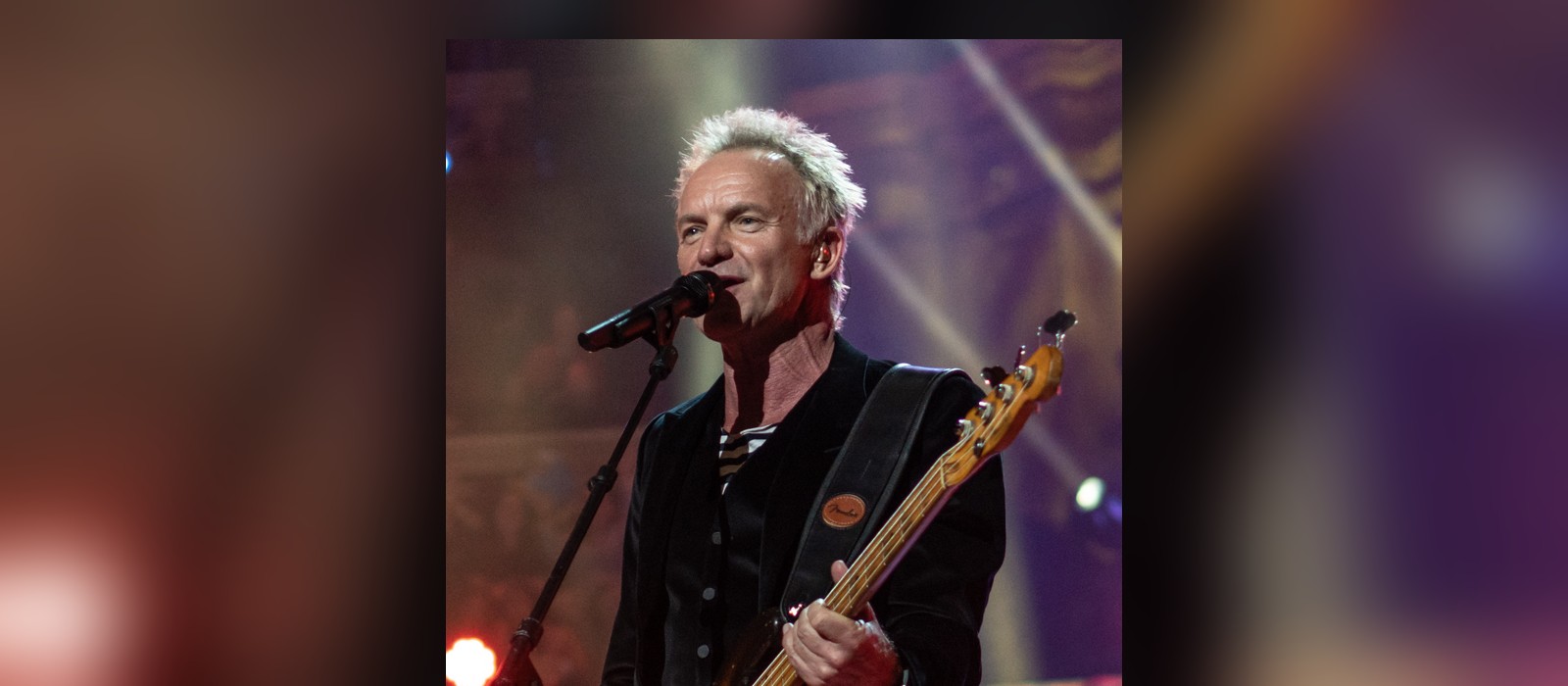
Sting said on September 20 that he feels no competition from AI in music, then said AI is a danger to the labour economy and that everyone is in that danger. The 74-year-old, whose real name is Gordon Sumner, made both remarks on the BBC’s Sunday With Laura Kuenssberg, reported by Casey Cooper-Fiske of the Press Association.
The two halves of that don’t contradict each other, and the second one is the sharper claim.
On the music, his test wasn’t audio quality. It was whether anybody chooses to listen.
I think AI can make perfectly serviceable pop music that you might hear in a railway station or a hotel lobby, and you can hear it, but would you listen to it?
Sting’s argument is about biography, not audio quality
“Because AI has never had its heart broken, it doesn’t have a story, it has a borrowed story, so you’re not really hearing a song,” he said. That is a claim about where the lyric came from, and it survives a model getting better. A cleaner drum sound doesn’t give the song a biography.
He put live performance on the same footing. “People still want to come and see live concerts, they want to see a human being, a vulnerable human being who can make mistakes and not a machine that is perfect,” he said.
Which is a comfortable position to hold if your musical, The Last Ship, opens in the West End next week.
Why the labour economy line is the one worth reading twice
Sting then moved off music. He said there is a “danger right now with AI potentially destroying the labour economy”, and that “we’re all in that danger”.
That’s a different argument from the first one, and it doesn’t come with the same comfort. A touring artist at his level is insulated by exactly the thing he described: people buy tickets to watch a person. A session player, a jingle writer or a library composer has no equivalent shield, and the work goes first where nobody is buying a ticket to see who made it.
He’s the latest in a run of artists saying this out loud. Paul McCartney warned about AI ripping off artists, SZA went after training data on her own catalogue, and Beyoncé wrote a line about it into Cowboy Carter. Tony Visconti told the Press Association this month that David Bowie would have experimented with the tools, while calling the output disgusting himself. Nia Archives said in July she doubts AI music lasts.
If you want the other half of the picture, my roundup of famous artists already using AI in their own work covers the ones who went the other way. Sting’s position needs both to be true at once: the songs are borrowed, and the jobs are still going.
Frequently asked questions
What did Sting say about AI music on the BBC in September 2026?
Sting told the BBC's Sunday With Laura Kuenssberg that AI can make perfectly serviceable pop music of the kind you hear in a railway station or a hotel lobby. He drew a line between hearing that music and actually listening to it. He added that he feels no competition from AI so far, because audiences still want to see a vulnerable human being on stage rather than a machine that never slips.
Why does Sting think AI songs are not real songs?
His argument is about biography rather than audio quality. In his words, AI has never had its heart broken, so it has no story of its own and works from a borrowed one. On that reading the output can be a competent pop record and still not be a song, because the experience behind the lyric belongs to somebody else.
What did Sting say about AI and the labour economy?
After saying he feels no competition as a musician, he switched to the wider economy and said there is a danger right now of AI destroying the labour economy. He added that everyone is in that danger, which pointedly includes people outside music. It is the sharper of his two claims and the one he did not hedge.
Which other musicians pushed back on AI music before Sting in 2026?
Tony Visconti, who produced David Bowie, told the Press Association earlier in September 2026 that Bowie would have experimented with the technology, while calling AI music disgusting himself. The producer Nia Archives said in July 2026 that she doubts AI music will last. Sting's remarks land in that run of artist commentary rather than starting it.
About the author

Covering AI music tools, industry shifts, and news for music creators and professionals. Twice-weekly newsletter at aimusicpreneur.com.