Protect Working Musicians Act returns, letting indie artists collectively negotiate with AI and streamers
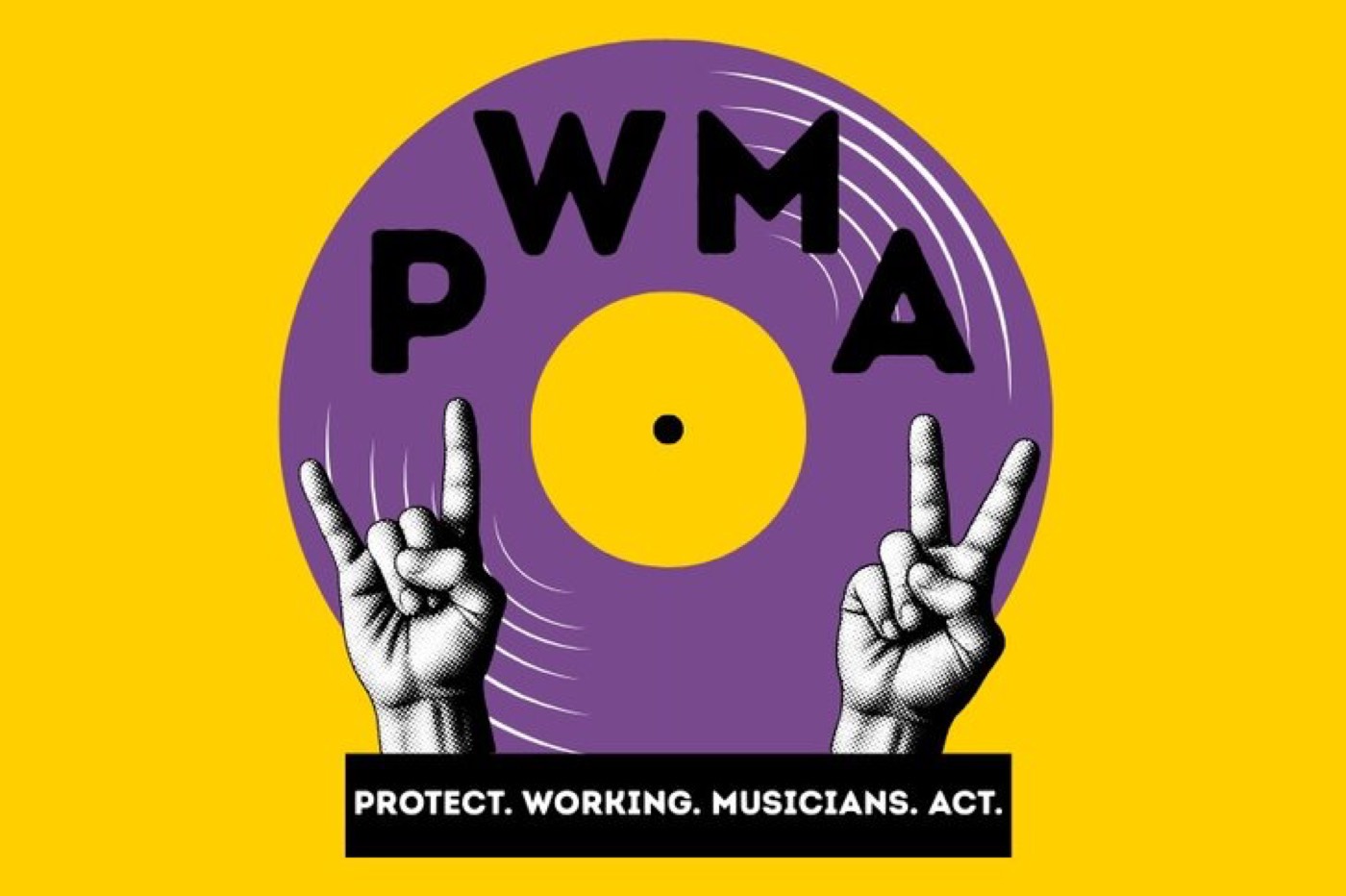
A coalition of music industry groups is backing the return of the Protect Working Musicians Act (PWMA), a bill championed by Rep. Deborah Ross that would let independent artists and labels negotiate with AI companies and streaming services as a group. First introduced in 2023, it has been updated for the AI era.
The bill targets one specific roadblock. Under current antitrust law, independent musicians cannot legally band together to negotiate licensing terms, the way a major label negotiates for its whole roster.
What the Protect Working Musicians Act would change
PWMA would do three things:
- Let independent artists and labels negotiate collectively with AI developers and streaming platforms without antitrust liability.
- Open a voluntary, market-based licensing pathway for AI use of copyrighted music.
- Sit alongside transparency efforts like the TRAIN Act and the CLEAR Act.
The leverage gap is the whole point. A solo artist has no power against a billion-dollar AI company or a major streaming service. A group of them, bargaining together, does.
If you're not at the table, you're on the menu. Independent musicians and songwriters have been without a seat at the table for over 40 years.
Why the Protect Working Musicians Act returns now
The timing tracks with where the money is going. Major labels are already cutting AI licensing deals, while indie artists watch from the sidelines, the same imbalance behind reports that labels are quietly adding AI training rights to artist contracts.
The bill also answers a direct prompt. The White House’s National AI Legislative Framework called on Congress to explore collective licensing models, and PWMA is one answer to that call. The backing is broad, from NITO and A2IM to the Recording Academy, the AFM, and the NMPA.
“Independent musicians are the lifeblood of a diverse and thriving music ecosystem, yet they continue to face an uneven playing field,” said A2IM CEO Ian Harrison.
What the Protect Working Musicians Act won’t do
This is both a rights bill and a deregulatory one. It would enable voluntary market deals, not mandated rates, so it does not force any AI company to pay a cent. It removes the legal risk of bargaining together and leaves the actual deal-making to the parties.
It is also a reintroduction, not a law. It still has to pass, and it now shares the calendar with other copyright bills moving through Congress. If you want to weigh in, supporters are gathering signatures through an open support letter.
Frequently asked questions
What is the Protect Working Musicians Act?
The Protect Working Musicians Act (PWMA) is a bill, championed by Rep. Deborah Ross, that would give independent artists and labels the legal right to collectively negotiate licensing terms with AI companies and streaming platforms. It was first introduced in 2023 and reintroduced for the AI era.
What would the Protect Working Musicians Act change for AI?
It would create an antitrust exemption so independent musicians can band together to negotiate, then open a voluntary, market-based licensing pathway for AI use of their music. It does not set mandated rates.
Who supports the Protect Working Musicians Act?
Backers include NITO, A2IM, the Artist Rights Alliance, the Recording Academy, the American Federation of Musicians, the National Music Publishers Association, the Black Music Action Coalition, and over a dozen other groups.
About the author

Covering AI music tools, industry shifts, and news for music creators and professionals. Twice-weekly newsletter at aimusicpreneur.com.