
Labels are quietly adding AI training rights to record contracts, Billboard investigation reveals
Key highlights
- Sony-owned B1 Recordings, Believe, and BMG have all included AI training rights clauses in recent contracts, according to a Billboard investigation published April 21, 2026.
- Artists who push back can win individual approval rights — but those rights don’t cover blanket catalog licenses the label may sign with AI companies.
- WMG CEO Robert Kyncl’s public “opt-in” promise and the contract language his label’s deals contain describe two different things.
Labels are writing AI training rights into contracts right now
A Billboard investigation published April 21, 2026, documents a quiet but systematic shift in music dealmaking: record labels are inserting AI training rights into standard contracts. Some use explicit new clauses. Others repurpose existing broad licensing provisions that were originally written to cover TikTok and Instagram deals.
Three specific contracts are named. Sony-owned B1 Recordings granted itself the “unlimited, exclusive rights” to use recordings “in models and systems of generative artificial intelligence.” French distributor Believe’s October 2025 distribution agreement permits licensing content to “research, train, develop and test gen AI models.” BMG’s German distribution contract contains a specific “AI Right” covering songs created during the contract term. This is what a Billboard investigation describes as a new industry norm, not an edge case.
What artists can negotiate — and what they can’t

Manager Jimmy Hession pushed back on B1 Recordings’ clause and won individual approval rights for his client Paul Harris, who worked on the Alok and Khalid track “Dive into Me.” But there’s a ceiling: those approval rights do not extend to any “blanket license” Sony may sign to give an AI company access to “all or a significant portion” of its catalog.
That’s the loophole. Attorney Colin Morrissey says AI clauses are “starting to creep” into smaller distributor deals where artists have less negotiating power. Audrey Benoualid, partner at Myman Greenspan, points to the growing split between how labels treat AI training inputs versus AI-generated outputs. Jason Boyarski, founding partner at Boyarski Fritz, is more blunt: “Some of the labels have already taken the position that they technically don’t need special approvals to train.”
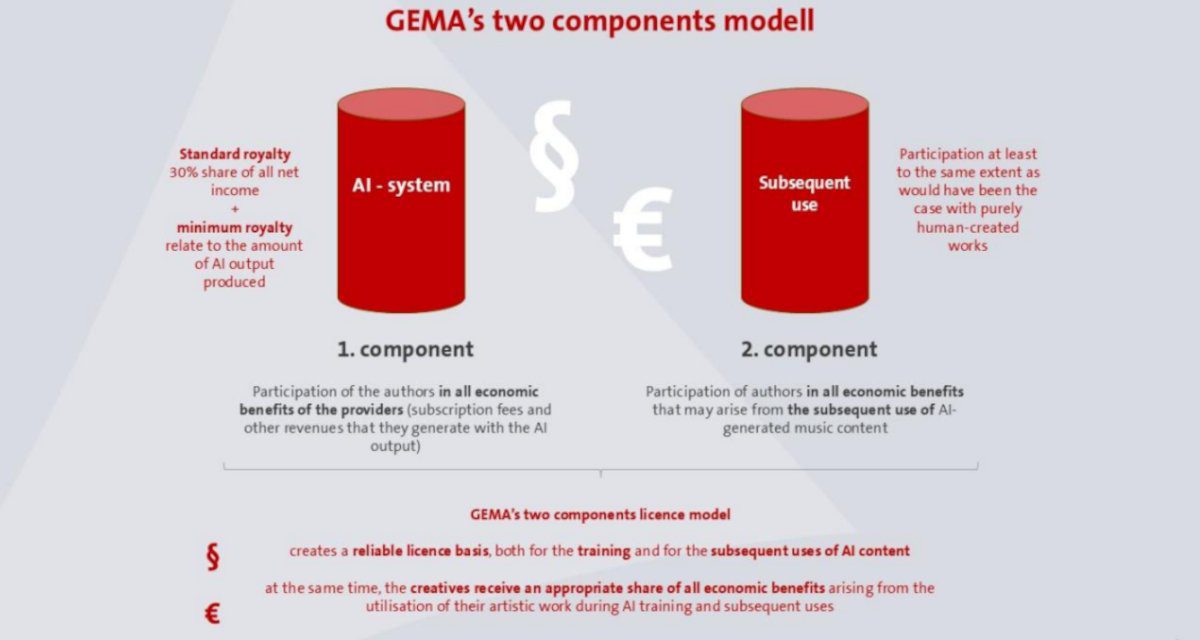
For context on what a fair alternative looks like, GEMA’s fair AI licensing model is worth reading alongside the is AI music copyrighted breakdown.
The opt-in contradiction labels need to explain
The takeaway: Public statements from label executives promise opt-in. The contracts tell a different story.
WMG CEO Robert Kyncl wrote in a November 2025 blog post that artists would have a choice to opt in to any use of their music in AI-generated songs. UMG’s chief digital officer Michael Nash said the same on Billboard’s On the Record podcast. Udio’s CEO echoed it when discussing his label deal. But the Billboard investigation makes clear these opt-in statements refer specifically to AI-generated outputs — not to training inputs, which is where the contract language actually operates.

That’s the structural gap. The Warner Music Suno deal and similar label-level agreements set the commercial terms for AI licensing at the catalog level. Individual artist contracts then quietly acquire the training rights underneath. The Suno copyright guardrails bypass story shows how little oversight exists once training data leaves a label’s hands. CISAC projects unlicensed generative AI could divert up to 25% of creator royalties — roughly €8.5 billion annually. The CISAC creator revenue AI threat report puts numbers on what these contract clauses could cost at scale.
What to do before you sign anything
Ask your attorney specifically about AI training rights — not just AI outputs. Ask whether any approval rights you win apply to blanket catalog licenses. If you’re with a smaller distributor, check the October 2025 or later agreements for language similar to Believe’s “research, train, develop and test gen AI models” clause.
The Grammys on the Hill AI bills — specifically the TRAIN Act — would give artists subpoena power over training datasets. Until that passes, contract language is the only lever artists have.
Frequently asked questions
Which labels are adding AI training rights to contracts?
Billboard’s April 2026 investigation names Sony-owned B1 Recordings, French distributor Believe, and BMG as labels with AI training clauses in recent contracts. Attorneys cited in the report say the practice is spreading across both major and smaller distributor deals.
Can artists negotiate out of AI training clauses?
Some artists have won individual approval rights by pushing back. But those rights typically don’t cover blanket catalog licenses — agreements where a label grants an AI company access to large portions of its catalog. Attorneys advise explicitly asking for approval rights and not assuming existing clauses are protective.
What is the difference between AI training opt-in and AI output opt-in?
Label executives have publicly promised artists an opt-in for AI-generated outputs — songs that sound like them or use their style. The Billboard investigation shows that AI training opt-in, which covers whether your recordings are used to build AI models in the first place, is a separate and largely unaddressed issue in most contracts.
What legislation might protect artists from AI training clauses?
The TRAIN Act, part of the Recording Academy’s lobbying push at the 2026 Grammys on the Hill, would give artists and rights holders subpoena power to investigate whether their recordings were used to train AI models without consent. It has not yet passed into law.”
About the author

Covering AI music tools, industry shifts, and news for music creators and professionals. Twice-weekly newsletter at aimusicpreneur.com.


