Top 5 AI Music News (Apr 27th – May 3rd 2026)
My stack My fav 6 tools for AI music after testing 70+
-
 ElevenMusic · Music generation
 -
 Moises · Stem separation
 -
 Controlla · Voice swap & cloning
 -
 Cryo Mix · Mixing + mastering
 -
 Neural Frames · Music videos
 -
 ONCE · Distribution
Some links are affiliate links — I earn a commission at no cost to you. Every tool here is one I run myself and truly believe in. This stack is proven.
1. Spotify Launches “Verified by Spotify” Badge, AI Artists Officially Ineligible
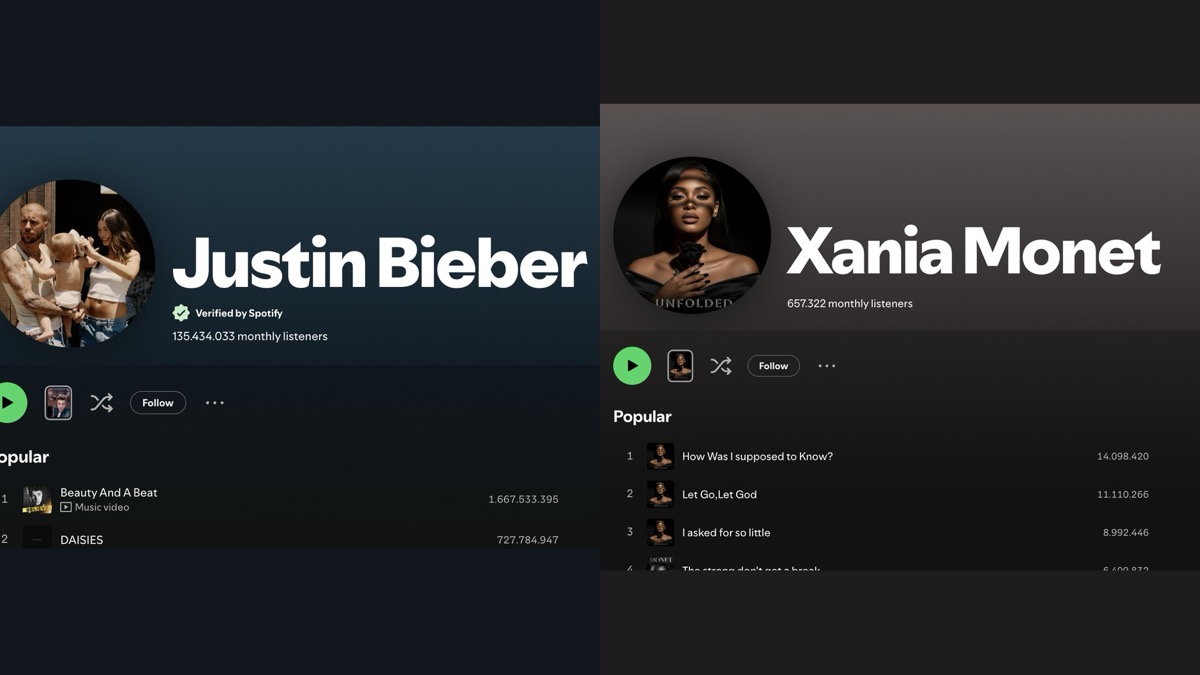
Spotify rolled out a new “Verified by Spotify” badge on April 30, 2026, with strict eligibility criteria. The badge requires a real off-platform artist presence. AI-generated and AI-persona artists are not eligible at launch.
The badge follows two earlier moves: Artist Profile Protection in March and AI Credits in Song Credits. Spotify is building a layered system that separates human artists from AI-generated content at every level of the platform. Meanwhile, Deezer reports 75,000 AI tracks now flood its platform daily.
The open questions matter for you. What counts as an “”AI-generated track”” for verification purposes? Only one-shot prompt outputs from tools like Suno, or hybrid AI-assisted work too? What about AI-persona artists like Xania Monet, who posts regularly online with a real human (Telisha Jones) behind the persona? And what happens to the thousands of AI tracks already sitting in the catalog?
If you release music made with AI tools, your verification path on Spotify now depends on where the platform draws the line between “AI-assisted” and “AI-generated.” That line is still undefined.
2. ElevenMusic Launches AI Songs With Built-In Payouts
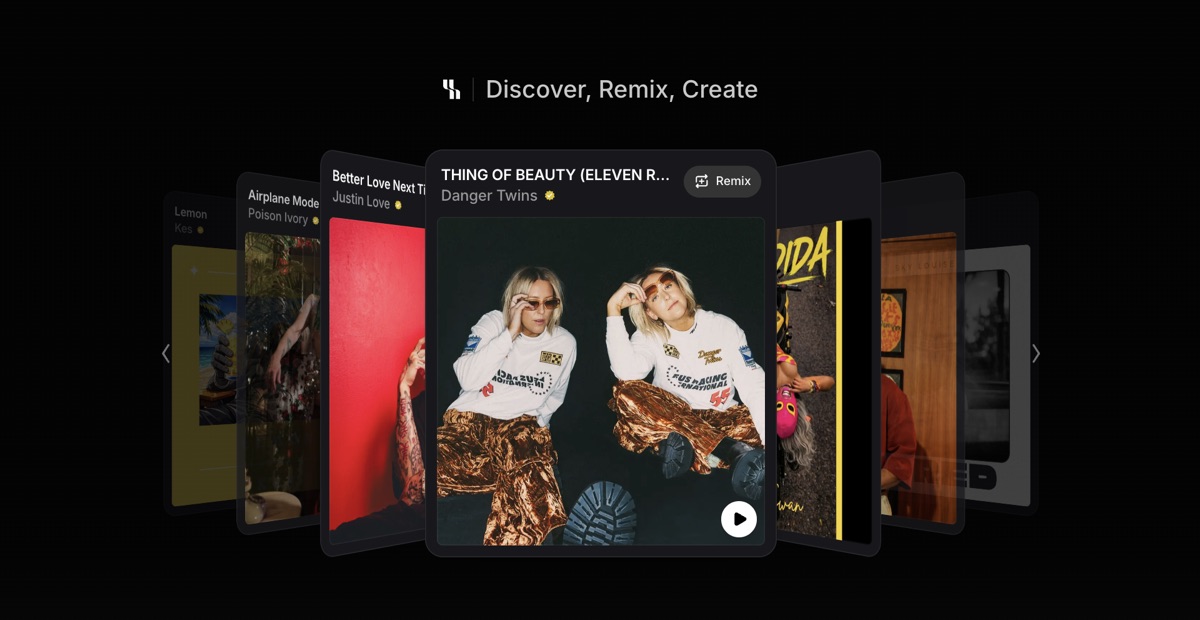
ElevenLabs launched ElevenMusic on April 29, 2026, a standalone AI song generator at elevenmusic.io with its own iOS app, artist profiles, and a creator economy built around per-stream payouts. The free tier gives you 5 tracks per day. Pro users ($7.99/month annual) get 400 monthly generations and earn payouts after reaching 11,000 streams and 50 followers.
The platform launched with 4,000+ independent artists on its Explore feed. Every track has a one-click Remix button. The Studio uses natural language prompts and exposes two lyric writing engines: Deep (xAI) and Fast (OpenAI). This is the first consumer AI song generator to let you choose the underlying model at the generation level.
The structural difference between ElevenMusic and every other AI music generator: the model trains on licensed music from Kobalt and Merlin. Suno and Udio are both fighting active label litigation over unlicensed training data. Warner reached a landmark settlement with Suno in 2026, but legal exposure shaped both platforms for years. ElevenLabs already distributed over $11M to voice creators through its Voice Library, so the payment rails exist.
One thing to watch: ElevenMusic grants itself rights to use your uploaded voice data for AI model training when you use the voice capture feature. Read the consent screen before recording. And remember, AI-generated music has no copyright protection in most jurisdictions. That applies to every platform, not only ElevenMusic.
3. Believe and TuneCore Auto-Block AI Tracks From Suno, DistroKid Follows
Believe and its distributor TuneCore now automatically block any track partly or fully produced on unlicensed Gen-AI platforms like Suno. The detection technology identifies AI models with 99% reliability. CEO Denis Ladegaillerie also revealed new licensing deals with ElevenLabs and Udio, and warned rival DSPs that ignoring illegal AI is a “”litigation time bomb.””
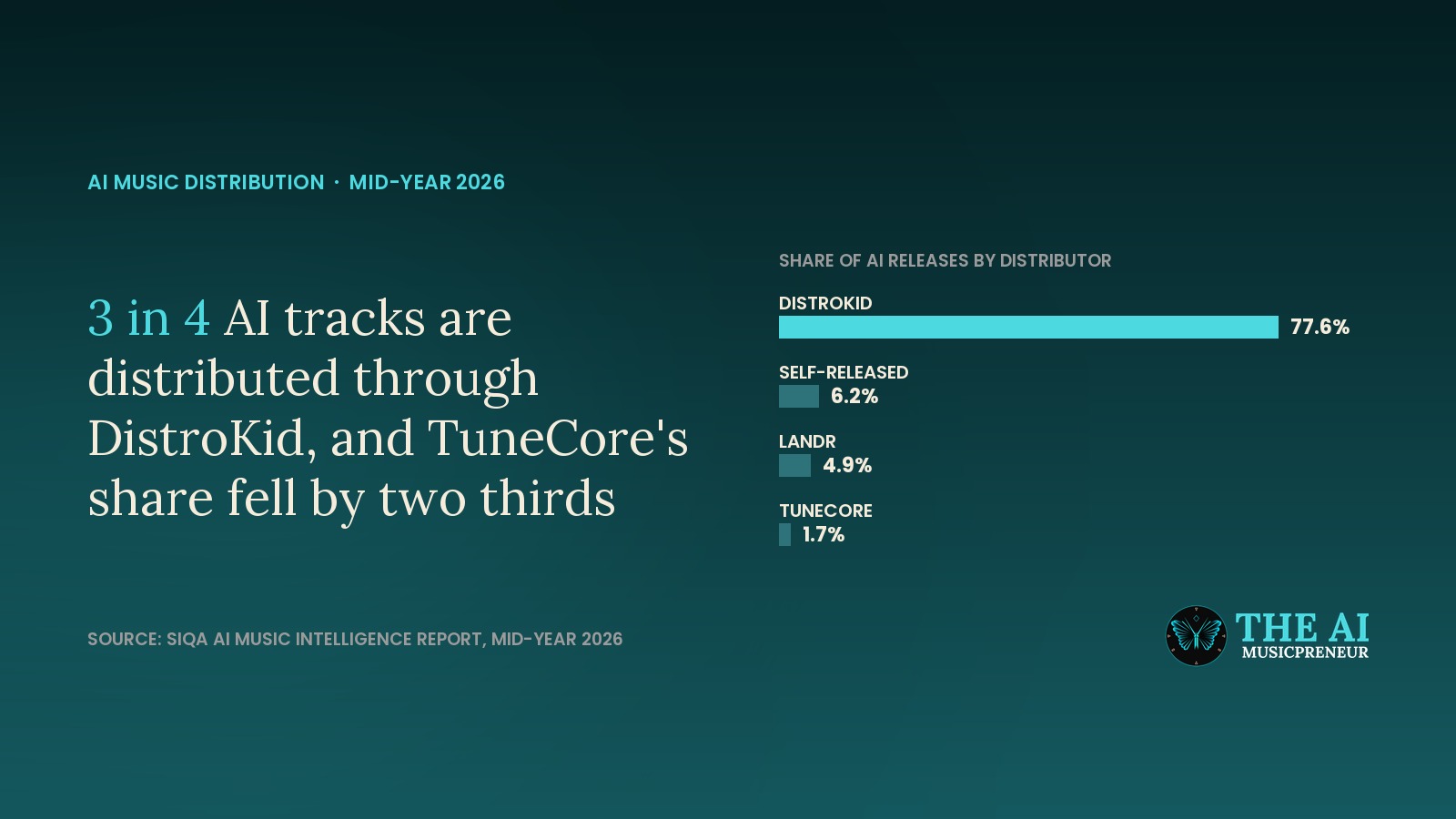
The fallout is already visible. The 135K-member Suno & AI Music Creators Facebook group is filling with takedown notices. One member reported their distributor pulled all AI songs across all platforms, citing copyrighted content, fraudulent activity, and indication of fraud in TikTok video content. DistroKid, the single most-used distributor for AI-created releases according to SIQA’s AI Music Intelligence Report, has started telling some users after 3+ weeks of silence that it is “”unable to process”” their tracks.
If you distribute AI-generated music through TuneCore or DistroKid, your tracks are now at risk of removal. The distinction that matters: tracks made on licensed platforms (ElevenLabs, Udio with a label deal) appear to pass through. Tracks made on unlicensed platforms do not. Your choice of AI tool now directly affects whether your music stays on streaming platforms.
4. Labels Quietly Add AI Training Rights to Contracts
A Billboard investigation published April 21, 2026, documents a systematic shift in music dealmaking. Sony-owned B1 Recordings granted itself “unlimited, exclusive rights”” to use recordings “in models and systems of generative artificial intelligence.” Believe’s October 2025 distribution agreement permits licensing content to “research, train, develop and test gen AI models.”” BMG’s German distribution contract contains a specific “AI Right”” covering songs created during the contract term.
Some artists have pushed back successfully. Manager Jimmy Hession won individual approval rights for his client Paul Harris on a B1 Recordings deal. But those approval rights do not extend to any “blanket license” Sony signs to give an AI company access to all or a significant portion of its catalog. Attorney Jason Boyarski put it plainly: “Some of the labels have already taken the position that they technically don’t need special approvals to train.”
The contradiction is worth naming. WMG CEO Robert Kyncl wrote in November 2025 that artists would have a choice to opt in to any use of their music in AI-generated songs. UMG’s chief digital officer Michael Nash said the same. But those opt-in promises refer to AI-generated outputs, not training inputs. The contracts operate on training inputs. CISAC projects unlicensed generative AI could divert up to 25% of creator royalties, roughly €8.5 billion annually.
If you are signing or renewing a deal with any label or distributor, ask your attorney specifically about AI training rights. Ask whether any approval rights you win apply to blanket catalog licenses. The TRAIN Act would give artists subpoena power over training datasets, but it has not passed yet. Until it does, contract language is your only lever.
5. Former Sony Exec Publishes First AI Music Industry Book
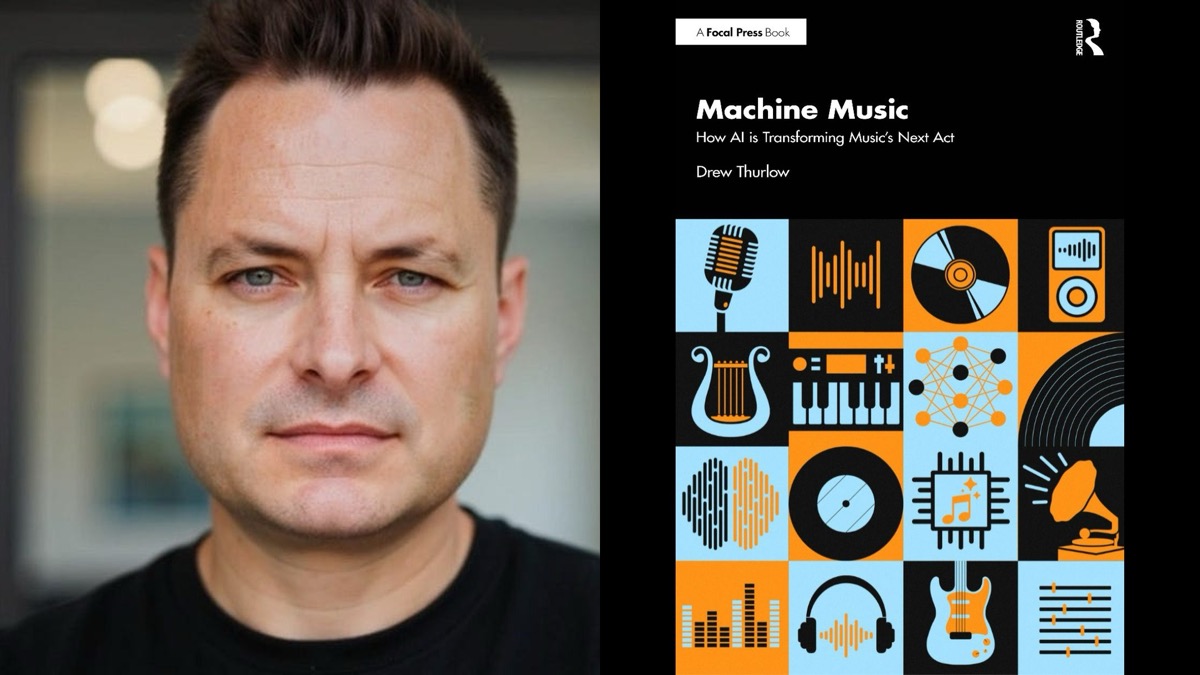
Drew Thurlow, former SVP of A&R at Sony Music, released Machine Music through Focal Press. It is the first book by a working music executive covering AI’s full impact on the industry. The 196-page, 10-chapter book spans generative AI tools, copyright lawsuits, UGC platforms, licensing models, and live performance technology.
Thurlow also held senior roles at Pandora and Warner Music and now teaches music strategy, innovation, and AI at Berklee College of Music. His Substack carries a post titled “”I’m Optimistic the New AI Deals Will Be Good for Artists. But What If I’m Wrong?”” That question runs through the whole project.
Chapter 4 (AI for Musical Creators) and Chapter 9 (AI Music in the Live Arena) are the most directly practical sections for working producers and performers. The book lands while streaming platforms are still writing their AI music rules, Sony remains a holdout on Suno settlement talks, and indie artists have been cut out of every major label AI licensing deal negotiated so far. Find it at machine-music.ai or via Routledge. The eBook edition is available through Taylor & Francis.”
About the author

Covering AI music tools, industry shifts, and news for music creators and professionals. Twice-weekly newsletter at aimusicpreneur.com.